When a hurricane or severe storm is predicted, your first concern is your loved ones, followed by your home. Whether you need to evacuate or not, your siding’s condition matters. Choosing the right siding can save money and protect against severe damage, especially in areas prone to hurricanes and storms. Many homeowners don’t check their siding before a storm, but from the Texas Gulf Coast to Florida and along the East Coast, homeowners know the importance of protecting their homes. Strong siding that can withstand hurricanes extreme wind and rain is crucial for keeping your home safe.
Wind and Water Resistant Paints for Siding
If you plan to build a home, discuss framing with your contractors before choosing siding. In hurricane-prone areas, contractors often recommend steel-reinforced masonry walls for better durability and water protection.
A properly installed house wrap also helps maintain a strong moisture barrier and reduces leaks unless a hurricane severely damages your walls.
Siding takes the most damage during a hurricane, so choose the best option. If replacing your siding isn’t possible now, use protective measures. Wind- and water-resistant paint can help prevent water damage from heavy rain and works on all siding materials.
Prepare Your Siding for Hurricane Season
A month before hurricane season starts, check your home’s siding for signs of wear and tear. Are there any loose boards or any cladding not installed properly? Do you see torn or broken siding pieces or any cracks that could let water in? While you may not be able to replace the siding completely right then and there, you can fix any holes or loose siding boards, and seal any cracks.
It is not recommended to begin a major remodeling project — like replacing your siding — a month or less before hurricane season starts. You may run out of time, an early storm could hit, or shortcuts might have to be taken in order to finish before the weather turns bad. When it comes to the quality of your siding installation, you do not want to take any shortcuts or rush the process unnecessarily.
Which Type of Siding Best Withstands Hurricanes?
Most siding manufacturers perform rigorous testing on their products. They look for durability against wind load and impact, such as from trees and other debris. A good contractor can recommend quality siding options that meet hurricane-resistant standards.
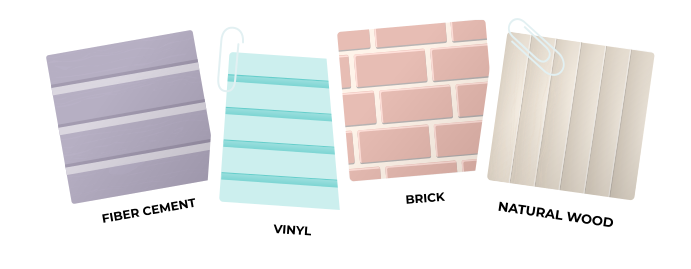
Wood siding — which is common on older homes — is easily damaged by hurricanes, severe storms, and sea salt. If you must use wood siding on your home — for instance, because you live in a historic district — make sure to use high-quality wood, and metal flash corners, seal the joints well, and use water-resistant paint.
Vinyl siding is a popular siding choice for many homeowners across the country, but it can crack and tear during high winds. According to FEMA, vinyl siding should be able to withstand 110 mph winds in addition to heavy rains to be considered storm-ready. Ask your contractor if the vinyl they use is up to those standards. However, vinyl is best for homes in moderate climates that don’t often have severe storms or hurricanes.
If you are committed to using vinyl siding for your home, heavier gauge vinyl does exist for homes within high-wind areas. You can take further steps to protect your home by making sure the cladding is secure. This will ensure the wind cannot get under the siding and cause siding planks to come off the home in a wind gust.

Fiber Cement Siding: The Recommended Option
Fiber cement siding is the preferred type of siding in areas that regularly experience hurricanes. Fiber cement siding — also referred to as Hardie board siding — comes in many colors and lasts for a long time. Made of cement and sand, fiber cement is preferred over wood, vinyl, and even aluminum in storm-prone areas because it is water- and fire-proof. You may not think of fires during a hurricane, but downed power lines can cause fires before rain puts them out. This was a major issue during Hurricane Sandy in 2012 — there were fires in Breezy Point, Queens that destroyed over 80 homes.
Fiber cement siding is code-compliant for even the strictest counties, such as those in Florida, because they experience so many hurricanes. Be aware that the initial investment is higher than installing wood or vinyl siding because of the quality. But fiber cement siding has a long lifespan, protects your home effectively, and pays for itself in the long run.

Find the Right Contractor for Your Siding Project
Whether you’re ready to begin your project now or need some expert advice, our network of contractors are here to help. With a few simple questions, we’ll find the best local professionals for you