Table of Contents
- How to Use Our Roof Cost Calculator
- How Much Does a New Roof Cost in 2026?
- Roof Replacement Cost by Material
- Roof Replacement Cost by Home Size
- Roof Replacement Cost by Location
- How to Calculate How Much a New Roof Will Cost
- How Much Does Labor Cost to Replace a Roof?
- Additional Roof Installation Cost Factors
- Roof Replacement Cost Calculator FAQs
- Next Steps
How to Use Our Roof Cost Calculator
This roof cost calculator takes just a few minutes to use. You’ll need a few basic details about your home:
- The approximate square footage of your home
- The number of stories
- Your roofing material preference (or current roofing type)
- The general roof shape (simple or complex)
The calculator uses national and regional cost data to estimate material and labor costs, giving you a solid baseline to compare contractor quotes against.
How Much Does a New Roof Cost in 2026?
In 2026, roof replacement in the U.S. typically runs from $7,500 to $30,000, with most homeowners spending between $9,000 and $18,000 on a standard asphalt shingle roof. Smaller, simpler roofs can start around $6,000, while complex or high-end projects can exceed $30,000.
Final pricing depends on your roof’s size, pitch, chosen material, and installation complexity. Most U.S. homes are between 1,500 and 2,500 square feet. We base our estimates on a 2,000-square-foot roof, which fits an average single-story home around 1,775 square feet or a two-story home near 3,500 square feet. These estimates draw from pricing data from over 3,000 real homeowner projects completed through Modernize over the past six months.
Average Roof Replacement Costs by Budget Level (2,000 sq. ft. roof)
| Budget | Roof Type | Cost Range |
|---|---|---|
| Lower-end | 3-tab asphalt shingles | $9,000 to $32,000 |
| Mid-range | Architectural shingles and some metal roofs | $8,000 to $60,000 |
| High-end | Slate tiles and metals like copper or zinc | $18,000 to $80,000 |
Roof Replacement Cost by Material
The material you choose is one of the biggest cost drivers in any roofing project. Here’s a breakdown of popular options and their typical installed price ranges in 2026.
| Material Type | Avg. Installed Cost per Square Foot | Cost per Square (100 square feet) | Estimated Total Cost (2,000 square feet) |
|---|---|---|---|
| Asphalt | $4.50 to $16.00 | $450 to $1,600 | $9,000 to $32,000 |
| Metal | $4.00 to $40.00 | $400 to $4,000 | $8,000 to $80,000 |
| Cedar | $9.00 to $14.00 | $900 to $1,400 | $18,000 to $28,000 |
| Concrete | $10.00 to $18.00 | $1,000 to $1,800 | $20,000 to $36,000 |
| Clay | $10.00 to $18.00 | $1,000 to $1,800 | $20,000 to $36,000 |
| Slate | $9.00 to $30.00 | $900 to $3,000 | $18,000 to $60,000 |
Asphalt Shingles
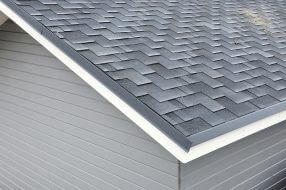
Asphalt shingles are the most common choice because they’re affordable and easy to install. Basic 3-tab shingles run $4.50–$7.50 per square foot installed, while architectural shingles range from $6.00–$9.00. Premium asphalt that mimics wood or slate can reach $16.00 per square foot.
Metal Roofing
- Corrugated steel: $4–$14 per square foot
- Aluminum or standing seam: $10–$17 per square foot
- Copper: $15–$40 per square foot
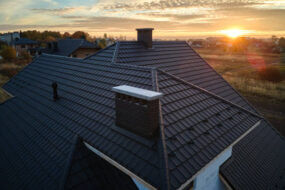
Metal roofs cost more upfront but can last 50 years or more with minimal maintenance.
Wood Roofing
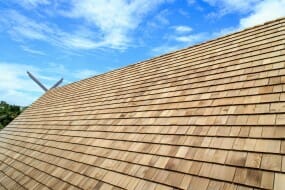
Wood shakes and shingles (usually cedar) give a home a natural, rustic look. Expect to pay $9.00–$14.00 per sq. ft., depending on thickness and finish. Wood roofs look great but require more maintenance than other materials — they’re best suited to dry climates without fire restrictions.
Concrete Tiles
Concrete tiles are durable and energy efficient, ranging from $10.00–$18.00 per sq. ft. installed. They may require additional structural support because of their weight, but they offer excellent longevity and insulation in return.
Clay tiles
Clay tiles deliver a distinctive Mediterranean aesthetic and lasting performance. Typical costs run $10.00–$18.00 per sq. ft. They’re long-lasting, fire-resistant, and work best in warm, dry climates.
Slate roofing
Natural slate is one of the most durable roofing materials available, averaging $15.00–$30.00 per sq. ft. installed. Synthetic slate offers a similar look for $9.00–$15.00 per sq. ft. Either way, slate requires professional installation and strong roof framing — but the longevity and curb appeal are hard to beat.
Roof Replacement Cost by Home Size
Roof replacement costs are calculated on roof surface area, not just your home’s square footage. Because of pitch, overhangs, and design features, your roof is usually 20%–30% larger than your home’s footprint. A 2,000-square-foot home, for example, may have a 2,400- to 2,600-square-foot roof. The estimates below reflect typical asphalt roofing costs based on real homeowner project data and standard roof complexity.
How much does it cost to replace a roof on a 1,500-square-foot house?
For a 1,500-square-foot home, roof replacement typically costs $7,000–$15,000, with most homeowners landing near the middle of that range for standard asphalt shingles. Simpler roofs with fewer penetrations and a low pitch will fall on the lower end; steeper or more complex designs add to labor and installation costs.
How much does it cost to replace a roof on a 2,000-square-foot house?
Replacing a roof on a 2,000-square-foot home usually runs $8,000–$16,000 for asphalt shingles. Higher-end architectural shingles, old roof tear-off and disposal, and regional labor rates can all push costs toward the top of that range.
How much does it cost to replace a roof on a 2,200-square-foot house?
A 2,200-square-foot home generally costs $9,000–$18,000 to reroof with asphalt shingles. Costs rise when the roof includes skylights, chimneys, dormers, or multiple roof planes that require more detailed installation work.
How much does it cost to replace a roof on a 3,000-square-foot house?
For a 3,000-square-foot home, most homeowners spend between $12,000 and $25,000+ on asphalt roofing. A larger surface area, steeper pitch, and premium shingle options can push total costs significantly higher — especially on complex or multi-story homes.
Roof Replacement Cost by Location
Where you live has a real impact on what you’ll pay. Local labor rates, building codes, climate, and material availability all affect pricing. Homeowners in coastal regions and major metro areas often pay more for the same roof, while prices in rural areas tend to be lower. Even within a single state, costs can vary by city based on contractor demand, permitting fees, and cost of living. For the most accurate estimate, it helps to compare roofing costs specific to your area.
See roofing costs in your area:
- California
- Delaware
- Florida
- Georgia
- Illinois
- Indiana
- Maryland
- Massachusetts
- Michigan
- Nebraska
- New Jersey
- New York
- North Carolina
- Ohio
- Pennsylvania
- Tennessee
- Texas
- Virginia
- Washington DC
- Washington State
How to Calculate How Much a New Roof Will Cost
Roof size (sq ft) × cost per sq ft = estimated total cost
Example:
2,000 sq. ft. x 7.00 per sq. ft. = $14,000 estimated total cost
| Home Size in Square Feet | Single-Story Home Costs | Two-Story Home Costs |
|---|---|---|
| 1,500 | $7,000 to $11,000 | $8,500 to $13,000 |
| 2,000 | $9,000 to $14,000 | $10,500 to $16,000 |
| 2,500 | $11,000 to $17,000 | $13,000 to $19,000 |
How Much Does Labor Cost to Replace a Roof?
Labor typically makes up 50%–60% of your total roof replacement cost, averaging $2.50–$6.00 per square foot. Steeper or more complex roofs cost more because of added safety requirements and installation time.
Replacing an asphalt shingle roof on a 2,000-square-foot home may run around $8,000–$16,000 total. Of that, roughly $3,500–$7,000 goes to materials, while $4,500–$9,000 covers labor. The exact split depends on roof pitch, tear-off needs, and local contractor rates.
Additional Roof Installation Cost Factors
- Permits and inspections: $250–$500
- Old roof removal: $2–$5 per sq. ft.
- Cleanup and disposal: Around $800
Modernize Tip: Roofing material costs can shift with tariffs and supply chain changes. Ask your contractor whether recent fluctuations could affect your quote.
Roof Replacement Cost Calculator FAQs
Is roof replacement tax deductible?
Generally no, unless it’s part of a qualifying energy-efficient upgrade.
Is there a federal tax credit for roof replacement in 2026?
Some energy-efficient roofing materials may qualify for a federal tax credit. Check with a tax professional to see if your project is eligible.
What is the lifespan of a new roof?
- Asphalt: 20–30 years
- Metal: 40–70 years
- Tile/slate: 50–100+ years
Should I repair or replace my roof?
If the damage is localized and your roof is under 15 years old, a repair is usually the right call. If it’s nearing the end of its lifespan or you’re seeing widespread issues, replacement is likely the better investment.
Should I DIY or hire a pro?
Small repairs can be DIY-friendly for experienced homeowners. A full replacement is a different story — it requires licensed professionals and typically requires a permit.
Next Steps
- Get Multiple Quotes
- Check Licenses and Insurance
- Review References and Feedback
Explore Modernize’s contractor directory to find pre-screened local pros.