A Step-by-Step Guide to Clearing Drain Clogs
Clogged drains are a common household issue. Whether it’s a slow-draining sink, a bathtub clogged with hair and soap scum, or an outdoor drain overflowing after heavy rain, blockages can be frustrating. The good news is that many drain clogs can be fixed at home with basic tools and a little patience — saving time, money, and unnecessary plumbing calls.
Different drains clog for different reasons. By understanding what causes drain clogs and following the right step-by-step approach, you can keep your plumbing system running smoothly and avoid more serious problems down the line.
Types of Drains and Common Clogs
Each drain in your home serves a specific purpose and faces unique clogging issues. Kitchen drains typically clog from grease and food, bathroom drains collect hair and soap residue, and outdoor drains are affected by leaves and debris. Knowing what causes clogs in each drain helps you choose the most effective solution.
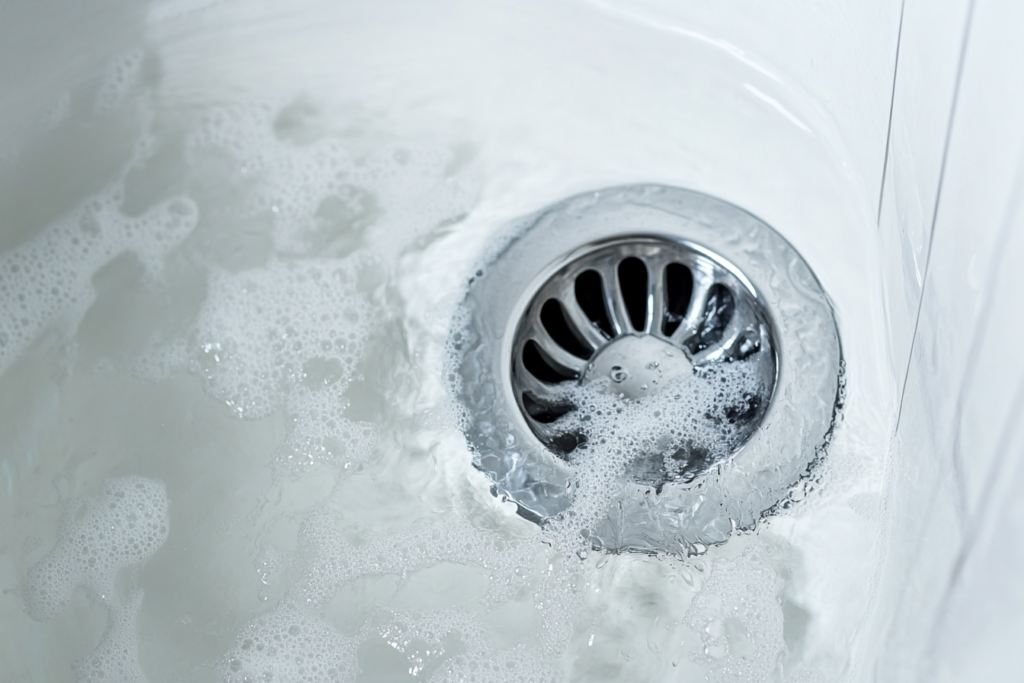
Bathtub and Shower Drains
Common causes: Hair, soap residue, and dirt buildup.
Best solution: Use a drain cover to catch hair and clean regularly with boiling water or a natural cleaner.
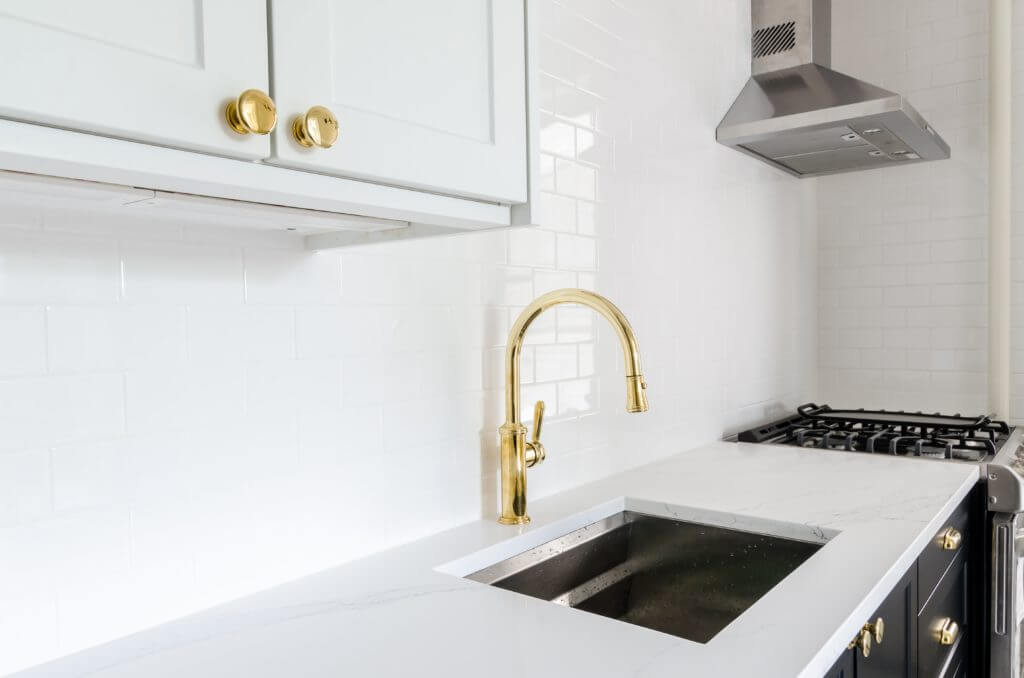
Kitchen Sink Drains
Common causes: Grease, oil, and food scraps that harden inside pipes.
Best solution: Never pour grease down the drain. Flush with hot water and dish soap or use vinegar and baking soda.
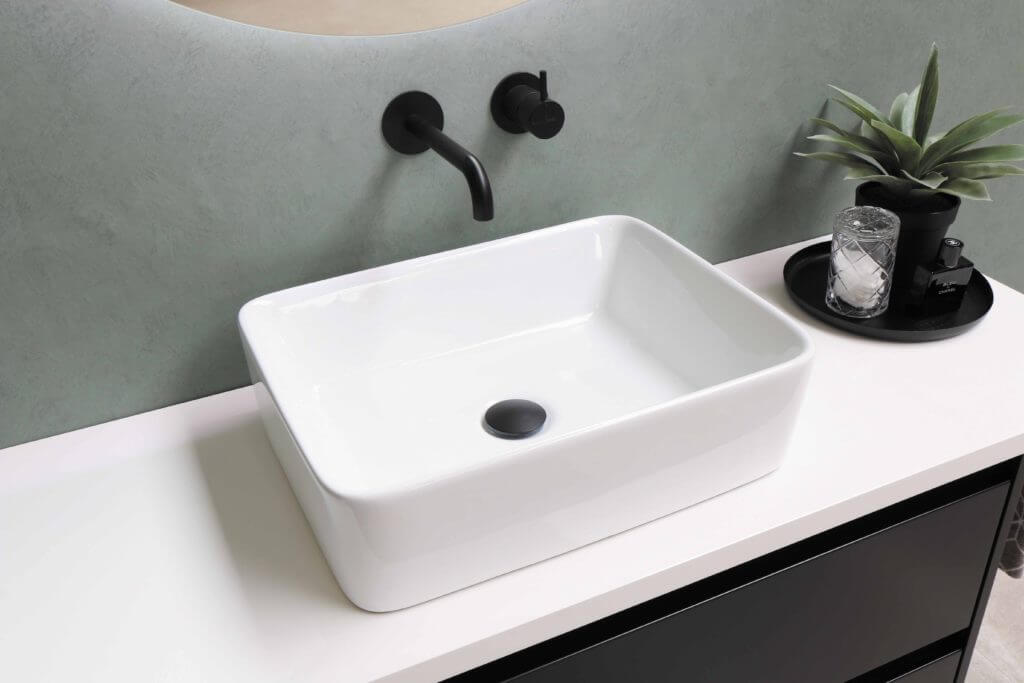
Bathroom Sink Drains
Common causes: Hair, toothpaste, and soap scum buildup.
Best solution: Remove debris regularly and flush with boiling water or a safe commercial cleaner.
Toilet Drains
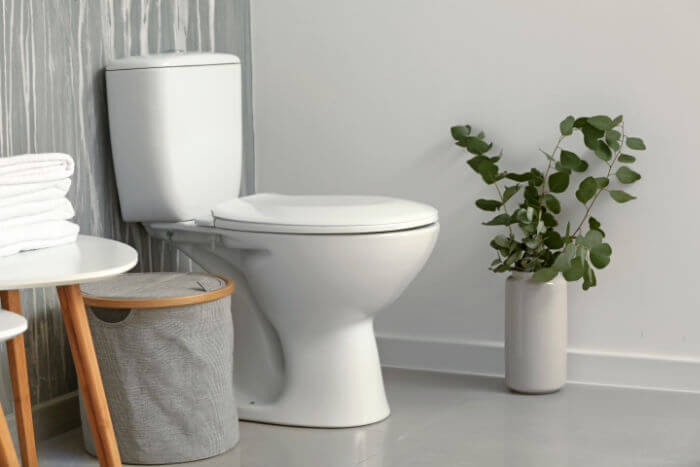
Common causes: Too much toilet paper or non-flushable items like wipes.
Best solution: Use a plunger or toilet auger to clear the clog safely.
Outdoor Drains
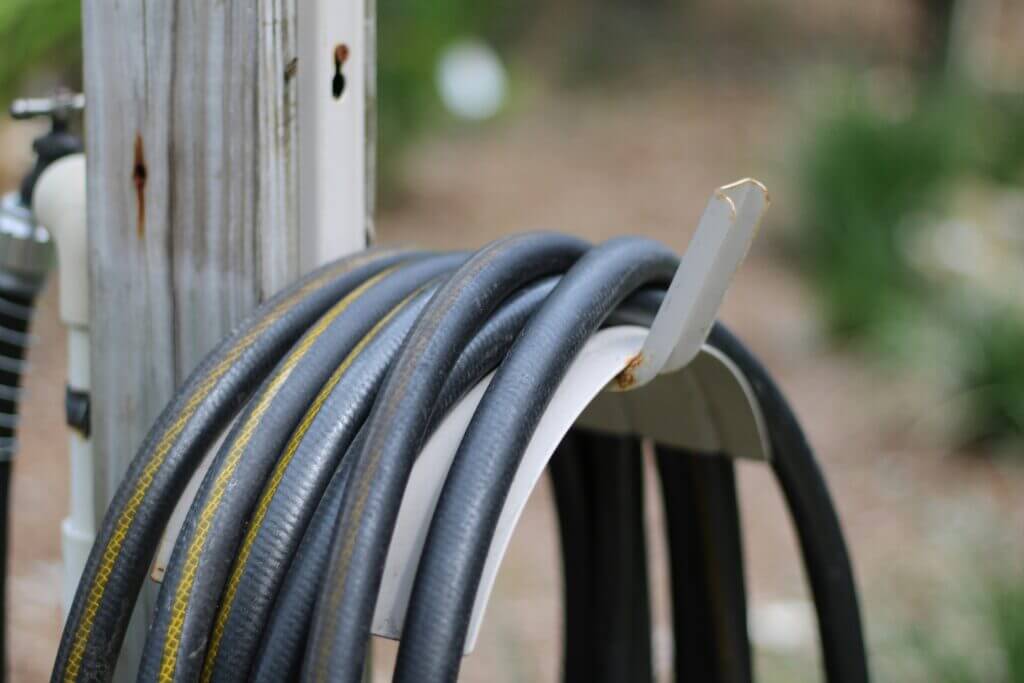
Common causes: Leaves, dirt, and debris causing water to pool.
Best solution: Remove surface debris and use a plumber’s snake for deeper clogs.
How to Unclog Drains: Step-by-Step
When a drain clog occurs, acting quickly can prevent backups and pipe damage. Follow these steps in order for best results:
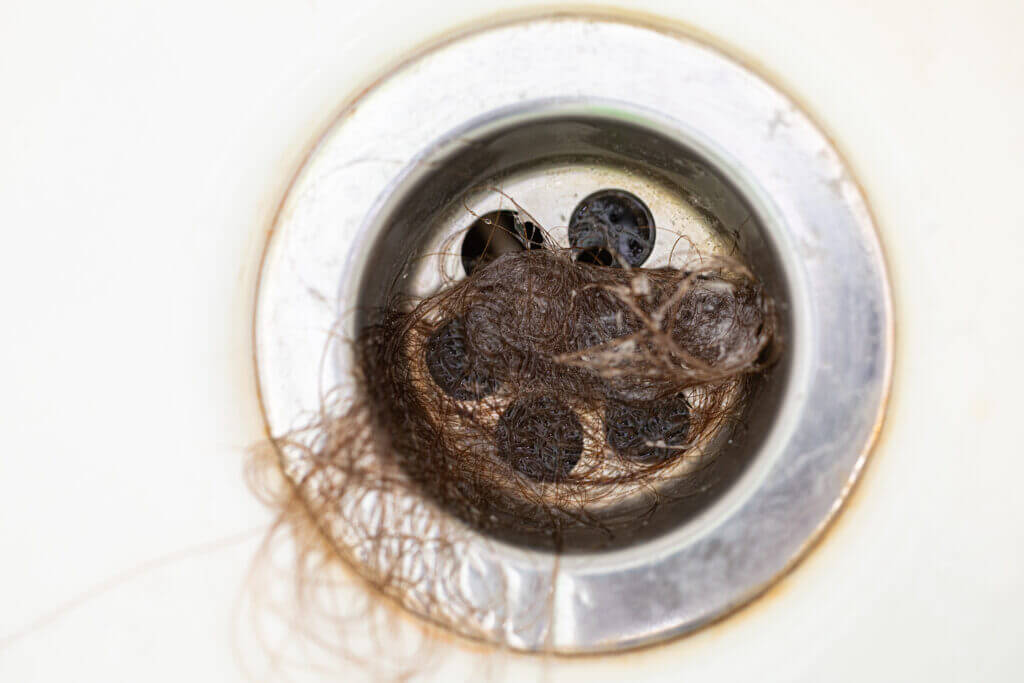
1. Remove Visible Debris
Check the drain opening for hair, food, or debris. Use gloves and tools like tweezers or a drain hook to remove what you can see.
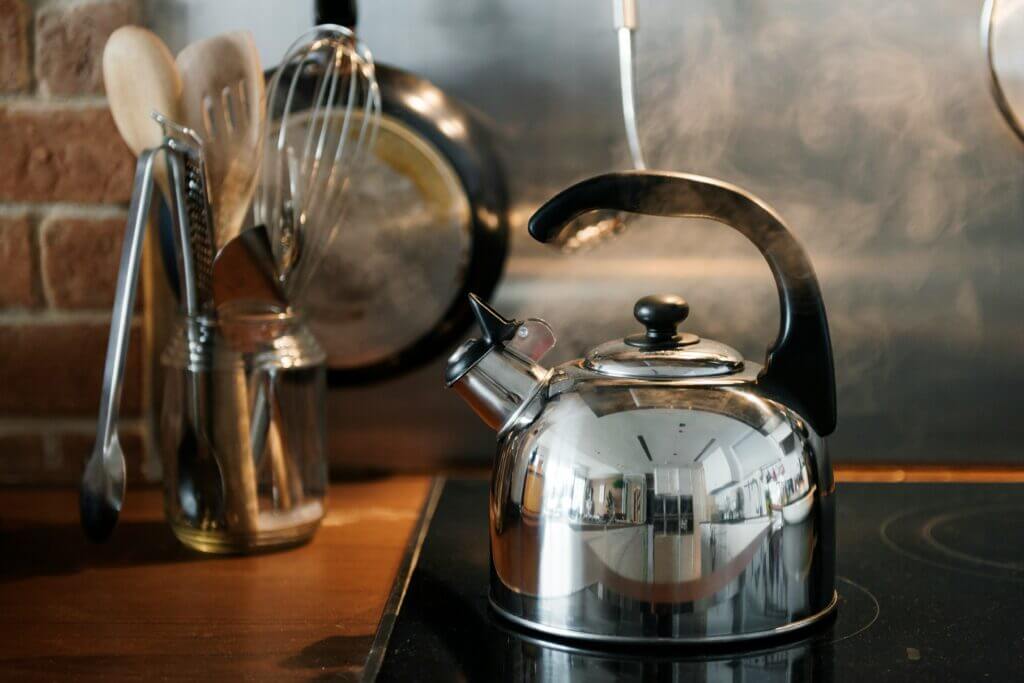
2. Flush With Boiling Water
Pour boiling water slowly into the drain to dissolve grease and loosen buildup. Avoid this step for PVC pipes or porcelain fixtures, which may crack.
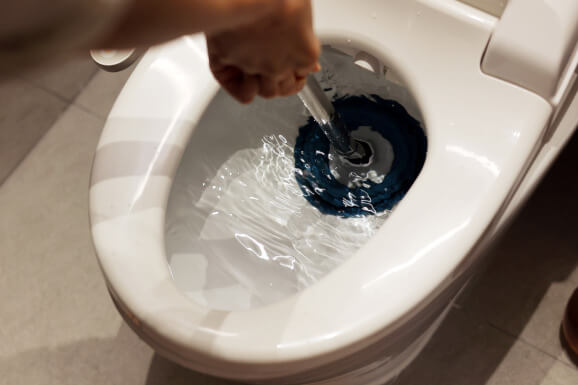
3. Use a Plunger
Place a plunger over the drain and ensure a tight seal. Pump firmly to create pressure that dislodges the clog. Repeat as needed.
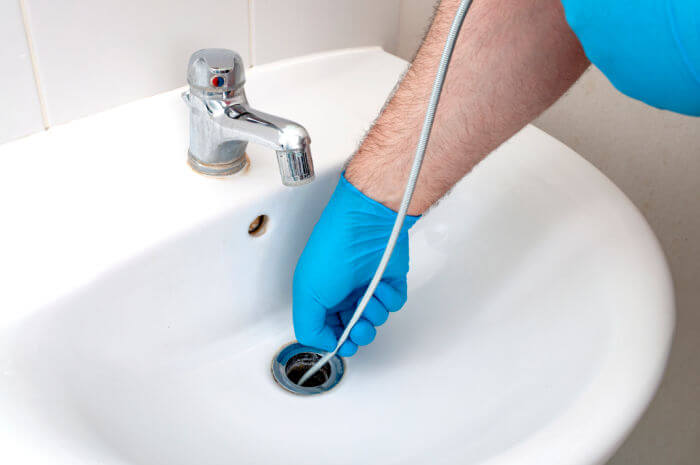
4. Use a Drain Snake
Insert a plumber’s snake into the drain to reach deeper clogs. Rotate the handle to break up the blockage, then pull out the debris.
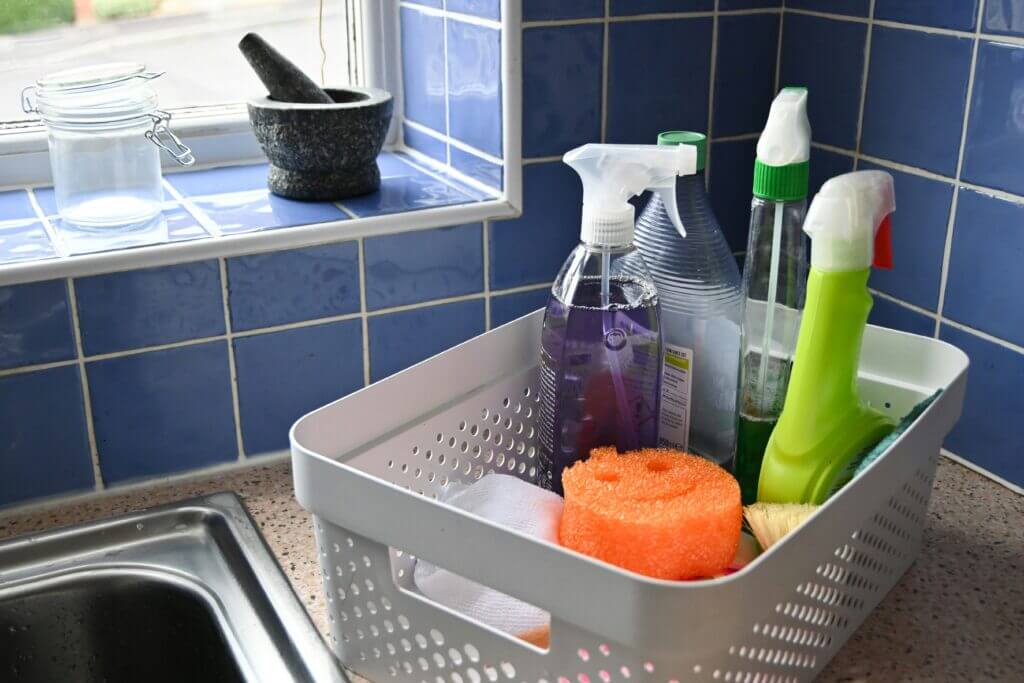
5. Use Chemical Cleaners Only as a Last Resort
Chemical drain cleaners can damage pipes if overused. Follow instructions carefully and flush the drain thoroughly after use.
Drain-Specific Prevention Tips
- Bathtubs and showers: Install a hair catcher and clean drains weekly.
- Kitchen sinks: Dispose of grease and food scraps in the trash, not the drain.
- Toilets: Flush only toilet paper and human waste.
- Outdoor drains: Clear debris after storms and inspect grates regularly.
When to Call a Professional Plumber
If DIY methods don’t work, it may be time to call a plumber. Frequent clogs, sewer backups, or standing water often indicate deeper pipe or sewer line issues that require professional equipment.
Clogged drains are common, but most can be handled with the right tools and approach. By identifying the drain type and following proper unclogging steps, you can prevent damage and keep your plumbing system working efficiently. For severe or recurring clogs, contact a professional plumber to resolve the issue safely and completely.
Find the Right Contractor for Your Plumbing Project
Whether you’re ready to begin your project now or need some expert advice, our network of contractors are here to help. With a few simple questions, we’ll find the best local professionals for you