
Home Improvement
Home Remodeling Guide
What Is a Home Remodeling Contractor?
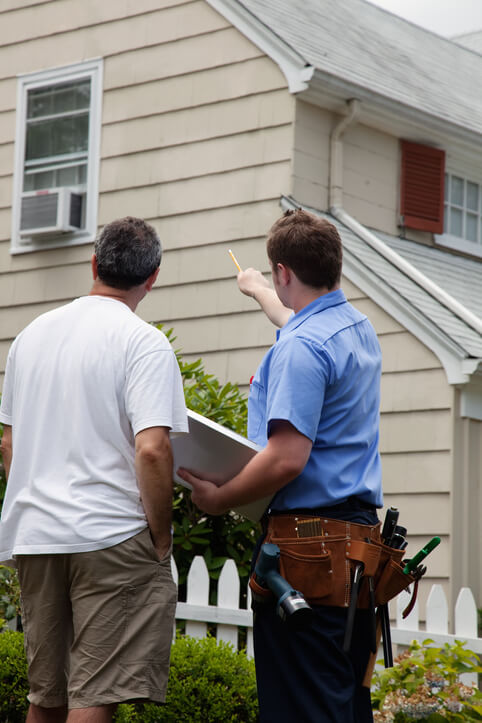
Home remodeling contractors, also referred to as general contractors, are professionals responsible for managing and overseeing home renovation projects from start to finish. Their primary goal is to ensure that the project is completed efficiently, on budget, and in compliance with local building codes. Contractors handle tasks like hiring subcontractors, sourcing materials, and ensuring quality workmanship. They play a crucial role in transforming your home improvement vision into a reality while alleviating the stress of managing the process yourself.
Understanding the Role of a Home Remodeling Contractor
General contractors oversee all aspects of a remodeling project to ensure a smooth and successful outcome. Here’s a breakdown of their key responsibilities:
Project Management
Contractors handle scheduling, assigning tasks, and ensuring the project stays on track. They coordinate timelines and address any obstacles to keep the work progressing efficiently.
Coordination of Subcontractors
From plumbers to electricians to painters, contractors hire and manage subcontractors for specialized tasks. This ensures each component of the project is handled by a licensed professional.
Budget Management
Contractors estimate costs, source materials at competitive rates, and manage expenses to keep the project under budget. They proactively communicate with homeowners to address any financial concerns.
Permit Navigation
Most remodeling projects require permits to comply with local building codes. Contractors handle the permitting process, ensuring the work meets all necessary regulations.
Frequently Asked Questions
Types of Home Remodeling Projects
Home remodeling encompasses a diverse array of projects designed to enhance functionality, aesthetics, and value. Below are the main types of projects:
- Whole Home Renovations: These projects typically involve updating multiple rooms, addressing structural changes, and modernizing the design. They may include replacing flooring, updating plumbing and electrical systems, and enhancing overall energy efficiency. These are often undertaken to increase a home’s value or adapt it to new lifestyles.
- Room Additions: Expanding your living space by adding new rooms or extending existing ones. This could involve creating an additional bedroom, expanding a kitchen, or even adding a second story. Room additions often require substantial planning, structural work, and permitting.
- Kitchen and Bathroom Renovations: Focused on improving two of the most utilized spaces in a home, these projects range from simple upgrades like new countertops or fixtures to full remodels involving layout changes, custom cabinetry, and high-end appliances.
- Basement and Attic Conversions: Unused spaces like basements and attics can be transformed into livable areas such as home offices, gyms, or entertainment rooms. These conversions often include insulation, flooring, and proper ventilation to make the space comfortable.
- Exterior and Landscape Projects: From new decks and patios to comprehensive landscaping and outdoor kitchens, exterior projects enhance curb appeal and create inviting outdoor living areas. These can also include adding or upgrading garages, sheds, or other outbuildings.
Frequently Asked Questions
Choosing the Right Contractor for Your Remodel
Selecting the right contractor is critical for a successful remodeling project. A good contractor will bring expertise, communication, and reliability to the table. Here’s how Modernize can help:
Modernize connects homeowners with vetted and reliable home remodeling contractors tailored to their specific project needs. By using Modernize, you can compare contractors in your area based on reviews, pricing, and experience, ensuring you find the right fit for your project. Modernize also provides resources and guidance to help you make informed decisions, saving you time and reducing stress.
When choosing a contractor, look for someone who:
- Has a proven track record of completing similar projects.
- Is licensed and insured in your area.
- Communicates effectively and is responsive to your questions.
- Offers a detailed estimate and timeline for your project.
Frequently Asked Questions
Key Elements of Home Remodeling Projects
Home remodeling projects typically involve a combination of structural work, functionality upgrades, and design enhancements. These elements are critical to ensuring the success of your remodel:
- Structural Improvements: Updates to the foundation, walls, or framing ensure the home remains safe and stable during and after the remodel. This is especially important for room additions or projects that alter layouts.
- Plumbing and Electrical Upgrades: These essential systems are often updated to accommodate modern fixtures, appliances, and increased energy efficiency. For example, upgrading to energy-efficient lighting or adding new water-saving fixtures can save money over time.
- Finishes and Fixtures: From countertops and flooring to light fixtures and cabinetry, the finishes selected for a remodel define the final aesthetic and functionality of the space. Choosing durable, high-quality materials ensures longevity and style.
- Energy Efficiency Enhancements: Incorporating energy-efficient windows, insulation, and HVAC systems can reduce energy bills and increase the home’s overall value.
Home Remodeling Costs
Remodeling costs vary significantly based on the scope of work, materials used, and location. Here’s a closer look at common project costs:
- Whole Home Renovations ($50,000 – $150,000): Comprehensive updates that involve multiple rooms and significant structural changes. Costs can escalate depending on high-end materials or custom designs. Renovations that include energy-efficient upgrades may qualify for rebates, offsetting some expenses.
- Room Additions ($20,000 – $75,000): Adding a new room or expanding existing spaces often involves structural updates, electrical work, and finishing costs. Projects like adding a second floor or a custom-built sunroom can push costs toward the higher end.
- Kitchen Remodels ($12,000 – $40,000): Costs range based on the extent of changes, from minor upgrades like new countertops to complete layout redesigns with custom cabinetry and high-end appliances. Energy-efficient appliances may increase upfront costs but save money in the long run.
- Bathroom Remodels ($6,000 – $25,000): Simple updates like new fixtures and tile are on the lower end, while luxury remodels with custom vanities, walk-in showers, and spa features drive up costs. Water-saving fixtures may qualify for rebates, reducing the overall cost.
- Exterior and Landscaping Projects ($5,000 – $50,000): Smaller projects like adding a deck are more affordable, while comprehensive landscaping or outdoor living areas with kitchens and fire pits can cost significantly more.
Be sure to set aside a contingency budget for unexpected costs, such as structural repairs or material delays.
How to Maintain Your Newly Remodeled Home
Keeping your remodeled home in top shape ensures its functionality and value over time. Regular maintenance is key to preserving the quality of the work and preventing costly repairs.
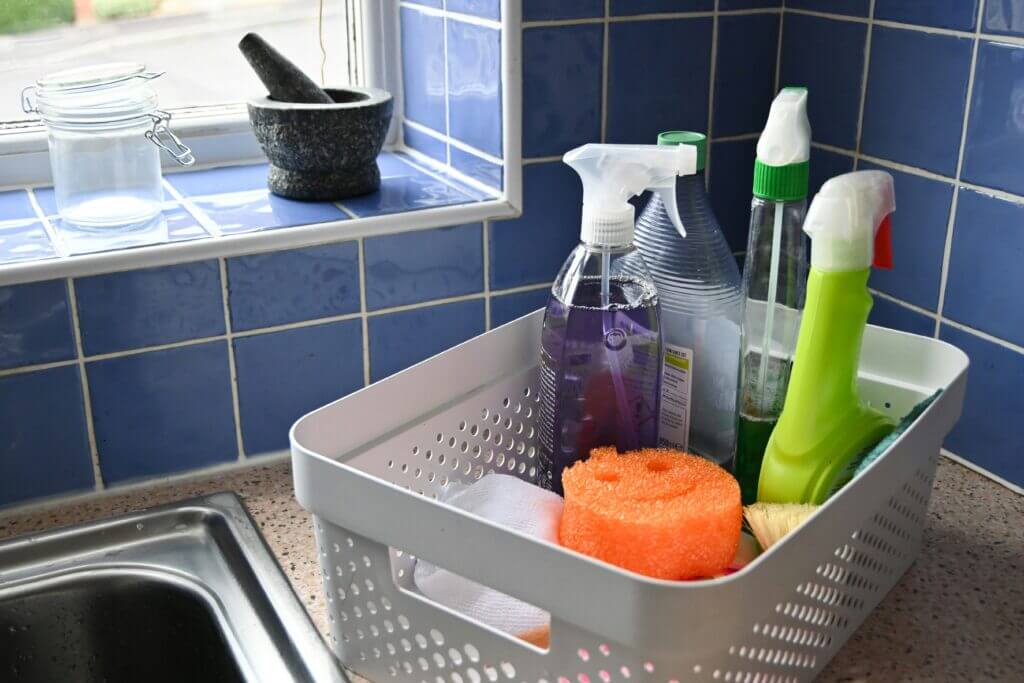
Start by scheduling regular inspections to check for signs of wear and tear, especially in high-traffic areas like kitchens and bathrooms. Pay attention to plumbing and electrical systems, ensuring no leaks or faulty wiring have developed. Consistently clean and care for surfaces like countertops, flooring, and cabinetry to prevent damage from daily use.
If issues arise, address them promptly to avoid more significant problems. For instance, a small water leak can lead to extensive damage if left unchecked. Additionally, establish a maintenance schedule for major systems, such as HVAC units, which may need professional servicing annually to stay in optimal condition.
By staying proactive and attentive, you can enjoy the benefits of your remodeled space for years to come.
What to Do After Your Remodel
Once your remodeling project is complete, take these steps to ensure long-term satisfaction:
- Inspect the Work: Review the project with your contractor to confirm it meets expectations.
- Understand Warranties: Keep warranty details for materials and workmanship for future reference.
- Schedule Maintenance: Plan regular upkeep to maintain your new spaces.
- Keep Contacts Handy: Save your contractor’s information for potential future projects or repairs.
Ready to get your project started?
Let us find the best Home Improvement pros in your area, then easily request quotes, book a contractor, and get the job done. It’s that easy.

Homeowner Resources
Here are the top articles that homeowners found useful when planning their Home Improvement project and navigating the contractor hiring process.
Real Stories, Real Success
See how our solutions empower homeowner projects and experiences.