
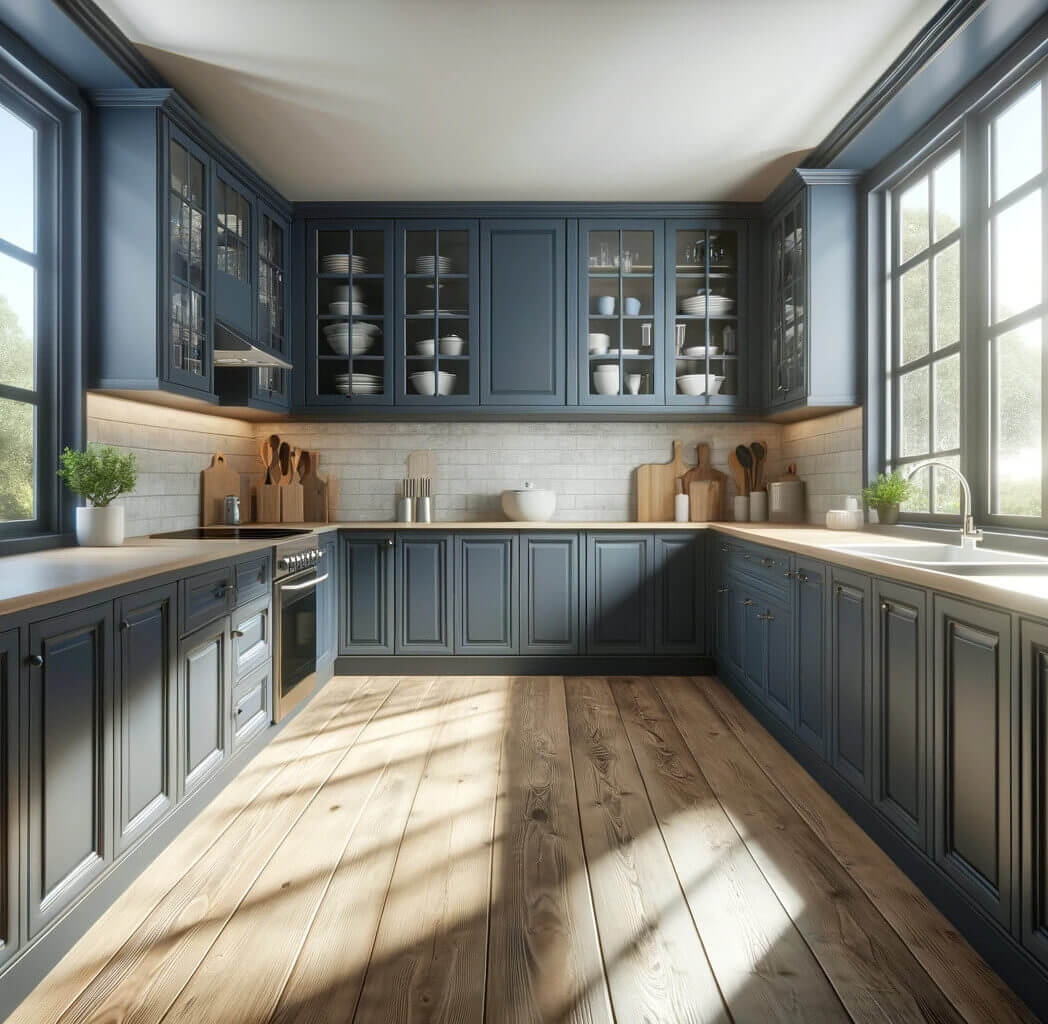
Cabinets
Everything You Need to Know About Cabinets
Cabinet Remodel Overview
A cabinet remodel is one of the most impactful ways to update your home’s appearance, improve organization, and increase overall value. From kitchens and bathrooms to laundry rooms, hallways, garages, and home offices, cabinets play a major role in how your spaces look and function every day.
Whether you’re modernizing outdated cabinetry, adding storage, or reworking layouts to better fit your lifestyle, today’s cabinet options offer solutions for nearly every space and budget. You can choose from affordable stock cabinets, semi-custom designs, or fully custom builds made to fit unique layouts and storage needs.
This guide walks you through everything you need to know about cabinet remodeling — including costs, cabinet types, materials, styles, installation tips, and maintenance — so you can make confident, informed decisions for any area of your home.
What Is a Cabinet Remodel?
A cabinet remodel involves updating, replacing, or enhancing cabinets throughout your home to improve both function and aesthetics. Cabinets aren’t just storage — they influence how efficiently a room works, how organized it feels, and how polished it looks.
Depending on your goals and the condition of your existing cabinets, a remodel may include:
- Full cabinet replacement
- Refacing or resurfacing existing cabinets
- Updating doors, drawer fronts, finishes, or hardware
- Adding custom storage features or built-ins
Common cabinet materials include solid wood, MDF, plywood, laminate, and thermofoil, each offering different advantages in durability, maintenance, and design flexibility. Whether you’re refreshing one room or upgrading multiple spaces, a cabinet remodel is a versatile home improvement that delivers long-term value.
Where Can Cabinets Be Installed in a Home?
Cabinets aren’t limited to kitchens. They can be installed or upgraded in nearly any space where storage, organization, or built-in design is needed.
Common areas for cabinet remodeling include:
- Kitchens: Storage for cookware, food, and appliances
- Bathrooms: Vanities, linen storage, and wall cabinets
- Laundry Rooms: Utility cabinets, folding stations, and overhead storage
- Hallways and Mudrooms: Shoe storage, coat cabinets, and built-in benches
- Home Offices: File storage, shelving, and desk-integrated cabinetry
- Living Rooms: Media cabinets, bookshelves, and display units
- Bedrooms and Closets: Wardrobes, dressers, and custom closet systems
- Garages: Durable cabinets for tools, supplies, and organization
Each space has different functional needs, so cabinet materials, construction, and finishes should be chosen based on moisture levels, usage frequency, and storage demands.
How Does a Cabinet Remodel Work?
A cabinet remodel typically starts with a key decision: update existing cabinets or replace them entirely.
Refacing or resurfacing keeps the existing cabinet boxes in place while updating visible surfaces like doors, drawer fronts, veneers, and hardware. This option works well when cabinets are structurally sound and the current layout still meets your needs.
Full replacement involves removing existing cabinets and installing new ones. While more time-intensive and costly, replacement allows for complete customization, layout changes, and improved storage solutions.
Here’s how the process usually unfolds:
- Assess the Space: Identify which rooms need cabinetry updates and how the space is used.
- Plan the Layout: Decide whether to keep the existing configuration or redesign for better flow and storage.
- Measure Carefully: Accurate measurements are critical, especially for custom or DIY installs.
- Choose Materials and Finishes: Select cabinet construction, door styles, colors, and hardware that suit the room and your budget.
- Install the Cabinets: DIY installation can reduce costs, but professional installation ensures proper alignment, durability, and finish quality.
Frequently Asked Questions
What Are the Different Cabinet Types?
Cabinets come in a wide range of styles and construction types, each offering unique advantages depending on your design preferences, storage needs, and budget. Whether you’re going for a clean, modern look or a more traditional feel, the right cabinet type can completely transform your space. Here’s a breakdown of the most common cabinet styles and what makes each one stand out.
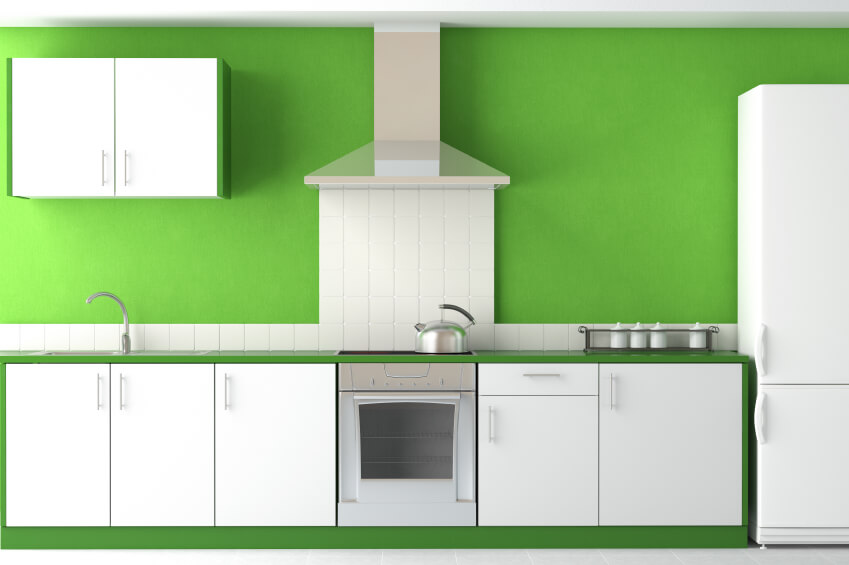
Cabinet Construction Styles
- Framed Cabinets: These feature a face frame around the front of the cabinet box, giving them a sturdy, traditional look. They’re popular in American kitchens and work well in classic or transitional spaces.
- Frameless Cabinets (European Style): Built without a face frame, these cabinets offer a sleek, modern look with full-access interiors. They’re ideal for contemporary kitchens and smaller spaces where every inch counts.
Popular Cabinet Door Styles
- Shaker: One of the most popular choices, Shaker cabinets have a clean, timeless design with a recessed center panel. They’re incredibly versatile and fit well in both modern and traditional homes.
- Flat-Panel (Recessed): Known for their simple, minimalist look, flat-panel doors are great for modern or transitional kitchens. They’re clean, subtle, and easy to maintain.
- Raised Panel: These feature a raised center and decorative edges for added depth and detail. Raised panel doors are a go-to for more traditional, elegant kitchen designs.
- Slab: Slab doors are flat, smooth, and frameless — perfect for ultra-modern spaces. Their simple design creates a bold, streamlined look.
- Mullion: With glass inserts and decorative wood trim, mullion doors are often used for display cabinets. They add visual interest and are ideal for showcasing dishes or glassware.
Door Mounting Styles
- Full Overlay: The door almost completely covers the cabinet frame, giving your kitchen a seamless, polished look.
- Partial Overlay: A more traditional style where parts of the cabinet frame are still visible between doors.
- Inset: The door sits flush with the cabinet frame, offering a clean, built-in appearance. This high-end option requires precise craftsmanship but delivers a refined finish.
With so many cabinet types to choose from, it’s easy to find a style that fits your home’s look and your personal taste. Whether you’re upgrading for function, fashion, or both, the right cabinet style can make all the difference.
Frequently Asked Questions
Cabinet Materials Explained
Choosing the right cabinet material affects durability, cost, maintenance, and appearance.
- Solid Wood: Durable, customizable, and timeless, but higher in cost.
- MDF (Medium-Density Fiberboard): Smooth, affordable, and ideal for painted cabinets.
- Plywood: Strong, lightweight, and moisture-resistant.
- Particleboard: Budget-friendly but less durable.
- Laminate: Easy to clean and available in many finishes.
- Thermofoil: Vinyl-coated MDF with a smooth, modern appearance.
Each material offers trade-offs, so selection should reflect how the cabinets will be used and the conditions of the space.
Choosing the Right Cabinet for Your Home
There are four main cabinet categories based on customization and price:
- Stock Cabinets: Affordable, pre-made, and quick to install.
- Semi-Custom Cabinets: More flexibility in size, materials, and finishes.
- Custom Cabinets: Fully tailored to your space and storage needs.
- Ready-to-Assemble (RTA) Cabinets: DIY-friendly and cost-effective.
Working with a professional designer or contractor can help ensure proper sizing, layout, and material selection — especially for multi-room projects.
Common Components of a Cabinet Remodel
A cabinet remodel can range from a full tear-out and replacement to a more budget-friendly update like resurfacing or refinishing. The right approach depends on your goals, budget, and whether your existing cabinet boxes are still in good shape. Homeowners can tackle parts of the process themselves, like repainting or swapping hardware, but full replacements or layout changes are usually best left to professionals for proper fit and finish.
Here’s a quick overview of the most common components involved:
- Cabinet Boxes: The structural shell of your cabinets. If these are sturdy and well-positioned, you may be able to keep them and simply reface or refinish the doors and exteriors.
- Cabinet Doors and Drawer Fronts: These make the biggest visual impact and are often replaced or updated during a remodel. Popular styles include shaker, slab, and raised panel.
- Hardware: Swapping out handles, knobs, hinges, and slides can instantly refresh your cabinets and improve functionality.
- Finish Treatments: Painting, staining, or applying a veneer can give cabinets a whole new look without full replacement.
- Crown Molding or Trim: These finishing details help integrate your cabinets with the rest of the room and add a polished, custom look.
If you’re after a complete transformation or need to change the layout, full replacement is the most effective, though also the most costly. For cosmetic updates, refinishing or resurfacing can offer a dramatic improvement at a fraction of the price.
Cabinet Remodel and Installation Costs
The average cost for a full cabinet remodel in the U.S. is around $7,500, with most projects falling between $4,000 and $12,000. Pricing depends on several factors — including the size of your kitchen, the materials used, cabinet construction type, and whether you’re installing stock, semi-custom, or custom cabinetry. The more cabinets you need, the higher your overall cost will be.
Here’s what you can expect based on different project levels:
- Low-End Project: Replacing 10 to 15 linear feet of stock cabinets from a home improvement store with basic hardware and finishes may cost around $4,000 to $5,500.
- Mid-Range Project: Installing 20 to 25 linear feet of semi-custom cabinets with upgraded wood species, soft-close hardware, and moderate customization typically runs $7,500 to $9,500.
- High-End Project: A full custom cabinet installation with 30+ linear feet, premium hardwoods, crown molding, in-cabinet organizers, and specialty hardware can easily exceed $15,000.
For those seeking a lower-cost alternative, cabinet refacing can cut expenses nearly in half, usually ranging from $6,800 to $13,500 for 30 linear feet. Refacing involves applying wood veneer or laminate to existing cabinet boxes and replacing doors, drawer fronts, and hardware. It’s a smart option if your cabinet boxes are in good condition and you don’t need to change the layout.
Hardware choices like hinges, drawer slides, and decorative pulls can also affect your overall cost. High-end hardware and organizational add-ons can add $100 or more per cabinet, so be sure to factor those upgrades into your budget.
How to Maintain Your Cabinets
Proper maintenance can extend the life of your cabinets and keep them looking fresh for years. Whether you’ve invested in new custom cabinetry or given your old ones a facelift, regular care helps prevent wear, damage, and discoloration from daily use. The key is staying on top of small issues before they become big repairs.
Here are a few simple cabinet maintenance tips:
- Clean Regularly: Wipe down cabinet surfaces with a soft cloth and mild soap. Avoid harsh chemicals or abrasive scrubbers that can damage finishes.
- Check for Moisture Damage: Keep cabinets dry, especially near sinks and dishwashers. Wipe up water spills immediately to avoid warping or staining.
- Tighten Hardware: Periodically check hinges, handles, and knobs for looseness, and tighten screws as needed.
- Inspect Door Alignment: If cabinet doors start to sag or misalign, adjust the hinges to keep them closing properly.
- Use Shelf Liners: Add liners to shelves and drawers to protect surfaces from spills, scratches, and everyday wear.
- Avoid Slamming Doors and Drawers: Install soft-close mechanisms or remind household members to close cabinets gently to avoid long-term damage.
- Polish Wood Finishes: Use a wood-safe polish occasionally to enhance shine and protect the cabinet’s surface from fading or drying out.
Common Issues and Troubleshooting Tips for Your Cabinet Remodel
Even with the best planning, cabinet remodels can come with unexpected hiccups. Whether you’re doing a full replacement or simply refacing your existing cabinets, being aware of common issues, and how to handle them, can help keep your project on track and within budget.
Here are some frequent problems and ways to troubleshoot them:
- Misaligned Doors or Drawers: Over time or during installation, cabinet doors and drawers may not line up properly. Most hinges and drawer glides are adjustable. A few simple turns of a screwdriver can often fix spacing, alignment, or closing issues.
- Finish Peeling or Chipping: This is common with thermofoil or painted cabinets, especially in high-moisture areas. Use touch-up kits for small chips, and ensure proper ventilation around heat sources like ovens or dishwashers to prevent future damage.
- Measurement Mistakes: One of the most costly issues in a remodel is ordering the wrong cabinet size. Double-check all dimensions, including appliance clearances and wall lengths, or have a professional take measurements to avoid installation delays.
- Delivery Delays or Damage: Cabinet components can arrive late or damaged — especially custom orders. Always inspect deliveries promptly and report any issues to the supplier. Ordering a few weeks ahead of your install date can also help build in buffer time.
- Uneven Installation or Gaps: Improper leveling during install can cause cabinets to tilt or leave uneven gaps. Using a level throughout the process, or hiring a pro installer, ensures a flush, seamless result.
Taking the time to plan carefully, measure accurately, and work with experienced professionals can help you avoid most remodeling pitfalls, or at least be ready to solve them quickly when they arise.
Environmental Impact of a Cabinet Remodel
If you’re looking for a more sustainable option, consider cabinets made from eco-friendly materials like bamboo, reclaimed wood, or low-VOC finishes. These choices not only reduce your environmental impact but can also lead to long-term savings by improving durability and indoor air quality. While most cabinet remodels don’t qualify for federal tax credits, some state and local programs may offer rebates or incentives if you’re incorporating energy-efficient features or sustainable materials into your remodel. Before starting your project, check with your local utility provider or contractor to explore available savings and assess your long-term return on investment.
What to Do After Installing or Replacing Cabinets
After your cabinet remodel is complete, take a few simple steps to protect your investment. Start by inspecting the cabinets closely. Check that all doors and drawers open smoothly, hardware is secure, and there are no scratches or defects. If anything looks off, contact your installer promptly. Most pros offer a brief window for adjustments or touch-ups.
Once you’re happy with the installation, review your product warranties and care instructions. Save your paperwork in one place and jot down any recommended maintenance timelines. Routine care — like gentle cleaning, avoiding excess moisture, and tightening loose screws — will keep your cabinets looking and functioning their best. If possible, schedule a follow-up with your installer to ask any lingering questions or fine-tune the fit. Knowing how to properly care for your new cabinets helps extend their lifespan and keeps them looking great for years to come.
Ready to get your project started?
Let us find the best Cabinet pros in your area, then easily request quotes, book a contractor, and get the job done. It’s that easy.

Real Stories, Real Success
See how our solutions empower homeowner projects and experiences.