
Why Tariffs Matter for Home Renovation Costs
Home renovation projects across the U.S. can get more expensive in 2026, and not just because of labor costs or inflation. A mix of ongoing and newly expanded tariffs on imported building materials continues to affect the price of common upgrades, from roofing and windows to plumbing, electrical work, HVAC replacements, and full-scale kitchen remodels. If you’re planning a home improvement project, it’s important to understand how tariffs may affect your budget and renovation timeline.
Tariffs are taxes imposed on imported goods. In recent years, they’ve targeted materials critical to the home improvement industry, including steel and aluminum, softwood lumber, and a wide range of manufactured components (especially those sourced from China). These tariffs can raise the cost of raw materials and finished products, which often trickles down to contractors and ultimately to homeowners. Many contractors build potential tariff-driven price swings into quotes, especially for projects with long lead times or lots of materials.
Home Improvement Projects Most Affected by Tariffs
Not every part of a renovation is affected equally. Some projects are more exposed to tariff-driven price changes, particularly those that rely heavily on imported steel, aluminum, electronics, and lumber. Below are the project types where homeowners are most likely to see higher material costs and longer lead times.
| Project Type | Key Tariff-Affected Materials/Components | Estimated Tariff Impact |
|---|---|---|
| Roofing | Steel nails, aluminum flashing/gutters, Canadian softwood lumber | 10% to 60% tariffs |
| Windows & Siding | Aluminum extrusions, steel reinforcements, imported hardware & locks | 10% to 25% tariffs |
| HVAC Systems | Steel cabinets, aluminum fins, copper tubing, electronic parts | 10% to 25% tariffs |
| Solar Panel Installations | Solar panels, aluminum racking, inverters, electronics | 21% to 254% tariffs |
| Plumbing & Electrical | Steel/cast iron pipes, fixtures, conduits, panels, breakers | 10% to 235% tariffs |
| Cabinets & Remodel Materials | Imported cabinets, appliances, tile, lighting, countertops | 4.37% to 260%+ tariffs |
| Garage Doors & Insulation | Steel/aluminum door components, imported openers, general materials | 10% to 25% tariffs (limited) |
Roofing and Tariffs
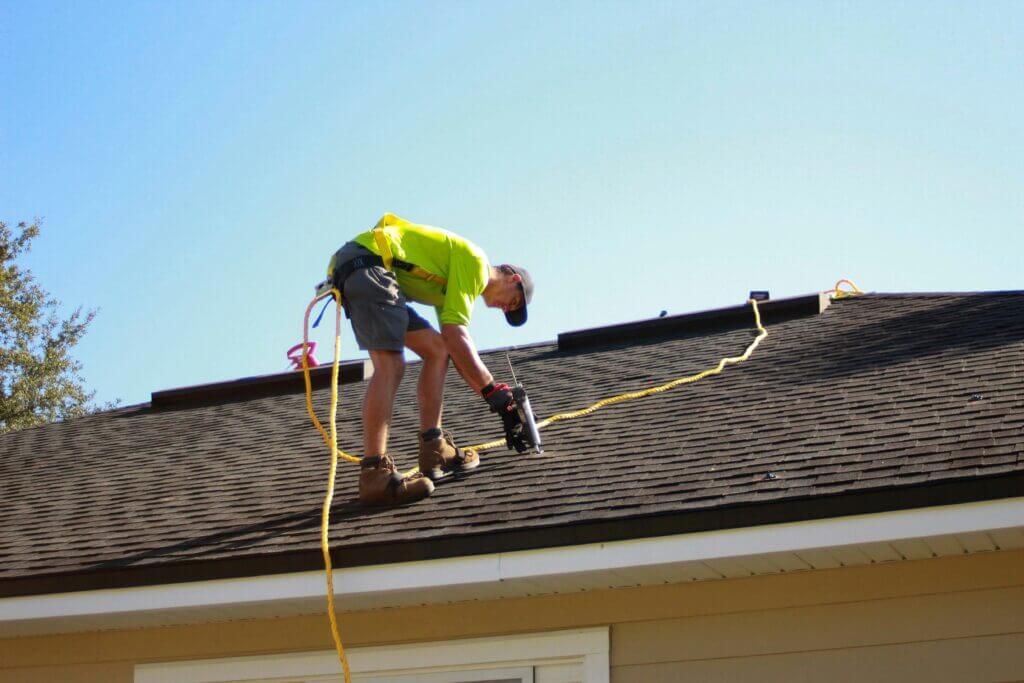
Roofing projects rely on materials and components commonly impacted by tariffs, including steel and aluminum parts. In 2026, many steel and aluminum imports are subject to elevated Section 232 tariffs (including steel and aluminum used in construction products and roofing accessories). That can affect the cost of items like fasteners, metal flashing, drip edge, roof vents, and aluminum gutters.
Roofing costs may also be affected by softwood lumber duties on Canadian imports, which can influence the price of roof decking and framing lumber. Because duty rates can vary by product and supplier, homeowners may see different impacts depending on where their contractor sources materials.
What homeowners may notice in 2026: higher material line items in estimates, more frequent “price valid until” deadlines on quotes, and longer lead times on certain metal components if suppliers shift sourcing.
How Tariffs Affect Windows & Siding Projects
Both window and siding projects can be affected by tariffs on aluminum, steel, and imported hardware. In 2026, elevated tariffs on steel and aluminum can raise costs for items like aluminum extrusions used in window frames, steel reinforcements, fasteners, and certain trim and flashing components. Many window subcomponents (locks, handles, balances, specialty coatings, and some insulated glass inputs) may also be sourced internationally, which can add cost pressure when tariffed supply chains are involved.
For siding, aluminum and steel siding are often more exposed to tariff-related pricing than other materials. Wood siding may also be impacted when lumber duties tighten supply or raise wholesale pricing. Vinyl siding is generally less directly exposed, but it can still see secondary price increases from imported additives, pigments, fasteners, and trim components.
The Impact of Tariffs on HVAC Installation and Repair
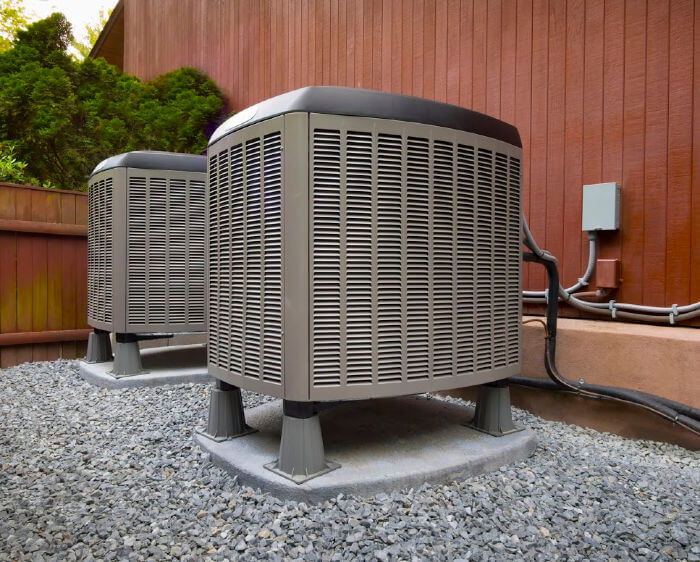
The HVAC industry is impacted by tariffs on both structural metals and electronic components. Many HVAC products use steel cabinets and frames, aluminum fins, copper tubing, and imported electronic parts (such as control boards and sensors). Elevated tariffs on steel and aluminum can influence unit and parts pricing, while tariffs on certain imported electronics and components (including many China-sourced items) can raise replacement-part costs.
As a result, homeowners may see higher pricing for air conditioners, heat pumps, and furnaces, plus potential lead-time issues for specific parts like compressors or motors depending on availability and sourcing.
Solar Panel Installations and Tariffs
Solar panel systems involve multiple tariff-affected components. In 2026, homeowners may still see price pressure from a combination of tariff programs that can apply to imported modules, cells, and related equipment. Depending on the country of origin and the specific product classification, duties on imported solar components can be significant (in some cases reaching very high rates).
In addition, solar installations often require aluminum racking and mounting hardware, plus inverters, wiring, and electronic controls that may be sourced internationally. When these inputs are tariffed, the added cost can show up in overall system pricing. The exact impact varies widely based on where the panels and components are manufactured and how suppliers structure their supply chains.
Tariff Impact on Plumbing & Electrical Projects
Plumbing systems rely on tariff-exposed materials such as steel and cast iron components, copper fittings, and imported fixtures. In 2026, pricing can be influenced by elevated tariffs on steel and aluminum, plus product-specific duties that apply to certain imported plumbing goods. Fixtures like faucets, showerheads, valves, and specialty fittings may also be affected when sourced from tariffed supply chains.
Plumbing appliance costs can be impacted as well, including water heaters, which may be affected by steel input costs and imported electronic controls.
Electrical projects are similarly exposed. Steel conduit, electrical panels, breakers, wiring, and lighting can be affected when tariffs increase the cost of metals or imported components. Many electrical parts include electronics (such as circuit boards, LED components, and smart controls), which can add cost pressure when sourced from tariffed categories.
Other Home Improvement Services
Additional project types affected by tariffs include:
- Garage Doors: Steel panels, aluminum trim, tracks, and opener components may see higher costs when metal tariffs and imported electronics increase pricing.
- Insulation: Insulation itself is typically less directly impacted, but broader building material inflation and supply constraints can still raise installed costs.
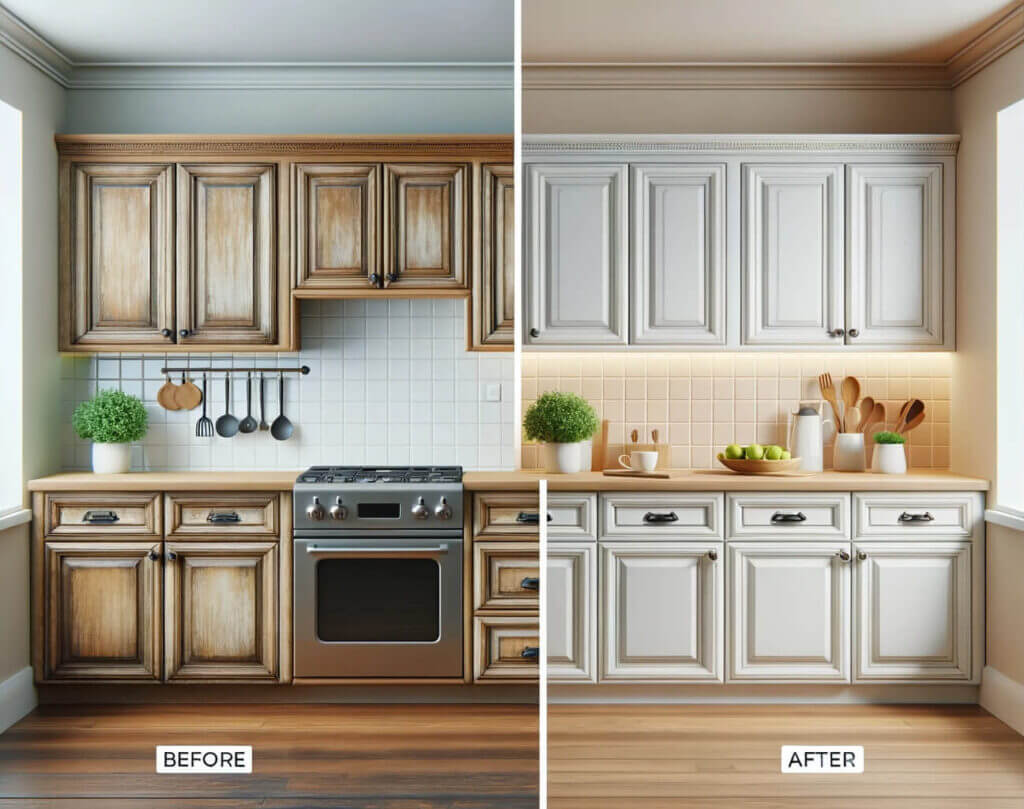
- Cabinets: Imported cabinets and vanities can be affected by trade actions and tariffs that may remain in place or change over time. In late 2025, a planned increase for certain imported cabinetry products was delayed, but elevated tariff risk still affects pricing and sourcing decisions for 2026 remodels.
- Kitchen & Bathroom Remodels: These projects combine many tariff-sensitive materials — tile, lighting, appliances, fixtures, cabinetry, countertops, and hardware — so even modest increases across multiple categories can raise total project costs.
How Homeowners Can Prepare for Rising Renovation Costs
If you’re planning a home renovation, here are a few ways to anticipate and offset tariff-related price increases while keeping your project on track:
- Request Detailed, Itemized Quotes Early: Ask contractors to break out material and labor costs so you can see which line items may be most sensitive to price changes.
- Ask About Price Holds and Escalation Clauses: Many contractors and suppliers use “price valid until” deadlines or escalation language for tariff-sensitive materials. Understanding this upfront can prevent surprises.
- Explore Alternative Materials or Suppliers: Domestic manufacturers or suppliers from lower-duty countries may offer comparable products at a different price point.
- Consider Purchasing or Reserving Materials Early: For large projects or multiple upgrades, locking in key items (windows, HVAC equipment, cabinets, specialty fixtures) can help reduce exposure to sudden increases.
- Factor in Longer Lead Times: Tariff-affected materials can face supply-chain shifts and import delays. Build flexibility into your timeline to avoid project stalls.
- Ask About Financing Options: With material costs climbing, many contractors offer promotional financing programs that can help spread payments over time.
- Communicate Closely With Your Contractor: Stay informed about availability, substitutions, and potential cost changes. Being flexible on brands, finishes, or sourcing can help keep your project moving.
Find the Right Contractor for Your Home Improvement Project
Whether you’re ready to begin your project now or need some expert advice, our network of contractors are here to help. With a few simple questions, we’ll find the best local professionals for you