HVAC
How Much Does it Cost to Replace Your AC Compressor?
Average Cost: $1,200 – $2,600
Replacing your AC compressor usually costs between $1,200 and $2,600, depending on the size of your system. This price range includes both parts and labor. Your final cost can vary based on factors like the system’s tonnage, the type of compressor, and how complex the installation is. Understanding these variables can help you plan ahead and make confident decisions about your home’s cooling system.
Find the best AC compressor pros in your area.

The Modernize Mission
We help homeowners make confident decisions through our reliable, up-to-date, and unbiased information and average project costs. All of our content is thoroughly reviewed and fact-checked by our team of home improvement experts. Learn more about how we maintain these values.
Table of Contents
- What to Know About AC Compressor Replacement Costs
- What Affects AC Compressor Replacement Costs?
- Repair vs. Replacement: Which Option Saves More Money?
- How Warranty Coverage Can Lower Your Costs
- Signs Your AC Compressor May Need Replacement
- What an AC Compressor Does
- Tips to Help Lower AC Compressor Costs
- Frequently Asked Questions
What to Know About AC Compressor Replacement Costs
Replacing the compressor in your central air conditioning system can be a major expense, but it may be necessary to keep your home cool and energy efficient. In most cases, homeowners pay between $1,200 and $2,600 for AC compressor replacement, including parts and labor. Understanding what affects your total cost can help you compare quotes, plan your budget, and decide whether repair or full system replacement makes more sense.
| Cost Category | Typical Price Range |
|---|---|
| AC Compressor (Parts Only) | $800 to $1,800 |
| Labor (4 to 6 Hours) | $300 to $800 |
| Total Replacement Cost | $1,200 to $2,600 |
What Affects AC Compressor Replacement Costs?
Replacing an AC compressor is not a one-size-fits-all project. Several factors can raise or lower your final price, and knowing what to expect can help you avoid surprises when reviewing contractor estimates.
- System Size and Cooling Capacity: Larger AC systems need more powerful compressors, which usually cost more to buy and install. Compressors for 3- to 5-ton systems are generally more expensive than those used in smaller units.
- Compressor Type: Scroll and rotary compressors are common in residential systems. Variable-speed compressors typically cost more upfront, but they may improve energy efficiency over time.
- Brand and Parts Availability: Some brands charge more for replacement parts. Premium brands may also come with longer warranties or better long-term reliability.
- Refrigerant Type: Older systems that use R-22 can be more expensive to repair because that refrigerant has been phased out. Newer systems that use R-410A are usually easier and less expensive to service.
- Labor and Installation Complexity: Most compressor replacements take about four to six hours, but hard-to-access systems or units that need added repairs can increase labor costs.
The size of your home also affects your overall air conditioning costs because larger homes usually need larger systems and larger compressors. A local HVAC contractor can confirm the correct size and help you avoid paying for the wrong replacement part.
The size of your home also affects your overall air conditioning costs because larger homes usually need larger systems and larger compressors. A local HVAC contractor can confirm the correct size and help you avoid paying for the wrong replacement part. You can estimate your system needs with an AC size calculator.
Repair vs. Replacement: Which Option Saves More Money?
When a compressor fails, one of the biggest questions is whether it is worth the cost of AC repair or if you should install a new air conditioner. The right choice depends on your system’s age, warranty status, and how much you would spend on repairs compared to a full replacement.
- Age of the System: If your air conditioner is more than 15 years old, replacing the full system may be a better long-term investment. Learn more about AC lifespan here.
- Repair Cost Compared to New Installation: If compressor replacement costs more than 50% of the price of a new system, full replacement is often the more cost-effective option.
- Energy Efficiency: Newer systems often run more efficiently, which may help lower monthly energy bills.
- Warranty Coverage: If the compressor is still under warranty, repair may be the more affordable short-term solution.

If your air conditioner is older, needs frequent repairs, or uses outdated refrigerant, replacing the full system may save more money over time. If your system is newer and otherwise in good shape, compressor replacement may still be the smarter move.
How Warranty Coverage Can Lower Your Costs
Before you pay for a new compressor, check whether your air conditioner is still under warranty. Many central air systems include a limited parts warranty, which may cover the compressor itself and leave you responsible only for labor and installation costs.
Most manufacturers offer warranties lasting 10 to 15 years, but terms vary by brand and model. To keep your warranty valid, make sure you:
- Register your system soon after installation.
- Keep up with regular maintenance from a licensed technician.
A valid warranty can significantly reduce your out-of-pocket cost. If your compressor is covered, you may avoid paying for the replacement part entirely. If the warranty has expired, you will likely be responsible for the full replacement cost.
Signs Your AC Compressor May Need Replacement
If your air conditioner is not cooling your home as it should, the compressor could be part of the problem. Catching the warning signs early may help you prevent a complete breakdown or reduce the risk of added damage to the system.
- Warm Air From Vents: If the system runs but blows warm air, the compressor may not be circulating refrigerant properly.
- Frequent Breaker Trips: A failing compressor can overwork your system and repeatedly trip the circuit breaker.
- Strange Noises: Grinding, rattling, or hissing sounds from the outdoor unit may point to internal compressor damage.
- Weak Airflow or Poor Cooling: If your system struggles to cool your home, the compressor may be underperforming.
If you notice one or more of these issues, a licensed HVAC technician can inspect the system and confirm whether the compressor needs repair or replacement.
What an AC Compressor Does
The AC compressor is the heart of your cooling system. It moves refrigerant between the indoor and outdoor units, helping remove heat from inside your home and release it outside. Because it plays such a central role in the cooling process, it is also one of the most important parts to keep in good working condition.
How an AC Compressor Works
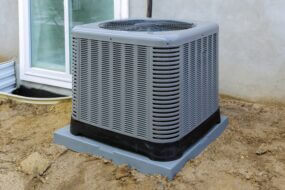
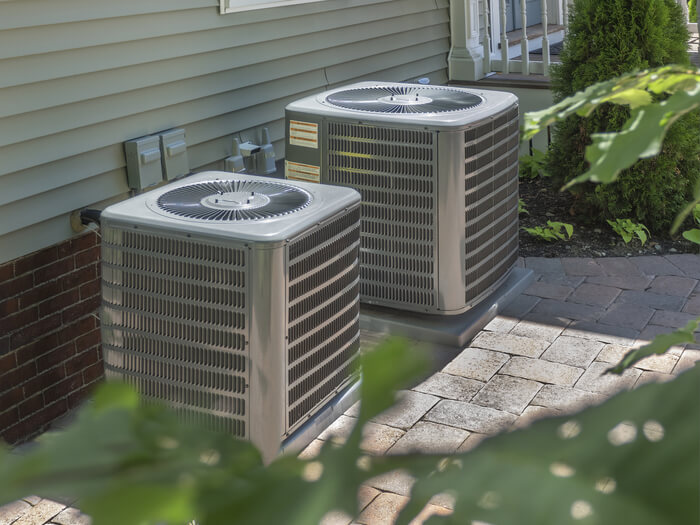
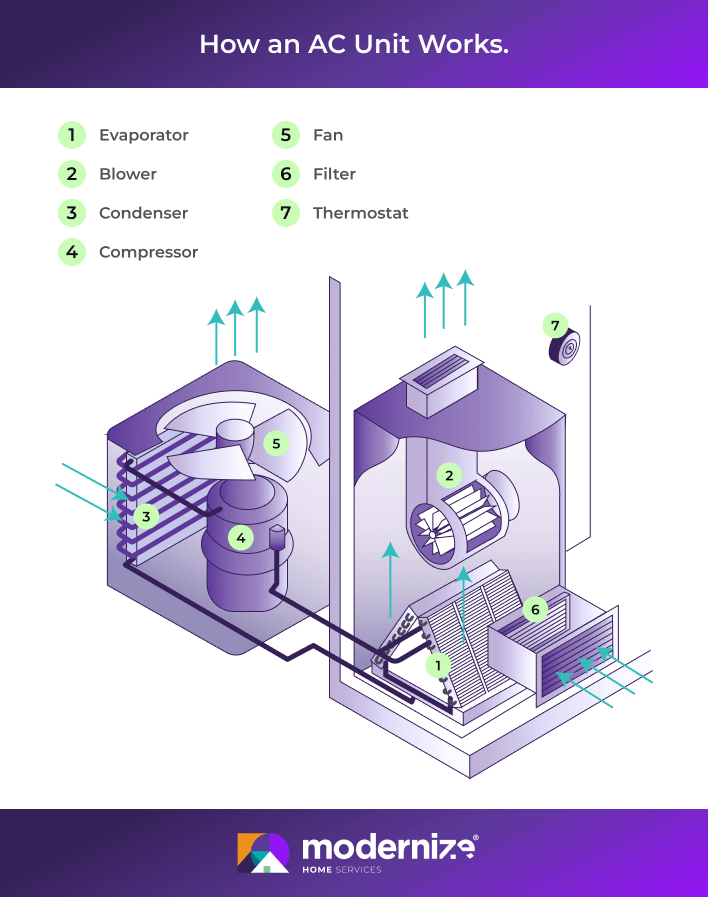
The compressor sits inside the large outdoor unit of your central air conditioning system. It works with the evaporator coil, condenser coil, and fan to keep your home comfortable. Its main job is to compress refrigerant so the system can move heat efficiently.
Here is a simple breakdown of how the process works:
- Heat Absorption: Warm indoor air passes over the evaporator coil, where refrigerant absorbs the heat and turns into a low-pressure gas.
- Compression: The compressor pressurizes that gas, increasing its temperature and preparing it to release heat outside.
- Heat Release: The hot refrigerant moves through the condenser coil, where the outdoor fan helps release heat into the air.
- Cooling Cycle Repeats: The refrigerant returns indoors and continues the cycle until your home reaches the desired temperature.
Without a working compressor, your air conditioner cannot cool your home efficiently. If the compressor fails, it can lead to higher energy bills, poor comfort, and more expensive repairs.
Tips to Help Lower AC Compressor Costs
While you cannot prevent every repair, regular upkeep can help protect your system and reduce the chance of a costly compressor failure. Small maintenance habits may also help your system last longer and run more efficiently.
- Schedule routine maintenance with a licensed HVAC professional.
- Replace your air filter every three months, or more often if needed.
- Avoid overworking your system during extremely hot weather when possible.
- Seal windows and doors to keep cool air inside.
- Use a programmable thermostat to reduce unnecessary cooling.
- Keep the outdoor unit clean and free of leaves, dirt, and debris.
- Raise the thermostat setting when you are away from home.
- Use ceiling fans and portable fans to improve indoor air circulation.
These simple steps can help reduce wear and tear on your system, improve energy efficiency, and lower the chances of paying for a major repair before it is necessary.
These simple steps can help reduce wear and tear on your system, improve energy efficiency, and lower the chances of paying for a major repair before it is necessary. Regular upkeep of your HVAC system can also help support long-term performance.