Installing new siding on a home is a significant home improvement project— not just aesthetically but for a home’s preservation. As noted in our Siding Replacement guide, the job is labor intensive and shouldn’t be taken lightly. This is why getting a siding permit is a crucial step in the process. When it is time to replace your home’s siding, here is what you need to know.
Permits Are Important to a Siding Project
Permits exist to keep you, and anyone else involved in a home project, safe. They signify that work is being done on your home and that it needs to be approved as structurally sound once completed. With siding permits, it’s more than just a fresh coat of paint or a new type of material — it’s about ensuring that your home is well protected from natural elements.
Projects that alter a building’s structure, use, or could create hazardous working conditions require a permit. Of course, that doesn’t mean every home improvement project you tackle will need paperwork.
| Do I Need A Permit? | Answer |
|---|---|
| Replacing siding | Yes |
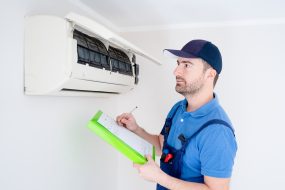
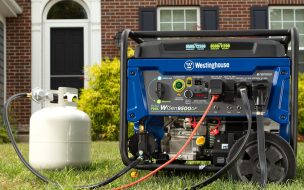
| Change in the design of heating, air conditioning or electrical | Yes |
| Installing a new air conditioning system | Yes |
| Installing a furnace (gas or electric) | Yes |
| Ductwork | Yes |
| Cosmetic siding changes | No |
| Replacing doors without altering the building’s structure | No |
| Replacing a sink’s faucet | No |
| Repairing siding | No |
| Covering existing siding | No |
| Changing a countertop | No |
Besides ensuring safety, filing necessary permits for home improvement projects means the homeowner will have a paper trail to break down the work that occurred. This is especially important if the homeowner plans on reselling their home.
With siding permits, a building department will want to confirm that new or replaced siding can withstand the weather and natural elements that face your location. Inspectors from your local building department will likely also look at how the material under the siding is being prepared. This helps ensure moisture won’t penetrate and potentially cause hazards like mold or rot.
If you still have siding permit questions ahead of your home improvement project, we encourage you to:
- Ask trusted sources (friends, family, and neighbors) if they’ve been through a similar process.
- Contact your local permitting office.
- Connect with trusted siding contractors in your area with Modernize.

Discuss Necessary Siding Permits With Your Contractor
As noted in our list of 5 Tips For Negotiating Cost with Siding Contractors, it is important to discuss what permits are being acquired during your contractor meeting. Your contractor should be able to provide paper trails for their:
- Project plans
- Proof of permits
- Proof of insurance
Ask your contractor about state and local laws surrounding siding permits. Often, contractors are required to be licensed or registered with the state to pull permits on the homeowners’ behalf. You can check on a contractor’s license through the Better Business Bureau. Modernize always recommends that homeowners use a licensed and vetted contractor for their home improvement project.

Consequences of Not Having a Siding Permit
Permits are a vital part of the home improvement process, and proceeding without the proper documentation can result in penalties down the line. If code enforcement officials find work has been done without following due process, it could lead to fines and fees that the homeowner will have to pay for.
Additionally, if you sell your home, home inspectors may see the gaps between a new or replaced unit and raise concerns to the lack of correlating paperwork. This could result in backtracking, hiring additional contractors, and (if necessary) fixing the work: this time with the appropriate permits.
Whether you plan on eventually selling your home or just want that peace of mind, pulling permits is crucial. It could also save you a lot of money down the line. Modernize encourages homeowners to discuss the work they want to do with a contractor and evaluate what siding permits should be pulled to meet local and county standards. This will ensure projects are completed with the utmost care and safety.
Find the Right Contractor for Your Siding Project
Whether you’re ready to begin your project now or need some expert advice, our network of contractors are here to help. With a few simple questions, we’ll find the best local professionals for you