Next time you walk through your neighborhood, count how many homes use vinyl siding—you might be surprised by the number.
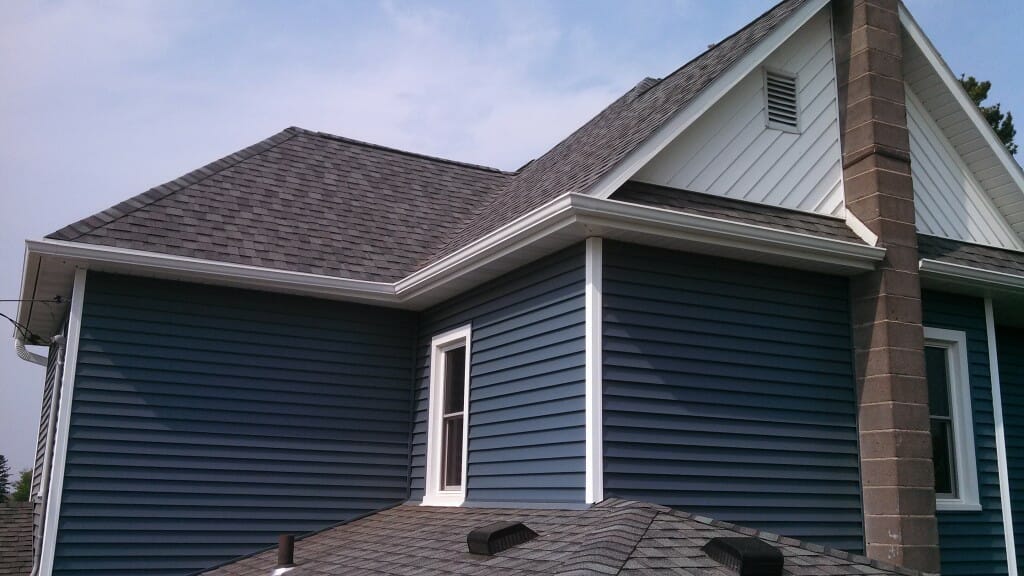
Vinyl siding remains popular in the United States for its affordability, durability, and reliable home protection. Its eye-catching design, resembling a wooden clapboard, adds to its appeal.
However, just because many homeowners choose it doesn’t mean it has to be your top pick. If you’re exploring other siding options with similar benefits, read on for our top recommendations.
Cement Board
Cement board offers versatility with paintable options and various textures. It’s durable, low-maintenance, and often includes a 30-year warranty. Some types don’t require painting, while painted ones last even longer. However, installation is more time-consuming, requires skilled labor, and costs more than vinyl siding.
Natural Wood
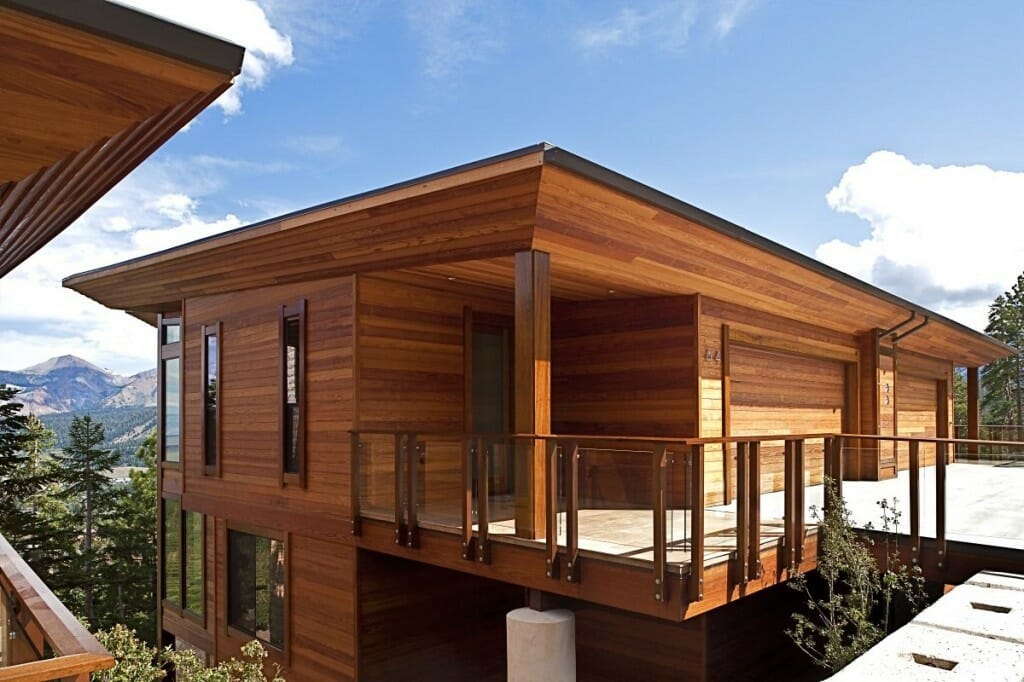
Natural wood siding costs more but lasts a long time with proper care. You can paint or stain it in many styles and refinish it to extend its life. However, this durability comes with a downside. Regular maintenance is necessary, and you may grow tired of redoing the siding every few years to keep it fresh. It also poses a fire hazard and attracts termites, requiring consistent pest treatments in termite-prone areas.
Engineered Wood
Engineered wood offers an affordable and versatile alternative to vinyl siding. It costs less than natural wood and comes in various finishes and textures. Manufacturers combine wood fibers and exterior-grade resins to create a termite-resistant material. Improved engineered wood arrives pre-finished for quick installation and resists moisture better than older versions. However, it may not perform well in highly humid climates.
Stucco
Stucco is a widely used form of siding because it’s not only cost-effective, but design-wise, it’s incredibly versatile. Pigment can be infused into the mixture to create any color you desire. It can go on smooth or have a rough, grainy texture—and some homeowners even infuse theirs with small rocks for a look known as “pebble dash” stucco.
When installed properly, stucco is durable and outlasts many other types of siding. Unfortunately, that very installation proves to be the biggest challenge—stucco often requires a skilled professional to install it successfully so that it lasts. That means that you’ll spend more on an installation—and doing it yourself is likely out of the question.
Engineered Stone
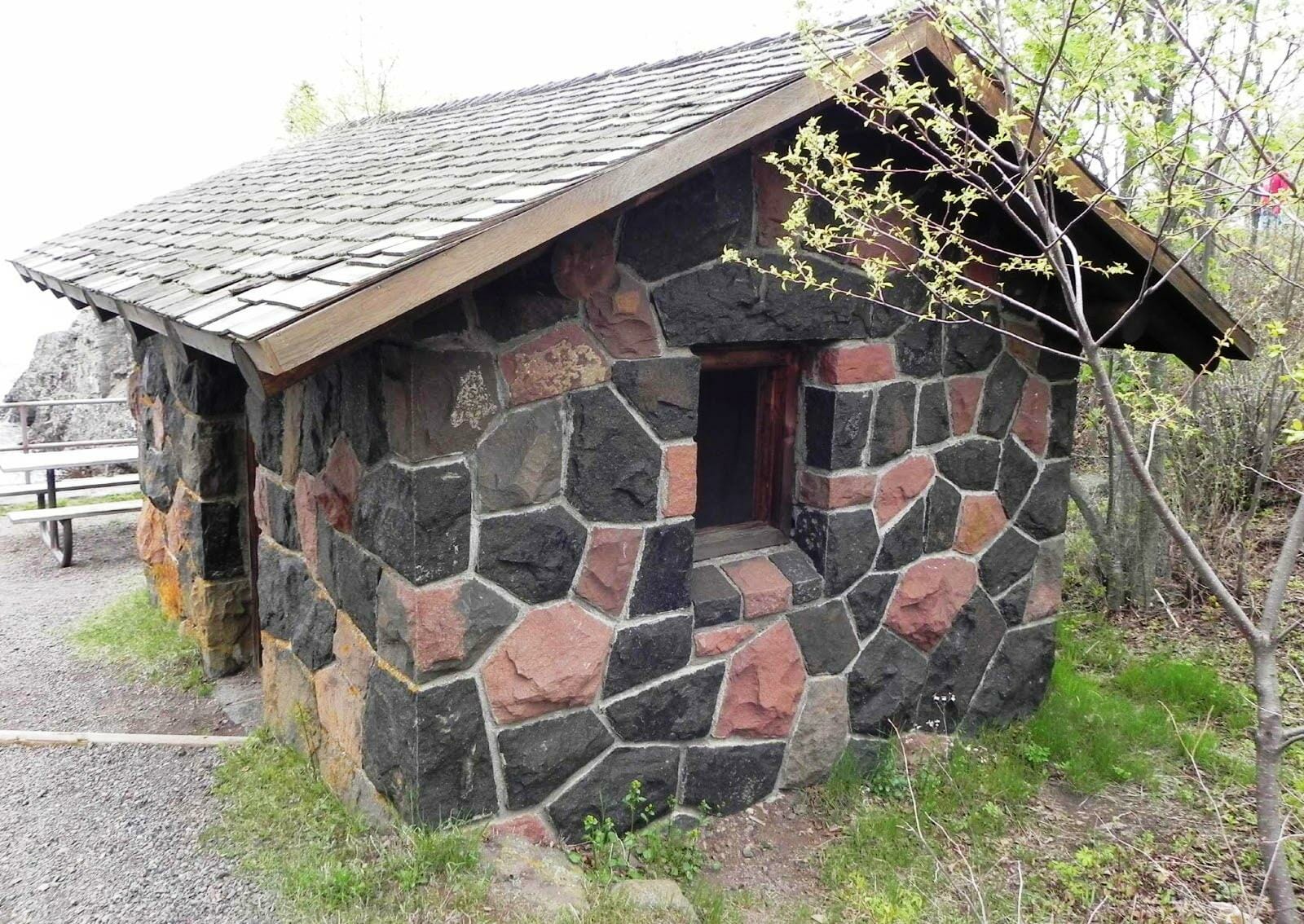
Real stone is impractical for full-home use but works well for small sections. Synthetic stone is lighter, easier to install, and fire- and pest-resistant. Many homeowners use it as an accent, while others cover entire homes. Although faux stone looks realistic, it costs more than most siding options. Consider these durable, stylish, and affordable siding alternatives if you want to avoid vinyl or stand out in your neighborhood.
Find the Right Contractor for Your Siding Project
Whether you’re ready to begin your project now or need some expert advice, our network of contractors are here to help. With a few simple questions, we’ll find the best local professionals for you
We’ve all had that moment walking into a room thinking, “It’s fine, but…” Sometimes it’s dated hardware. Sometimes it’s lighting. Sometimes it’s just that nothing feels fresh anymore. Here’s the good news. You do not need a full renovation to fix it, and you do not need to tackle everything at once. The smarter approach…
Manual J Load Calculations: The Essential Guide to Sizing a Home HVAC System Correctly When a homeowner needs a new HVAC system, one of the most important — yet least understood — steps in the process is the Manual J load calculation. While many contractors still rely on outdated rules of thumb, the reality is…
More Than Just Backup Power When people think about generators, they often picture them humming away during a blackout. While that is their most common role, generators are surprisingly versatile. From protecting your home during emergencies to powering up backyard celebrations, they can provide reliable electricity in many situations that would otherwise cause major inconvenience.…
Why Homeowners Consider Whole-House Generators A whole-house generator is more than just a convenience — for many homeowners, it’s peace of mind. Unlike portable units, these generators are permanently installed, connect directly to your home’s electrical system, and automatically kick on when the power goes out. But they’re also a significant investment. Understanding the full…
Reviews from Real Homeowners
5/5
"The pros did an excellent job for a reasonable price. Roofing crew was amazing. I would highly recommend this company."
"They did beautiful work replacing 3 windows for us and we got them done at a great price."
Mark Y.HomeownerAustin, TXWindows Replacement
5/5
"The installers were excellent! They did everything they promised. I got a great price and the new AC Unit works perfectly!"
Tina P.HomeownerDallas, TXAC Unit Replacement
5/5
"They did a great job installing and getting the required permits to complete the job. The new solar system a good investment to our home."
James S.HomeownerSacramento, CASolar Installation
4/5
"Helped us choose the best products and pricing and were able to get us financing at an excellent rate! Truly professional and very nice."
Paul G.HomeownerSeattle, WAWindows Replacement
4.5/5
"The whole process, from getting the quote to having the work done was flawless. The guys were truly professionals."
Tony H.HomeownerNashville, TNHeating Unit Replacement
About Us
Welcome to Homeowner Resources! We are the Modernize blog. Modernize pairs more than 3 million homeowners a year with pre-vetted contractors in their area. This blog started because we believe homeowners should know everything about their homes, from how their HVAC works to which front door colors they might love. On Homeowner Resources, you can find information on every part of your home, right down to how you can negotiate with contractors to get the best price. Here's more about the blog.
Need a contractor? Learn more about how Modernize finds the right pro for you.