Bathroom Remodel
Types of Bathtubs & How to Choose
On this page
- Pros and cons of the six main types of tubs
- How to choose a bathtub
- Pictures of each bathtub type
A new bathtub upgrades your bathroom’s look and gives you a place to relax. But the style you choose depends on your space, budget, and how you plan to use it. Some tubs save space, while others act as a luxury focal point. We’ll walk through the pros, cons, and costs of each type so you can make the right call.
Find the best bathroom remodel pros in your area.

The Modernize Mission
We help homeowners make confident decisions through our reliable, up-to-date, and unbiased information and average project costs. All of our content is thoroughly reviewed and fact-checked by our team of home improvement experts. Learn more about how we maintain these values.
What are the Different Types of Bathtubs?
There are six main types of bathtubs: bathtub/shower combos, freestanding tubs, soaking tubs, jetted tubs, drop-in tubs, and alcove tubs. Corner tubs, walk-in tubs, and undermount tubs are also available, but they’re not typically considered standard. Below, we’ll explain each type, who it’s best for, how much it costs, and the pros/cons of each.
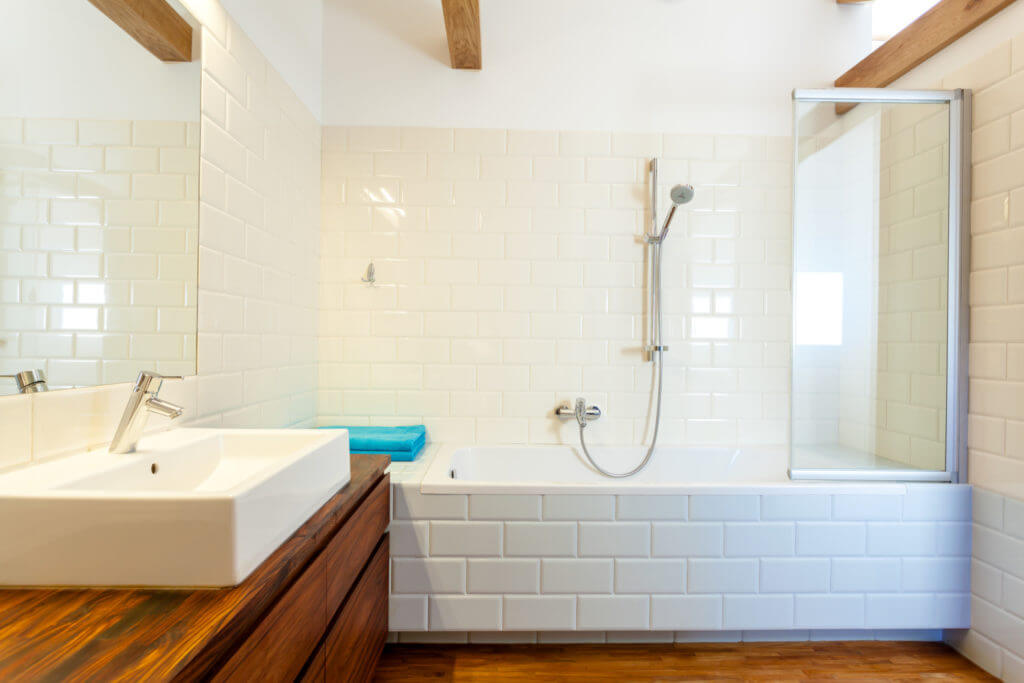
Bathtub/Shower Combo
- Best for: Families with young kids, homes with one bathroom, or small spaces.
- Average cost: $2,990–$8,150
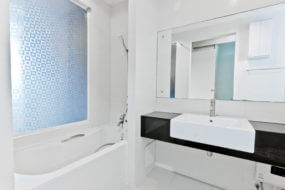
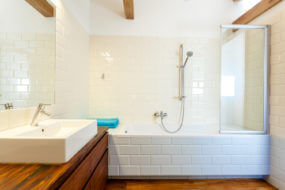
A shower-tub combo pairs a bathtub with a showerhead. It’s the most common setup in U.S. homes because it serves two purposes in one footprint. You can use a curtain or glass doors to keep water contained.
This setup works with alcove, drop-in, or even some freestanding tubs. It’s practical for daily use and essential if you don’t have room for a separate shower stall. Read our full guide to tub and shower combos for more details.
Pros
- Versatile for different family needs
- Popular feature that helps resale value
- Works with many tub depths and styles
Cons
- Separate tub and shower feel more luxurious
- Requires extra plumbing and components
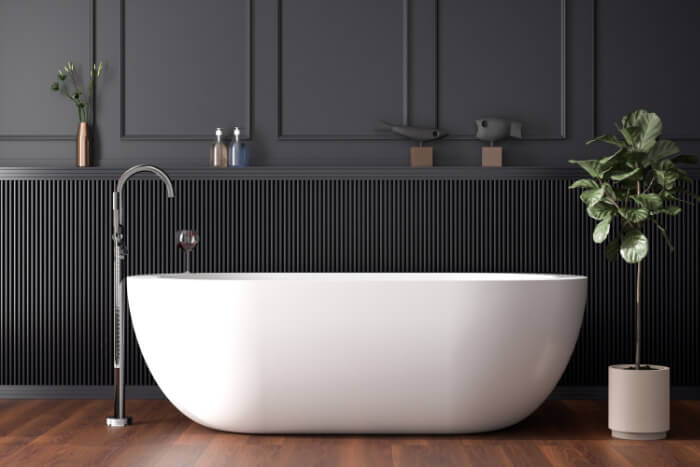
Freestanding Tub
- Best for: Large bathrooms and homeowners who want a focal point.
- Average cost: $3,656–$4,100
Freestanding tubs stand alone. They don’t attach to walls or sit in a platform. This makes them a design statement. You can place them anywhere near plumbing, which offers flexibility during a remodel.
Styles range from vintage clawfoot models to sleek, modern ovals. They often pair with floor-mounted faucets for a high-end look. Learn more in our guide to freestanding tubs.
Pros
- Acts as a visual centerpiece
- Available in many shapes and colors
- Boosts appeal in luxury markets
Cons
- Costs more than built-in options
- May need new plumbing lines
- Harder to clean around the base
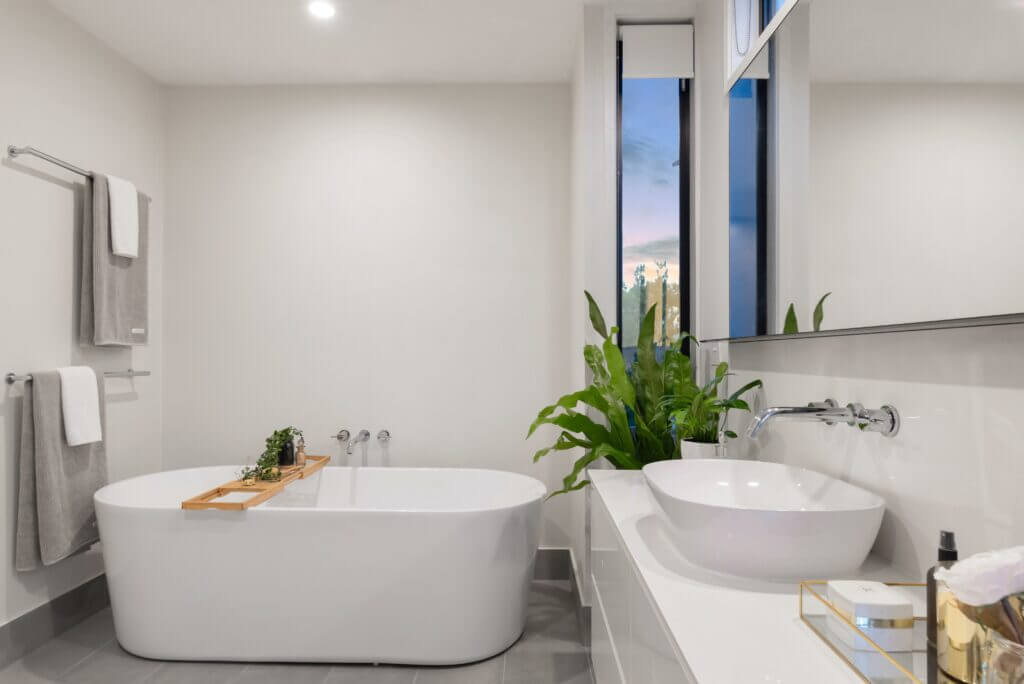
Soaking Tub
- Best for: Homeowners who want deep, relaxing baths.
- Average cost: $3,608–$4,100
Soaking tubs are deeper than standard models. They average 20 to 24 inches deep, with some reaching 32 inches. This depth lets you submerge fully for a spa-like experience.
You can find soaking tubs in alcove, drop-in, or freestanding styles. The key difference is depth, not placement. Just note that deeper tubs hold more water, which may strain smaller water heaters. Check our guide to soaking tubs for sizing tips.
Pros
- Allows full-body immersion
- Great for relaxation and stress relief
- Comes in various shapes
Cons
- Holds more water, increasing fill time
- Heavier when full, may need floor support
- Higher walls make entry harder for some
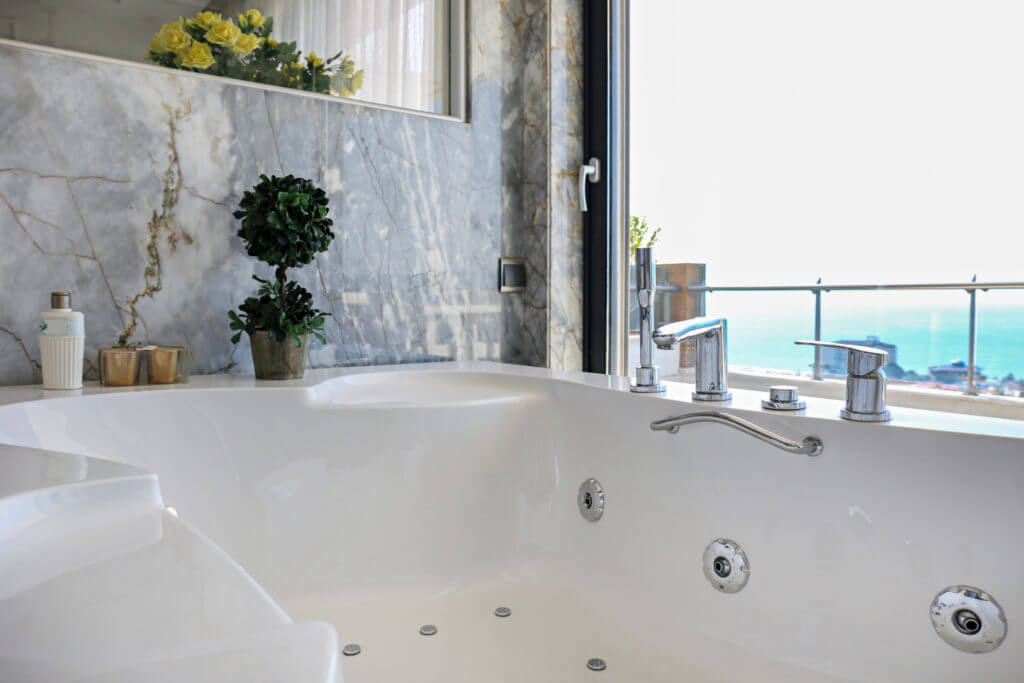
Jetted Tub
- Best for: People with sore muscles or those who want a spa experience.
- Average cost: $5,500–$7,500
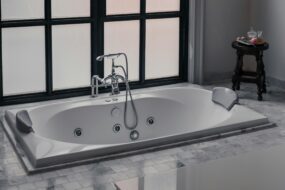
Jetted tubs use water or air jets to massage your body. You can target specific areas like your back or legs. These features turn a regular bath into hydrotherapy.
You can add jets to alcove, drop-in, or corner tubs. Keep in mind that jets require regular cleaning to prevent buildup. Read our guide to massage tubs to see if this feature fits your lifestyle.
Pros
- Relieves muscle tension and pain
- Customizable jet positions
- Luxurious, spa-like feel
Cons
- Higher upfront cost
- Jets need frequent cleaning
- Uses more electricity and water
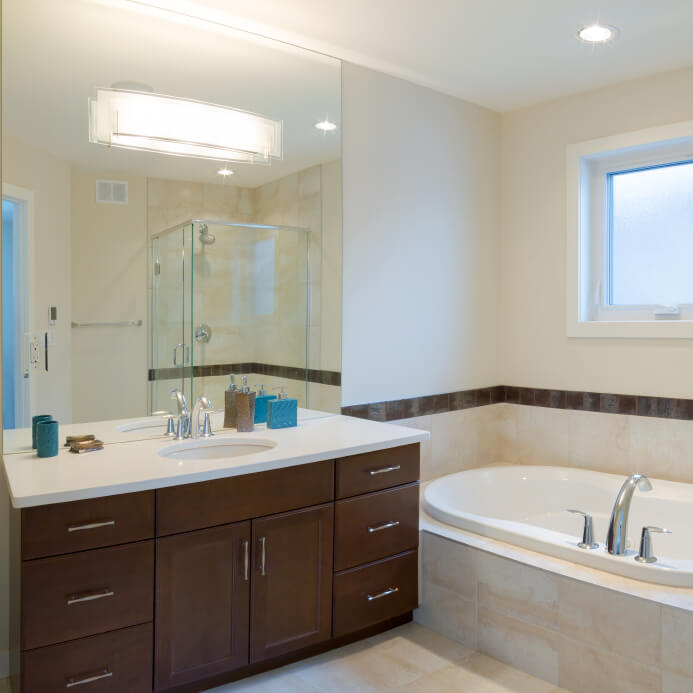
Drop-In Tub
- Best for: Custom designs and homeowners who want extra storage space.
- Average cost: $4,230–$5,160
A drop-in tub sits inside a custom-built deck or platform. The tub rim rests on the surface, while the sides remain hidden. This creates a seamless, built-in look.
The surrounding deck offers space for toiletries, candles, or towels. You can finish the deck with tile, stone, or wood to match your bathroom. This style works well for large master baths. See our guide to drop-in tubs for installation details.
Pros
- Customizable surround materials
- Extra storage space on the deck
- Sleek, integrated appearance
Cons
- Requires carpentry for the deck
- High step-up can be hard to navigate
- More expensive to install
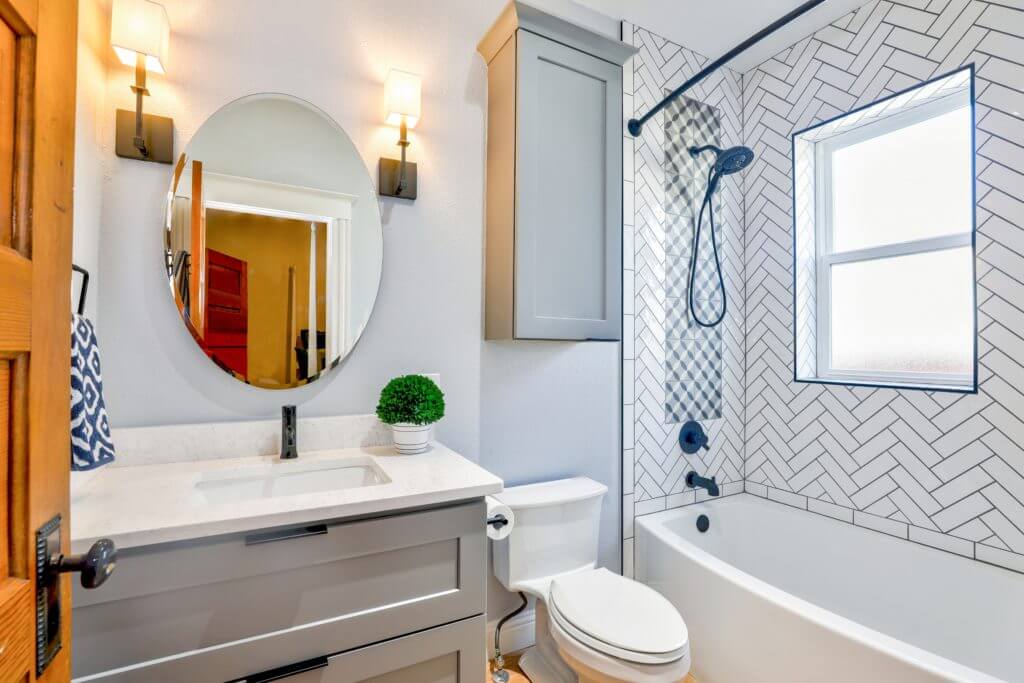
Alcove Tub
- Best for: Small bathrooms, budgets, and families.
- Average cost: $1,625–$2,000
Alcove tubs fit between three walls. They are the most common tub in the U.S. because they save space and cost less. Most alcove tubs include a showerhead, making them ideal for single-bathroom homes.
While basic models are affordable, you can upgrade to acrylic or cast iron for better heat retention. They are easy to install and maintain. Read our alcove tub buying guide for more.
Pros
- Most affordable option
- Space-efficient design
- Easy to clean and maintain
Cons
- Limited style options
- Standard sizes may not fit unique spaces
- Less luxurious than freestanding models
Other Types: Corner, Walk-In, and Undermount
Not every tub fits into the main six categories. Here are three other styles worth considering if you have specific needs.
Corner Tubs
Corner tubs fit into the corner of a room, often with a triangular or pentagonal shape. They maximize unused space and can accommodate two people. However, they take up more floor space than alcove tubs and may require custom plumbing. They are great for large master baths but rarely fit in guest bathrooms.
Walk-In Tubs
Walk-in tubs have a watertight door for easy entry. They are designed for older adults or anyone with mobility issues. Most include built-in seats and grab bars. The downside is that you must sit while the tub fills and drains, which can take time. They cost between $3,000 and $7,000 installed. Learn more in our walk-in tub guide.
Undermount Tubs
Undermount tubs attach beneath a countertop, creating a smooth edge with no visible rim. This looks sleek and makes cleaning easier since there’s no lip for grime to collect. They require a solid surface counter like quartz or granite. This style is popular in modern, minimalist bathrooms but costs more due to the custom countertop work.


How to Choose the Right Bathtub
Picking a tub comes down to three factors: space, budget, and usage. Follow these steps to narrow your choices.
- Measure your space. If you’re replacing an old tub, measure the existing footprint. If you’re remodeling, check where your plumbing lines run. Moving pipes adds significant cost. Standard alcove tubs are 60 inches long, but freestanding models vary widely.
- Set your budget. Remember that the tub price is only part of the cost. Include demolition, installation, plumbing, and finishing materials like tile. A $500 tub can cost $2,000 once labor and materials are added.
- Consider your household. Do you have young kids? A shower-tub combo is practical. Do you have mobility issues? Look at walk-in tubs or low-step models. Do you want a spa experience? Consider jets or a deep soaking tub.
Once you have a shortlist, get quotes from local pros. We recommend asking three or four contractors for estimates to compare prices and timelines. You can browse our contractor directory to find rated professionals in your area.