How do you repair concrete cracks?
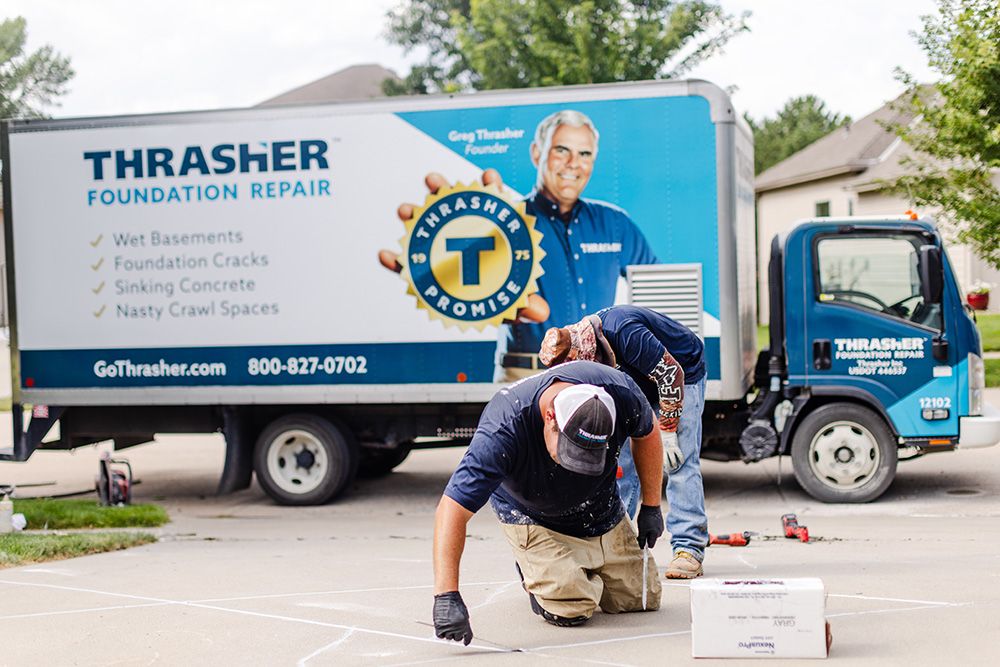
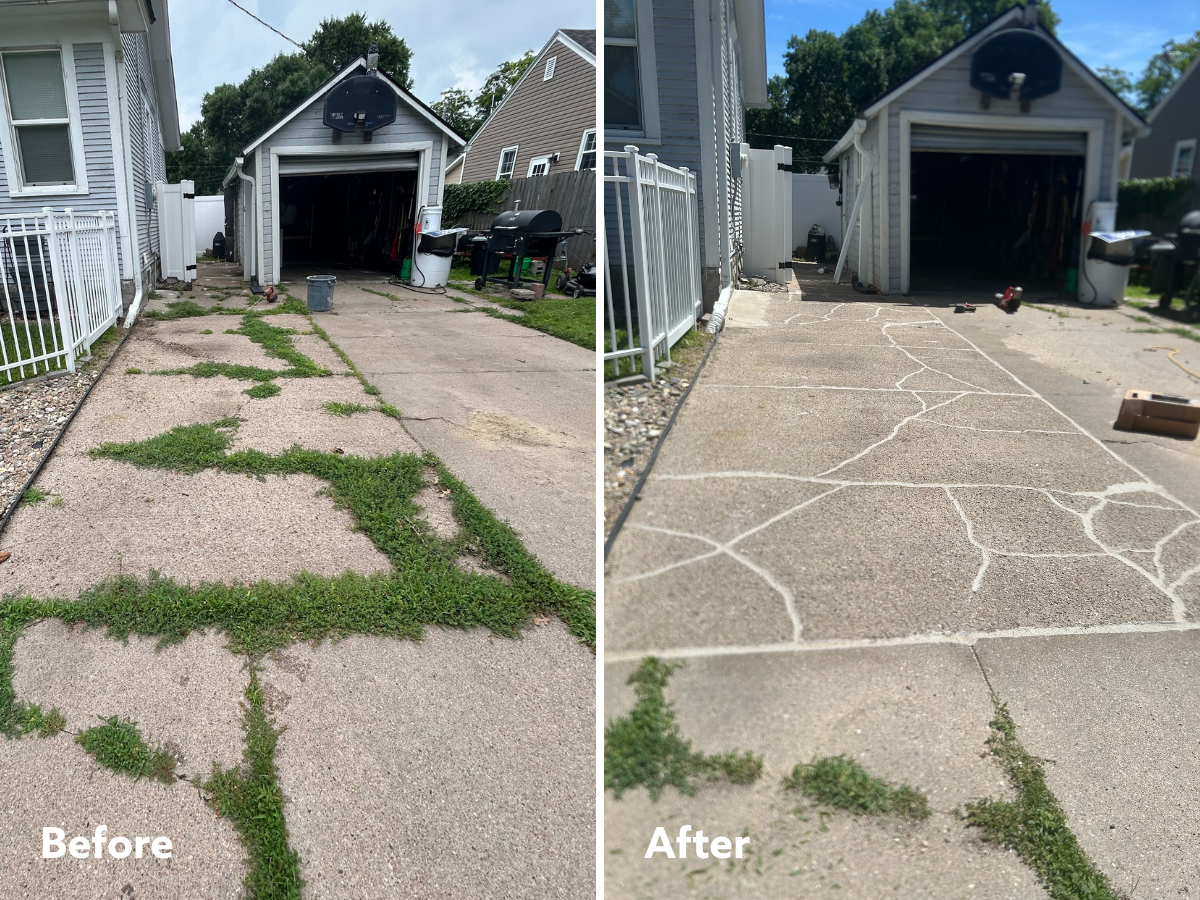
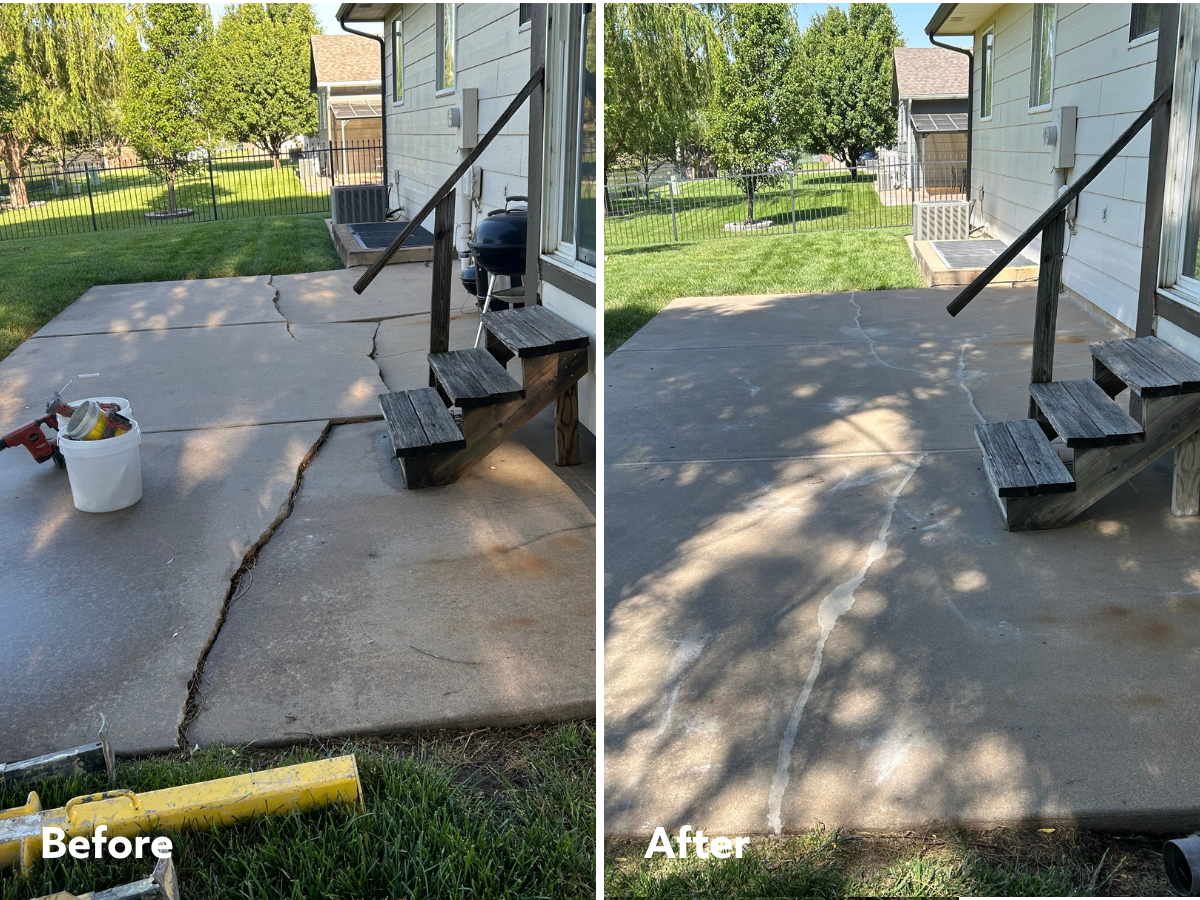
We seal concrete cracks with NexusPro, a high-quality, silicone-based caulk. Unlike traditional caulking, NexusPro prevents water infiltration and resists harsh weather, ensuring long-lasting results. We place it in the expansion and control joints in your slab to seal them. This prevents water infiltration and minimizes soil softening and erosion that water causes when it gets beneath the slab. It's silicone-based and more pliable than traditional urethane-based caulking used in concrete joints. That means temperature changes won't break its bond.
What causes foundation cracks?
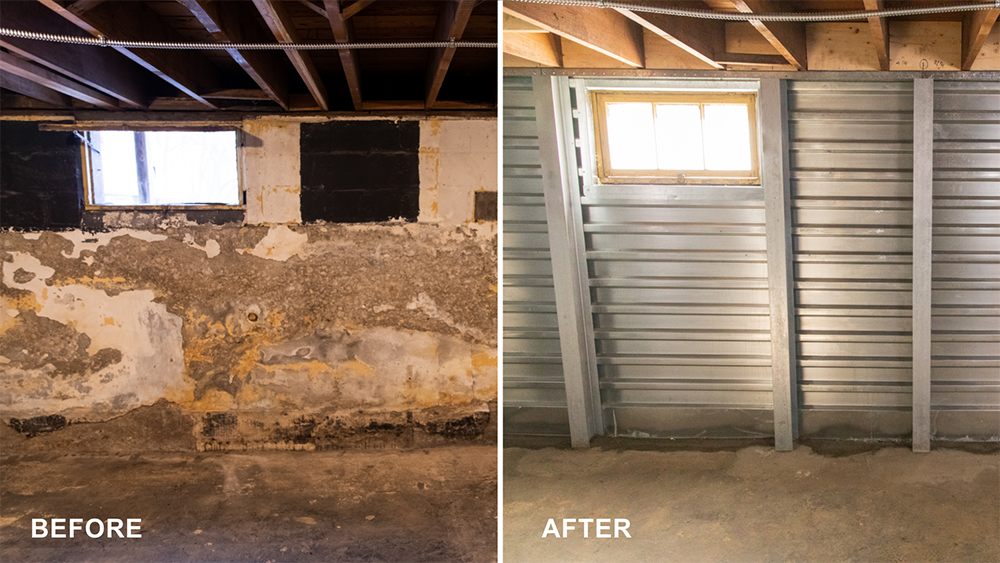
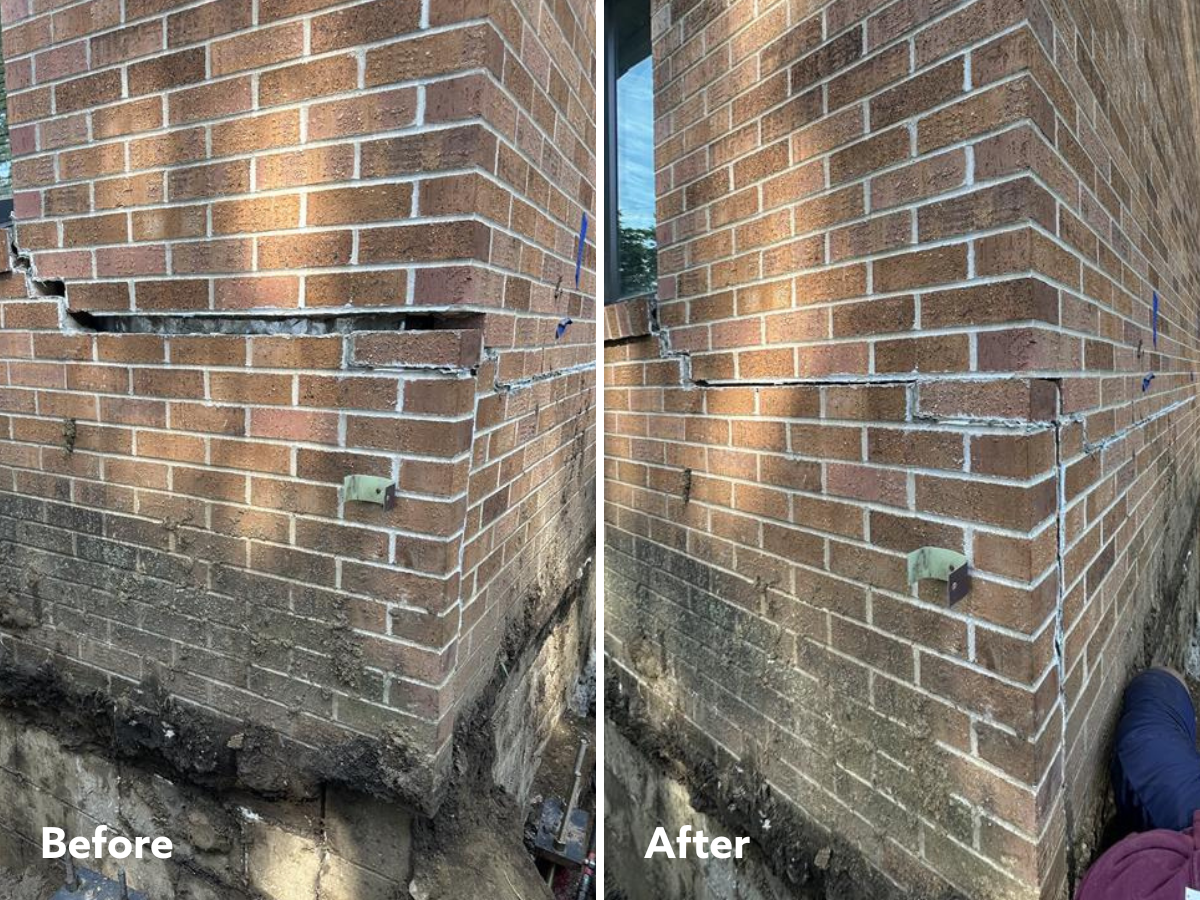
Cracks in your home's foundation are typically caused by soil movement and settling over time. This movement can create gaps beneath your home, resulting in vertical and hairline cracks on walls or floors. When soil becomes saturated with moisture, pressure builds on foundation walls, forming visible horizontal cracks. If not addressed early, these cracks can lead to bowing walls.
What foundation repair methods does Thrasher use to fix sinking or settling foundations?
We use advanced techniques, including helical and push piers, to stabilize and lift sinking or settling foundations. These piers are driven deep into stable soil layers to provide strong support beneath the foundation. The repair process includes a thorough inspection to identify the cause of settlement, followed by customized pier installation to restore levelness and prevent further movement, ensuring long-term foundation stability.
Does Thrasher offer warranties?
Yes! We stand behind our work with industry-leading warranties, with coverage of up to 25 years depending on the solution installed.
If you ever have a concern during your warranty period, we'll send a Service Technician to your home at no charge to evaluate the issue. We also recommend annual maintenance inspections to help ensure your systems continue performing as intended and to catch any potential concerns early.
Our team is always here to help before, during, and long after your project is complete.
Does Thrasher use subcontractors?
Thrasher does not use subcontractors. All of our team members are directly hired, employed, and trained by Thrasher. From our production crews to our service technicians, the people working on your home are Thrasher employees who have gone through our internal training programs and processes.
Can I be home during a foundation repair?
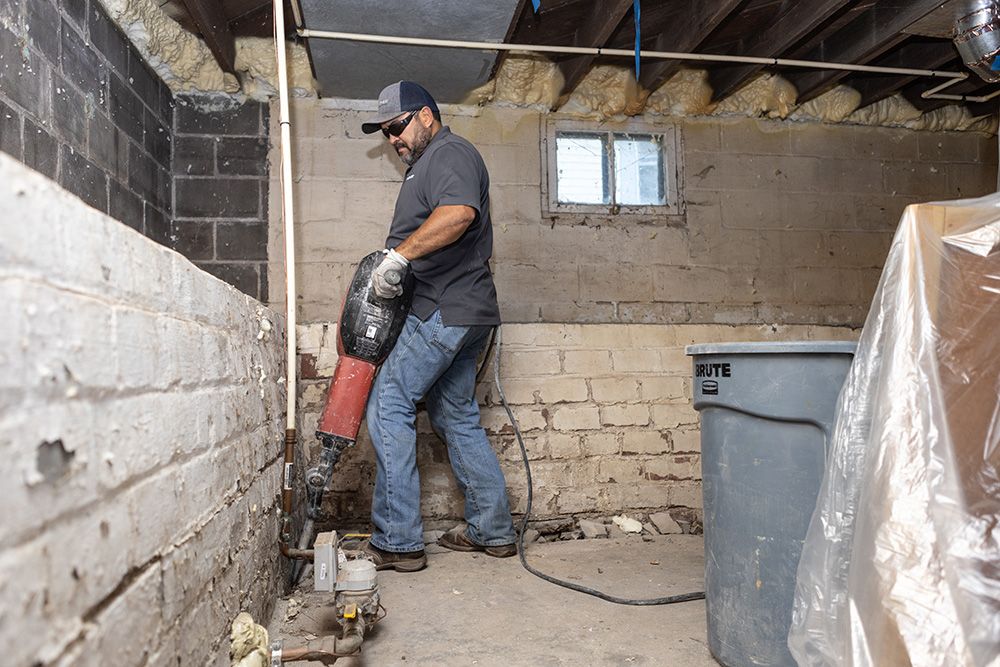
Foundation repair does involve some activity around your home, but disruption is usually limited and temporary. Most foundation repairs are completed from the exterior of the home or in the basement, so your main living areas are typically unaffected. You can expect some noise and vibration during the repair process, especially when equipment is used to install piers or anchors. This is normal and usually lasts only a short portion of the project. Crews take care to protect nearby landscaping, flooring, and walls, and they work in clearly defined areas to minimize mess. In most cases, utilities such as water, electricity, and HVAC systems remain fully operational throughout the repair. You can continue normal daily activities, including working from home or staying overnight, with little interruption. Thrasher crews clean up the work area each day and restore the site as closely as possible to its original condition once the job is complete. The goal is to stabilize your home efficiently while keeping the process as smooth and stress-free as possible for homeowners.
Why do I have a musty smell in my home?
There are a few reasons for the smell, but the biggest is the wet soil under your home. In crawlspaces that are taking on water and have been for some time, the smell comes from whatever is growing in the crawlspace. You are smelling it upstairs because of something known as the stack effect, which states that 50% of the air from basements or crawlspaces rises to the main level of your home.
What is the cause of my sagging, bouncing floors?
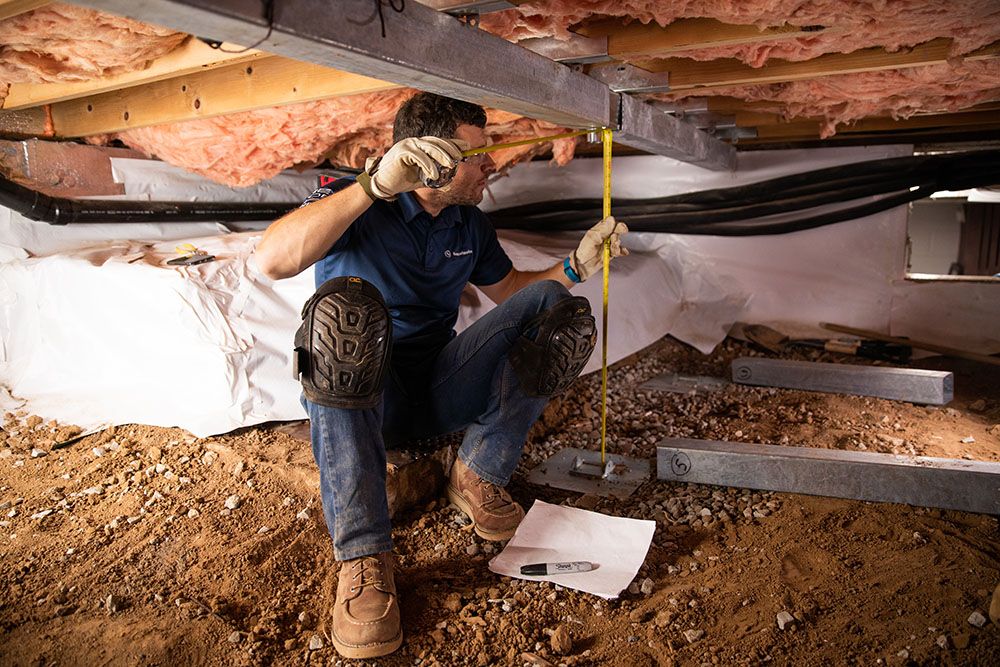
Floors sag for 3 reasons. Either the support columns were placed too far apart during construction, the support columns are sinking into the soil, or moisture has weakened the wood, causing beams and joists to soften and fail. It can also be a combination of these, and often is.
Can sunken concrete really be lifted instead of replaced?
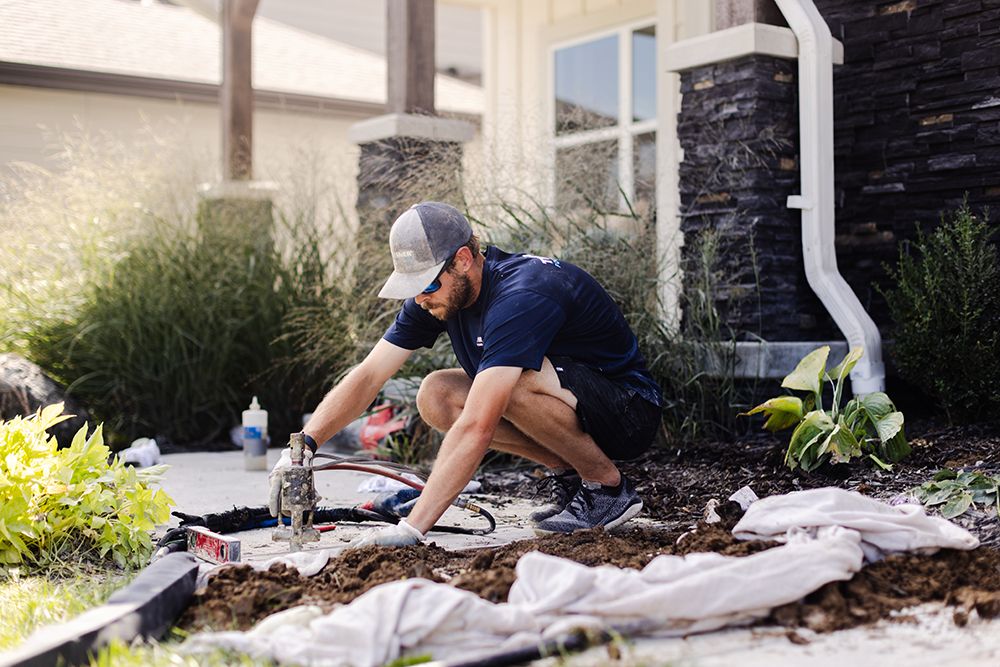
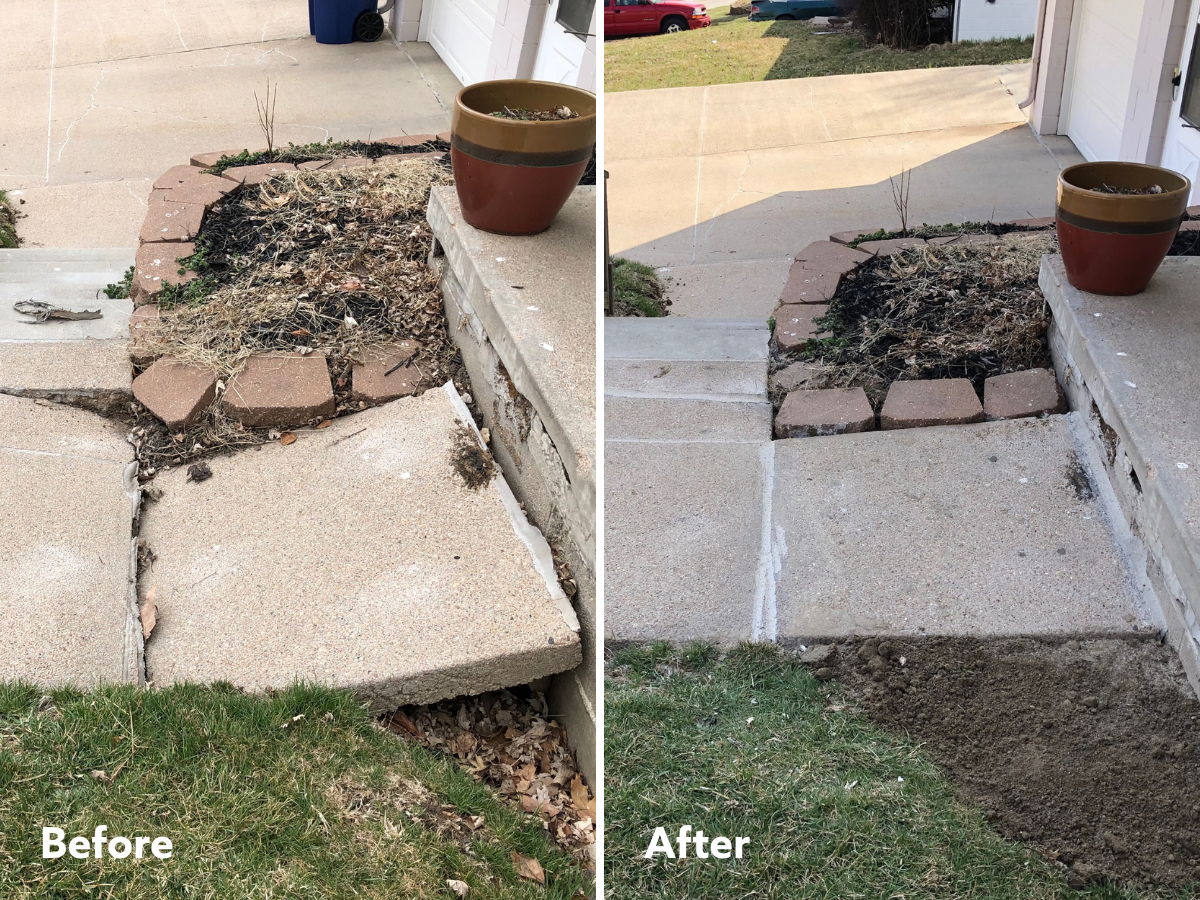
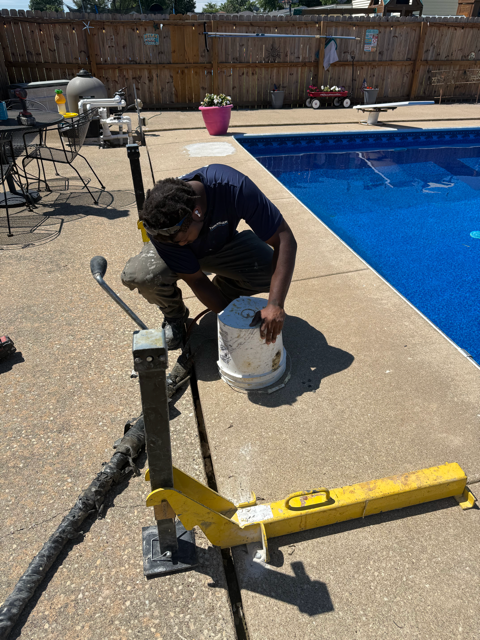
Yes. In many cases, sunken concrete can be lifted rather than replaced with our PolyLevel system. PolyLevel is a high-density polyurethane foam injected beneath the slab to fill voids caused by soil settlement and gently raise the concrete back to level. If the concrete is structurally sound, PolyLevel is faster, less disruptive, and more cost-effective than full replacement.
What causes my new poured driveway concrete to sink?
With new concrete, it looks good; however, the guarantee is that it will harden and crack. The real issue is the soil. The soil dries out and shrinks. Water gets under it and washes it out, so it can’t support the weight. The answer is our PolyLevel foam. It’s waterproof and won’t wash out. It compacts the soil and protects it from drying out. Even with new concrete, we recommend stabilizing and protecting fill voids to prevent the problem before it occurs.