Flooring
Types of Tile Flooring: A Complete Guide
On this page
- Most popular types of tile
- Costs per square foot
- Best tile choices for different rooms
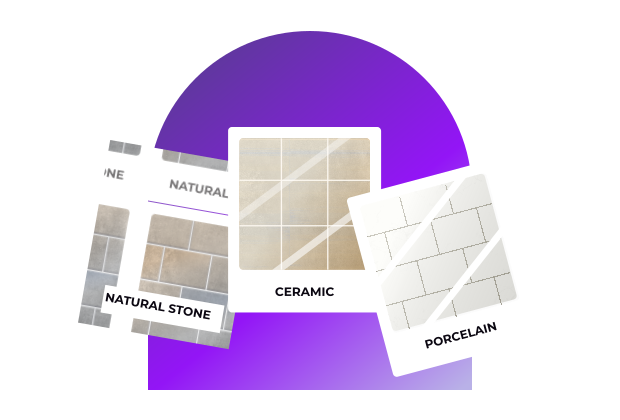
The most common types of tile flooring are ceramic, porcelain, natural stone, glass, mosaic, and concrete. Ceramic and porcelain are the most popular choices because they are affordable, durable, and offer many design options. The best type for your space depends on moisture, foot traffic, and your budget.
Find the best flooring contractors in your area.

The Modernize Mission
We help homeowners make confident decisions through our reliable, up-to-date, and unbiased information and average project costs. All of our content is thoroughly reviewed and fact-checked by our team of home improvement experts. Learn more about how we maintain these values.
Types of Tile Flooring at a Glance
Each tile type offers a different balance of cost, durability, water resistance, and style. This quick comparison can help you narrow down the best option for your room before you look more closely at each material.
| Tile Type | Material Cost (Per Sq. Ft.) | Water Resistance | Best For |
|---|---|---|---|
| Ceramic | $2 to $5 | Moderate | Most interior rooms |
| Porcelain | $3 to $10 | High | Wet rooms, high-traffic areas, outdoor spaces |
| Natural stone | $2 to $20+ | Varies by stone | Bathrooms, kitchens, backsplashes |
| Concrete | $3 to $6 | Low (requires sealing) | Living areas, patios |
| Glass | $16 to $30 | Very high (0% absorption) | Backsplashes, accent areas |
| Mosaic | $16 to $30 | High | Showers, backsplashes, accents |
All costs above reflect materials only. Professional installation typically adds $4 to $14 per square foot depending on tile type, layout complexity, and subfloor prep.
For a full breakdown, see our Tile Installation Cost Guide.
Ceramic Tile
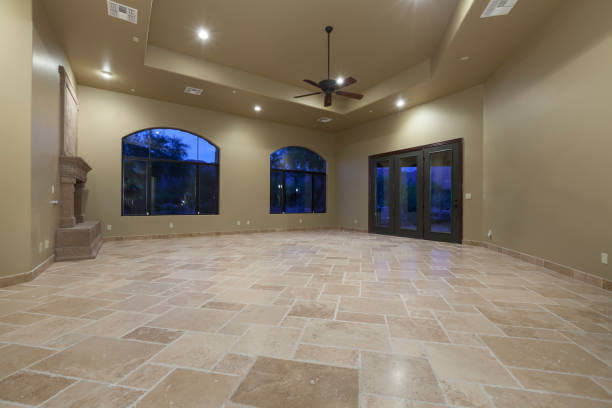
Ceramic tile is the most common and affordable option for residential floors and backsplashes. It is made from natural clay that is fired in a kiln and then glazed. This glazing process creates a hard surface that resists scratches, stains, and moisture.
The glaze makes ceramic tile a good choice for kitchens, bathrooms, and laundry rooms. It also gives ceramic tile its many colors, patterns, and textures. You can find ceramic tile in almost any size, shape, or finish.
Ceramic tile is a bit more porous than porcelain, usually absorbing between 0.5% and 3% moisture. This makes it good for indoor wet rooms but not for outdoor use since freezing and thawing can cause cracks. Ceramic is also softer than porcelain and can chip more easily if hit hard.
- Material cost: $2 to $5 per square foot
- Lifespan: 75 to 100 years with proper care
- Best for: Kitchens, bathrooms, laundry rooms, backsplashes, most interior walls and floors
- Not recommended for: Outdoor installations
Pros
- Most affordable tile option
- Endless color, shape, and finish options
- Easy to cut and install
- Low maintenance
Cons
- More porous than porcelain
- Can chip under heavy impact
- Not suitable for outdoor use
- Can feel cold underfoot
Porcelain Tile
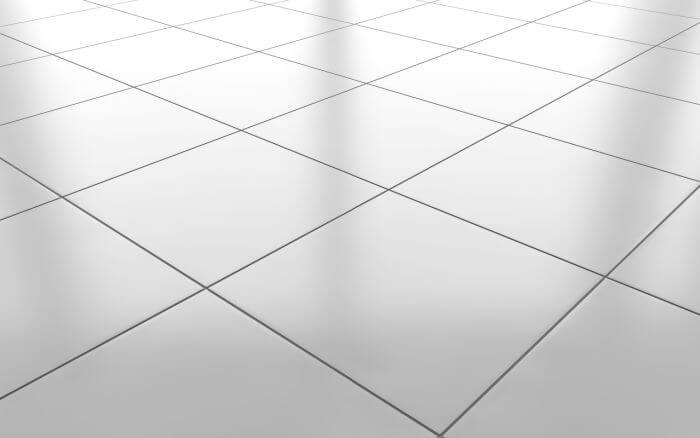
Porcelain is a kind of ceramic tile, but it’s fired at higher temperatures and made with denser clay. This makes it harder, less porous, and more water-resistant than regular ceramic. Porcelain absorbs 0.5% or less moisture, meeting the American National Standards Institute (ANSI) standard for waterproof tiles. That’s why porcelain is often used in showers, pool areas, and outdoor spaces.
Porcelain tiles are also available in large sizes, like 24 by 24 inches or bigger. Bigger tiles mean fewer grout lines and a cleaner, more open look, which is popular right now. Through-body porcelain has color and pattern all the way through, so chips are less noticeable.
- Material cost: $3 to $10 per square foot
- Lifespan: 75 to 100 years
- Best for: Bathrooms, showers, kitchens, laundry rooms, outdoor spaces, and high-traffic floors
Porcelain is harder to cut than ceramic and usually needs a wet saw with a diamond blade. This can make installation a bit more expensive.
Pros
- Highly water-resistant (0.5% or less absorption)
- Harder and more durable than ceramic
- Suitable for outdoor use
- Available in large-format sizes
Cons
- More expensive than ceramic
- Harder to cut, which increases labor cost
- Can feel cold underfoot
- Heavier than ceramic
Natural Stone Tile
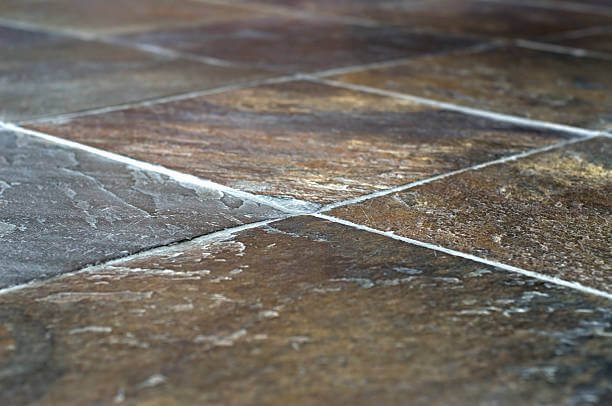
Natural stone tile includes several materials such as marble, granite, travertine, limestone, and slate. These are quarried and cut to size, not molded or manufactured. Each piece is unique, giving natural stone a one-of-a-kind look that manufactured tiles cannot match.
All natural stone tiles are porous. Unlike glazed ceramic and porcelain, natural stone does not have a protective coating, so the surface is exposed and can absorb moisture, stains, and cleaning products unless it is sealed. Natural stone tile needs to be resealed every one to three years, depending on the type of stone and how much it is used, to keep it looking good and prevent damage.
Cost varies significantly by stone type:
| Stone Type | Material Cost (Per Sq. Ft.) | Hardness |
|---|---|---|
| Travertine | $2.30 to $9.25 | Moderate |
| Limestone | $1.85 to $11.30 | Moderate |
| Slate | $6.35 to $12.50 | Hard |
| Marble | $3.50 to $15.25 | Moderate |
| Granite | $3.85 to $20 | Very hard |
Best for: Bathroom floors and walls, kitchen floors and countertops, backsplashes, and entryways
Natural stone is heavy and needs a careful check of the subfloor before installation. It can crack more easily than porcelain if hit hard. Natural stone can also be slippery when wet, but honed or textured finishes provide better grip than polished ones.
Pros
- Unique, natural appearance
- Extremely long lifespan
- Eco-friendly — no manufacturing required
- Increases home value
Cons
- Requires regular sealing
- More expensive than ceramic or porcelain
- Can be slippery when polished
- Heavy — subfloor assessment required
Concrete Tile
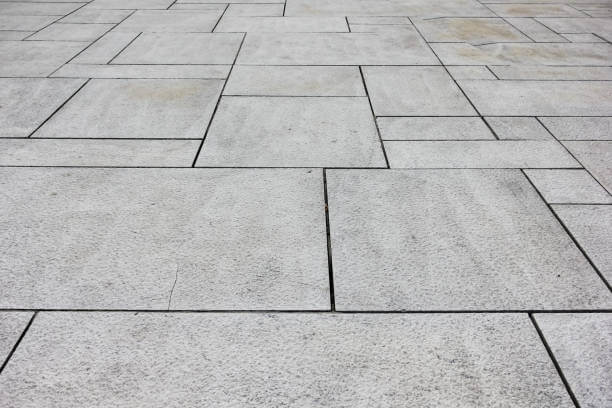
Concrete tile is made from cement, sand, and pigment, pressed into molds and cured. Unlike poured concrete floors, concrete tile is installed with mortar and grout like other tiles. It comes in many colors, patterns, and textures, and is becoming more popular for its industrial-modern style and eco-friendly qualities since it does not need kiln firing.
The main drawback of concrete tile is that it is much more porous than ceramic or porcelain. It must be sealed before use and resealed every two to three years to prevent stains and moisture problems. If properly sealed and maintained, concrete tile is durable and long-lasting. If not, it can stain, absorb moisture, and wear out over time.
- Material cost: $3 to $6 per square foot
- Lifespan: 100+ years with proper sealing and maintenance
- Best for: Living rooms, hallways, patios, spaces where the industrial-modern aesthetic is desired
- Not ideal for: High-moisture rooms where sealing maintenance may be inconsistent; unsealed concrete tile is not appropriate for bathrooms or kitchens
Pros
- Unique, modern aesthetic
- Very durable when properly sealed
- Eco-friendly production
- Long lifespan
Cons
- Requires sealing every two to three years
- More porous than ceramic or porcelain
- Can stain if not maintained
- Heavier than ceramic; subfloor assessment advised
Glass Tile
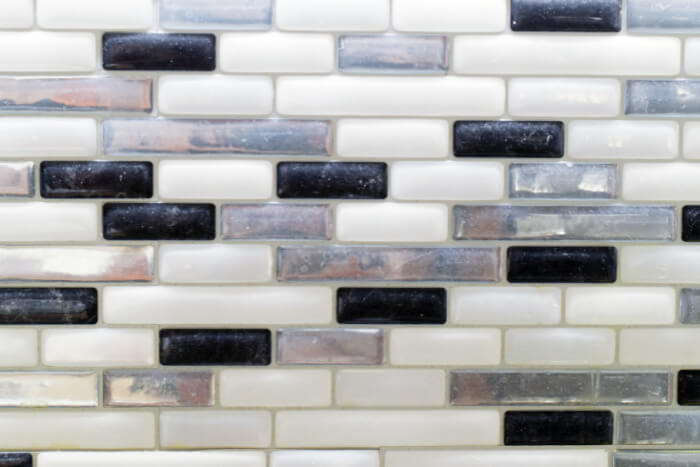
Glass tile is the most water-resistant type, with a 0% moisture absorption rate, so it does not let any water in. Its see-through look and ability to reflect light make it a popular choice for kitchen backsplashes, shower accents, and pool areas where both appearance and water resistance are important.
Glass tile usually is not recommended for floors. It can be slippery when wet and, while it resists scratches from cleaning, it is more likely to crack if something heavy is dropped or if there is a lot of foot traffic. Glass tile is also more expensive, so covering large floor areas costs more than other options.
- Material cost: $16 to $30 per square foot
- Lifespan: 100+ years when properly installed
- Best for: Kitchen and bathroom backsplashes, shower accent walls, pool surrounds, small accent areas
- Not recommended for: Floor applications in high-traffic rooms
Pros
- 0% moisture absorption — fully waterproof
- Reflects light — makes rooms feel larger
- Very easy to clean
- Translucent colors add depth
Cons
- Expensive relative to ceramic or porcelain
- Slippery when wet
- Can crack under heavy impact
- Shows fingerprints and water spots
Mosaic Tile
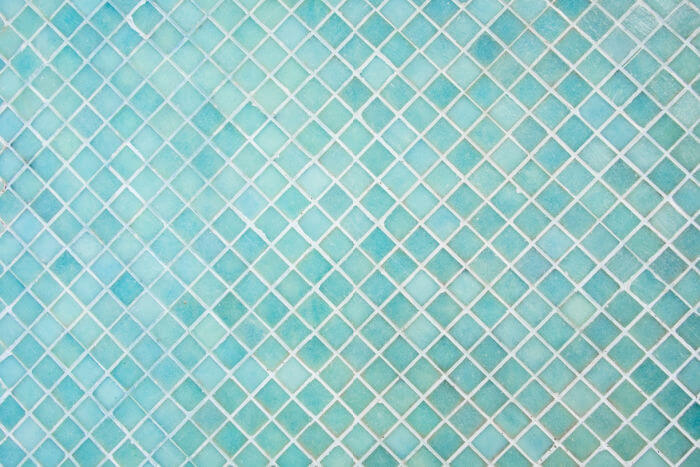
Mosaic tile means small tiles, usually 2 inches or less, arranged in patterns and attached to mesh sheets for easier installation. These tiles can be made of glass, ceramic, porcelain, or natural stone. What makes them mosaic is their small size and pattern, not the material.
The main benefit of mosaic tile in wet areas is better traction. More grout lines per square foot create more texture underfoot, which is why mosaic tile is often used for shower floors and pool areas where slip resistance matters. However, more grout also means more maintenance, since grout in wet areas needs regular cleaning and resealing to prevent mold and discoloration.
Mosaic tile costs $16 to $30 per square foot, so it is best used for accent areas, shower floors, and backsplashes where the look is worth the price. Covering large rooms with mosaic tile can get expensive fast and means more grout to maintain than most people want.
- Material cost: $16 to $30 per square foot
- Best for: Shower floors, pool surrounds, kitchen and bathroom backsplashes, accent inlays
Small mosaic tiles can be fragile under heavy point-load impact. Apply a non-slip sealer if using mosaic tile on any floor surface.
Pros
- Excellent traction in wet areas
- Highly customizable patterns and colors
- Works on curved surfaces and niches
- Eco-friendly, often made from recycled glass
Cons
- More expensive than ceramic or porcelain
- More grout to clean and maintain
- More fragile than larger tiles
- Can be slippery without non-slip sealer
What Is the Best Tile Floor for Each Room?
Different rooms need different tile features. Moisture, foot traffic, maintenance, and slip resistance all matter when deciding which type works best in each part of the home.
Best Tile for Bathrooms
Porcelain is the best choice for bathroom floors and shower walls.
It absorbs 0.5% or less moisture, making it ideal for the wettest room in the house. Glazed ceramic is a good budget option for bathroom floors outside the shower. Mosaic tile works especially well for shower floors where slip resistance is important for safety.
Best Tile for Kitchens
Porcelain and ceramic are both good options for kitchen floors.
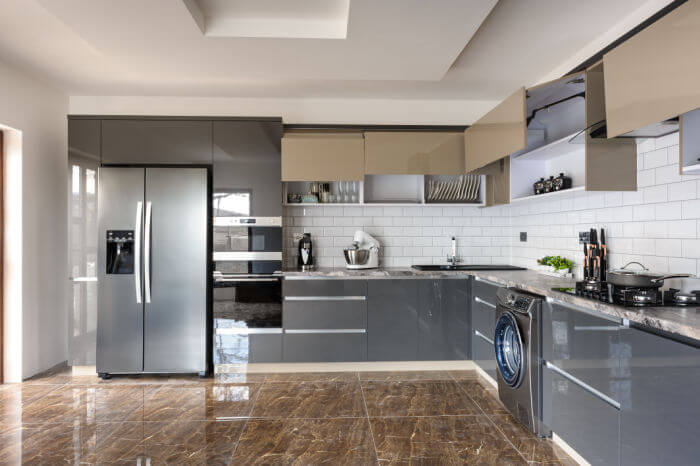
Porcelain is more durable and water-resistant, so it is better for busy kitchens. Ceramic works well in kitchens with less foot traffic and comes in more designs at a lower price. For kitchen backsplashes, ceramic, glass, and natural stone are all popular. Glass and mosaic tiles reflect light and are easy to clean behind the stove or sink.
Best Tile for Living Rooms and Hallways
Porcelain, especially in large sizes, is a great choice for busy living rooms and hallways.
It is hard and not very porous, so it lasts well. Large tiles, 18 by 18 inches or bigger, mean fewer grout lines, which makes cleaning easier and gives the room a more open look. Concrete tile is another option if you want an industrial or modern style.
Best Tile for Outdoor Spaces
Porcelain that is rated for outdoor use is the best choice for patios, pool areas, and outside steps. In cold climates, make sure it is rated for freeze-thaw cycles. Slate and granite are good natural stone options for outdoor spaces. Ceramic tile should not be used outside.
Best Tile for Showers
Use glazed porcelain for shower walls and larger floor tiles, and mosaic tile for the shower floor. The extra grout lines in mosaic tile help provide traction on wet floors. Do not use polished natural stone on shower floors, as it becomes slippery when wet.
Best Tile for Kitchen and Bathroom Backsplashes
Ceramic, glass, and mosaic tiles are the most common choices for backsplashes.
Ceramic is the most affordable and flexible. Glass tiles reflect light and give a modern look. Mosaic tiles add pattern and texture in small areas, where the higher cost per square foot is easier to manage.
How to Choose the Right Floor Tiles
Tile can look similar on the shelf, but performance can vary a lot from one material to another. These factors can help you choose a tile that fits the room, your lifestyle, and your maintenance preferences.
Water Resistance
Choose a tile with the right moisture absorption for the room. Use porcelain with 0.5% or less absorption and glass with 0% absorption in wet rooms and outdoors. Ceramic is best for dry or low-moisture indoor rooms. Only use natural stone and concrete if you can keep them sealed regularly.
PEI Rating
The Porcelain Enamel Institute (PEI) rates glazed tile for wear from 0, meaning walls only, to 5, meaning heavy commercial use. For home floors, pick tiles with a PEI rating of 3 or higher. Tiles rated 1 or 2 should only be used on walls and backsplashes.
Slip Resistance (DCOF)
The Dynamic Coefficient of Friction (DCOF) shows how slip-resistant a tile is when wet. For home floors in wet areas, the American National Standards Institute (ANSI) recommends a DCOF of 0.42 or higher. Matte and textured tiles are usually less slippery than polished ones.
Tile Size
Bigger tiles, 18 inches or more, mean fewer grout lines and can make a room look larger. Smaller tiles, like mosaics, have more grout lines, which add texture and grip but also require more cleaning. The size of the room matters too. Very large tiles can look out of place in small rooms.
Maintenance
Glazed ceramic and porcelain need the least upkeep. Just sweep and mop them regularly. Natural stone and concrete need to be resealed from time to time. Mosaic tile needs more frequent grout cleaning because there is more grout than tile.