Siding
How Much Does Insulated Vinyl Siding Cost?
Average Cost: $16,000 – $25,000
On average, you can expect to pay $8 per square foot (including materials and labor) for insulated vinyl siding. It offers energy efficiency, durability, and aesthetic appeal at a premium above standard vinyl siding. Before you commit, here’s what you need to know about insulated vinyl siding prices: what they tend to run nationally, what drives cost differences, how to budget based on your home’s size or number of stories, and which brands give you the best value.
Find the best siding contractors in your area.

The Modernize Mission
We help homeowners make confident decisions through our reliable, up-to-date, and unbiased information and average project costs. All of our content is thoroughly reviewed and fact-checked by our team of home improvement experts. Learn more about how we maintain these values.
Insulated Vinyl Siding Prices in 2026
Insulated vinyl siding averages around $8 per square foot installed nationwide (materials + labor). For a typical home with about 2,000 square feet of exterior wall area, that’s roughly $16,000 for a mid-range insulated vinyl siding project. Your total cost will vary based on siding quality, insulation level, home size, architectural complexity, and local labor rates.
| Cost Component | Square Foot Cost | Total Cost (2,000 square foot exterior walls) |
|---|---|---|
| Total Project | About $8 per square foot | $16,000 to $20,000 |
| Materials | $2 to $7 per square foot | $4,000 to $14,000 |
| Labor & Installation | $3 to $6+ per square foot | $6,000 to $12,000+ |
Cost Per Square Foot
Here’s what insulated vinyl siding typically costs per square foot in 2026, from low to high:
- Low End: $4 per square foot
- Mid-Range: $7 to $10 per square foot
- High End: $11 to $13+ per square foot
Cost Based on Home Size
Using common home sizes and layouts, here’s what you can expect for insulated vinyl siding prices:
- Small (1,200 Square Feet of Wall Area): $9,600 to $15,600
- Average (2,000 Square Feet of Wall Area): $16,000 to $25,000
- Large (3,000 Square Feet of Wall Area): $24,000 to $39,000+
For reference, the average U.S. home has about 2,000 square feet of exterior wall space.
Cost Based on Number of Stories
- One-Story Home: Often falls on the lower end of the cost range because access is easier and fewer safety measures are needed. For a one-story home with 2,000 square feet of wall area, you may see $14,000 to $20,000, depending on insulation, trim, and site conditions.
- Two-Story Home: Typically costs more due to height, scaffolding, and added labor complexity. It’s common to see 10% to 25% higher labor costs, pushing a similar-size project into the $18,000 to $28,000+ range for mid-range materials.
Factors That Affect Your Insulated Vinyl Siding Prices
These are the biggest variables that drive your total cost up or down:
- Insulation Thickness and R-Value: Thicker foam backing improves performance but increases material costs.
- Style of Siding: Specialty profiles, wide panels, and decorative trim add materials and labor time.
- Vinyl Quality: Premium finishes, fade resistance, and stronger warranties typically cost more.
- Old Siding Removal and Repairs: Removing existing siding and fixing sheathing or framing increases labor and disposal fees.
- Home Design: Corners, gables, dormers, and complex rooflines increase cutting, fitting, and installation time.
- Local Labor Rates: Pricing varies widely by region and seasonal demand.
- Home Height and Accessibility: Taller homes or limited access can require extra equipment and safety measures.
- Extra Materials and Permits: Permit costs, disposal, trim upgrades, and ordering 10% to 20% extra for waste can raise totals.
How to Save Money on Siding
These strategies can help reduce siding installation costs without sacrificing too much quality:
- Choose Mid-Range Insulation: Don’t overbuy R-value if your climate doesn’t demand it.
- Limit Trim and Decorative Detailing: Extra accents can raise material and labor costs quickly.
- Plan During Off-Peak Seasons: Some contractors offer better pricing when demand is lower.
- Compare Quotes: Get multiple estimates to compare labor, materials, and scope.
- Consider Partial Replacement: If budget is tight, prioritizing the most exposed walls can help (though full coverage performs best).
- Use Local Brands and Materials: Regional sourcing can help reduce shipping and delivery costs.
What to Know About Insulated Vinyl Siding
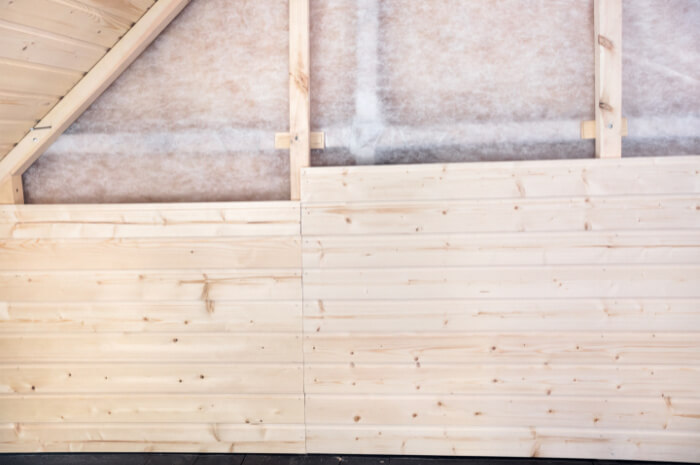
Insulated vinyl siding (sometimes called foam-backed siding) has a layer of rigid foam — usually expanded polystyrene (EPS) — attached to the back of each panel.
This built-in insulation helps reduce heat loss in winter and heat gain in summer. It can also make siding panels stronger, straighter, and less prone to sagging over time.
- Who It’s Best For: Homeowners in climates with very cold winters or hot summers, or anyone who wants a sturdier-looking siding with improved energy performance and curb appeal.
- Popularity Compared to Other Siding Types: Insulated vinyl siding costs more than standard vinyl, but it’s often less expensive than fiber cement, stone veneer, or natural wood.
It can improve efficiency compared to regular vinyl, though it won’t match the performance of a full exterior insulation system.
Pros and Cons of Insulated Vinyl Siding
Benefits
- Improved energy efficiency and potential reductions in heating and cooling costs
- Increased durability and resistance to warping or distortion
- Better noise reduction from outdoors
- Smoother appearance with straighter lines and less panel waviness
- Potential eligibility for rebates, tax credits, or utility incentives in some areas
Disadvantages
- Higher upfront cost compared to non-insulated vinyl siding
- More limited styles or color options in some product lines
- Heavier panels can be harder to install and may require experienced crews
- Moisture issues are possible if installation and flashing aren’t done correctly
- Warranty terms and long-term performance can vary by brand and product quality
Top Insulated Vinyl Siding Brands
Here are some major brands that offer insulated vinyl siding products, along with typical cost ranges and what they’re best for.
| Brand | Approximate Cost Per Square Foot | Best for |
|---|---|---|
| CertainTeed Siding | $5.00 to $9.00 | Balanced quality and style; strong warranty; good insulation options |
| Alside Siding (Prodigy line, etc.) | $6.00 to $8.00+ | Strong insulation, premium finishes, good color and texture variety |
| Norandex Siding | $5.00 to $7.00 | Mid-tier choice; good performance profiles with typical insulation backing |
| Royal Siding | $5.50 to $7.50+ | Premium finishes; better impact and weather resistance |
| Georgia-Pacific | $5.00 to $8.00 | Good for strong structural performance; may have more impact and durability features |
Costs vary based on region, insulation thickness, trim, labor, and finishing details.
Conclusion: Budgeting Your Insulated Vinyl Siding Project
Insulated vinyl siding can improve energy performance, boost durability, and create a cleaner, more rigid finished look, but you’ll typically pay more than you would for standard vinyl.
In 2026, a common benchmark is about $8 per square foot installed, which often totals around $16,000 for a home with 2,000 square feet of exterior wall area.
Depending on materials and complexity, projects can range from about $6,000 to $25,000+.
To get the best value:
- Choose an insulation level that matches your climate
- Keep trim and upgrades focused on the areas that add the most visual impact
- Compare multiple bids to evaluate labor, materials, and scope
- Check for local rebates, tax credits, or utility incentives that can offset costs
With the right planning, you can budget confidently and get siding that lasts, looks great, and may reduce energy costs over time.