


When Is the Best Time of Year to Replace Windows?
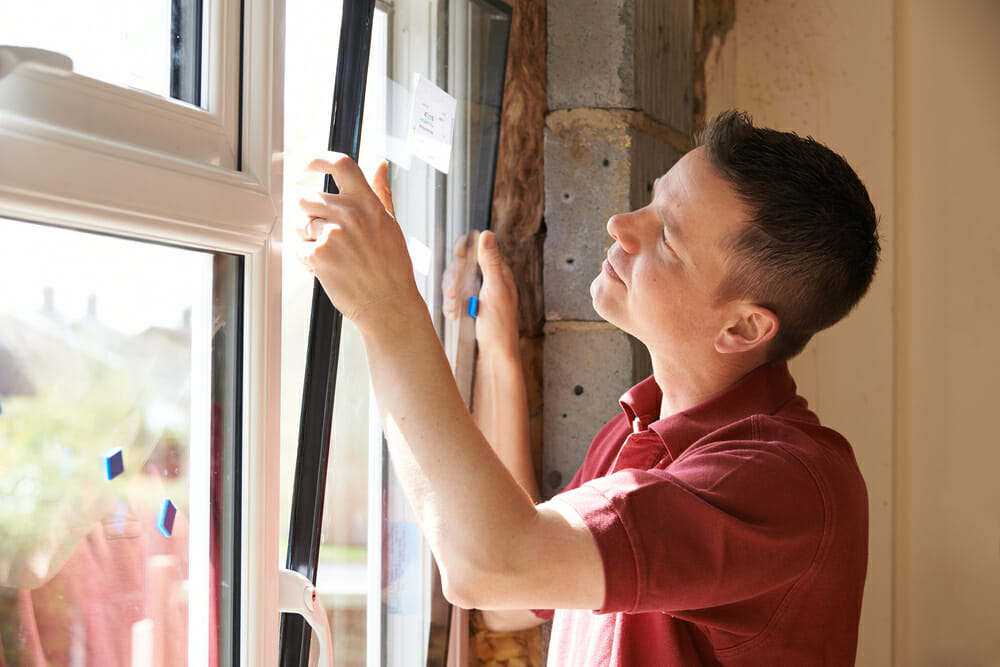
The best time to replace windows is typically during spring or fall, when temperatures are mild and weather conditions are more predictable. These seasons help ensure proper installation, better sealant performance, and minimal disruption to your home’s heating or cooling.
Seasonal timing can also affect cost, contractor availability, and how smoothly your project runs. In this guide, you’ll learn when window replacement is cheapest, how timing impacts pricing, and smart ways to save no matter when you schedule your project.
| Season | Typical Cost Impact | What to Expect |
|---|---|---|
| Spring | Average | Ideal temperatures, high demand |
| Summer | Slightly higher | Busy schedules, good curing conditions |
| Fall | Average to lower | Mild weather, flexible scheduling |
| Winter | Lower | Discounts possible, fewer installers booked |
When Is the Cheapest Time of Year to Replace Windows?
In most parts of the U.S., late fall through winter is the cheapest time to replace windows. Demand drops after peak remodeling season, and many contractors offer discounts to keep crews busy.
While cold weather requires extra installation precautions, professional installers can safely replace windows year-round. Homeowners willing to schedule during the off-season often save on both labor and materials.
What Month Do Windows Go on Sale?
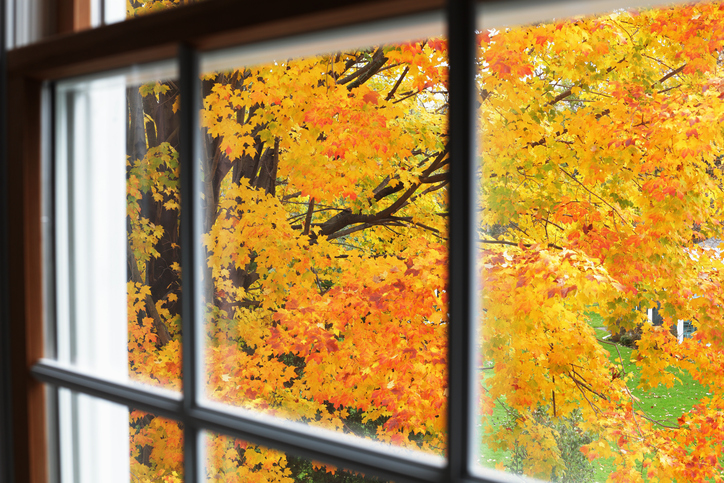
Many homeowners find the best window deals in August, November, and January. August tends to be slow due to vacations and back-to-school schedules, while late fall and winter coincide with manufacturer promotions and contractor incentives.
Other Ways to Save on Window Replacement Costs
- Replace Multiple Windows at Once: Larger projects often qualify for volume discounts.
- Choose Standard Sizes: Custom windows cost more and take longer to install.
- Compare at Least Three Quotes: Itemized estimates help identify real value.
- Ask About Rebates: ENERGY STAR windows may qualify for incentives.
How to Negotiate Window Prices
Window pricing is often flexible. Ask contractors about seasonal discounts, manufacturer rebates, or price matching. Scheduling during slower months and being open to alternative brands or installation dates can also help reduce costs.


Hidden Costs to Watch Out For
- Frame or Sill Damage: Often discovered once old windows are removed.
- Permit Fees: Required in some cities and municipalities.
- Trim or Drywall Repairs: May be needed after installation.
- Disposal Fees: For old windows and debris.
What Affects My Costs?
- Seasonal Demand: Peak seasons usually cost more.
- Local Labor Rates: Metro areas tend to be more expensive.
- Window Type and Materials: Vinyl costs less than wood or fiberglass.
- Installation Method: Full-frame replacements cost more than inserts.
- Weather Conditions: Extreme heat or cold can add labor time.
Next Steps
The best time to replace windows depends on your budget, timeline, and local climate. While spring and fall offer ideal conditions, off-season installations can provide meaningful savings when handled by experienced professionals.
Modernize can help you compare quotes from trusted local window installers, find seasonal deals, and choose the right time to move forward with confidence.
-

How Much Does Castle Windows Cost?
How Much Does Castle Windows Charge for Window Replacement? On average, expect to pay between $4,000 and $15,000 for full window replacement throughout your home. Most customers find that their... -
How Much Do DaBella Windows Cost?
How Much Do DaBella Windows Cost? DaBella offers top-of-the-line vinyl windows at an average cost of $1,250 to $1,600 per window. For a 10 to 15 window project, expect to pay... -

How Much Does Window Nation Cost?
Average Cost for Window Nation Windows Window Nation doesn’t publish prices on their site, but third-party sources provide estimates of the company’s average window costs. Expect to pay between $1,200... -
Power Home Remodeling Windows Cost
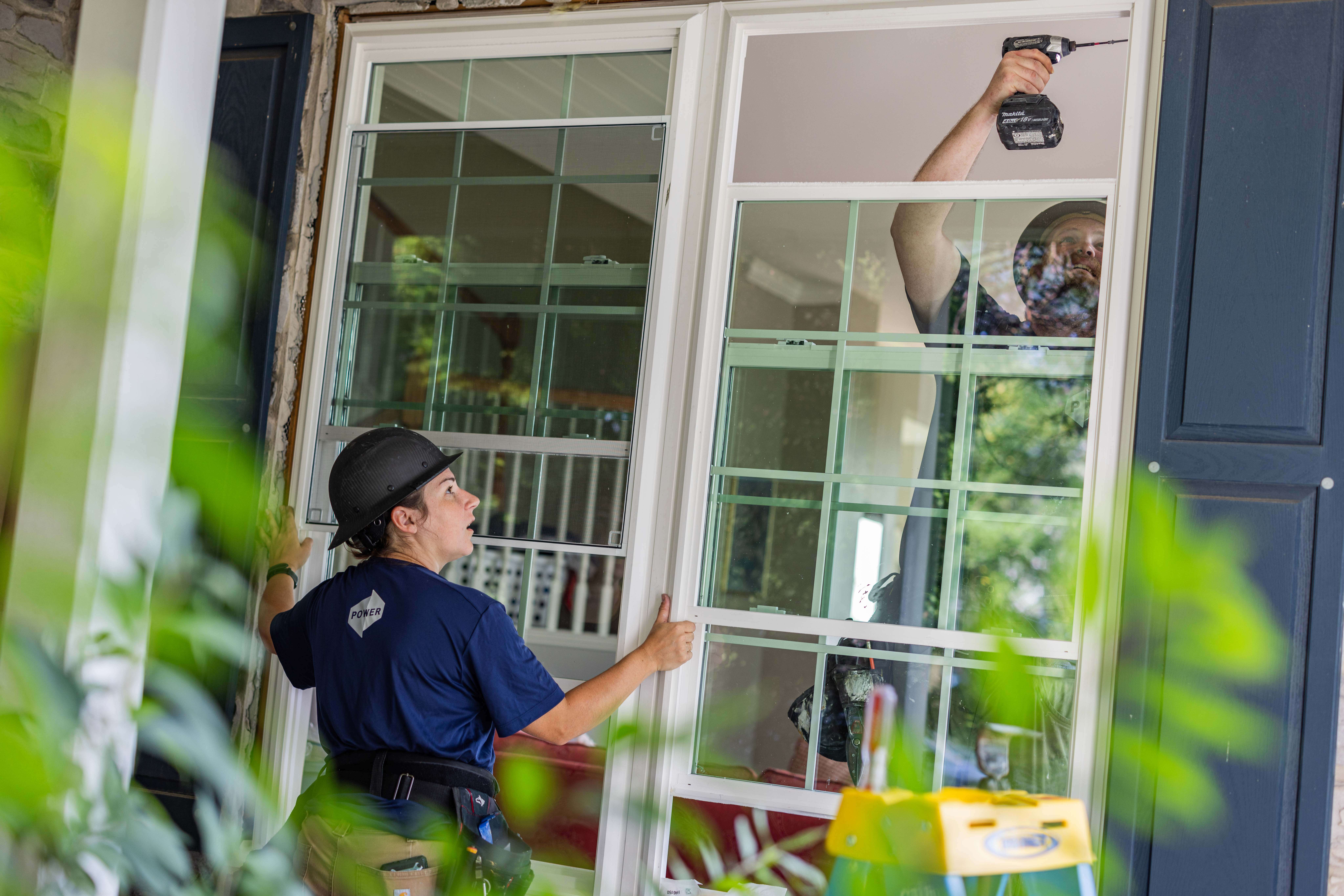
How Much Do Power Home Remodeling Windows Cost? Window replacement with Power Home Remodeling (PHR) typically costs between $400 and $1,100 per window installed, or $150 to $800 for the... -
Common Window Problems
Common Window Problems Homeowners Should Watch For Windows do more than bring in light. They help protect your home from weather, maintain indoor comfort, and support energy efficiency. Over time,... -

Andersen Windows Cost Guide
What’s the Average Cost of Andersen Windows? The national average cost of Andersen Windows is $1,900 per window or $28,500 for a full window replacement. Installation costs can range from...