What Do Gutters Actually Do?
Gutters catch rainwater from your roof and guide it away from your home’s foundation. By moving water through downspouts, gutters help prevent moisture damage, erosion, and expensive structural issues.
More specifically, gutters:
- Redirect rainwater away from the foundation to prevent cracks and shifting
- Reduce the risk of basement flooding by controlling runoff
- Protect siding and exterior walls from water stains and rot
- Prevent fascia and soffit damage caused by standing water
- Minimize soil erosion around the perimeter of the home
- Help prevent mold and mildew growth caused by excess moisture
- Reduce ice dam formation in colder climates
If you don’t have gutters, rainwater falls straight off the roof and pools around your home. Over time, this constant soaking can weaken your home’s structure and make foundation movement or water leaks more likely.
Simply put, gutters are a drainage system that helps protect your home from water damage over time.
What Happens If a House Doesn’t Have Gutters?
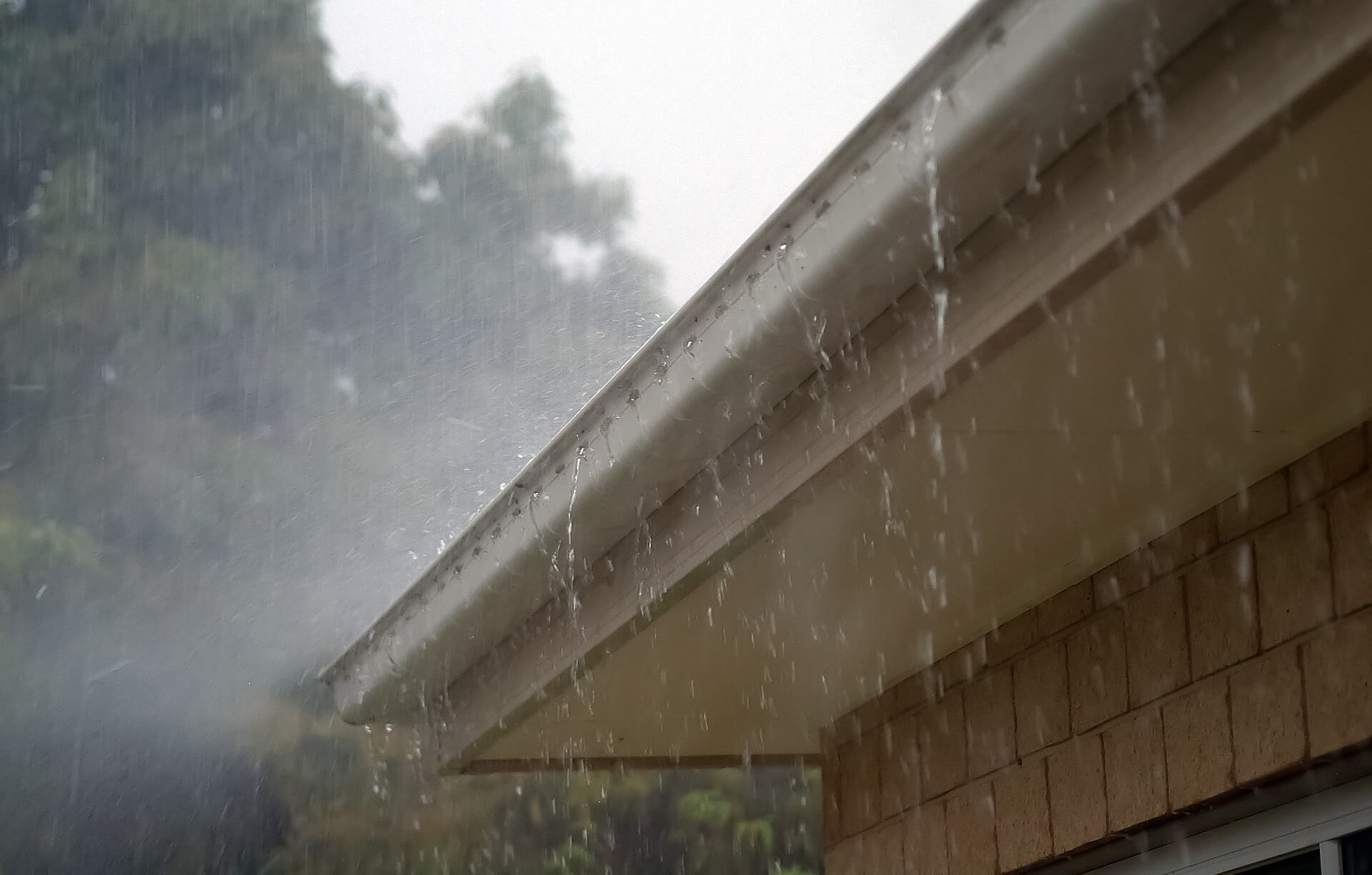
A house without gutters is more likely to have water damage. Rainwater runs off the roof and gathers around the foundation, siding, and landscaping, which can cause both structural and cosmetic issues as time goes on.
Here’s what can happen:
Foundation Damage
When water collects around your home, it soaks into the soil and puts extra pressure on the foundation walls. Over time, this can lead to cracks, shifting, or even serious structural problems. Fixing a foundation is often one of the most costly home repairs.
Basement Leaks and Flooding
Too much water near the foundation can seep into basements through small cracks or porous concrete. This can cause damp walls, standing water, mold, and damage to floors and anything stored in the basement.
Roof Edge and Fascia Rot
If there are no gutters to catch rain, water keeps dripping along the roof’s edge. This can make fascia boards and soffits rot, which weakens the roof and may lead to expensive repairs.
Soil Erosion Around the Home
When heavy rain falls off the roof, it can dig trenches in the soil and harm your landscaping. Over time, this erosion can change the slope of your yard, making even more water flow toward your house.
Siding Stains and Exterior Damage
When rain keeps splashing up from the ground, it can stain your siding, peel paint, and help mold or mildew grow on your outside walls.
Ice Dams in Cold Climates
In cold areas, water that runs off the roof can freeze along the edges and form ice dams. These ice dams trap water on the roof, which raises the risk of leaks and damage to your shingles.
Are Gutters Necessary for Every House?
In most cases, yes, gutters are needed to protect your home from water damage. Still, whether you must have them depends on your roof design, climate, soil, and how your yard drains.
Some homes can get by without gutters, but most do better with a good drainage system in place.
Here’s when gutters are especially important:
Homes In Heavy Rainfall Areas
If you live where it rains a lot, gutters are highly recommended. Heavy rain running off the roof can quickly soak the soil around your foundation, raising the risk of flooding and damage.
See our recommendations: Best Gutters for Heavy Rain
Homes with Basements or Crawl Spaces
Homes with basements are more likely to have water problems. Gutters help control rainwater and lower the pressure on foundation walls, which reduces the risk of leaks and moisture issues.
Homes with Poor Drainage Soil
Clay soils drain slowly and swell when wet. If gutters don’t move water away, this swelling can cause the foundation to shift or crack over time.
Homes with Short Roof Overhangs
If your roof doesn’t stick out much, rainwater falls close to the foundation instead of spreading out. Gutters help move that water farther from your house.
Slab Foundations
Even homes with slab foundations can benefit from gutters. There may not be a basement to flood, but water pooling around the slab can still cause cracks, settling, and erosion.
When Might a House Not Need Gutters?
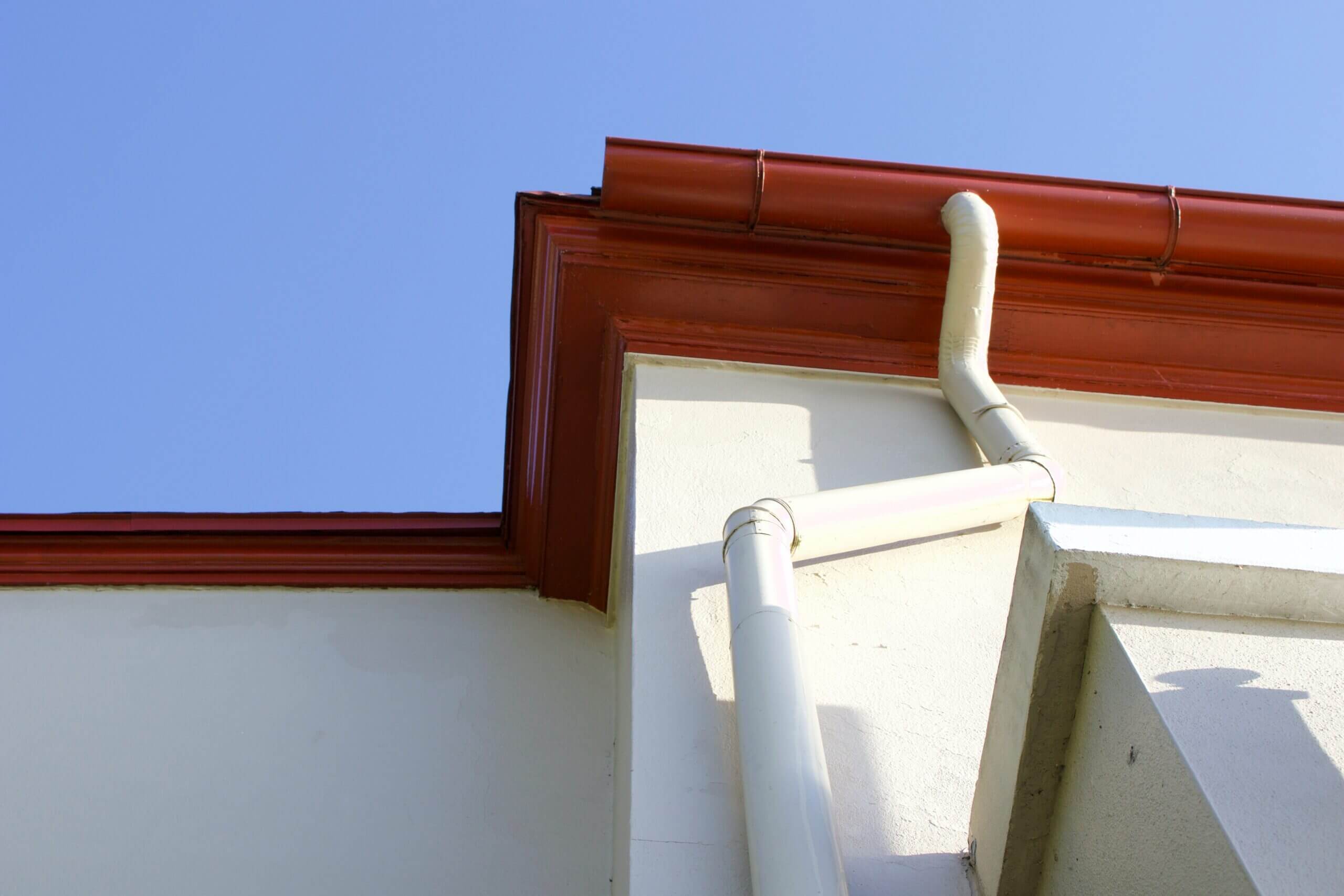
Some homes are intentionally designed without traditional gutters. These may include:
- Homes with large roof overhangs that direct water far from the walls
- Properties with steep roof slopes that naturally disperse runoff
- Homes with integrated drainage systems, such as French drains or underground runoff channels
- Houses in very dry climates with minimal rainfall
Even in these situations, you still need well-designed drainage solutions to avoid long-term damage.
What Are the Pros and Cons of Gutters?
For most homeowners, gutters help your roof last longer, reduce flooding, protect your foundation, keep your siding in good shape, and preserve your landscaping.
Even for homes that might not need gutters, drawbacks are minimal. However, poor installation, lack of maintenance, or failure to clean gutter systems can create future issues.
What Gutter Types Can I Choose From?
Homeowners should consider two main things: the material and the style of gutters.
Gutter Materials
When considering gutters, homeowners will primarily be presented with gutters made from:
Aluminum is a popular choice because it’s easy to install, affordable, comes in many colors, and resists rust. Vinyl is another budget-friendly option, but it’s not as durable. Copper, zinc, and steel last longer but cost more.
Gutter Types
You can choose K-style gutters, which are the most common and handle a lot of water, or half-round gutters, which are cheaper but carry less water.
There are also many gutter guard options, like screen guards, fine mesh guards, and surface tension guards, to help keep debris out of your gutters.
How Expensive Are Home Gutter Systems?
The cost to install gutters depends on your home’s size, the type of system, and the materials you pick. Prices usually range from a few hundred to several thousand dollars, with most people spending about $1,225. The national average is between $900 and $5,000.
After initial installation, most gutter systems last several decades with proper cleaning and occasional maintenance. This investment is worthwhile, especially when considering the costs of repairing water damage to your foundation or addressing erosion.


How Much Maintenance Is Required?
To keep your gutters working well and avoid roof damage, it’s best to clean them and the downspouts twice a year, or more often if you have trees hanging over your roof.
In order to streamline regular maintenance, the gutter guards discussed above can prevent debris buildup and clogged gutters, reduce cleaning times, and prevent you from needing a complete replacement.
Should I Invest In a Home Gutter System?
Gutters are a smart way to protect your home’s foundation and keep your walls, siding, floors, and landscaping safe from water damage.
Let Modernize help you find a trusted local contractor who can explain your home’s gutter needs and get you closer to a system that protects your family and your home from the weather.
Find the Right Contractor for Your Gutters Project
Whether you’re ready to begin your project now or need some expert advice, our network of contractors are here to help. With a few simple questions, we’ll find the best local professionals for you