Before anyone steps foot into your home, the first thing they will notice is your front yard and landscaping. For first-time homeowners, the thought of lawn care can conjure images of pulling weeds and spending the weekend mowing the yard. While those are often required chores, an outdoor space allows homeowners to customize a unique space for entertaining, family time, or simply to boost curb appeal. In this article, we will provide some landscaping tips for first-time homeowners and a few ideas for how you can turn your yard into a perfect outdoor oasis.
Caring for Your Front and Back Yard
Lawncare is the foundation of maintaining appealing landscaping for any home. While specific lawn needs vary by region and climate, there are general landscaping tips and tricks for first-time homeowners in any area to follow.
1. Mow Every Week
Sounds simple, right? While casually pushing the mower across the lawn on a Saturday morning might be enough to keep the HOA happy, for a yard to truly shine it needs a bit more love.
Cut the grass every five to seven days. Taller grass grows deeper roots by absorbing more moisture, so a keep it on the longer side during summer.
First, invest in a quality lawnmower that fits the needs of your home—a riding mower in a small, urban lot might be overkill. Be sure to keep its blades sharp throughout the year, as dull blades tear grass.
While it may be tempting to cut the grass as short as possible to reduce your mowing frequency, this can actually damage your yard and lead to weeds. It is best to cut to between two and four inches, depending on the type of grass.
2. Water Twice Weekly
Obviously, your yard needs water to grow into lush landscaping. However, underwatering can lead to dryness, and overwatering can lead to root rot or other fungal issues.
In general, water your lawn for about 20 minutes, 2-3 times a week for most of the year, reducing as needed during winter. You should be able easily insert a six-inch screwdriver into your yard if it is properly watered.
Also consider the time in which you are watering the landscaping. The best time to water is in the morning, so as to allow moisture into the root system before evaporating from more direct sunlight.
3. Fertilize Regularly
Fertilizer provides the nutrients your yard needs to thrive. Even the healthiest lawns can use a boost now and again.
Use fertilizers rich in nitrogen to replenish lost nutrients and keep your yard thriving no matter the season. The exact kind of fertilizer will depend on the grass type, soil type, and climate.
Landscaping Tips: Beyond the Yard
While yards are the core feature of many outdoor spaces, first-time homeowners can tackle a variety of landscaping projects to create their perfect oasis.
Before you begin any landscaping project, you will want to know a few key factors. For example, how much sunlight and shade the different areas of your yard get, if water pools anywhere during rain, and what your climate zone is. You may want to look into climate-wise landscaping to find a landscaping plan that works for your home.
Knowing the answers to these questions will help you plan an effective landscaping layout that thrives.
Landscaping Tips for Form and Function
Do you want a garden sanctuary, a space for hosting, or an outdoor wonderland for the family? For first-time homeowners, landscaping presents an opportunity to create the perfect slice of outdoors to fit any need.

The Green Thumb
From a window box to a raised bed to an entire side yard, a garden space is a great way to spruce up any home.
Once you know how the sun hits the various areas of your yard, you will want to create the proper soil environment. That may mean a certain mix for potted plants or removing weeds and adding topsoil to the yard.
While it might be tempting to plant any flower or plant you find appealing, it is best to select flora that’s native to your environment. While the care for every plant is different, selecting something local to your region will provide it the best chance of surviving, whatever weather conditions are thrown at it. You can also lean on local experts for advice on when to plant and how to properly care for your garden with each season.
First-time homeowners can also look to incorporating fruits, vegetables, and herbs to provide fresh foods for homecooked meals. Many local varieties can be simple to maintain and flourish—even for those who lack a green thumb.
The Entertainer
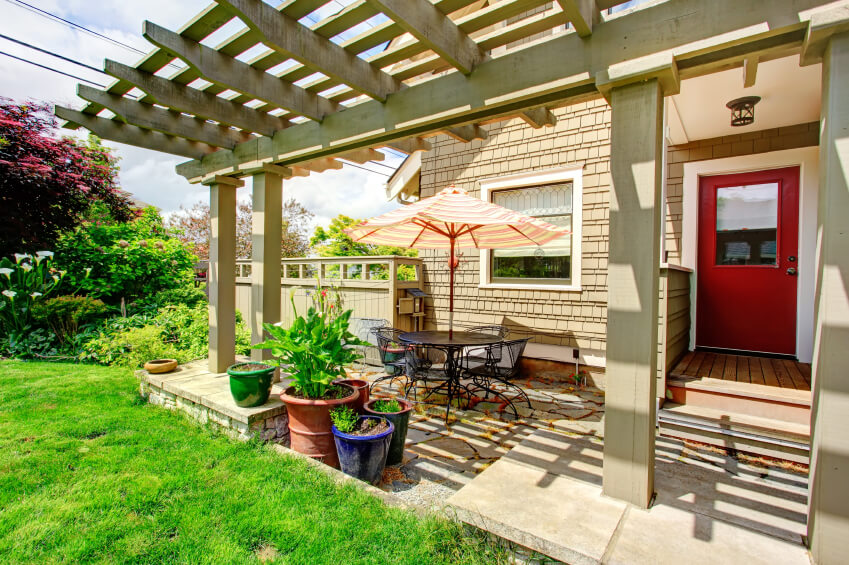
While flowers and greenery make your landscaping beautiful, you might want it to be a bit more functional for entertaining. This could mean installing an outdoor kitchen, buying a grill, putting in a pool or hot tub, creating a comfortable space for outdoor furniture, or building a new deck.
These projects might not be thought of as landscaping renovations, but they play an important role in how your green spaces are designed and maintained.
If you intend to complete one of these larger outdoor projects, plan your other landscaping features around them. You do not want to plant a garden, only to dig it up the next year for patio pavers and a grill!
Functional Designs
While a garden or patio might be exciting, some landscaping projects serve important roles that might not be as apparent. Adding rocks or stones can break up an understated natural accent, create a spillway for gutter run-off to prevent mud, or create an elegant pathway.
Lighting can also add some extra pop (and security) to your landscaping. Homeowners can choose from a variety of solar-powered options, decorative options like bulb lanterns, and even lights that look like rocks to flow seamlessly into a garden.
Budgeting for Your Landscaping Project
As with any home renovation project, establishing a budget can help homeowners set expectations and put together an achievable plan.
Plants, shrubs, and flowers are desirable additions to any outdoor space, but they come with a cost that can sometimes be higher than expected. Homeowners will want to set aside funds for flora, furnishings, regular maintenance costs, supplies (one-time purchases like lawnmowers and repeat costs like fertilizer and mulch), and any professional landscaping labor costs.
Planning Tips for Your Landscaping Project
Building and maintaining the perfect outdoor space takes time. You will want to experience every season and weather condition in your new home to truly understand the most effective way to take advantage of its landscaping.
The less worry you have to complete everything as quickly as possible, the better your final product will be.
Don’t be afraid to ask for help! Find a professional landscaper in your local area to help you turn your back or front yard into your perfect oasis.
Find the Right Contractor for Your Home Improvement Project
Whether you’re ready to begin your project now or need some expert advice, our network of contractors are here to help. With a few simple questions, we’ll find the best local professionals for you