Water Heater Issues: Common Problems
Understanding how issues affect different types of water heaters can make troubleshooting easier. While tank and tankless water heaters have different components, problems like leaks and age-related wear can happen with both. Regular maintenance and timely repairs — or replacement when necessary — can extend the life of your system and keep it running efficiently.
Leaking Water Heater
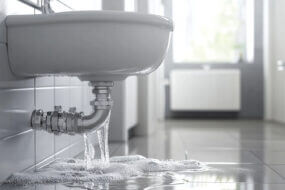
A leaking water heater may be caused by loose fittings, a failing valve, or tank corrosion. Top leaks are often repairable; bottom leaks often mean replacement (especially for tank units).
- General: Leaks can come from corrosion, tank cracks, loose drain valves, worn gaskets, or faulty connections.
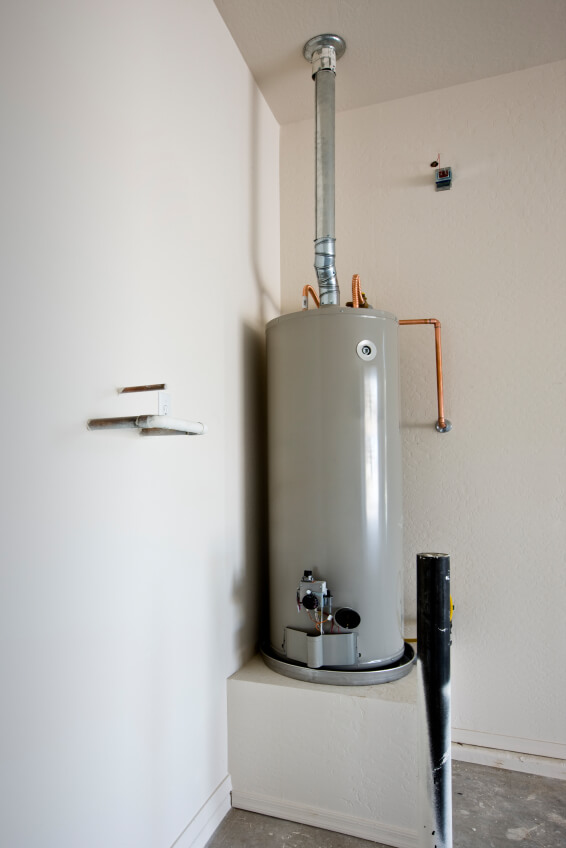
- Tank water heaters: A leak near the top may be fixable by tightening a fitting or replacing a valve/connection. Leaks at the bottom often indicate internal tank corrosion and typically require a full replacement.
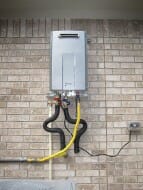
- Tankless water heaters: Tankless models can still leak due to installation issues or component failure, but repairs are often more straightforward since there’s no large storage tank.
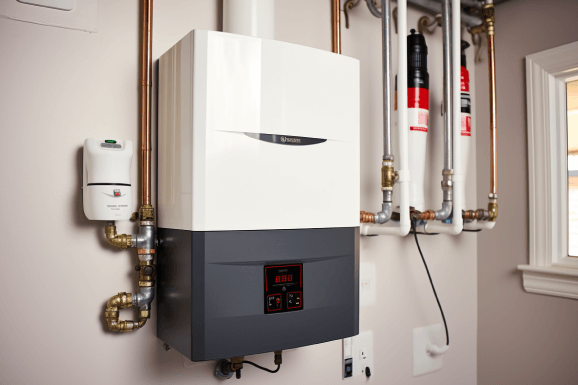
Frozen Water Heater
Water heaters (and their pipes) can freeze in cold climates, increasing the risk of burst pipes and water damage. Insulating exposed pipes is one of the most effective prevention steps.
- General: In colder regions, freezing temperatures can affect water heaters and nearby plumbing, raising the risk of burst pipes and leaks.
- Preventive measures: Insulate exposed pipes and, where appropriate, the tank. Avoid covering key components such as the pressure relief valve and drain valves.
- Tank vs. tankless: Tank water heaters are typically more vulnerable due to the large volume of stored water. Tankless models have less standing water, but the supply and outlet pipes can still freeze in extreme cold.
Outdated Water Heater
As water heaters age, they’re more likely to leak, heat inconsistently, or run less efficiently — often due to corrosion or mineral buildup.
- Aging issues: Older water heaters may produce less hot water, deliver inconsistent temperatures, make unusual noises, or show signs of leaking and rust.
- Tank water heaters: Many tank units last about 8 to 12 years. Common causes of decline include tank corrosion and sediment buildup, which can reduce efficiency and affect water quality.
- Tankless water heaters: Tankless units often last longer (sometimes up to 20 years) but can lose efficiency over time — especially without maintenance. Mineral buildup in the heat exchanger is a common culprit.
Water Heater Repairs vs. Replacements
As a quick rule of thumb, repair is usually best for newer units with minor issues. Replacement is more likely the right move for older units, tank corrosion, or expensive repairs. Some things to consider when deciding between repair and replacement are:
- Age of the unit: If your water heater is newer and the issue is minor, repair is often the best route. In some cases, a drain and flush can restore performance and efficiency. For older units with major problems (like a corroded or cracked tank), replacement is often the only practical option.
- Cost comparison: Compare the repair estimate to the cost of a new unit. If the repair is around two-thirds (or more) of the cost of a new water heater, replacement is often the better long-term value.
- Household needs: If you regularly run out of hot water, upgrading to a larger or more efficient model may better match your household demand and reduce frustration.
Making the Right Choice
The right decision depends on the problem, the unit’s age, and overall costs. Replacing an old water heater can also improve energy efficiency and lower utility bills over time. If you’re unsure whether a repair will hold — or the issue could involve corrosion, gas, electrical, or pressure components — consulting a professional can help you choose the safest and most cost-effective path.
Find the Right Contractor for Your Plumbing Project
Whether you’re ready to begin your project now or need some expert advice, our network of contractors are here to help. With a few simple questions, we’ll find the best local professionals for you