Noticed some strange, unidentifiable patterns on your vinyl siding? Do you live in a subdivision? The source of the problem could be right outside your window.
Across the US, homeowners have been reporting a strange phenomenon: rippled, melting vinyl siding on just one side of their homes. The possible culprit? Windows with low-emissivity glass installed on a nearby neighbor’s home.
It all has to do with the way low-E energy efficient windows are made — they’re designed with a special coating that reflects light and heat back into a home’s interiors. Under normal circumstances, that’s a good thing. It means less of the heating and cooling inside is emitted through the window glass. But slight variations in the window can cause big problems for homes with low-E glass — particularly if they sit next to a home clad in vinyl siding.
It’s a rare enough situation, but sometimes shifts in barometric pressure can cause low-E windows to bow, which turns them slightly concave. That focuses the light reflecting through the window, effectively turning them into a magnifying glass. And if those windows are positioned close by to a neighbor with vinyl siding, the end result can spell trouble for next-door cladding. The focused light and heat melts the siding next door — potentially ruining the siding next door, and relationships between neighbors!
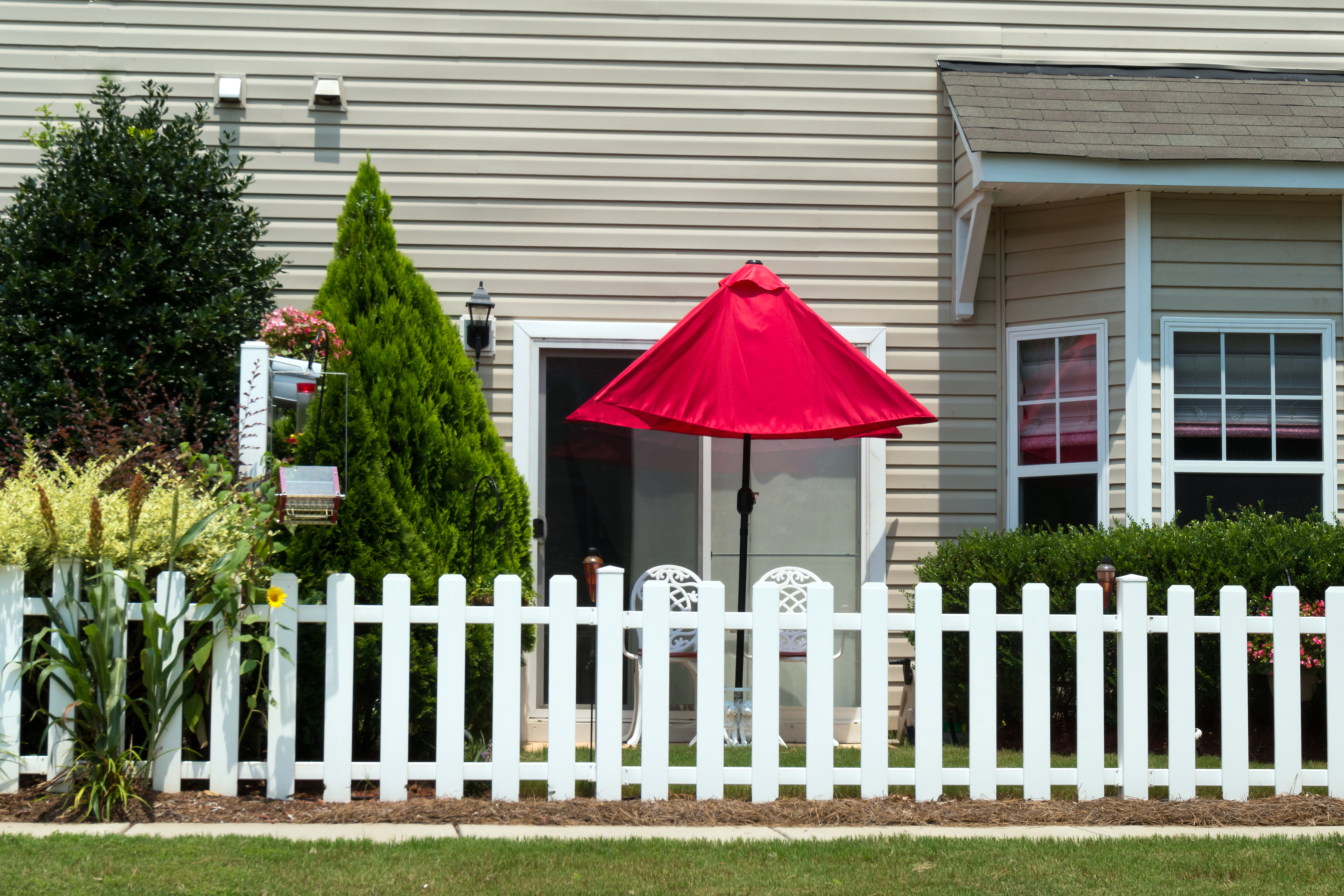
Is Your Siding Being Damaged by Your Neighbor’s Windows?
If you have melting vinyl siding, it’s best not to go storming into your neighbor’s home until you have all the facts (actually, probably don’t do that at all, unless you intend to move away soon!). A lot of things can cause vinyl siding to warp besides the windows next door. If you’ve had it installed in the last year, it could be buckling because it was improperly installed, or it could be due to a materials defect from the manufacturer. You can tell it’s caused by one of these things because the damage will be all over your home, not just focused in a single area.
But even if your siding has sustained damage in just one spot, it’s still not a guarantee that it’s due to your neighbor’s windows. One likely culprit is a nearby grill, fire pit, or chimenea — any of these fiery accessories can cause heat damage as well.
Heat reflection usually only harms siding when two homes sit very close to one another. If there’s more than 20 feet between you and your neighbor, the problem is likely contributable to one of the other factors mentioned above. So take a look at the breadth and type of damage before you go pointing fingers — or have an inspector out to give you their professional opinion.
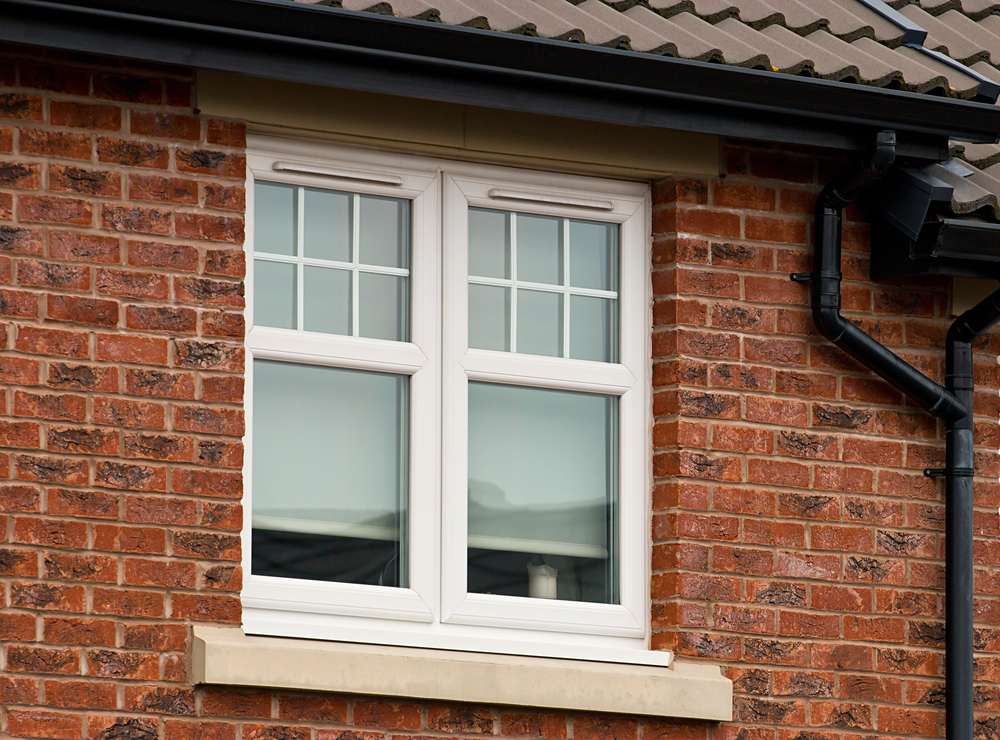
How to Protect Your Neighbors from Your Low-E Windows
On the flip side, maybe you’re the one with the low-E windows on your home — or you’re hoping to get some installed soon. Don’t let the risks dissuade you from going low-E. They’re still one of the highest performance glazing options around. According to the Department of Energy, low-E coatings can reduce heating and cooling losses by somewhere between 30 to 50%, so you definitely shouldn’t miss out on those savings.
Keep an eye on your windows after they’re installed though — particularly the ones on the south side of your home. You can also deflect some of the effects by installing screens on each window, since that will reduce the intensity of the glare. Other ideas are awnings that fit over the windows — those will net you some passive cooling on hot days, as well. In fact, according to Energy.gov, installing metal or canvas awnings on your home’s windows reduces solar heat gain by up to 65% on south-facing windows and 77% for those that face west.
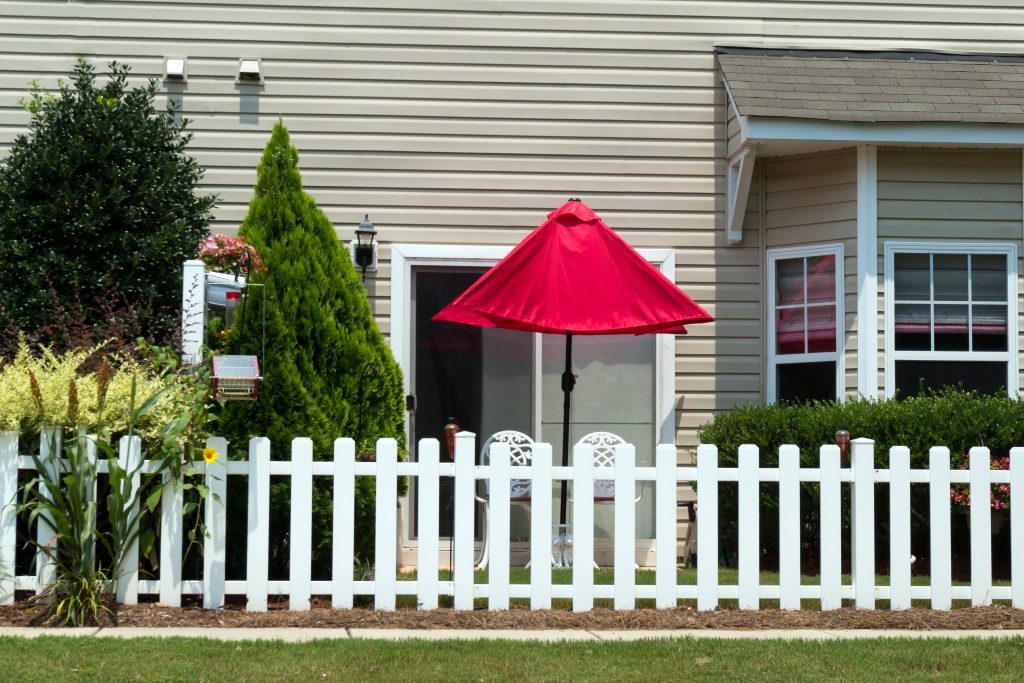
You can also add a privacy fence or a hedge, a pergola or vine-covered trellis — truly, the world is your oyster! If you start flexing your creative muscles, there are plenty of ways to add shade and protection to your home — while keeping your curbside appeal (and most importantly, your neighbor’s siding!) intact.
Keep in mind, too, that this issue is still relatively rare. It takes essentially a perfect-storm situation to create the conditions that allow vinyl siding to melt. Still, with trends among homeowners favoring both high-efficiency windows and vinyl cladding — and many building codes now requiring low-E windows on new homes — it’s most likely a problem we’ll see more and more.
If you’re thinking about purchasing a new home with low-E windows, ask your inspector to take a good look at the windows first to ensure that they were installed properly and that there are no problems. You definitely don’t want your first encounter with your new neighbors to include an awkward conversation about what to do with their siding! This is one case where good fences really do make good neighbors!
Find the Right Contractor for Your Windows Project
Whether you’re ready to begin your project now or need some expert advice, our network of contractors are here to help. With a few simple questions, we’ll find the best local professionals for you