No Local Pros Yet
...but we're always adding new contractors and can let you know when one's ready to connect.
Click Get Matched, share a few quick details about your project, and we'll reach out when trusted pros are available in your area.
Get Matched
Get Matched by Modernize
-
 Share details about your home project
-
 Quickly connect with top-rated local pros.
-
 Compare quotes and choose the best fit.
Find Trusted Fence Installation Contractors in Lansing
Whether you're putting up a privacy fence, replacing a rotted section, or installing a fence for the first time, Modernize connects you with vetted local pros in Lansing who can handle the full job — from pulling permits to setting posts to finishing the gate — and a good contractor will help you pick the right material for North Carolina's specific climate conditions before you commit to anything.Why Climate Matters for Fence Installation in North Carolina
North Carolina's humid subtropical climate — with average precipitation around 43 inches annually, summer highs around 89°F, and winter lows down to 31°F — directly affects which fence materials last and how posts need to be set, because humid summers and mild winters accelerates rot in untreated wood, cause frost heave that loosens posts in soils that freeze, and stress vinyl and metal fencing in ways that don't show up until a few seasons in; a local contractor who installs fences in Lansing regularly knows how deep posts need to go and which materials are worth the investment here.Common Fence Installation Services in Lansing
- Privacy fence installation — wood, vinyl, or composite panels at 6–8 feet; in North Carolina's climate, material choice matters significantly for long-term performance
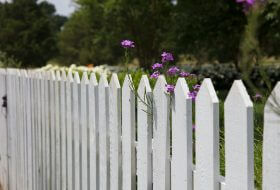
- Picket fence installation — wood or vinyl picket fencing for front yards, garden borders, or decorative boundaries
- Chain-link fence installation — durable and cost-effective for yards, dog runs, or property lines; galvanized or vinyl-coated options hold up better in North Carolina's conditions
- Split-rail fence installation — open post-and-rail fencing for larger lots, rural properties, or decorative borders
- Aluminum or ornamental iron fencing — low-maintenance metal fencing for pool enclosures, front yards, or decorative applications
- Vinyl fence installation — low-maintenance alternative to wood that resists moisture and insects, often a strong choice for North Carolina's climate
- Fence repair and section replacement — replacing damaged posts, panels, or rails; frost heave and moisture damage are common repair drivers across North Carolina
- Gate installation — single or double swing gates, sliding gates, or driveway gates
- Pool fence installation — code-compliant fencing around pools, typically requiring self-closing, self-latching gates
What Does Fence Installation Cost in Lansing, NC?
Fence installation costs in North Carolina depend on material, linear footage, and site conditions — rocky or clay-heavy soil common in parts of North Carolina can require deeper posts or concrete footings that add labor cost, so get at least two or three itemized quotes that specify post depth, footing type, and whether permit fees are included. For more detail, see Modernize's fence installation cost guide.| Fence Type | Typical Cost per Linear Foot in North Carolina (Installed) |
|---|---|
| Chain-link | $10 – $28 |
| Split-rail (wood) | $13 – $28 |
| Wood picket | $16 – $38 |
| Wood privacy | $20 – $50 |
| Vinyl (picket or privacy) | $22 – $55 |
| Aluminum / ornamental iron | $27 – $65 |
| Composite | $32 – $60 |
Signs Your Fence Needs to Be Replaced
- Posts that lean, wobble, or have rotted bases — frost heave and ground moisture in North Carolina are the most common culprits; widespread lean usually means replacement, not repair
- Boards or panels that are cracked, split, or missing — in North Carolina's climate, wood that's been through multiple wet-dry or freeze-thaw cycles often deteriorates faster than it looks from a distance
- Rust on metal fencing that goes beyond the surface — surface rust can be treated, but pitting that goes through the metal means the fence is structurally weakened
- A gate that won't latch, swing, or stay level — gate problems usually mean the posts on either side have shifted, which is common after hard winters or wet seasons in North Carolina
- A fence that's more than 15–20 years old — most wood fences in North Carolina's climate reach the end of their functional life by then; at that point repair costs often approach what replacement would cost