Connect With Top-Rated Flooring Pros Near Washington, DC, 20001
Explore verified local Flooring professionals — read real reviews, access promotions, and request quotes in minutes.
No Local Pros Yet
...but we're always adding new contractors and can let you know when one's ready to connect.
Click Get Matched, share a few quick details about your project, and we’ll reach out when trusted pros are available in your area.
Get Matched by Modernize
Share details about your home project.
Quickly connect with top-rated local pros.
Compare quotes and choose the best fit.
Written By: Jaiden HartUpdated: Jan 20, 2026
Why Hire a Local Flooring Expert in Washington, DC?
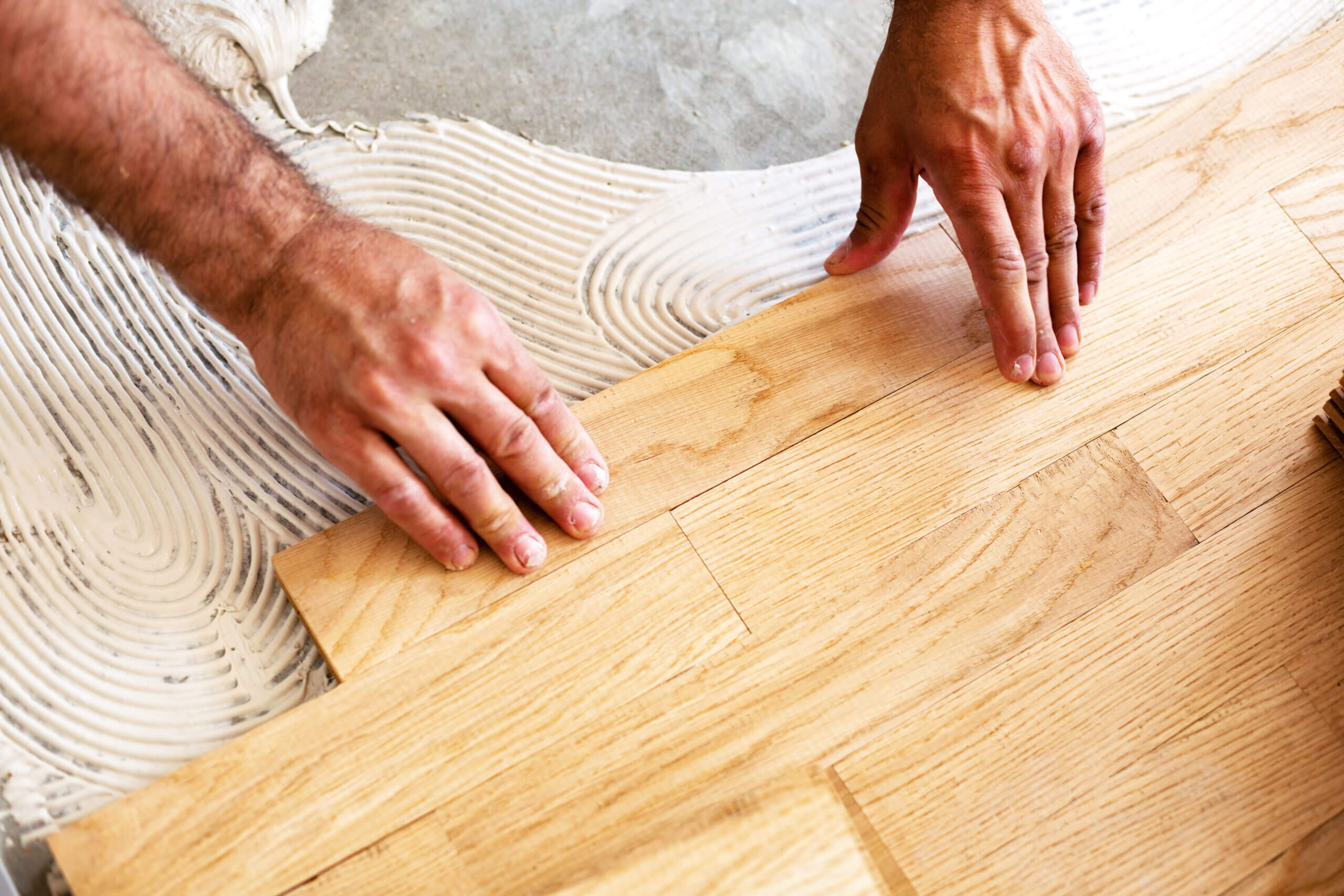
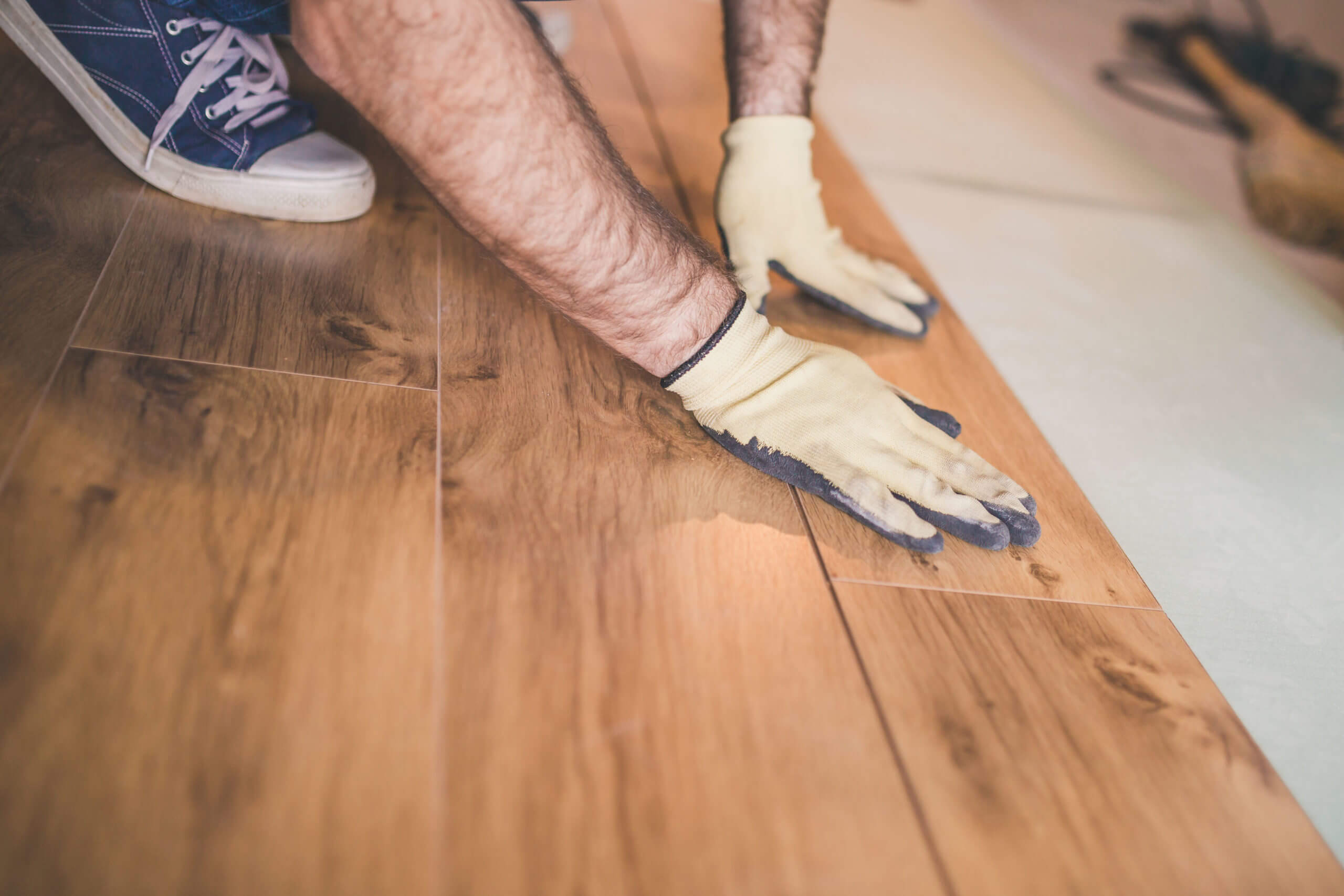
Flooring requires precision and experience — and local contractors bring both. Professionals in Washington understand District of Columbia’s humidity, foundation types, and design preferences, helping you choose flooring that not only looks great but lasts for years.
Best ways to find a flooring pro near you:
Ask for local recommendations from neighbors or real estate agents
Read online reviews on Google or BBB to spot trusted Washington installers
Compare multiple bids for price, warranty coverage, and turnaround time
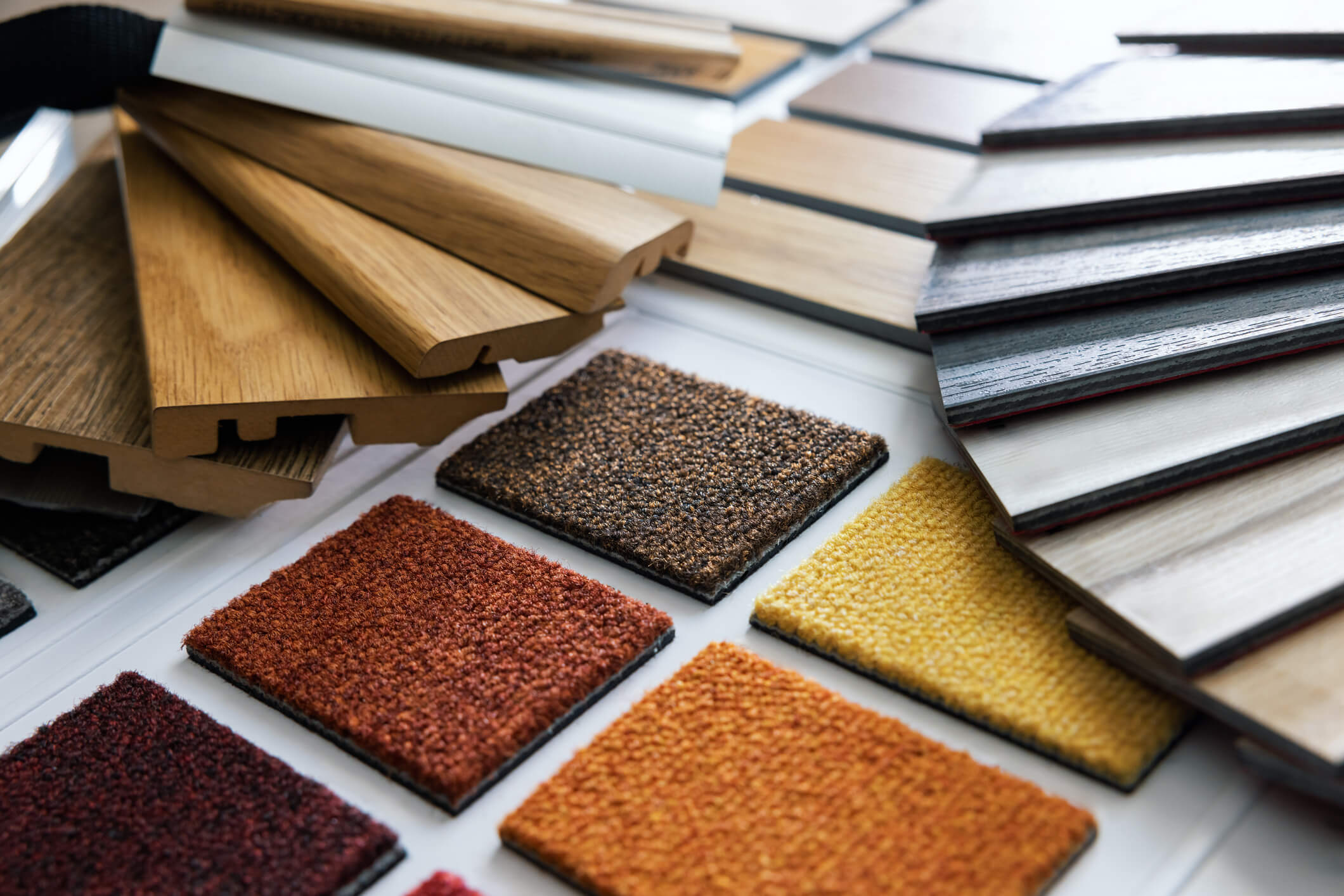
Request samples and portfolios to evaluate workmanship and design range
Verify licensing and insurance before signing any agreement
How Much Does Flooring Installation Cost in Washington, DC?
The average cost of flooring installation in Washington depends on the material, project size, and prep work. For a 500-square-foot space, most homeowners spend between $1,000 and $10,000, with an average around $3,500.
Typical price ranges by flooring type:
Carpet: $1 – $6 per sq. ft.
Vinyl: $2 – $3 per sq. ft.
Laminate: $1 – $5 per sq. ft.
Hardwood: $4 – $12 per sq. ft.
Tile: $3 – $20 per sq. ft.
Local labor costs and subfloor repairs can increase pricing, especially in older District of Columbia homes. Always ask your contractor for a written quote that includes labor, materials, and any prep work.
Choosing the Right Flooring for Your Home in Washington, DC
Your flooring choice should reflect your lifestyle, climate, and long-term plans. In District of Columbia, homeowners often balance durability with comfort and aesthetics. Consider these tips when deciding what works best for your home:
High-traffic spaces: Choose vinyl, laminate, or tile for easy cleaning
Bedrooms and living areas: Carpet or engineered wood add warmth and comfort
Humid climates: Avoid solid hardwood in basements or bathrooms
Design upgrades: Mix textures or add custom inlays for visual interest
Why Homeowners in Washington, DC Choose Modernize
All Modernize flooring contractors in Washington are licensed, insured, and carefully screened for experience, quality, and customer satisfaction. From hardwood refinishing to full tile installation, you’ll be matched with local professionals who deliver beautiful, lasting results for your home.
Connect with top flooring pros in Washington and get a free local estimate today.
Modernize helps homeowners in Washington, DC compare qualified flooring contractors, review transparent pricing, and start projects that add value, beauty, and comfort to their homes.