
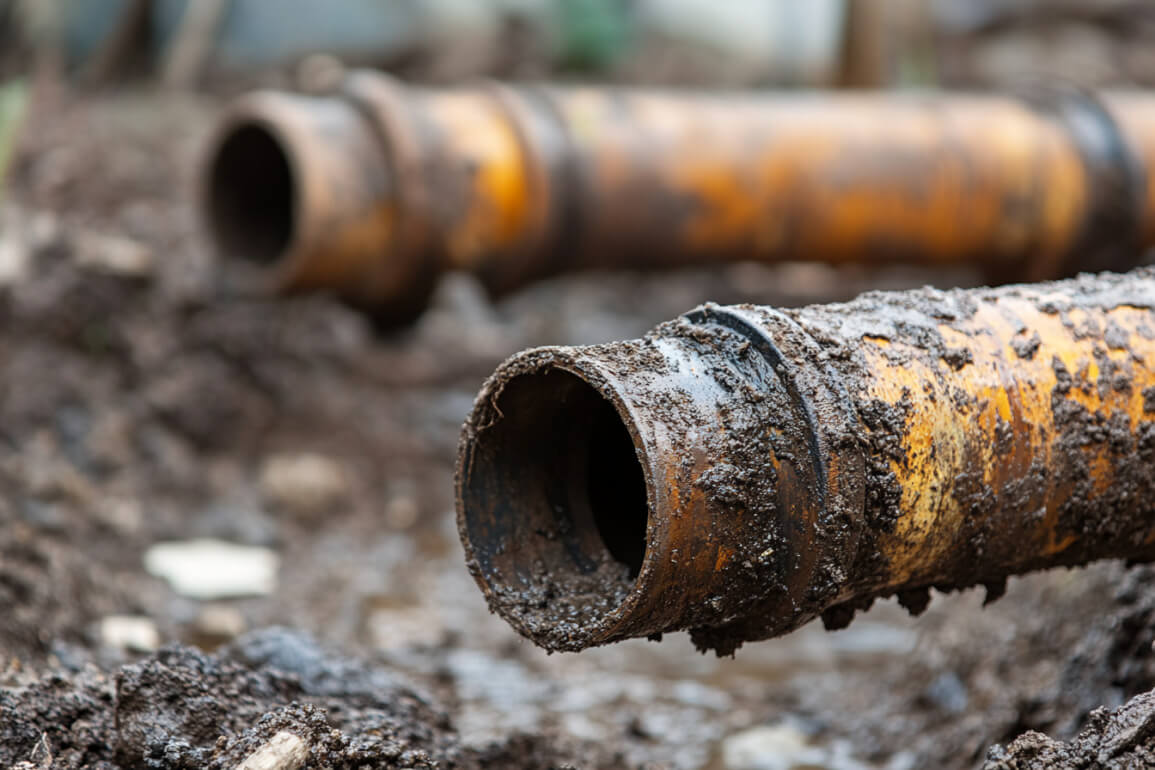
Sewage Damage
Sewage Cleanup and Restoration: Types, Costs, and Cleanup
Sewage Cleanup and Restoration
A sewage backup is one of the most hazardous home disasters, introducing harmful bacteria, foul odors, and extensive damage to floors, walls, and belongings. Whether caused by a burst pipe, clogged drain, or septic system failure, sewage contamination requires immediate action to protect your health and prevent long-term damage to your property.
This guide covers the essential steps in sewage cleanup and restoration, outlining types of sewage contamination, the restoration process, costs, and factors that impact pricing. Learn how to respond quickly and find the right professionals to restore your home safely.
Sewage damage can be one of the most dangerous types of home disasters, often leading to widespread water damage, mold infestations, and contamination risks. Proper remediation requires addressing the water damage itself, preventing mold growth, and ensuring all affected areas are thoroughly sanitized. To understand how different home disasters can impact your property, check out our water damage restoration, mold remediation, and fire damage restoration guides for expert advice on recovery and prevention.
What Is Sewage Damage?
Sewage damage occurs when wastewater backs up into a home due to plumbing failures, flooding, or septic system malfunctions. This contamination can introduce dangerous bacteria, viruses, and mold growth, making professional cleanup essential for health and safety.
Sewage damage often leads to:
- Waterlogged flooring and walls
- Foul odors and airborne contaminants
- Health risks from bacteria, mold, and toxic gases
- Structural damage requiring extensive repairs
- Because standing sewage water worsens over time, prompt removal, drying, and sanitization are critical to preventing further destruction and costly remediation.
Types of Sewage Damage
Sewage damage is categorized into three levels based on contamination severity:
Category 1: Clean Water
- Comes from broken supply pipes or rainwater leaks
- Not contaminated but can cause damage if left untreated
- Requires immediate drying to prevent mold growth
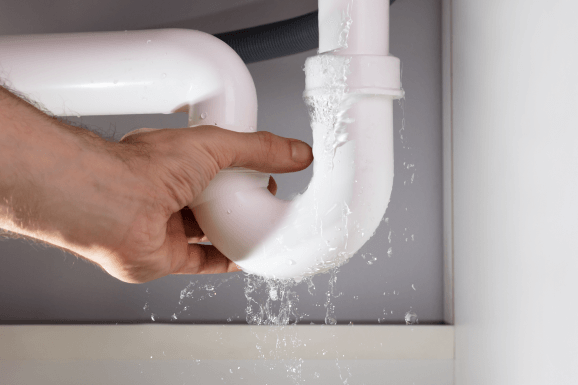
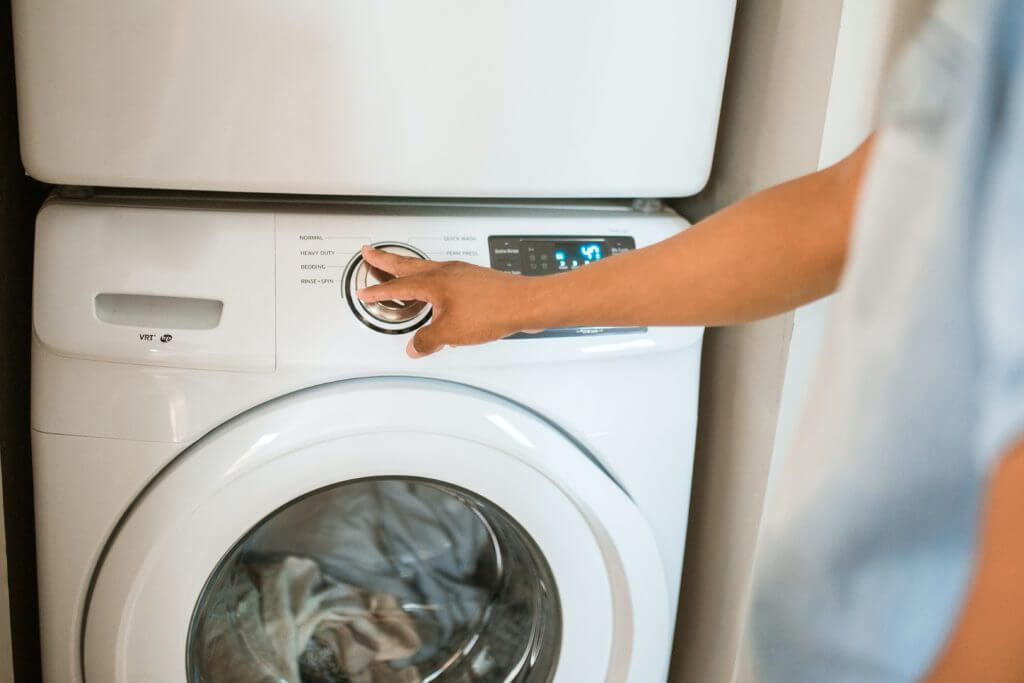
Category 2: Gray Water
- Includes wastewater from sinks, dishwashers, or washing machines
- Contains mild bacteria and detergents, requiring sanitization
- Prolonged exposure can lead to mold growth and material degradation
Category 3: Black Water
- The most hazardous contamination from sewage backups, toilets, or floodwaters
- Contains harmful bacteria, viruses, and pathogens
- Requires full-scale remediation with protective gear and industrial sanitization
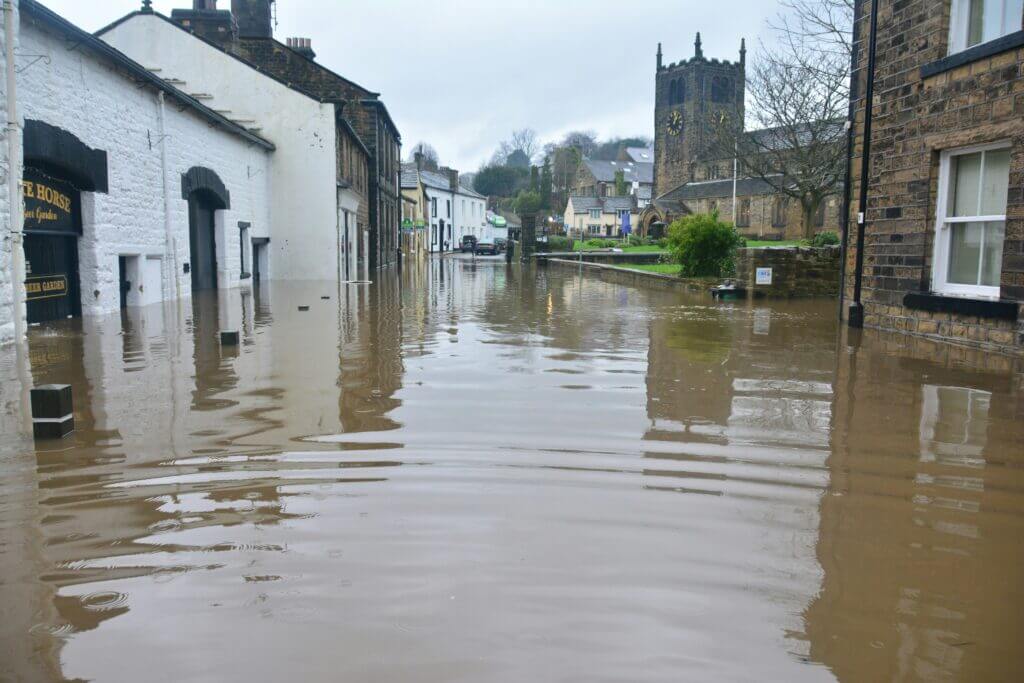
Black water damage should never be handled without professional assistance due to extreme health risks.
Frequently Asked Questions
Steps in the Sewage Restoration Process
The process of sewage cleanup and restoration follows a series of steps to assess the damage, remove the water, repair the problem and restore your home.
- Assessing the Damage: Restoration professionals will begin by assessing the extent of the damage to your home or businesses. This requires safety measures, including wearing protective gear while identifying areas that need attention.
- Water and Sewage Removal: The first priority in sewage cleanup is to remove all water and sewage from the affected area. Professionals will use specialized equipment to pump out contaminated water and properly dispose of sewage.
- Cleaning and Sanitizing: Once water and sewage has been removed, professionals will thoroughly clean and sanitize the affected areas to eliminate bacteria, viruses, and other pathogens. This is a crucial step in ensuring your home is once again safe to inhabit.
- Drying and Dehumidifying: The presence of water and moisture can lead to mold growth in your home, which is why the next crucial step in sewage restoration involves drying and dehumidifying the space to prevent further damage and health risks. Industrial dehumidifiers and air movers are used to dry the area thoroughly.
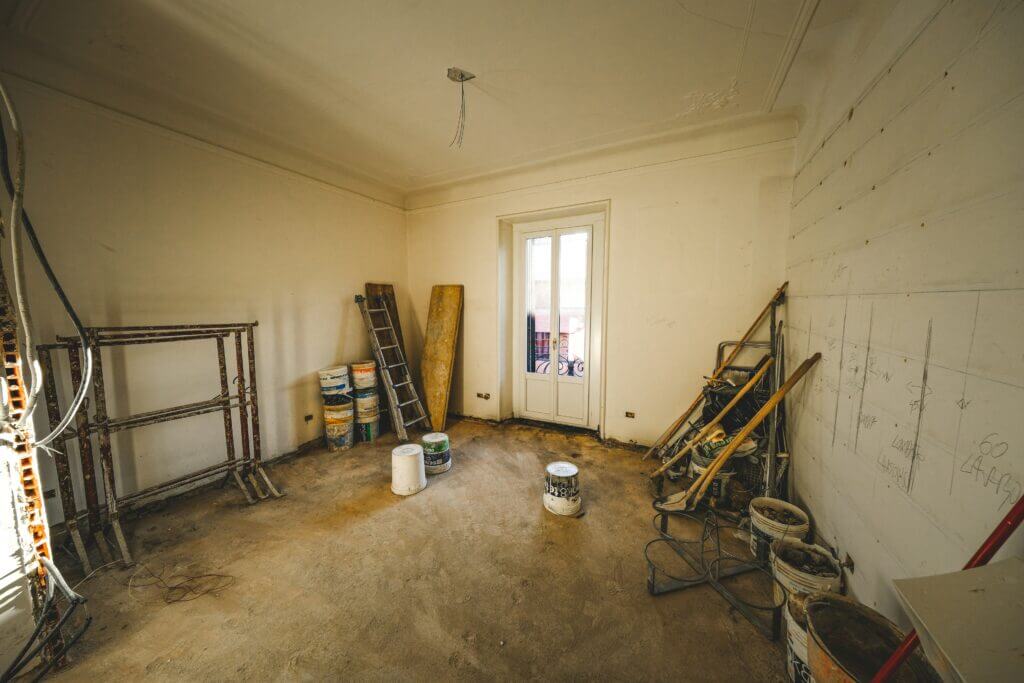
- Repairs and Restoration: Once the area is dry, repairs are made to structural elements such as walls, flooring, or plumbing in your home. The property is then fully restored to its pre-damage condition and any permanent damage is addressed. This step can be the most involved depending on the extent of the damage.
How Much Does Sewage Cleanup and Restoration Cost?
The cost of sewage cleanup and sewage damage restoration in 2026 typically ranges from $2,000 to $10,000, with homeowners generally spending between $3,000 and $5,000. The cost depends on several factors, including the severity of the damage, the size of the affected area, and the type of water contamination.
Minor sewage backups related to clean water damage typically cost between $1,500 to $4,000. Damage from gray water can be more costly given the necessary sanitation that takes place, ranging from $3,000 to $7,000. Black water restoration is the most involved and therefore the most costly ranging from $5,000 to $10,000 or more.
Cost Breakdown by Contamination Level
- Clean Water Damage: $1,500 to $4,000
- Gray Water Damage: $3,000 to $7,000
- Black Water Damage: $5,000 to $10,000+
Factors Affecting The Cost of Sewage Cleanup
Several factors can influence the cost of sewage restoration:
- Type of Contamination: The more contaminated the water, the higher the cleanup cost. Black water requires more intensive cleaning and safety precautions than gray or clean water, which drives up the cost.
- Size of the Affected Area: A larger area of contamination means more time, labor, and materials will be required to restore the property, increasing the overall cost.
- Location of Sewage Contamination: The biggest factor impacting restoration costs will be the type of flooring, finishing, paint, et cetera that you replace in your home. A clean water cleanup in your unfinished basement will cost much less than a major black water intrusion in your primary bathroom, which will likely involve the replacement of flooring, drywall, and personal belongings.
- Safety and Sanitation Measures: Sewage cleanup often requires special equipment, such as industrial-grade dehumidifiers, air scrubbers, and disinfectants. The more extensive the damage, the more equipment is needed.
- Insurance Coverage: Depending on your insurance policy, sewage damage may be covered. Many homeowners’ policies include coverage for water damage, but it’s important to verify whether your policy covers sewage backups specifically. You may be responsible for the deductible, and in some cases, your insurance may only cover specific aspects of the restoration.
Frequently Asked Questions
Why Professional Sewage Restoration Is Essential
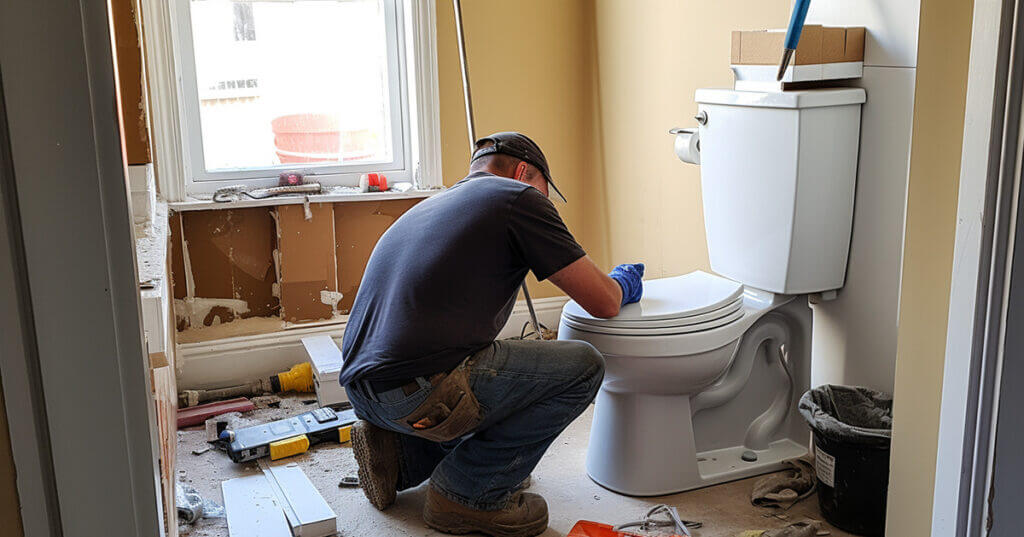
Sewage cleanup is not a DIY project. Raw sewage contains harmful pathogens that pose serious health risks, including:
- coli, salmonella, and hepatitis viruses
- Toxic gases like methane and ammonia
- Black mold spores that cause respiratory illness
Dangers of DIY Sewage Cleanup
- Improper cleanup can spread contamination to unaffected areas
- Inhalation of toxic fumes can cause dizziness, nausea, and lung issues
- Mold growth occurs within 24 to 48 hours without proper drying and sanitization
Certified sewage restoration professionals use specialized equipment and EPA-approved disinfectants to safely eliminate contaminants and restore your home.
Frequently Asked Questions
Preventing Future Sewage Backups
Taking preventative steps can help reduce the risk of future sewage disasters:
Routine Maintenance to Prevent Sewage Backups
- Inspect plumbing regularly for leaks, corrosion, or blockages
- Avoid flushing non-biodegradable items like wipes, grease, or paper towels
- Schedule professional drain cleaning to remove buildup and prevent clogs
Flood and Drainage Protection
- Install a backwater valve to prevent sewage from backing up into your home
- Ensure proper yard drainage to redirect rainwater away from your foundation
- Regularly pump your septic tank to prevent overflow issues
What to Do if a Sewage Backup Occurs
- Shut off water sources immediately to prevent further flooding
- Evacuate contaminated areas and avoid direct contact with wastewater
- Contact a professional restoration service to begin immediate cleanup
By implementing preventative measures and responding quickly to sewage issues, homeowners can reduce health risks, lower repair costs, and protect their homes from further damage.[stickyco[trade_h
Ready to get your project started?
Let us find the best Sewage Damage pros in your area, then easily request quotes, book a contractor, and get the job done. It’s that easy.

Real Stories, Real Success
See how our solutions empower homeowner projects and experiences.