Different Energies, LLC
Company Highlights


About Different Energies, LLC
Renewable Energies
Revolutionizing direct to consumer home energy solutions. We are transparent, cost-effective, value driven and customer-centric. We are Different.
Different Energies is committed to honesty and affordability. We prioritize the needs and satisfaction of our customers above all else.
Our business model is designed to be different and benefit you.
- Customer Empowerment
- Transparency
- Affordability
- Innovation
- Sustainability
- 2 years in business
- Servicio en Español
- Licensed
- Insured
- Accepts Emergency Requests
- Offers Financing Options
Frequently Asked Questions
Why should I switch to solar?
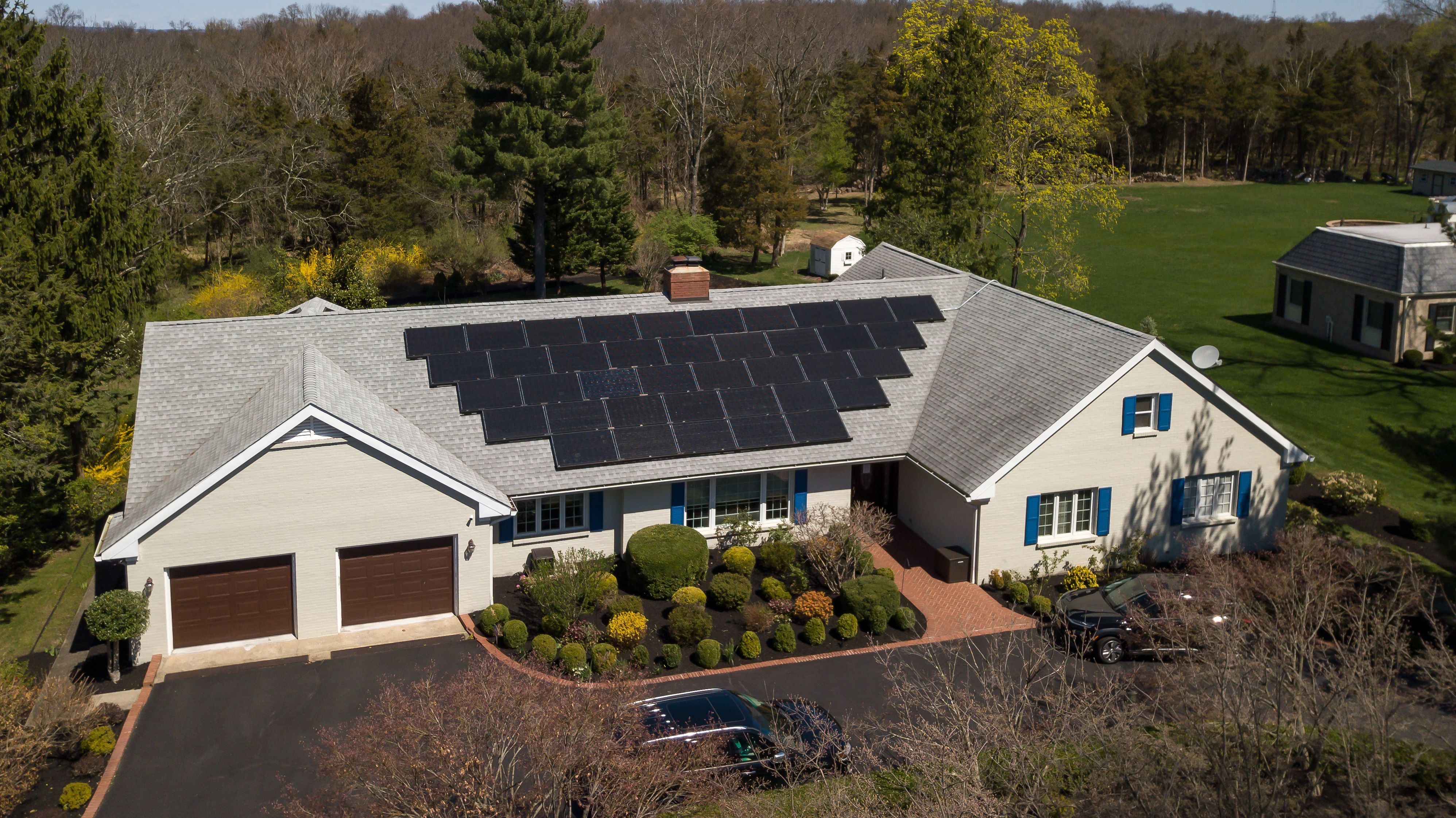
The sun comes up every day, folks, and that’s exactly why solar power is such a reliable, renewable, and clean way to light up our lives. It helps us cut back on the dirty stuff like oil, coal, and natural gas that not only mess with our health but our beautiful planet, too.
Back in 2020, ShopSolar kicked off the ‘self-served solar’ model, and ever since, we’ve been pushing hard to make sure our planet runs on the sun, offering Americans energy that’s not just clean but also affordable and reliable. Investing in residential solar isn’t just good for now—it’s a step towards a sustainable future, conserving resources and protecting our world.
Plus, let’s talk about getting bang for your buck—solar panels and home batteries are not just more wallet-friendly these days, they’re also more robust, efficient, and a real peace-of-minder during power outages or when Mother Nature throws a curveball. Unlike the unpredictable costs from your utility company, ShopSolar gives you stable, affordable rates for 20 to 25 years. With home solar, you’re in charge of your energy future.
Back in 2020, ShopSolar kicked off the ‘self-served solar’ model, and ever since, we’ve been pushing hard to make sure our planet runs on the sun, offering Americans energy that’s not just clean but also affordable and reliable. Investing in residential solar isn’t just good for now—it’s a step towards a sustainable future, conserving resources and protecting our world.
Plus, let’s talk about getting bang for your buck—solar panels and home batteries are not just more wallet-friendly these days, they’re also more robust, efficient, and a real peace-of-minder during power outages or when Mother Nature throws a curveball. Unlike the unpredictable costs from your utility company, ShopSolar gives you stable, affordable rates for 20 to 25 years. With home solar, you’re in charge of your energy future.
Is my home ready for solar?
There are quite a few factors that play into how well your home can take advantage of solar power. Things like your home’s location, the slant of your roof, how much shade covers your house during the day, and even the age of your roof all matter.
Our team of experts is here to help you figure out if your home is ready for solar right now. We use our Ai-driven solar design tech, to do a tailored analysis of your property and really get a handle on your energy needs.
Our team of experts is here to help you figure out if your home is ready for solar right now. We use our Ai-driven solar design tech, to do a tailored analysis of your property and really get a handle on your energy needs.
How many solar panels will my home need?
Every home is unique. When you’re figuring out how many solar panels you need, think about these questions:
First off, how much power do you need? Take a look at your electric bills to see your yearly kilowatt-hour (kWh) usage. We can dive into this together during your free solar consultation to pinpoint exactly how much juice your panels will need to crank out.
What’s the weather like where you live? The amount of panels you’ll need hinges on how sunny it is around your place.
And how much direct sunlight does your roof get? Things like shading, the direction your roof faces, and any personal style choices can affect the size of the system you’ll need.
On ShopSolar, we’ve got some sharp AI-driven solar design technology that helps us tailor a system that pumps out energy more efficiently and quickly than the old manual way.
First off, how much power do you need? Take a look at your electric bills to see your yearly kilowatt-hour (kWh) usage. We can dive into this together during your free solar consultation to pinpoint exactly how much juice your panels will need to crank out.
What’s the weather like where you live? The amount of panels you’ll need hinges on how sunny it is around your place.
And how much direct sunlight does your roof get? Things like shading, the direction your roof faces, and any personal style choices can affect the size of the system you’ll need.
On ShopSolar, we’ve got some sharp AI-driven solar design technology that helps us tailor a system that pumps out energy more efficiently and quickly than the old manual way.
Why do you need my historical energy usage?
Knowing how much electricity you’ve used in the past helps us design a solar system that’s just the right fit for your home.
Electricity usage can really vary from one household to another, and even from season to season. That’s why we ask for a monthly average of a full year of your electricity usage—it lets us build a system that truly matches your needs.
ShopSolar all set to estimate a year’s worth of your usage data to get the complete picture. Since energy use can swing with the seasons, we take a close look at 12 months of data to really understand your home’s energy patterns and requirements.
Electricity usage can really vary from one household to another, and even from season to season. That’s why we ask for a monthly average of a full year of your electricity usage—it lets us build a system that truly matches your needs.
ShopSolar all set to estimate a year’s worth of your usage data to get the complete picture. Since energy use can swing with the seasons, we take a close look at 12 months of data to really understand your home’s energy patterns and requirements.
How do you customize my solar system?
ShopSolar tailors your home solar system by considering your past electricity usage, the available roof space, and your design preferences to ensure the system fits your home and lifestyle perfectly.
We kick things off by calculating your historical usage to design a solar system that delivers just the right amount of power based on your typical consumption.
Next, we use satellite imagery to check out your roof and figure out how many panels can fit on each section, keeping in mind that south-facing roofs catch the most sun.
We then confirm our measurements and system design with a site survey—this means we’ll pop by your home to inspect the roof and your main electrical panel personally.
Once everything’s checked, we’ll touch base with you to finalize the design, so you know exactly what your setup will look like and the amount of electricity you can expect from your solar system.
If you’re curious about the efficiency of your panels or want to see what the equipment will look like on your home, feel free to chat with a customer service rep.
We kick things off by calculating your historical usage to design a solar system that delivers just the right amount of power based on your typical consumption.
Next, we use satellite imagery to check out your roof and figure out how many panels can fit on each section, keeping in mind that south-facing roofs catch the most sun.
We then confirm our measurements and system design with a site survey—this means we’ll pop by your home to inspect the roof and your main electrical panel personally.
Once everything’s checked, we’ll touch base with you to finalize the design, so you know exactly what your setup will look like and the amount of electricity you can expect from your solar system.
If you’re curious about the efficiency of your panels or want to see what the equipment will look like on your home, feel free to chat with a customer service rep.
Will I notice anything different after switching to solar?
After switching to solar, you won’t see a difference in how your home runs. Your lights, appliances, TVs, and everything else that uses electricity will work just like they always have.
The main change you’ll notice after going solar is how you pay for your power. You’ll still get a monthly bill from your utility company. If you financed your system, you’ll have two separate bills to handle.
The amount of energy you’ll need to buy from your utility depends on your solar system’s size and your actual electricity usage.
Remember, your utility bill might change month to month due to weather and seasonal shifts, but with ShopSolar, you’ll always know exactly what you owe for the length of our agreement.
The main change you’ll notice after going solar is how you pay for your power. You’ll still get a monthly bill from your utility company. If you financed your system, you’ll have two separate bills to handle.
The amount of energy you’ll need to buy from your utility depends on your solar system’s size and your actual electricity usage.
Remember, your utility bill might change month to month due to weather and seasonal shifts, but with ShopSolar, you’ll always know exactly what you owe for the length of our agreement.
Does my state offer incentives to switch to solar?
Check out where ShopSolar operates and discover what solar incentives might be up for grabs in your state. Common perks include state tax credits, net metering, and rebates from your local utility. Plus, no matter where you’re located in the U.S., you’ll qualify for the federal solar tax credit when you buy your own solar system.
Will a solar system increase the value of my home?
Installing a home solar system is just like any other upgrade—it can bump up your home’s value and make it more attractive to potential buyers. A study from 2019 found that, on average, homes with solar panels fetch about 4.1% more than those without. So, going solar isn’t just good for the planet—it’s great for your property’s market value too.
Source: zillow.com
Source: zillow.com
How does a home solar system work?
A home solar system is a nifty setup of components that work together to turn sunlight into energy for your lights, appliances, and gadgets.
Solar Panels These are made of photovoltaic cells that convert sunlight into direct current electricity (DC electricity). Whenever the sun’s rays hit your roof, your panels are busy converting solar radiation into DC electricity. Even on cloudy days, your panels can churn out 10% to 25% of their usual power. But hold on, that electricity isn’t quite ready for use. You’ll need an inverter to transform it into the kind of power that lights up your home.
Inverter The inverter’s job is to take that DC electricity from your solar panels and turn it into alternating current electricity (AC electricity), the type your home uses. It’s usually installed on an exterior wall of your house or in the garage.
Main Electric Service Panel From the inverter, the solar electricity flows to your electrical panel, then zips around your home to power your lights and appliances. If your panels generate more energy than you need, the surplus will head over to the utility grid. And guess what? You might even get energy credits from your utility company for the extra power you feed back.
Inverter Meter This handy device keeps an eye on how much energy your system is producing and sends updates to us via a wireless signal. It monitors your energy production around the clock and lets us know if something’s off. This means we can keep your system in top shape, and you won’t have to worry about a thing.
Utility Meter When your system produces surplus energy, it’s sold back to your utility, helping reduce your monthly electric bill. And if you need more energy than what your system can provide, your home will automatically draw what it needs from your utility. Your utility meter tracks all this energy to and fro, making sure everything's balanced.
Solar Panels These are made of photovoltaic cells that convert sunlight into direct current electricity (DC electricity). Whenever the sun’s rays hit your roof, your panels are busy converting solar radiation into DC electricity. Even on cloudy days, your panels can churn out 10% to 25% of their usual power. But hold on, that electricity isn’t quite ready for use. You’ll need an inverter to transform it into the kind of power that lights up your home.
Inverter The inverter’s job is to take that DC electricity from your solar panels and turn it into alternating current electricity (AC electricity), the type your home uses. It’s usually installed on an exterior wall of your house or in the garage.
Main Electric Service Panel From the inverter, the solar electricity flows to your electrical panel, then zips around your home to power your lights and appliances. If your panels generate more energy than you need, the surplus will head over to the utility grid. And guess what? You might even get energy credits from your utility company for the extra power you feed back.
Inverter Meter This handy device keeps an eye on how much energy your system is producing and sends updates to us via a wireless signal. It monitors your energy production around the clock and lets us know if something’s off. This means we can keep your system in top shape, and you won’t have to worry about a thing.
Utility Meter When your system produces surplus energy, it’s sold back to your utility, helping reduce your monthly electric bill. And if you need more energy than what your system can provide, your home will automatically draw what it needs from your utility. Your utility meter tracks all this energy to and fro, making sure everything's balanced.
What parts are installed for a solar system?
Every home is a bit different, so the equipment we install might vary from one place to another. Generally, here’s what you’ll see when we set up your solar system:
1) Solar Panels: These guys take sunlight and turn it into direct current electricity (DC). It’s the first big step in powering your home with solar.
2) Inverter: Think of your inverter as the manager for all that energy—it directs where the energy should go and switches it into alternating current electricity (AC), which is what your home uses.
3) Inverter Meter: This is how we keep tabs on your solar production. The inverter meter makes sure your system is pumping out as much energy as possible.
Now, there are a couple of pieces of gear you probably already have that’ll connect to your new solar setup:
4) Main Electrical Panel: Also known as your ‘Fuse Box,’ this panel spreads the AC electricity throughout your home.
5) Utility Meter: Even with solar, there are times—like on cloudy days, during winter, or at night—when you’ll need energy from the grid. Your utility meter tracks how much energy you pull from and send back to the grid.
1) Solar Panels: These guys take sunlight and turn it into direct current electricity (DC). It’s the first big step in powering your home with solar.
2) Inverter: Think of your inverter as the manager for all that energy—it directs where the energy should go and switches it into alternating current electricity (AC), which is what your home uses.
3) Inverter Meter: This is how we keep tabs on your solar production. The inverter meter makes sure your system is pumping out as much energy as possible.
Now, there are a couple of pieces of gear you probably already have that’ll connect to your new solar setup:
4) Main Electrical Panel: Also known as your ‘Fuse Box,’ this panel spreads the AC electricity throughout your home.
5) Utility Meter: Even with solar, there are times—like on cloudy days, during winter, or at night—when you’ll need energy from the grid. Your utility meter tracks how much energy you pull from and send back to the grid.
We’re not showing any promotions for Different Energies, LLC.
That doesn’t mean they don’t have any! Be sure to ask about any current deals when you receive your free quote.