

How Much Does Carpet Removal Cost?
Carpet removal typically costs between $1 and $5 per square foot. For most standard stretch-in carpets in an average room, people usually pay $1 to $2 per square foot. The final price depends on the room size, installation method, whether furniture needs to be moved, and local disposal fees.
| Size of Room | Expected Cost |
|---|---|
| Small bedroom (120 sq. ft.) | $120 to $600 |
| Standard bedroom (144 sq. ft.) | $144 to $720 |
| Living room (256 sq. ft.) | $256 to $1,280 |
| Large room (400 sq. ft.) | $400 to $2,000 |
| Whole house (1,500 sq. ft.) | $1,500 to $7,500 |
These estimates are based on national contractor pricing data and industry cost averages from sources like Angi, HomeAdvisor, and flooring professionals.
What Does Carpet Removal Cost Per Square Foot?
Most flooring contractors charge for carpet removal by the square foot. Here are the main parts of the cost:
- Standard removal labor: $1 to $2 per square foot for stretch-in carpet in an empty room. This is the typical starting point for most residential jobs.
- Glue-down removal: $2 to $4 per square foot. Glued carpet needs the adhesive residue scraped from the subfloor, which takes more work than removing tacked carpet.
- Double glue-down removal: $3 to $5 per square foot. This is the most labor-intensive option because both the pad and the carpet are glued down separately, so workers need to scrape twice and spend more time.
- Furniture moving: $25 to $75 per room if the contractor moves your furniture before removal. Most contractors expect rooms to be empty, so check what is included when you get quotes.
- Stair carpeting removal: $3 to $6 per step, billed separately from the room square footage.
- Disposal fee: $0.25 to $0.50 per square foot in most areas. Many contractors include disposal in their removal quote, so always check if it is included before you sign a contract.
What Factors Affect Carpet Removal Cost?
Your total carpet removal cost depends on several factors, including how the carpet was installed, the size of the room, the condition of the subfloor, and local labor rates.
Carpet Installation Method
How the carpet was first installed is the biggest factor in how much removal will cost.
- Stretch-in: This is the most common way to install carpet in homes and is also the easiest to remove. The carpet is stretched over tack strips nailed along the walls, with a loose pad underneath. To remove it, workers pull the carpet off the tack strips, roll it up, and take out the pad.
Labor cost: $1 to $2 per square foot. - Glue-down carpet: This type is glued directly to the subfloor without a pad. This method is common in basements, commercial spaces, and some below-grade areas. Taking up the carpet is simple, but the leftover adhesive on the subfloor must be scraped off before new flooring can be installed.
Labor cost: $2 to $4 per square foot. - Double glue-down: This means the pad is glued to the subfloor and the carpet is glued to the pad. Because there are two layers of adhesive, it takes much more time to scrape and clean up.
Labor cost: $3 to $5 per square foot.
Room Size and Configuration
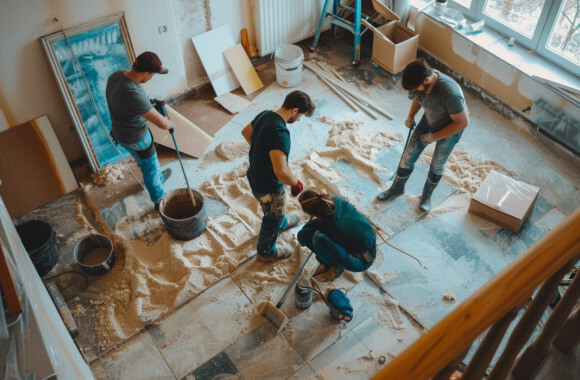
It is easier and faster to remove carpet from large, open rooms than from small rooms with lots of furniture, odd shapes, or tight corners. If you clear out the room before the crew arrives, it will take less time and cost less.
Stairs
Removing carpet from stairs is charged separately because each step and riser has to be done one at a time, not in strips. The cost is usually $3 to $6 per step, depending on the width and how the carpet was attached.
Subfloor Condition
If the subfloor is damaged, warped, or has a lot of adhesive left after the carpet is removed, it will need to be fixed or replaced before new flooring can be installed. Subfloor repairs cost $2 to $10 per square foot, depending on how much work is needed. This cost is separate from removal, but you should include it in your budget. Often, you will not see subfloor damage until the carpet is taken up.
Geographic Location
Labor and disposal costs can vary widely depending on where you live. In cities and areas with a high cost of living, prices are usually 20% to 40% higher than the national average.
6 Signs It’s Time to Remove Your Carpet
If your carpet has visible damage, trapped odors, or signs of wear that cleaning cannot fix, removal may be the best next step. Here are six signs it’s time to remove your carpet.
1. Permanent Staining
Professional cleaning can remove many stains, but if stains have soaked through the carpet into the backing or padding, they usually cannot be fixed. If you have several deep stains or one large stain in a noticeable spot, it is probably time to replace the carpet.
2. Matted or Crushed Pile
High-traffic areas like hallways, in front of sofas, or entryways eventually get flattened from foot traffic. Once the carpet pile is permanently matted, cleaning or grooming will not bring it back. The fibers are worn out.
3. Persistent Odor
If smells from pets, mold, or moisture remain after professional cleaning, they have probably soaked into the padding and subfloor. In these cases, the only real solution is to remove the carpet and padding and fix any moisture problems in the subfloor.
4. Visible Wear Through
When carpet fibers wear down enough to expose the backing, the floor covering has failed structurally, not just aesthetically. Threadbare patches will get worse with additional foot traffic.
5. Age Beyond Expected Lifespan
Most home carpets last five to 15 years, depending on the type of fiber, how much traffic they get, and how well they are maintained. Nylon lasts the longest, while polyester and olefin wear out faster with heavy use. If your carpet is getting old or has passed its expected lifespan, it is usually cheaper to replace it than to keep maintaining it.
6. Worsening Allergies or Air Quality
Over time, carpet collects dust, pet dander, mold spores, and other allergens. In homes with people who have allergies or asthma, old carpet that cannot be cleaned thoroughly anymore may make indoor air quality worse. Replacing carpet with hard flooring removes this problem.
What to Expect During Professional Carpet Removal
A professional crew of two can usually remove carpet from an average bedroom of 150 to 200 square feet in one to two hours. Larger rooms or glue-down carpets take longer.
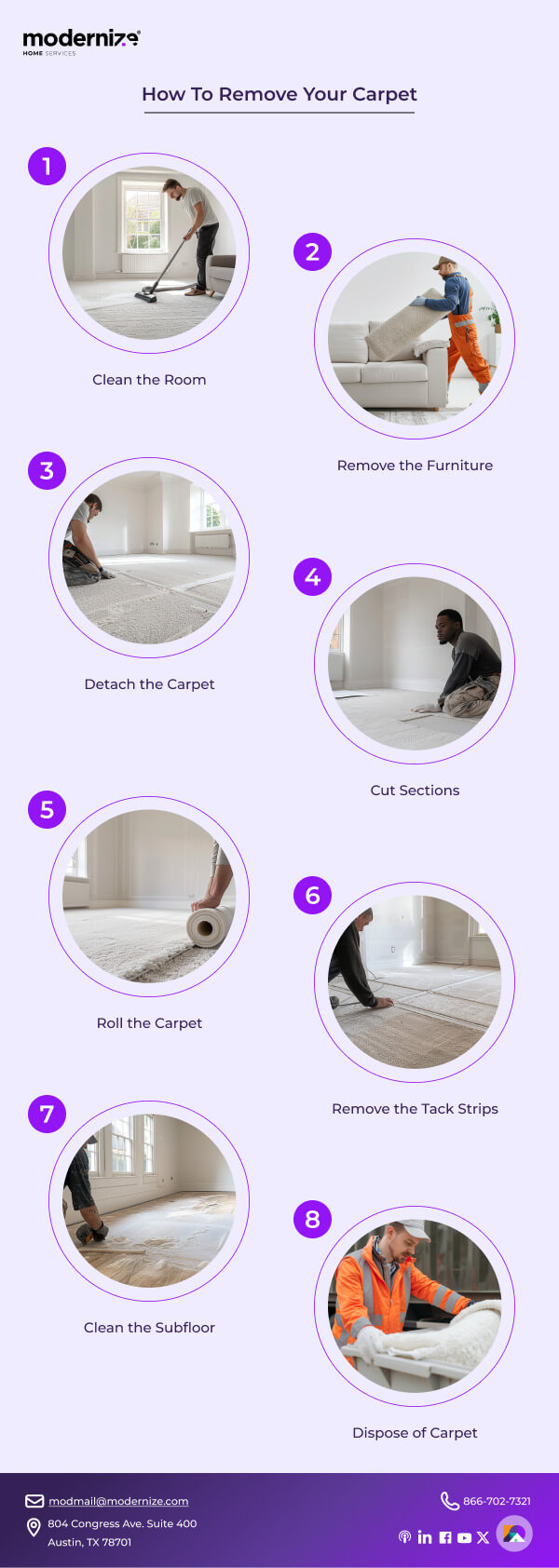
Here is what the process usually involves:
- Room preparation: All furniture must be cleared from the room before work begins. If you are paying the contractor to move furniture, this step adds time and cost.
- Carpet separation: For stretch-in carpet, the crew uses a pry bar or carpet knife to pull the carpet edge free from the tack strips along the walls, then rolls the carpet back in manageable sections.
- Pad removal: The pad is typically stapled to the subfloor and lifts fairly easily. Staples are pulled or ground down flush with the subfloor surface.
- Tack strip removal: If tack strips are being replaced, which is standard when new carpet is installed, they are pried up from the floor. If you are switching to hard flooring, all tack strips are removed.
- Subfloor inspection: Once the carpet and pad are removed, the contractor inspects the subfloor for damage, moisture staining, squeaks, or unevenness that needs to be addressed before new flooring is installed.
- Haul-away: The carpet and pad are rolled up, tied, and taken out of your home. Make sure disposal is included in your quote before work starts.
Can You Remove Carpet Yourself?
DIY carpet removal is one of the simpler home improvement projects. You only need basic tools, the process is straightforward for stretch-in carpet, and you can save $150 to $400 in labor costs for a standard room.
Tools you will need:
- Utility knife or carpet knife
- Pry bar or floor scraper
- Pliers for staple removal
- Work gloves and knee pads
- Heavy-duty contractor bags for disposal
Step-by-Step Process
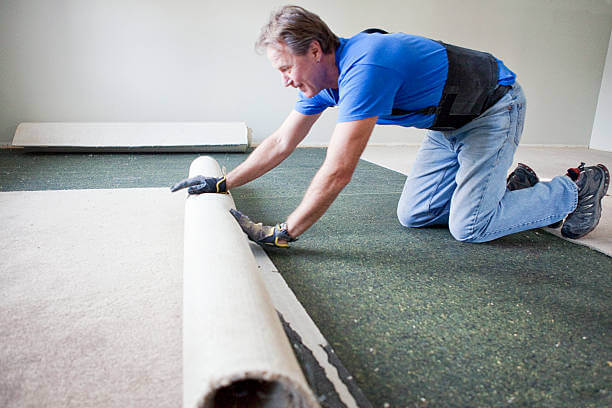
- Cut the carpet into strips about 3 feet wide using a utility knife. This makes it easier to roll up and carry.
- Pull each strip free from the tack strip along the wall edge and roll it up.
- Remove the pad. It is usually stapled down and comes up in sections.
- Pull all staples from the subfloor using pliers, or grind them flush.
- Remove tack strips with a pry bar if the new flooring requires it.
- Dispose of the carpet and pad. Most municipal waste facilities accept carpet, or you can arrange for a junk removal service.
DIY is a good option for stretch-in carpet in clear, easy-to-access rooms with no glue residue. The physical work is moderate and mostly involves bending, pulling, and carrying.
It is best to hire a professional for glue-down or double glue-down carpet, stairs, rooms with significant subfloor damage, or if you are unsure about the subfloor condition and want an expert to inspect it before ordering new flooring.
Need to hire a pro to remove your carpet? Modernize can connect you with the best flooring pros in your area.
After Carpet Removal: What Comes Next
Carpet removal is usually not the final step before installing new flooring. After the carpet is taken up, the subfloor often needs at least some minor work:
- Staple and tack strip removal: If tack strips are being replaced with new ones for new carpet, the old ones come out and new ones go in. If hard flooring is replacing the carpet, all tack strips and staples must be removed, and any holes should be patched.
- Subfloor leveling: If there are bumps or dips greater than 3/16 inch over 10 feet, you will usually need to use a floor leveling compound, which costs $1 to $3 per square foot, before installing the new floor.
- Moisture testing: If you noticed any moisture damage, stains, or odors in the carpet or pad, the subfloor should be checked for moisture before putting in new flooring. Moisture left under new flooring can cause problems no matter what material you use.
- Subfloor repair: Fix any soft spots, squeaky boards, or visible damage before installing new flooring. Minor repairs cost $2 to $5 per square foot, but larger structural problems will cost more.
For a complete breakdown of what new flooring installation costs after removal, see our carpet installation cost guide and types of flooring guide.
Compare top-rated flooring pros in your area.
Read real homeowner reviews, explore qualifications, and view promotions. Modernize makes it easy to browse professionals and find one that will be perfect for your project.



FAQs About Carpet Removal
-
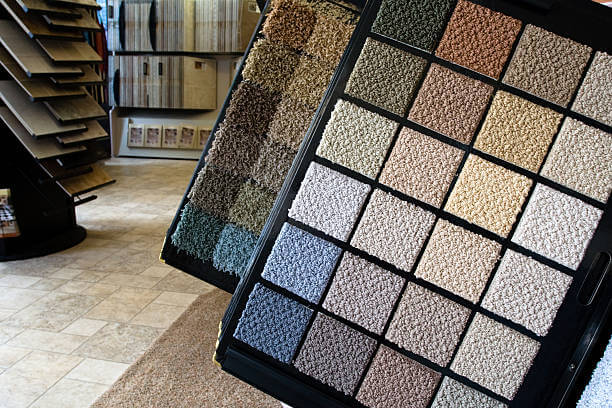
Best Types of Carpet
Types of Carpet Fiber Compare other flooring options in our comprehensive guide to flooring types. Nylon Nylon is the most popular carpet fiber in the U.S. and is used in... -
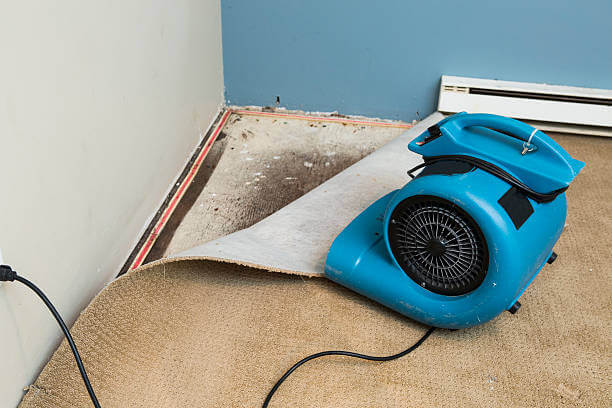
Carpet Repair Cost
How Much Does Carpet Repair Cost in 2026? Carpet repair typically costs between $150 and $1,200, with the national average around $400. Small spot repairs usually cost $100 to $300,... -

Carpet Flooring
How Much Does Carpet Installation Cost? Carpet is one of the most affordable flooring options, but the total cost depends on more than just the carpet. Most projects include three... -
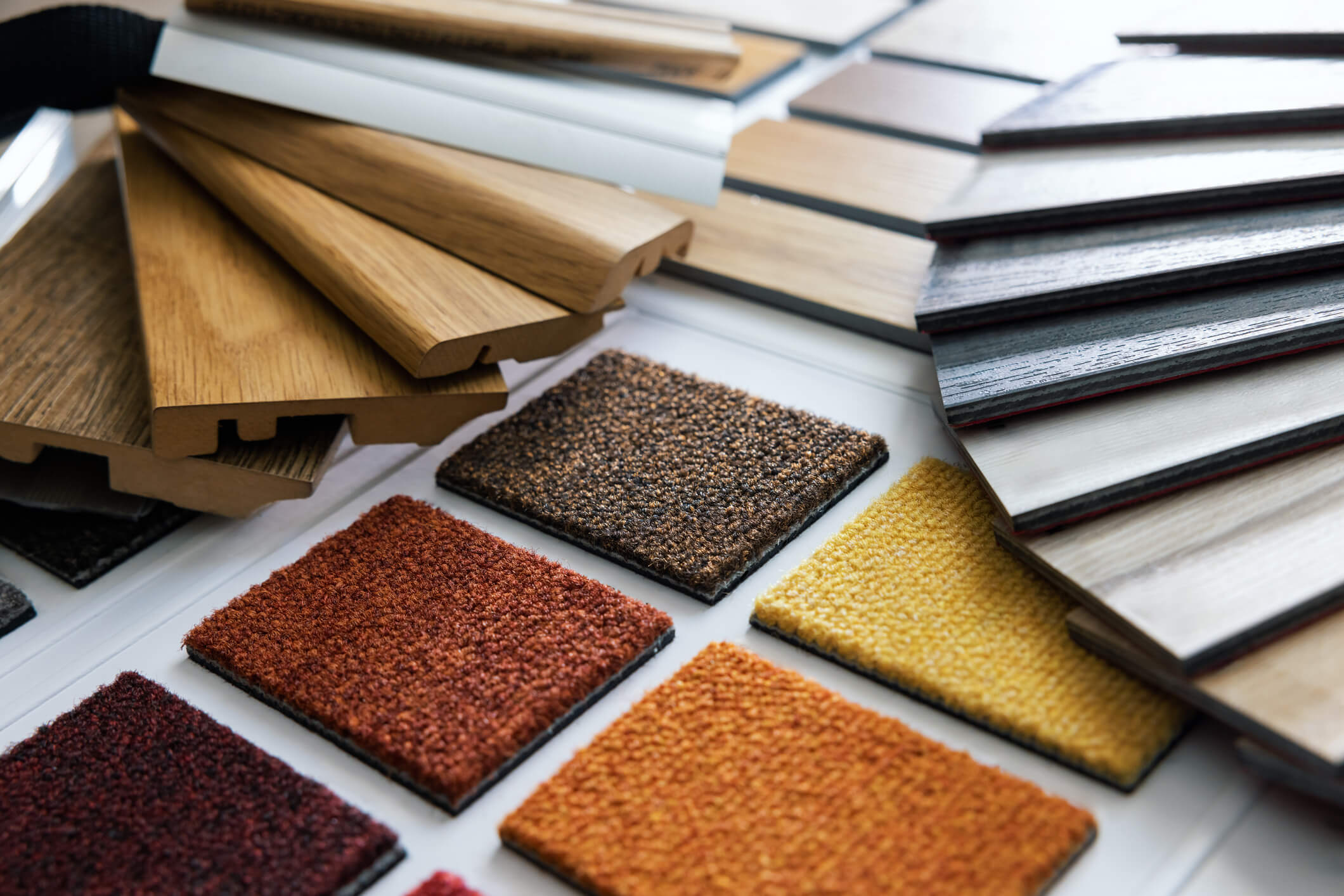
Types of Flooring
Types of Flooring: A Complete Comparison Guide The most popular flooring types include hardwood, luxury vinyl plank (LVP), tile, laminate, carpet, engineered hardwood, and vinyl sheet. Your best option depends... -
Best Flooring Companies
Best National Flooring Companies & Retailers In the U.S., the biggest flooring companies fit into two main groups. Some are full-service installers that manage everything from your first consultation to... -
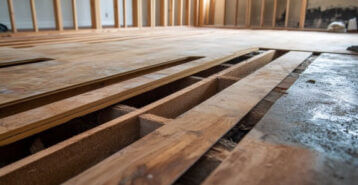
Subfloor Replacement Costs
What Is a Subfloor and Why Replace It? Subfloors are the layers between your finished flooring and the supporting beams of your home. For instance, if you remove the luxury...