Ready to start your project?
Enter your ZIP to find local pros.
Best Basement Dehumidifier Brands of 2026: Top Picks for Dry, Healthy Basements
Let Modernize help you compare leading dehumidifier brands, understand total installation costs, and connect with trusted local professionals when drainage or electrical setup is required.
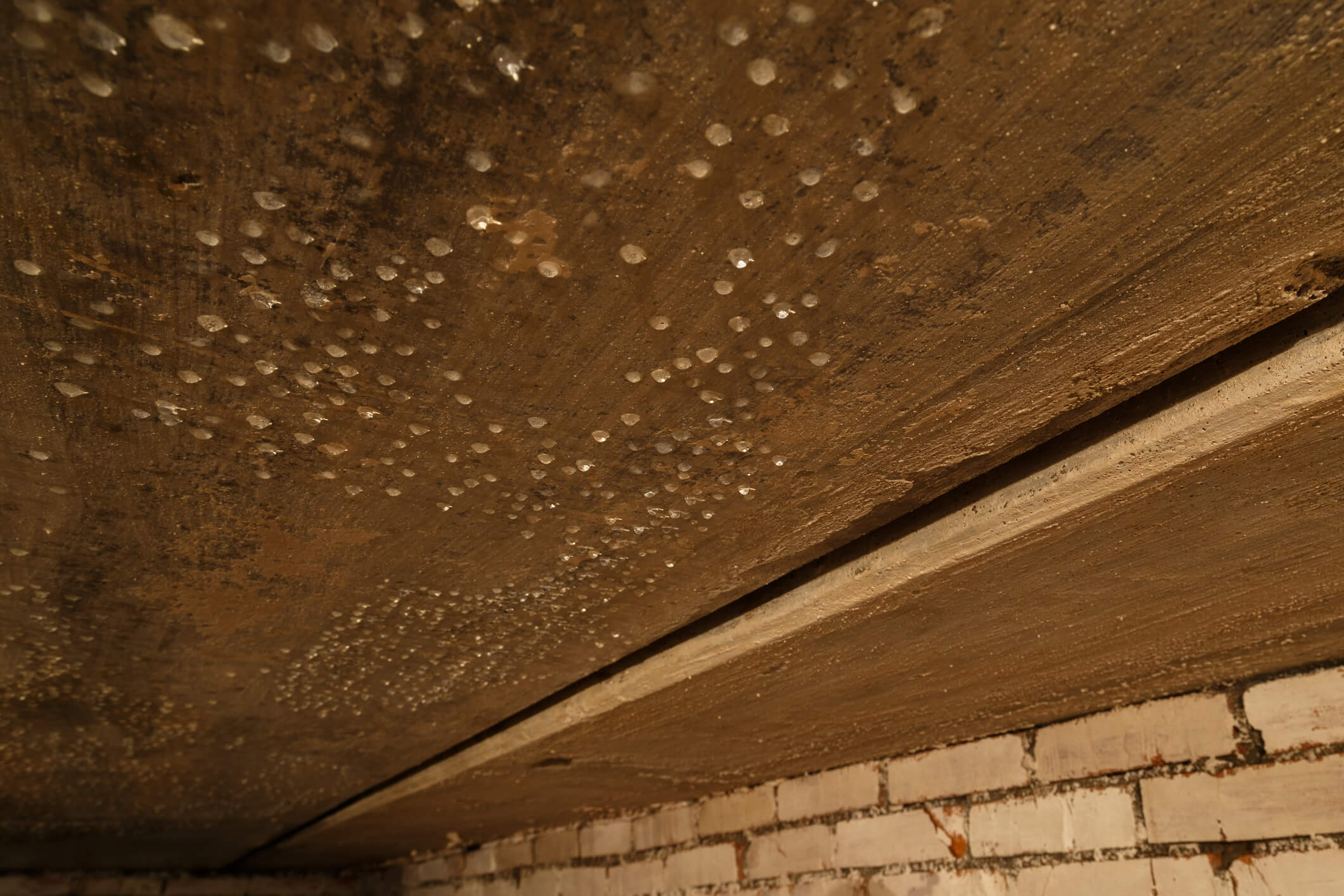
Basements are moisture-prone by design. They sit below grade, stay cooler than the rest of the home, and can pull humidity through foundation walls, slab floors, and unsealed penetrations. In many regions, it does not take much for humidity to climb above 55%, which increases the risk of mold, mildew, and musty odors.
Replacing or installing a basement dehumidifier is one of the most practical ways to protect indoor air quality and prevent moisture-driven deterioration of framing, subflooring, drywall, insulation, and stored items. The right unit can also make finished basements more comfortable by reducing that clammy feeling that often comes with high humidity.
A realistic total installed cost range is $300 to $2,000+, depending on capacity and installation complexity:
Portable, standard gravity-drain models: often $300 to $700 installed
Higher-efficiency, higher-capacity, or pump-equipped models: often $700 to $1,300 installed
Professional-grade whole-space systems: often $1,200 to $2,000+ installed
Key decision factors include capacity, energy efficiency, drainage type, noise level, design (portable vs built-in), controls, and warranty coverage. Your basement size and moisture severity should guide capacity, while your budget should reflect both the unit price and any added cost for pump drainage, drain routing, or electrical work.
Basement dehumidifiers have become easier to shop for and easier to live with. Energy-efficient models are now more common across mid-priced brands, not just premium lines, and built-in pump options have expanded, giving homeowners more flexibility when there is no floor drain. Larger-capacity portable units are also more widely available for bigger finished basements, while smart features like humidity alerts and app control are showing up more often in mainstream product lines. Noise reduction has improved, but real-world loudness still depends on fan speed and placement. Overall, better humidistat accuracy and stronger auto-restart behavior have made day-to-day performance more consistent, especially during long humid stretches.
Best Brands at a Glance
4.5/5
Modernize RatingThis rating was determined by the Modernize Editorial Team based on factors such as customer reviews, product quality, warranties, company reputation, and service coverage. Our ratings are editorially independent and are not influenced by our advertising or partnership relationships.
Modernize RatingThis rating was determined by the Modernize Editorial Team based on factors such as customer reviews, product quality, warranties, company reputation, and service coverage. Our ratings are editorially independent and are not influenced by our advertising or partnership relationships.
Modernize RatingThis rating was determined by the Modernize Editorial Team based on factors such as customer reviews, product quality, warranties, company reputation, and service coverage. Our ratings are editorially independent and are not influenced by our advertising or partnership relationships.
Professional-grade, whole-space approach
Designed for basements and crawl spaces
Built for continuous duty operation
Strong option for finished basements with long-term plans
Better “set it and maintain it” stability than many portable units
Modernize RatingThis rating was determined by the Modernize Editorial Team based on factors such as customer reviews, product quality, warranties, company reputation, and service coverage. Our ratings are editorially independent and are not influenced by our advertising or partnership relationships.
We ranked basement dehumidifier brands using a weighted scoring system designed around real homeowner priorities. Capacity performance carries the most weight at 25%, followed by energy efficiency and operating cost at 20%. Noise level, build quality and drainage flexibility, and warranty strength each account for 15% of the score, while price and overall value make up the remaining 10%. This approach prioritizes real-world basement performance while still factoring in long-term ownership costs and reliability.
Modernize does not accept payment for ranking placement, and partner relationships do not influence scoring. All brands are evaluated using the same standardized criteria to ensure fair, consistent comparisons across price tiers and product categories.
Best For: This brand is a strong choice for homeowners who want quiet, capable basement performance with modern controls.
Midea
4.5/5
Modernize RatingThis rating was determined by the Modernize Editorial Team based on factors such as customer reviews, product quality, warranties, company reputation, and service coverage. Our ratings are editorially independent and are not influenced by our advertising or partnership relationships.
Midea stands out because it offers basement-friendly capacity with a reputation for quieter operation than many value-first competitors. That makes it easier to live with in finished basements, basement bedrooms, and home offices.
The Cube-style lineup is also a practical fit for homeowners who want flexibility with water handling and a footprint that works in tighter layouts. For many basements, the real win is steady, set-and-forget humidity control without constantly emptying the bucket.
Good Fit If: You want a basement dehumidifier that balances performance, noise control, and modern usability.
Not Ideal If: You want the longest warranty coverage available.
What We Love
Strong performance in the 35 to 50 pint class
Space-saving “Cube” designs available
Energy-efficient options in common sizes
User-friendly digital controls
Good value for features
Watch Out For
Warranty terms are typically average
Service experience can vary by region
Noise rises at higher fan speeds
Some designs prioritize convenience features over ruggedness
On average, homeowners spend $400 to $1,150 total for a Midea basement dehumidifier including basic setup, with higher totals for pump drainage or electrical work.
Typical unit price range: $300 to $750
Basic placement and setup: $75 to $200
Hard-plumbed drain hookup or outlet work: $150 to $400+
Pump-equipped models typically cost more than gravity-drain models
Pricing varies by retailer and region, and replacing a similar existing unit can reduce labor costs.
Midea MAD50PS1WS (50 pint class) is a strong pick for larger basements because it is built for heavy daily runtime and consistent humidity control. It works best in basements around 1,000 to 1,500 square feet, especially when humidity spikes in summer.
Midea Cube 50 pint class models are a better fit when you want a space-saving design and more flexible water handling, including longer intervals between emptying if you are not using a drain hose.
For smaller basements under about 1,000 square feet, a Midea Cube 35 pint class model can be the right match when noise and footprint matter more than maximum extraction.
Best For: This brand is ideal for homeowners who want reliable humidity control at a competitive price.
Frigidaire
4.5/5
Modernize RatingThis rating was determined by the Modernize Editorial Team based on factors such as customer reviews, product quality, warranties, company reputation, and service coverage. Our ratings are editorially independent and are not influenced by our advertising or partnership relationships.
Frigidaire earns its spot by being easy to shop and easy to live with. The brand’s core lineup focuses on the capacity range most basements need, which helps homeowners avoid overcomplicated buying decisions.
For many basements, the practical advantage is consistency and availability. If you need to replace a unit quickly after a wet season, Frigidaire is often one of the easiest brands to find in-stock.
Good Fit If: You want dependable moisture control and strong value without paying for extra features.
Not Ideal If: You want advanced app control and detailed smart monitoring.
What We Love
Strong value across common sizes
Easy-to-find replacements and parts
Straightforward controls and alerts
Energy-efficient options available
Widely stocked at major retailers
Watch Out For
Warranty coverage is typically basic
Fewer smart connectivity options
Can be louder at maximum fan speed
Pump versions increase total cost quickly
On average, homeowners spend $325 to $950 total for a Frigidaire basement dehumidifier including basic setup, with higher totals for pump options or drain modifications.
Typical unit price range: $250 to $650
Basic placement and setup: $75 to $200
Hard-plumbed drain hookup or outlet work: $150 to $400+
Pump-equipped models typically cost more than gravity-drain models
Pricing varies by retailer and region, and simple replacement installs can keep costs closer to the low end.
Frigidaire FFAD5033W1 (50 pint class) is a practical pick for homeowners who want straightforward humidity control for mid-size basements up to about 1,500 square feet. It is best for unfinished and partially finished spaces where you can use a continuous drain hose or do not mind periodic bucket emptying.
If you do not have a floor drain, Frigidaire FFAP5033W1 (50 pint class with pump) is a better fit because it can push water upward to a sink or laundry drain, reducing daily maintenance.
For smaller basements under about 1,000 square feet, a Frigidaire 35 pint class model can provide steady control without overbuying capacity.
Best For: This brand is best for homeowners who want a professional-grade system for long-term, whole-basement moisture control.
Aprilaire
4.5/5
Modernize RatingThis rating was determined by the Modernize Editorial Team based on factors such as customer reviews, product quality, warranties, company reputation, and service coverage. Our ratings are editorially independent and are not influenced by our advertising or partnership relationships.
Aprilaire fills a different role than typical portable brands. If you are finishing a basement, sealing it, or dealing with chronic moisture, a dedicated system can be worth evaluating because it is designed for continuous operation and long-term stability.
You are not only buying pint capacity. You are also buying a system approach that often integrates better with permanent drainage planning, which can reduce daily maintenance and improve consistency.
Good Fit If: You want professional-grade dehumidification for a basement you are investing in long term.
Not Ideal If: You want a low-cost portable unit you can move and replace easily.
What We Love
Professional-grade, whole-space approach
Designed for basements and crawl spaces
Built for continuous duty operation
Strong option for finished basements with long-term plans
Better “set it and maintain it” stability than many portable units
Watch Out For
Higher upfront cost than portable units
Professional installation is more common
Not designed to move room to room
Service and repairs are more specialized
On average, homeowners spend $1,250 to $2,500+ total for an Aprilaire basement dehumidifier including professional installation, with totals depending on drain routing, electrical needs, and integration complexity.
Typical unit price range: $900 to $2,000+
Basic placement and setup: $75 to $200 (less common for this category)
Hard-plumbed drain hookup or outlet work: $150 to $400+
Professional installation and integration can increase total cost beyond portable units
Pricing varies by contractor and region, and replacing an existing compatible system can reduce labor costs.
Aprilaire E070 (70 pint class) is a strong choice for homeowners who want professional-grade moisture control for a sealed or finished basement. It works best when you want steady long-term control rather than seasonal stop-and-start use, and it is a good fit for basements roughly 1,500 square feet and up depending on conditions.
If you need more capacity for larger basements or heavier humidity loads, Aprilaire E080 (80 pint class) is often the better match for finished spaces where stable humidity is important.
For very large basements or severe moisture loads, Aprilaire E100 (100 pint class) is best reserved for situations where continuous duty control is the priority and the budget supports a system-level solution.
Best For: This brand works best for homeowners who want a finished-space friendly basement dehumidifier with a more polished user experience.
LG
4.5/5
Modernize RatingThis rating was determined by the Modernize Editorial Team based on factors such as customer reviews, product quality, warranties, company reputation, and service coverage. Our ratings are editorially independent and are not influenced by our advertising or partnership relationships.
LG tends to feel less like a utility appliance and more like something you can live around, which matters in finished basements. For homeowners turning a basement into a guest suite, office, or media room, that experience can be worth paying for.
LG also tends to do well on ease of use, with controls that are intuitive and performance that is consistent when properly sized. It is a solid choice when you want comfort-focused moisture control.
Good Fit If: You want performance and usability that fits a finished living space.
Not Ideal If: You need a built-in pump and want the lowest possible price.
What We Love
Strong build and refined design
Energy-efficient options available
Easy portability and clear controls
Good fit for finished basements
Strong retail support
Watch Out For
Higher upfront cost than value brands
Not every model includes a built-in pump
Repairs can be costlier than basic units
Feature sets vary by model line
On average, homeowners spend $525 to $1,400 total for an LG basement dehumidifier including basic setup, with totals increasing for drainage modifications or higher-end models.
Typical unit price range: $400 to $1,000
Basic placement and setup: $75 to $200
Hard-plumbed drain hookup or outlet work: $150 to $400+
Pump-equipped models typically cost more than gravity-drain models
Costs vary by retailer and region, and replacing an existing portable unit in the same size tier can reduce setup costs.
LG PuriCare UD501KOG5 (50 pint class) is a strong pick for finished basements because it targets mid-size to large spaces while prioritizing comfort and usability. It is best for homeowners with basements around 1,000 to 1,500 square feet who want stable humidity without living-room-level disruption.
If you have a smaller finished basement or basement bedroom, an LG 35 pint class model can be a better match for lower noise and lower runtime.
If you need pump drainage, confirm the exact LG model includes it, since pump availability varies across LG’s lineup.
Best For: This brand is a great fit for homeowners who want strong energy efficiency and a widely available built-in pump option.
GE Appliances
4.5/5
Modernize RatingThis rating was determined by the Modernize Editorial Team based on factors such as customer reviews, product quality, warranties, company reputation, and service coverage. Our ratings are editorially independent and are not influenced by our advertising or partnership relationships.
GE tends to focus on features that matter in real basements: reliable humidistats, clear filter alerts, and pump options that simplify drainage. For homeowners without a floor drain, that pump availability can be the deciding factor.
GE also performs well as an “upgrade brand” when you want better efficiency without jumping into professional-grade systems. If you expect the unit to run daily, operating cost becomes a meaningful part of value.
Good Fit If: You want a pump-equipped unit from a mainstream brand with strong efficiency.
Not Ideal If: You are trying to minimize upfront cost above everything else.
What We Love
Energy-efficient options in common basement sizes
Built-in pump models are easy to find
Clear digital controls and useful alerts
Strong balance of performance and operating cost
Mainstream parts and service availability
Watch Out For
Higher upfront cost than value brands
Noise can be noticeable at higher fan speeds
Warranty is typically standard
Larger units may be bulky in tight utility rooms
On average, homeowners spend $450 to $1,250 total for a GE basement dehumidifier including basic setup, with pump drainage and electrical work pushing totals higher.
Typical unit price range: $350 to $850
Basic placement and setup: $75 to $200
Hard-plumbed drain hookup or outlet work: $150 to $400+
Pump-equipped models typically cost more than gravity-drain models
Costs vary by retailer and region, and an existing drain route and outlet can keep installation simple and less expensive.
GE APEL50LZ (50 pint class with built-in pump) is a standout for basements that need drainage flexibility because it can pump water to a higher drain location. It is best for homeowners with mid-size to large basements around 1,000 to 1,500 square feet who plan to run the unit for long stretches during humid months.
If you have a floor drain or sump discharge option and want to save money, a GE 50 pint class gravity-drain model can provide similar moisture control without paying for the pump.
For smaller finished basements, a GE 35 pint class model can be a better match when you want quieter operation and lower power draw.
Best For: This brand is best for homeowners who need pump drainage options and strong large-basement capacity.
Honeywell
4/5
Modernize RatingThis rating was determined by the Modernize Editorial Team based on factors such as customer reviews, product quality, warranties, company reputation, and service coverage. Our ratings are editorially independent and are not influenced by our advertising or partnership relationships.
Honeywell is a practical choice when your basement stays damp and you want a unit designed to run hard. Many homeowners come to Honeywell because they need a pump option for drainage and they do not want to babysit a bucket every day.
For unfinished basements, Honeywell’s straightforward approach is a strength. You are usually buying capacity, drainage flexibility, and controls that make sense, rather than extra bells and whistles.
Good Fit If: You need a pump-equipped model for a basement that stays damp for long periods.
Not Ideal If: Your basement is a quiet living space where low noise is the top priority.
What We Love
Strong capacity options for large basements
Built-in pump models available
Practical controls and alerts
Designed for heavy seasonal runtime
Good selection in the 50 pint class
Watch Out For
Can be louder at high fan speeds
Larger footprint than some competitors
Warranty terms are often basic
Performance can vary by model generation
On average, homeowners spend $500 to $1,350 total for a Honeywell basement dehumidifier including basic setup, with pump models and drainage work pushing totals upward.
Typical unit price range: $350 to $900
Basic placement and setup: $75 to $200
Hard-plumbed drain hookup or outlet work: $150 to $400+
Pump-equipped models typically cost more than gravity-drain models
Pricing varies by retailer and region, and reusing an existing drain route can keep installation costs lower.
Honeywell TP70PWKNR (50 pint class with pump) is a strong choice for basements that need hands-off drainage and steady humidity control in larger spaces. It is best for homeowners with basements around 1,200 to 1,800 square feet, or for smaller basements with very high moisture loads.
If you have a floor drain and want to lower cost, a Honeywell 50 pint class gravity-drain model can offer similar moisture removal without paying for a pump.
For small basements or utility rooms under about 1,000 square feet, a Honeywell 30 to 35 pint class model can deliver steady control with a smaller footprint.
Best For: This brand is a good choice for homeowners who want high-capacity value and simple operation for damp basements.
hOmeLabs
4/5
Modernize RatingThis rating was determined by the Modernize Editorial Team based on factors such as customer reviews, product quality, warranties, company reputation, and service coverage. Our ratings are editorially independent and are not influenced by our advertising or partnership relationships.
hOmeLabs is often appealing because it focuses on capacity and value, which is exactly what many unfinished basements require. If your main goal is getting humidity under control, it can be a sensible shortlist brand.
The brand generally works best when you can set up continuous drainage. That reduces maintenance and helps the unit do what it is meant to do: run consistently during humid stretches.
Good Fit If: You want strong moisture removal for a large basement without premium pricing.
Not Ideal If: You want the quietest option for a finished basement bedroom.
What We Love
Strong value in the 50 pint class
Effective moisture removal for large basements
Simple controls that are easy to manage
Good option for continuous drain setups
Often priced competitively for capacity
Watch Out For
Warranty strength is typically average
Larger units can be heavy to move
Noise can be noticeable at high fan speeds
App quality varies on Wi-Fi variants
On average, homeowners spend $425 to $1,150 total for a hOmeLabs basement dehumidifier including basic setup, with higher totals for pump models or drain and outlet work.
Typical unit price range: $300 to $700
Basic placement and setup: $75 to $200
Hard-plumbed drain hookup or outlet work: $150 to $400+
Pump-equipped models typically cost more than gravity-drain models
Pricing varies by retailer and region, and replacing a similar portable unit often lowers installation expense.
hOmeLabs 50 pint class dehumidifier (standard) is a strong fit for homeowners who want straightforward humidity control for large unfinished basements up to about 1,800 square feet. It is best when paired with a continuous drain hose so the unit can run without constant bucket maintenance.
If you want more monitoring and convenience, a hOmeLabs 50 pint class Wi-Fi model can be a better fit, especially if you travel or want humidity alerts.
For smaller basements, a hOmeLabs 35 pint class model can be a better match when you want steady control without oversizing.
Best For: This brand is best for homeowners who want a pump-equipped option and hands-off continuous drainage for damp basements.
Whynter
4/5
Modernize RatingThis rating was determined by the Modernize Editorial Team based on factors such as customer reviews, product quality, warranties, company reputation, and service coverage. Our ratings are editorially independent and are not influenced by our advertising or partnership relationships.
Whynter’s biggest advantage is convenience for difficult drainage situations. If you do not have a floor drain and you want to avoid daily bucket emptying, a pump-equipped model can dramatically improve real-life usability.
Whynter also fits homeowners who need a “let it run” solution for chronic basement humidity. In that scenario, drainage reliability and stable extraction can matter more than looks or app features.
Good Fit If: You want continuous drainage convenience for a basement that stays damp most of the season.
Not Ideal If: You need a very quiet unit for a basement bedroom or media room.
What We Love
Pump-equipped models available
Strong option for hands-off drainage
Good fit for persistent dampness
Competitive capacity for large basements
Often designed for continuous operation
Watch Out For
Can be noisier than quiet-first brands
Heavy units may be harder to move
Availability can vary by season
Warranty terms vary by model
On average, homeowners spend $525 to $1,250 total for a Whynter basement dehumidifier including basic setup, with higher totals for pump models or drain and outlet work.
Typical unit price range: $400 to $800
Basic placement and setup: $75 to $200
Hard-plumbed drain hookup or outlet work: $150 to $400+
Pump-equipped models typically cost more than gravity-drain models
Pricing varies by retailer and region, and a good drain plan can reduce ongoing maintenance time and hassle.
Whynter 50 pint class portable dehumidifier with pump is a standout choice if you want hands-off basement operation and reliable drainage flexibility. It is best for homeowners with basements around 1,200 to 1,800 square feet or for smaller basements with heavy humidity loads and no floor drain. Pump models are especially helpful when the only available drain is a sink or laundry standpipe above floor level.
If your basement has an easy gravity drain route, a non-pump Whynter option can reduce upfront cost while maintaining strong moisture removal.
Best For: This brand is a strong choice for homeowners who want value pricing and straightforward basement humidity control.
Black+Decker
4/5
Modernize RatingThis rating was determined by the Modernize Editorial Team based on factors such as customer reviews, product quality, warranties, company reputation, and service coverage. Our ratings are editorially independent and are not influenced by our advertising or partnership relationships.
Black+Decker is a common “get the job done” brand for homeowners who want a reliable portable unit without paying for extras. For many basements, especially unfinished spaces, the priorities are capacity, drainage option, and overall ease of use.
It is also easy to find and easy to replace. That matters when your old unit fails mid-season and you need moisture control fast.
Good Fit If: You want a widely available, value-forward dehumidifier for everyday basement use.
Not Ideal If: You need a built-in pump and advanced monitoring.
What We Love
Competitive price point
Widely available at mainstream retailers
Simple controls and familiar design
Good match for mid-size basements
Easy option for quick replacement
Watch Out For
Fewer premium features
Warranty terms tend to be basic
Not all models include pump drainage
Noise is typically average
On average, homeowners spend $300 to $900 total for a Black+Decker basement dehumidifier including basic setup, with higher totals for larger models and drainage work.
Typical unit price range: $250 to $550
Basic placement and setup: $75 to $200
Hard-plumbed drain hookup or outlet work: $150 to $400+
Pump-equipped models typically cost more than gravity-drain models
Costs vary by retailer and region, and replacing a similar portable unit usually keeps installation costs lower.
Black+Decker BDT50WTB (50 pint class) is a good fit for homeowners who want value pricing in a mid-size to large basement up to about 1,500 square feet. It performs best when you can use a continuous drain setup, since that reduces maintenance and keeps operation consistent during humid stretches.
If you have a smaller basement under about 1,000 square feet, a Black+Decker 35 pint class model can provide steady humidity control while using less space and power.
If you do not have a floor drain, prioritize a pump-equipped unit from another brand, since pump availability varies within Black+Decker’s lineup.
Best For: This brand is a good match for homeowners who want practical features for cooler basements and simple long-term operation.
Danby
4/5
Modernize RatingThis rating was determined by the Modernize Editorial Team based on factors such as customer reviews, product quality, warranties, company reputation, and service coverage. Our ratings are editorially independent and are not influenced by our advertising or partnership relationships.
Danby is often a smart “middle ground” brand when you want practical performance without paying for premium extras. In cooler basements, frost-management behavior and stable restarts can matter, since some units struggle when basement temperatures dip.
If your basement is unfinished and runs cool, Danby’s feature mix can be a good match. It is also a reasonable option when you want dependable performance but do not need app control.
Good Fit If: Your basement runs cooler and you want reliable operation with practical protections.
Not Ideal If: You want a smart-home heavy dehumidifier with app alerts.
What We Love
Good value in common basement sizes
Often includes auto restart and frost-management features
Straightforward controls
Solid option for cooler basement conditions
Good middle-ground pricing
Watch Out For
Fewer smart features
Availability varies by region
Noise depends heavily on fan speed
Warranty terms are usually standard
On average, homeowners spend $375 to $1,050 total for a Danby basement dehumidifier including basic setup, with higher totals for drainage modifications and electrical work.
Typical unit price range: $300 to $650
Basic placement and setup: $75 to $200
Hard-plumbed drain hookup or outlet work: $150 to $400+
Pump-equipped models typically cost more than gravity-drain models
Pricing varies by retailer and region, and gravity-drain setups usually keep total cost lower.
Danby DDR050-series 50 pint class models are a strong pick for basements because they target the capacity range most homeowners need for consistent moisture control. They work best in basements up to about 1,500 square feet, especially when dampness is moderate to high during humid seasons.
If your basement is smaller or only mildly humid, a Danby 35 pint class model can be the better match to avoid oversizing and unnecessary runtime.
Homeowners without a floor drain should confirm whether the exact model includes a pump, since pump availability is model-specific.
Common Basement Dehumidifier Brand Dealbreakers
Choosing the wrong brand or model can lead to higher operating costs, ongoing maintenance frustration, or poor humidity control. Watch for these common dealbreakers before you buy:
Undersized capacity for the space. A unit that is too small will run constantly, struggle to reach your target humidity level, and wear out faster.
No clear drainage plan. Gravity drain models only work well if you actually have a usable floor drain. Without one, bucket emptying quickly becomes a daily chore.
High operating costs due to low efficiency. Basement dehumidifiers often run for long stretches, so inefficient models can noticeably increase utility bills.
Short warranty coverage. Many brands offer only one year of limited coverage, which may not provide enough protection for heavy seasonal use.
Excessive noise. What feels acceptable in an unfinished storage space can become disruptive in a finished basement bedroom or media room.
Overpaying for features you will not use. Smart connectivity can be helpful, but it should not replace capacity, drainage flexibility, and reliability.
Confusion around capacity and ENERGY STAR ratings. Performance depends on real basement conditions, so compare efficiency, warranty, and real-world experience, not just marketing claims.
How to Choose the Best Basement Dehumidifier Brand
Selecting the right brand starts with matching performance to your basement’s specific conditions. Capacity, drainage, efficiency, and installation realities should guide your final decision.
Match Capacity to Basement Size and Humidity
Start with square footage and then adjust for how damp the space is. Many basements perform well with a 35 to 50 pint class unit, while larger or very damp basements often require 50 pint class or higher. If humidity regularly exceeds 55% or you notice condensation and musty odors, prioritize higher capacity.
Choose Built-In Pump vs Gravity Drain
If you have a floor drain or sump tie-in, a gravity drain model may work well and cost less. If no floor-level drain exists, a built-in pump model allows water to be routed upward to a sink or laundry drain, reducing maintenance and improving convenience.
Prioritize Energy Efficiency
Basement dehumidifiers frequently run for extended periods. Choosing an efficient model can reduce operating costs season after season, especially in humid climates.
Consider Noise for Finished Basements
If your basement includes living space, bedrooms, or offices, noise should be a priority. Look for brands known for quieter operation and plan to run lower fan speeds when possible.
Compare Warranty and Installation Costs
Warranty length and coverage vary by brand. Also factor in the cost of drain routing, electrical modifications, and professional setup. Comparing two to three brands and obtaining two to four local quotes can help clarify total installed cost.
Additional Education
Signs Your Basement Humidity Is Too High
Musty or damp odors that do not go away.
Condensation on pipes, walls, or windows.
Peeling paint, warped trim, or damp drywall.
Mildew growth on stored items or cardboard boxes.
Portable vs Whole-Space Dehumidifiers
Portable dehumidifiers are the most common solution because they are affordable and easy to replace. Whole-space or professional-grade systems cost more but provide more stable humidity control in sealed or finished basements, especially when paired with permanent drainage routing.
Typical Lifespan and Maintenance Tips
Most portable units last five to ten years depending on usage and maintenance. Clean or replace filters regularly, keep airflow unobstructed, and inspect drain hoses to prevent clogs or leaks. If your unit runs constantly without lowering humidity, it may be undersized or nearing the end of its lifespan.
FAQs About Basement Dehumidifiers
Most homeowners spend $300 to $2,000+ total, depending on whether the unit is portable or professional-grade and whether drainage or electrical work is needed. Portable models tend to be the lowest-cost option, especially if you can use a gravity drain. Costs rise when you need a built-in pump, a hard-plumbed drain route, or professional installation.
Capacity depends on basement square footage and how damp the space is. Many basements do well with a 35 to 50 pint class unit, while large or very damp basements often need 50 pint class or higher. If your unit cannot bring humidity under 55% even after hours of runtime, it is likely undersized.
A gravity drain relies on water flowing downward through a hose into a floor drain or sump setup. A built-in pump pushes water upward to a sink, laundry drain, or other drain point above floor level. Pump models cost more, but they often reduce daily maintenance and make consistent use more realistic.
Efficiency varies widely by model, even within the same brand. Energy-efficient units remove more moisture per unit of electricity, which matters because basement units often run for long stretches. If you expect daily runtime, efficiency can be one of the biggest cost factors over the life of the unit.
Noise depends on fan speed, compressor design, and placement. Many units are acceptable in unfinished basements but can feel disruptive in finished spaces, especially if placed near a bedroom or media area. If quiet matters, look for brands known for better noise control and plan to run on lower fan speeds whenever possible.
Brands matter because build quality, drain options, humidistat accuracy, and warranty support vary significantly. Two units with similar capacity claims can perform differently in real basements, especially in cooler conditions or during high humidity spikes. Brand reputation also affects how easy it is to find replacement parts and comparable upgrade options later.
Many portable units are DIY-friendly if you have a safe outlet and a clear drainage plan. Installation becomes more complex if you need a new outlet, want to run a dedicated drain line, or need a pump route to a higher drain point. Professional help is often worth it when you are modifying drainage or electrical systems.
Many homeowners aim for 45% to 50% relative humidity for a balance of comfort and mold prevention. Higher than 55% increases mold risk, while very low humidity can feel overly dry in some homes. If your basement is unfinished and you are primarily preventing mold, consistency matters more than chasing a perfect number.
Yes, especially if the basement has drywall, flooring, furniture, or stored items you want to protect. Moisture damage in finished spaces can be expensive, and humidity control can reduce odors and improve comfort. A properly sized unit can also reduce how hard your HVAC system has to work in humid months.
Bucket frequency depends on humidity load, capacity, and runtime, but very damp basements can fill a tank quickly during peak season. If you use continuous drainage, you should still inspect the hose periodically to confirm it has not kinked, clogged, or slipped out of place. A quick monthly inspection can prevent overflows and shutdowns.
Portable dehumidifiers often last 5 to 10 years, depending on how hard they run and how well they are maintained. Units that run nearly nonstop in very damp basements may wear out sooner, especially if filters and coils are neglected. If performance drops or the unit runs constantly without lowering humidity, it may be time to replace it.
If you expect frequent use, ENERGY STAR models are usually worth prioritizing because they can reduce operating costs over time. The savings are most noticeable when the unit runs many hours per day across humid months. It is also a helpful way to filter out less efficient models when comparing brands.
A built-in pump is often the most useful feature because it lets you route water to a higher drain location. You should also look for a reliable continuous drain option, clear pump maintenance guidance, and a stable hose connection design. In many homes, pump drainage is the difference between consistent use and a unit that gets abandoned.
Start by narrowing to 2 to 3 brands that meet your capacity and drainage needs, then compare efficiency, warranty terms, and noise reputation. Make sure the total installed cost fits your budget, especially if you need drain routing or electrical work. Getting 2 to 4 local quotes can clarify whether a low purchase price stays low after installation.
Start by narrowing to 2 to 3 brands that meet your capacity and drainage needs, then compare efficiency, warranty terms, and noise reputation. Make sure the total installed cost fits your budget, especially if you need drain routing or electrical work. Getting 2 to 4 local quotes can clarify whether a low purchase price stays low after installation.
A portable unit is often enough for typical seasonal basement humidity, especially if you can set up continuous drainage. A professional-grade system is more appropriate for chronic dampness, sealed finished basements, or homeowners who want long-term stability with less day-to-day maintenance. If you are finishing a basement or repeatedly battling moisture problems, a professional evaluation can help you avoid undersizing and repeated replacements.