Generators
Generator Cost Guide: How Much Should You Expect to Pay?
On this page
- Average cost breakdown by generator type (portable, inverter, dual-fuel, solar, standby, diesel).
- Which generator is right for your needs and budget?
- Frequently asked questions about generator costs and installation.
Find the best generators pros in your area.

The Modernize Mission
We help homeowners make confident decisions through our reliable, up-to-date, and unbiased information and average project costs. All of our content is thoroughly reviewed and fact-checked by our team of home improvement experts. Learn more about how we maintain these values.
How Much Does a Generator Cost?
Home generators cost $400 to $23,000+ installed. Portable models start around $400, while whole-home standby systems installed by a licensed electrician run $8,000 to $23,000. Price depends mainly on generator type, power output (wattage), and whether professional installation is required.
Generator cost by type, at a glance:
- Portable generators: $400 to $2,500
- Inverter generators: $500 to $4,000
- Dual-fuel generators: $600 to $4,500
- Solar generators: $1,000 to $6,000
- Standby (whole-home) generators: $8,000 to $23,000 installed
- Diesel generators: $8,000 to $30,000+ installed
The purchase price is only part of the total. Installation, fuel, maintenance, repairs, and lifespan all factor into what you’ll actually pay over time. A standby generator costs more upfront but can last 15–30 years with proper maintenance; a portable generator costs less initially but has a shorter lifespan and requires manual operation during every outage.
Location matters too — local labor rates, fuel prices, permitting requirements, and climate all shift your final price up or down.
This guide breaks down average generator costs by type, the key factors that drive price, and how to pick the right generator for your home and budget.
Average Generator Costs by Type
| Generator Type | Unit Cost Range | Installation Cost Range | Total Estimated Installed Cost |
|---|---|---|---|
| Standby | $5,000 to $15,000 | $3,000 to $8,000 | $8,000 to $23,000 |
| Portable | $400 to $2,500 | $0 to $1,000 (transfer switch) | $400 to $3,500 |
| Inverter | $500 to $4,000 | $0 to $1,000 | $500 to $5,000 |
| Solar (Battery) | $1,000 to $6,000 | $0 to $2,000 | $1,000 to $8,000 |
| Dual-Fuel | $600 to $4,500 | $0 to $1,000 | $600 to $5,500 |
| Diesel | $5,000 to $20,000 | $3,000 to $10,000 | $8,000 to $30,000 |
Note: Costs vary by capacity, brand, and local labor rates.
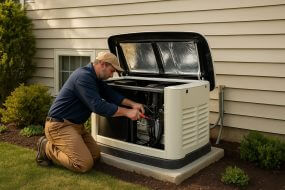
Standby Generator Cost: $8,000–$23,000 Installed
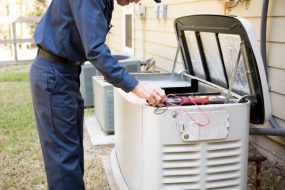
A standby generator is a permanently installed system that automatically detects a power outage and switches on within seconds — no manual setup required. It connects directly to your home’s electrical panel and to a fuel line (natural gas or propane), making it the most reliable and most expensive generator option.
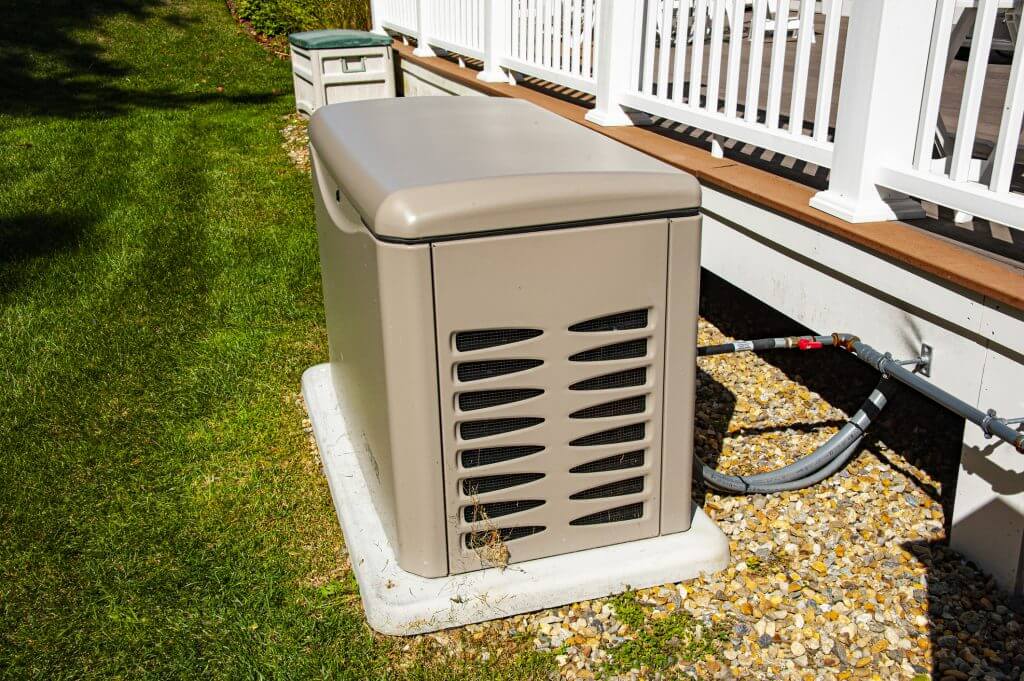
Standby generators cost the most upfront but deliver hands-off, whole-home coverage.
- Unit Cost: $5,000 to $15,000 depending on size and features.
- Installation: $3,000 to $8,000 for electrical, plumbing, permits, and site prep.
- Fuel: Natural gas or propane. Costs depend on local utility rates.
- Maintenance: $200 to $600/year for service contracts.
- Lifespan: 15 to 30 years with regular maintenance.
- Best Value For: Homeowners seeking full-home, hands-off backup power.
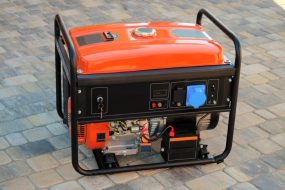
Portable Generator Cost: $400–$2,500
A portable generator is a movable, fuel-powered unit you manually start and plug appliances into during an outage. It typically powers a handful of essential items at once, like a fridge, some lights, and a sump pump, rather than the whole house.
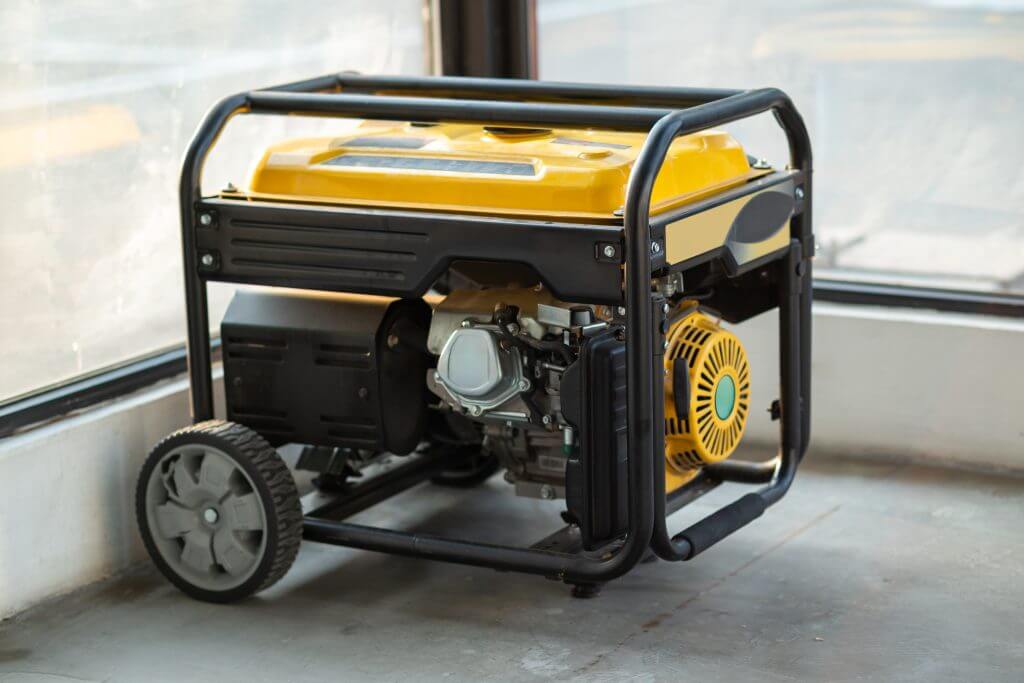
Portable generators are the most budget-friendly and versatile option on this list.
- Unit Cost: $400 to $2,500 for gasoline or propane models.
- Installation: $0 for cord use, up to $1,000 for a manual transfer switch.
- Fuel: Gasoline or propane, varies by run time and usage.
- Maintenance: Minimal — oil changes, spark plugs, and storage prep.
- Lifespan: 5 to 10 years with regular maintenance.
- Best Value For: Occasional emergency use and outdoor activities.
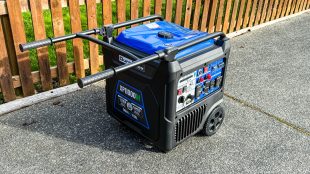
Inverter Generator Cost: $500–$4,000
An inverter generator is a quieter, more advanced type of portable generator that produces cleaner, more stable electricity — the kind of power that’s safe for laptops, phones, and medical devices without risk of damage from voltage fluctuations.
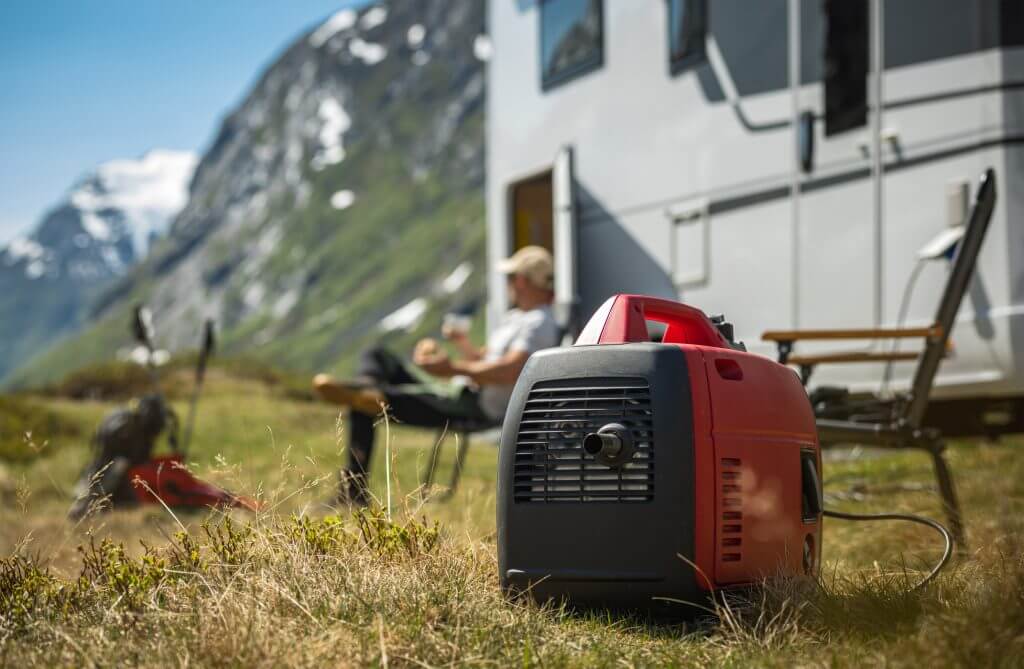
Inverter generators cost more than standard portables per watt, but they run quieter and protect electronics better.
- Unit Cost: $500 to $4,000.
- Installation: Usually none, but optional transfer switch up to $1,000.
- Fuel: Gasoline or propane, with high fuel efficiency.
- Maintenance: Similar to portable generators.
- Noise Level: 50–65 decibels — roughly conversation volume.
- Best Value For: Anyone who needs quiet, stable power for sensitive devices.
Dual-Fuel Generator Cost: $600–$4,500
A dual-fuel generator can run on either gasoline or propane, switchable on demand. That flexibility matters most during extended outages or regional fuel shortages, when one fuel type may be easier to find than the other.
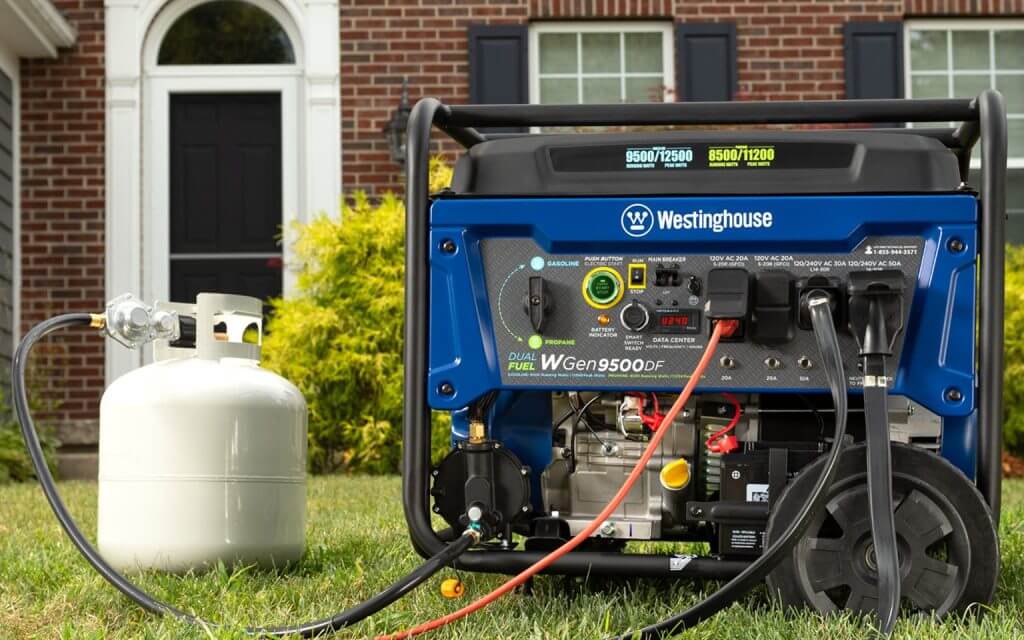
Dual-fuel models offer fuel flexibility without a major price premium over standard portables.
- Unit Cost: $600 to $4,500.
- Installation: $0 to $1,000.
- Fuel: Gasoline and propane, allowing extended runtimes.
- Maintenance: Same as portable units.
- Best Value For: Areas with variable fuel availability.
Solar Generator Cost: $1,000–$6,000
A solar generator stores electricity in a battery pack and recharges via solar panels or a wall outlet. It produces zero emissions and zero noise, but delivers less total power than fuel-based options, so it’s better suited to essentials than whole-home backup.
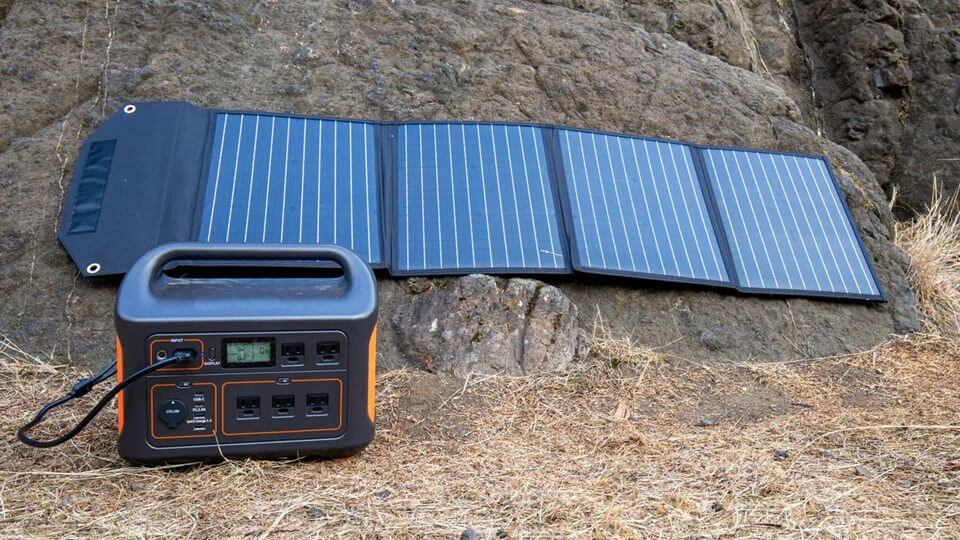
Solar generators cost more upfront for the capacity they offer, but have no ongoing fuel expense.
- Unit Cost: $1,000 to $6,000, depending on battery size.
- Installation: $0 to $2,000 if paired with rooftop or ground-mounted solar.
- Fuel: None — recharged via solar panels or wall outlets.
- Maintenance: Very low; occasional battery replacement after several years.
- Best Value For: Eco-conscious users and off-grid applications.
Diesel Generator Cost: $8,000–$30,000+ Installed
A diesel generator is a heavy-duty system engineered for long runtimes and high, sustained power output. It’s the standard choice for whole-home backup in areas prone to multi-day outages, and for commercial or industrial use.
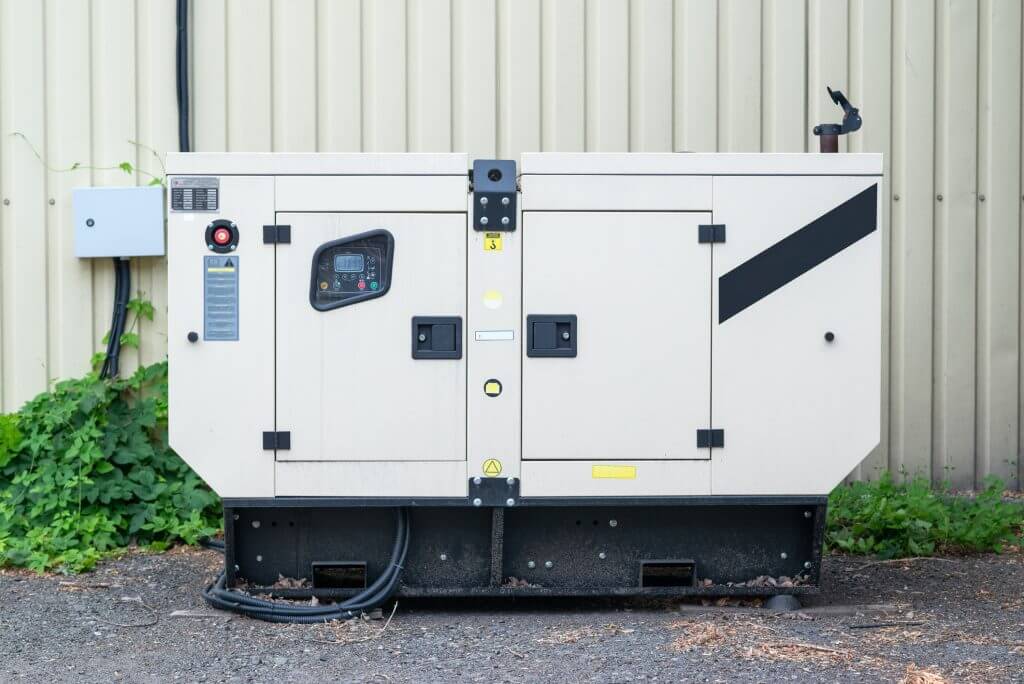
Diesel units cost the most upfront but deliver the longest lifespan and best fuel efficiency of any generator type.
- Unit Cost: $5,000 to $20,000.
- Installation: $3,000 to $10,000 for professional setup.
- Fuel: Diesel; efficient but may require additives in cold climates.
- Maintenance: $300 to $1,000/year for servicing.
- Lifespan: 20+ years with regular servicing.
- Best Value For: Heavy-duty, long-term power needs.
Additional Pricing Factors
- Transfer Switch: Manual ($500 to $1,000) or automatic ($1,500 to $3,000) is required for safe connection to home circuits.
- Permits: $50 to $500, depending on local regulations.
- Fuel Storage: Tanks, safety cans, or additional propane cylinders.
- Extended Warranties: Can add $200 to $1,000 depending on coverage.
Which Generator Is Right for You?
- Want the cheapest option for occasional outages? → Portable generator ($400–$2,500)
- Need quiet power for a laptop, phone, or medical device? → Inverter generator ($500–$4,000)
- Worried about fuel shortages during a long outage? → Dual-fuel generator ($600–$4,500)
- Want zero fuel costs and no emissions? → Solar generator ($1,000–$6,000)
- Want the whole house covered automatically, no matter what? → Standby generator ($8,000–$23,000)
- Need heavy-duty, long-runtime power for a large property or business? → Diesel generator ($8,000–$30,000+)
Final Thoughts
A portable generator is a quick, affordable fix for occasional outages. A standby or diesel generator is a long-term investment that pays off in reliability and peace of mind, especially in areas with frequent or extended power loss.
When deciding, weigh upfront cost against installation complexity, fuel availability, and ongoing maintenance — not just the sticker price.
A well-chosen generator protects your home, keeps your family safe, and preserves your comfort during emergencies. Get matched with licensed local installers to compare real quotes before you buy.