
Are you doing a windows project?
Modernize can pair you with three to four pros in your area, so you can compare options and save time and money.
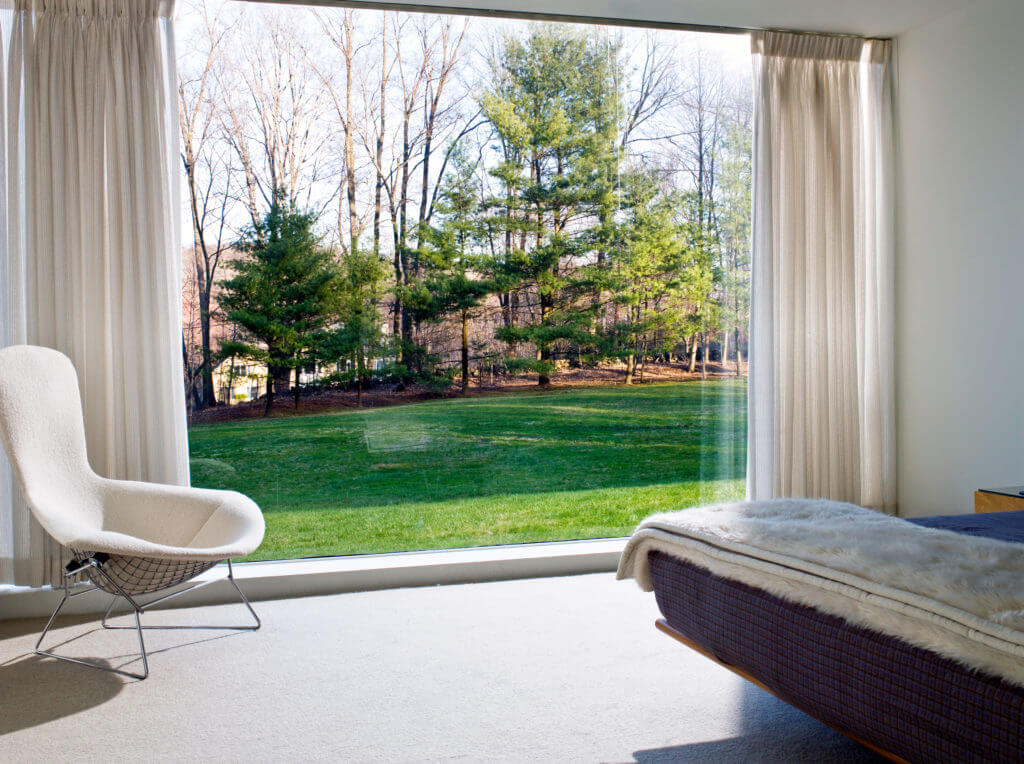
Smart glass windows are one of the most impressive upgrades in modern home design. Instead of relying on blinds or shades, these windows use built-in technology to switch from clear to tinted (or opaque) — helping you manage privacy, glare, and heat gain with the push of a button, an app, or automated settings.
But smart windows come with a premium price. Below, we’ll break down typical smart glass window costs, what drives the price up or down, and which smart window types may be the best fit for your home.
Smart Windows Cost
Smart windows are significantly more expensive than traditional window glass because the “smart” layer is either laminated inside the glass unit or applied as a powered film. In most residential projects, pricing is quoted per square foot and varies based on the smart technology, the glass package (double- vs. triple-pane), and controls.
Typical smart window cost ranges:
- Smart glass (full replacement IGU/panel): Often $70 to $150+ per sq. ft. installed, depending on technology and specs.
- Smart window film (retrofit application): Often $25 to $80 per sq. ft. installed, depending on film type and electrical/control requirements.
For comparison, standard window glass is often far less per square foot — but keep in mind that full window replacement pricing is typically quoted per window (including frame, installation, and finishing), not just glass.

What Affects Smart Glass Window Pricing?
Smart window costs can swing widely based on the details of your project. The biggest pricing factors include:
- Technology type: Electrochromic and SPD glass typically costs more than basic switchable privacy glass (PDLC) or smart film.
- Window size and shape: Large picture windows, custom shapes, and oversized units increase material and installation costs.
- Glass package: Double-pane vs. triple-pane, low-E coatings, laminated safety glass, and acoustic glass all change pricing.
- Controls and wiring: Hardwired power supplies, wall switches, smart-home hubs, and automation features add cost.
- Installation complexity: Second-story installs, specialty frames, structural changes, or electrical work will increase labor.
- New construction vs. retrofit: Smart glass is often easier to integrate during a remodel or new build than as a standalone retrofit.
Types of Smart Windows
There are several smart window technologies on the market, and each one works differently. When choosing a product, consider the room, window size, the window type you’re replacing, sun exposure, privacy needs, and how much heat you want to block.
Electrochromic Glass
Electrochromic windows tint gradually when a small voltage is applied, which helps control glare and solar heat gain. Many homeowners choose electrochromic glass for large, sunny rooms where comfort and temperature control matter most.
Suspended-Particle Device (SPD) Glass
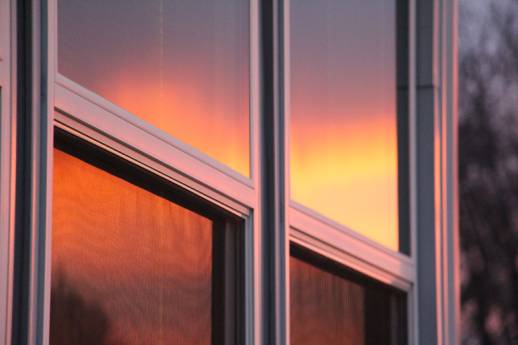
SPD glass uses suspended nanoparticles that align when voltage is applied. This allows the glass to shift between clear and tinted states quickly and can offer strong glare control. Cost and availability vary by brand and installer network.
Find the Right Contractor for Your Windows Project
Whether you’re ready to begin your project now or need some expert advice, our network of contractors are here to help. With a few simple questions, we’ll find the best local professionals for you
Polymer-Dispersed Liquid-Crystal (PDLC) Glass
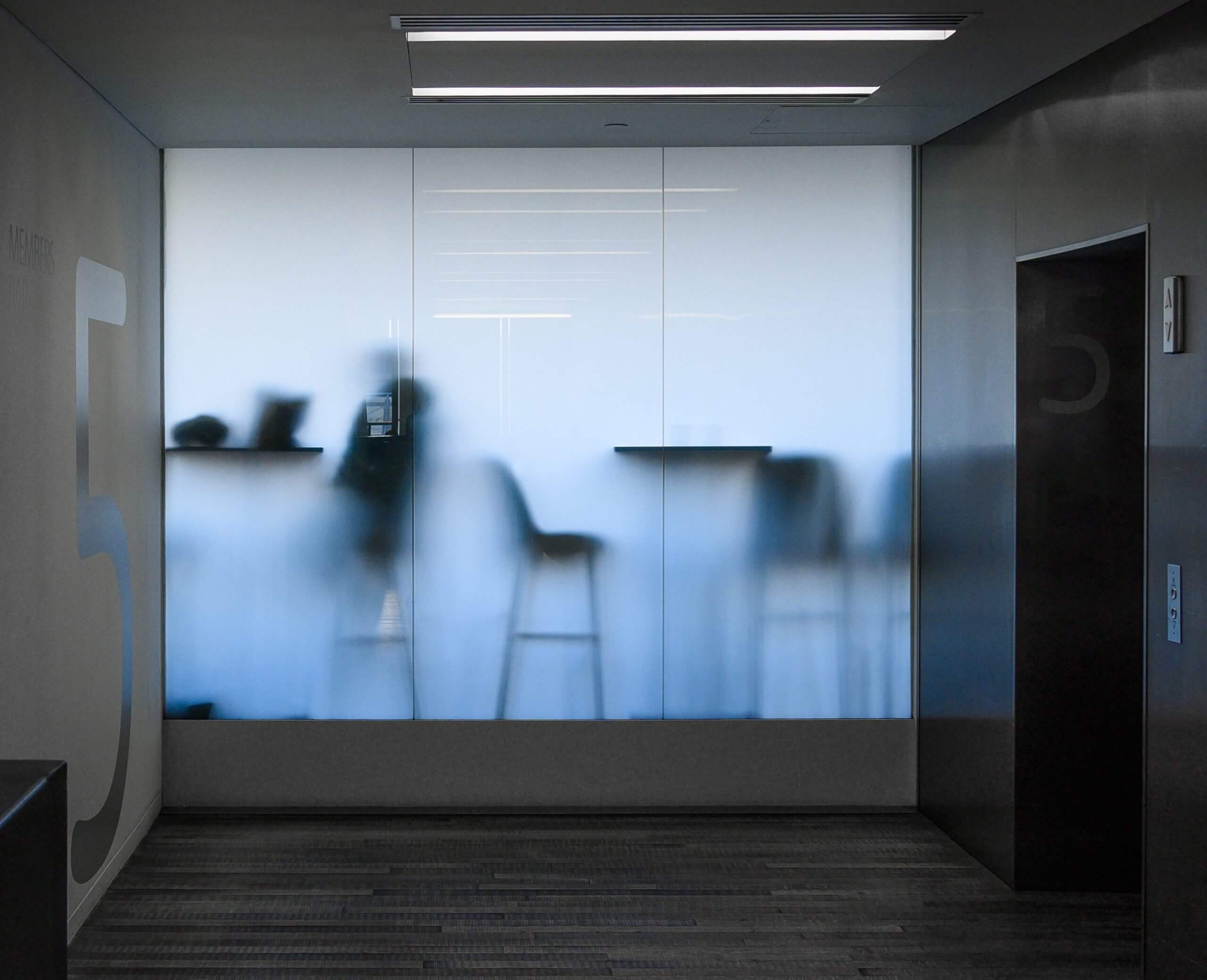
Often called “switchable privacy glass,” PDLC changes from clear to opaque (a frosted look) when powered. It’s common in bathrooms, offices, and interior partitions — and can be a strong privacy solution where blinds aren’t ideal.
Thermochromic Glass
Thermochromic glass changes tint based on temperature. Because it reacts to heat rather than homeowner controls, it may be less precise for privacy needs — but it can help reduce solar heat gain in hot conditions.
Photochromic Window Tint
Photochromic products darken when exposed to UV light and clear up when UV exposure drops. Like thermochromic options, these are more “automatic” than controlled and are often better suited for glare reduction than on-demand privacy.
Micro-Blind Smart Glass
Micro-blind glass embeds thin blinds between glass layers and uses electricity to adjust them. This option can feel most similar to traditional window treatments, with the convenience of powered control.


Benefits of Smart Windows
Smart windows can improve comfort and convenience, especially in rooms with intense sunlight or privacy concerns. However, the upfront cost is still the biggest barrier for most homeowners.
-
Pros
- Improves comfort and glare control
- Convenient privacy on demand
- Can reduce solar heat gain
-
Cons
- Higher upfront cost than standard windows
- Fewer residential installers in some areas
Pros of Smart Windows
- Energy efficiency potential: Smart windows can reduce unwanted solar heat gain and glare, which may help lower cooling demand. Actual savings depend on climate, window orientation, and the specific product.
- Convenience: Reduce reliance on blinds and shades, and automate tinting schedules based on time of day or sunlight.
- Privacy: Great for bathrooms, street-facing rooms, or home offices where window coverings aren’t ideal.
Cons of Smart Windows
- Cost: Smart glass is still a premium upgrade, and whole-home installs can be expensive compared to traditional windows plus treatments.
- Availability: Depending on your location, it can be harder to find installers with experience in smart glass and the required electrical controls.
- Repairs and replacement: If a powered component fails, repairs can be more specialized than standard window service.
Are Smart Glass Windows Worth It?
Smart windows are usually most worth it when you’re solving a specific comfort or privacy problem — like overheating in a high-sun room, excessive glare, or a bathroom window that needs privacy without curtains.
You’ll typically get the best value if:
- You’re already replacing windows (or doing a remodel/new build)
- You have large windows with heavy sun exposure
- You want privacy glass for bathrooms, entry sidelights, or home offices
- You plan to stay in your home long enough to benefit from comfort and efficiency improvements
Selecting the Right Smart Glass Windows Company
Because smart windows involve both glazing and powered controls, it’s important to choose an experienced contractor or installer network. Look for a company that:
- Has recent smart glass installation experience (not just standard window installs)
- Offers clear warranty terms for both the glass and electronics
- Can explain wiring, controls, and smart-home compatibility in plain language
- Provides a detailed quote that separates product, electrical work, and labor
Looking to start your smart windows project? Modernize can connect you with local window contractors to compare pricing and availability.
Find the Right Contractor for Your Windows Project
Whether you’re ready to begin your project now or need some expert advice, our network of contractors are here to help. With a few simple questions, we’ll find the best local professionals for you
-
 cost and budgeting
Affordable Home Upgrades
We’ve all had that moment walking into a room thinking, “It’s fine, but…” Sometimes it’s dated hardware. Sometimes it’s lighting. Sometimes it’s just that nothing feels fresh anymore. Here’s the... -
 cost and budgeting
The Real Costs and Benefits of Installing a Whole-House Generator
Why Homeowners Consider Whole-House Generators A whole-house generator is more than just a convenience — for many homeowners, it’s peace of mind. Unlike portable units, these generators are permanently installed,... -
 cost and budgeting
How Tariffs Are Driving Up Home Renovation Costs
Why Tariffs Matter for Home Renovation Costs Home renovation projects across the U.S. can get more expensive in , and not just because of labor costs or inflation. A mix... -
 cost and budgeting
How Much Does an Insulated Garage Door Cost?
Insulated Garage Door Costs: What Homeowners Should Know An insulated garage door boosts your home’s energy efficiency, comfort, and overall value. Whether you’re upgrading or installing a new door, knowing...
Reviews from Real Homeowners
Welcome to Homeowner Resources! We are the Modernize blog. Modernize pairs more than 3 million homeowners a year with pre-vetted contractors in their area. This blog started because we believe homeowners should know everything about their homes, from how their HVAC works to which front door colors they might love. On Homeowner Resources, you can find information on every part of your home, right down to how you can negotiate with contractors to get the best price. Here's more about the blog.
Need a contractor? Learn more about how Modernize finds the right pro for you.