Skip to content
ARS Rescue Rooter: Get $50 off plumbing repairs. Schedule your service →
Ready to start your project? Enter your ZIP to find local pros.
Please enter a valid 5 digit zip code

Water Heater Maintenance Tips: Prolonging the Life of Your System

Regular water heater maintenance helps prevent breakdowns, improves energy efficiency, and extends the life of your system. Simple tasks like inspections, flushing, and temperature adjustments can save money and reduce safety risks.

Are you doing a Plumbing project?

Modernize can pair you with three to four pros in your area, so you can compare options and save time and money.

Get Started

Water Heater Maintenance Tips

Below are practical water heater maintenance tips homeowners can follow. By following these tips and accounting for differences based on the type of water heater you own, you can reduce breakdowns, improve efficiency, and ensure a steady supply of hot water throughout your home.

1. Visual Inspection

How often: Monthly quick check

  • All water heaters: Look for signs of leaks, corrosion, rust, or loose connections on the tank, pipes, and fittings. Catching small issues early can prevent expensive repairs.
  • By type: For tankless water heaters, also inspect vents and surrounding areas for dust, debris, or blockages that could restrict airflow.

2. Flush the System

Why it matters: Flushing removes sediment and mineral buildup that reduces efficiency and damages components.

  • Tank water heaters: Flush the tank once a year to clear sediment that can slow heating and increase energy use.
  • Tankless water heaters: While these units don’t store water, periodic flushing is still recommended — especially in hard water areas — to remove mineral deposits from the heat exchanger.

3. Lower the Temperature

Recommended setting: About 120°F

  • All water heaters: Lowering the temperature improves energy efficiency, reduces wear on components, and lowers the risk of scalding.
  • Adjustment tips: Thermostat access and settings vary by model, so follow the manufacturer’s instructions carefully.
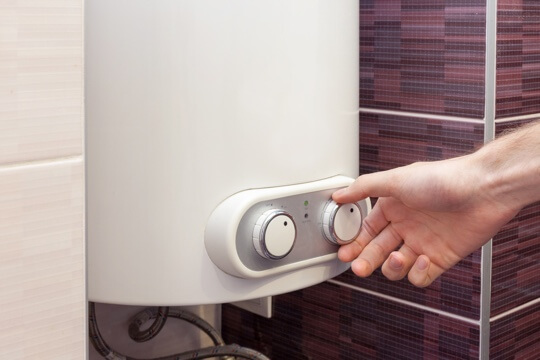
water heater installation

4. Replace the Anode Rod

Applies to: Tank water heaters only

  • The anode rod attracts corrosive minerals to protect the tank. Inspect it annually and replace it every 3 to 5 years, or sooner if heavily corroded.

5. Test the Pressure Relief Valve

Safety check: At least once per year

  • All water heaters: Lift the pressure relief valve lever briefly. A working valve should release a short burst of water into the drainpipe. If it doesn’t, the valve may need replacement.

6. Schedule Professional Inspections

Why it helps: Professionals can catch problems early and ensure safe operation.

  • All systems: A licensed technician can identify hidden issues, check electrical or gas components, and verify proper pressure and venting.
  • Frequency: Annual inspections are recommended, though older units may benefit from more frequent checks.
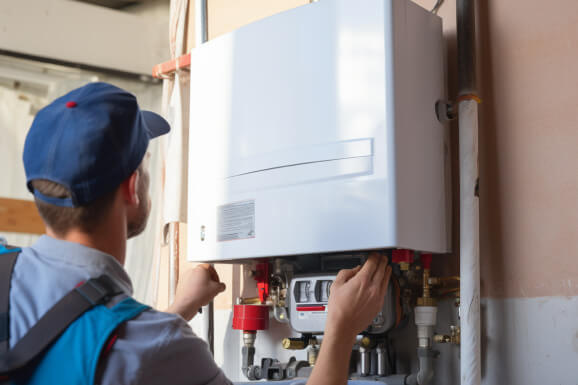
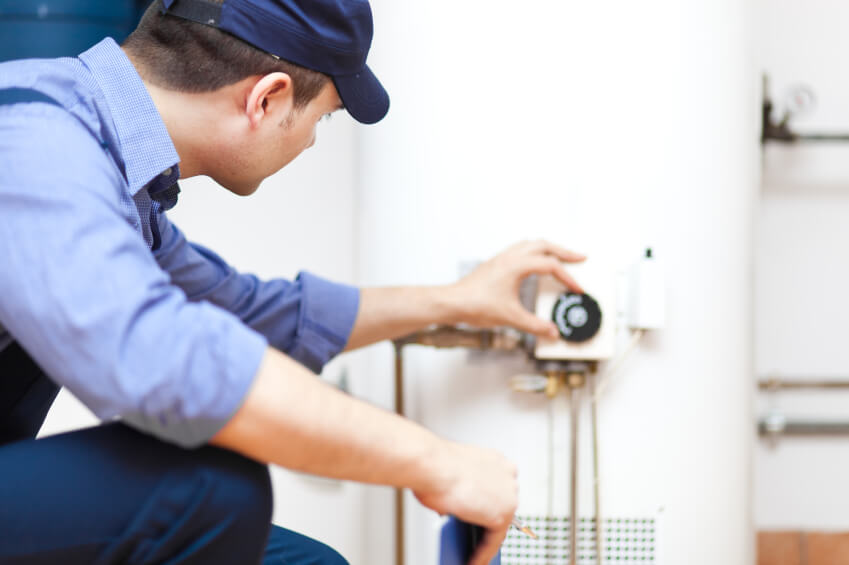
Contractor performing maintenance on a water heater

Keeping Your Water Heater in Top Shape

Consistent water heater maintenance improves efficiency, extends system lifespan, and helps avoid unexpected and costly repairs. A small investment of time or an annual professional visit can ensure reliable hot water and lower operating costs for years to come.

Find the Right Contractor for Your Plumbing Project

Whether you’re ready to begin your project now or need some expert advice, our network of contractors are here to help. With a few simple questions, we’ll find the best local professionals for you

Recommended Articles

Mother and daughter painting a wall together

Other Home Projects

Affordable Home Upgrades

We’ve all had that moment walking into a room thinking, “It’s fine, but…” Sometimes it’s dated hardware. Sometimes it’s lighting. Sometimes it’s just that nothing feels fresh anymore. Here’s the good news. You do not need a full renovation to fix it, and you do not need to tackle everything at once. The smarter approach…

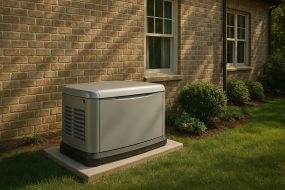
Standby generator installed outside a brick home

Generators

Natural Gas Generators and Carbon Monoxide: What Homeowners Should Know

Understanding the Concern Natural gas generators are one of the most popular standby power options for homeowners. They connect directly to your home’s gas line, which means no hauling fuel or worrying about storage, and they can run for days on end during extended outages. Despite their convenience and cleaner-burning reputation, they still produce carbon…

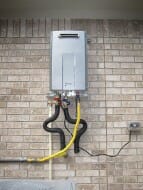
A tankless water heater installed on the side of a house.

Plumbing

Understanding UEF Ratings for Water Heaters: What You Need to Know

Choosing the Right Water Heater Starts With the UEF Rating When comparing water heaters for your home, understanding efficiency ratings is key to selecting the most cost-effective system. One of the most important terms you’ll come across is Uniform Energy Factor (UEF). This rating helps determine how efficiently a water heater converts energy into hot…

Burst pipe under a water basin leaking and flooding the floor

Plumbing

How Water Leak Sensors Work — and Why Every Home Needs Them 

Water Leak Sensors: What to Know Water damage might start as a small nuisance, but it can quickly become expensive. A slow leak can ruin flooring, warp wood, damage carpet, and lead to mold growth inside walls. The good news: water leak sensors are a simple, affordable way to catch leaks early, before they spiral…

Reviews from Real Homeowners

About Us

Welcome to Homeowner Resources! We are the Modernize blog. Modernize pairs more than 3 million homeowners a year with pre-vetted contractors in their area. This blog started because we believe homeowners should know everything about their homes, from how their HVAC works to which front door colors they might love. On Homeowner Resources, you can find information on every part of your home, right down to how you can negotiate with contractors to get the best price. Here's more about the blog.

Need a contractor? Learn more about how Modernize finds the right pro for you.