We’ve all had that moment walking into a room thinking, “It’s fine, but…” Sometimes it’s dated hardware. Sometimes it’s lighting. Sometimes it’s just that nothing feels fresh anymore.
Here’s the good news. You do not need a full renovation to fix it, and you do not need to tackle everything at once.
The smarter approach is to think in terms of maintenance first, upgrades second. The best home improvements do more than improve appearance. They prevent bigger, more expensive problems over time.
Before you start any project, run it through a quick filter:
- Is this a repair or a replacement?
- Can this safely wait 6 months?
- What’s the cheapest safe fix right now?
- What happens if I delay this?
- Will this save me money, or just improve appearance?
The $50 Refresh: High-Impact Fixes That Prevent Bigger Problems
At the lowest budget level, focus on projects that either improve how your home looks or prevent early wear from turning into damage.
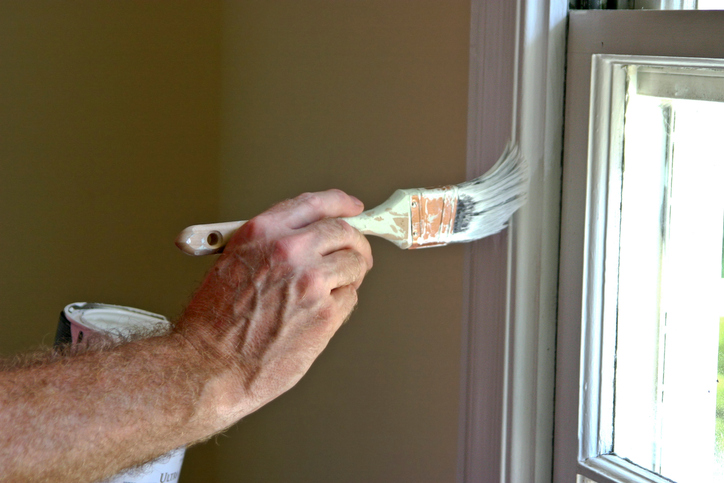
This is where maintenance and DIY overlap, and where painting stands out as one of the highest-impact, lowest-cost projects you can take on yourself.
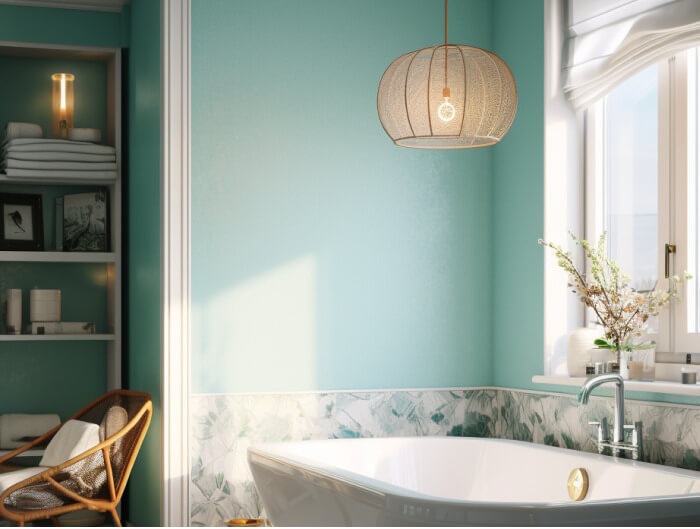
Lighting is still one of the fastest ways to update a space. If your home feels dim or dated, it is often not the fixture. It is the bulb. Swapping to consistent LED color temperatures (3000K to 4000K) can instantly make a room feel cleaner and more current.
From there, look at surfaces that show wear.
Grout, caulk, and paint are not just cosmetic. They act as protective layers. When they break down, moisture and dirt follow.
High-Impact Fixes Under $50
- Standardize bulbs (consistent “Bright White” or “Daylight” LEDs)
- Scrub or re-seal grout to prevent moisture issues
- Re-caulk tubs, sinks, and backsplashes
- Touch up or repaint trim and walls
- Clean or descale fixtures like showerheads and faucets
Why this matters: Small issues tend to grow when ignored. What starts as worn caulk can lead to water damage behind tile or drywall.
Kitchen Updates on a Budget: Refresh vs Replace
Kitchen upgrades are one of the most common ways to increase home value, but they are also where costs can escalate quickly. The key is knowing when a refresh will get you most of the result.
Start with the simplest upgrade: hardware.
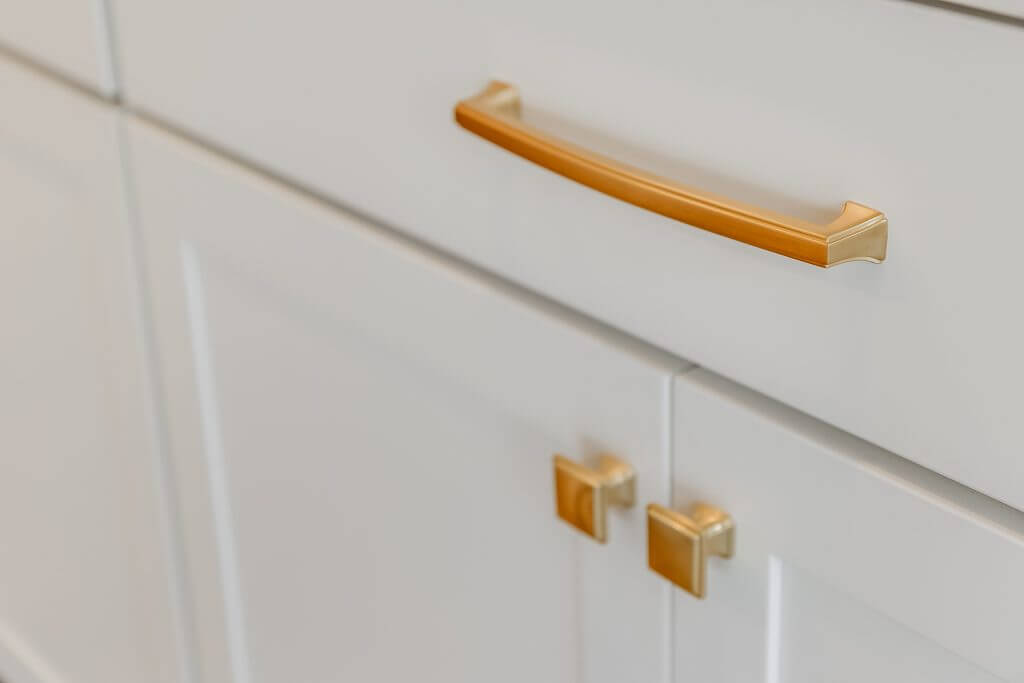
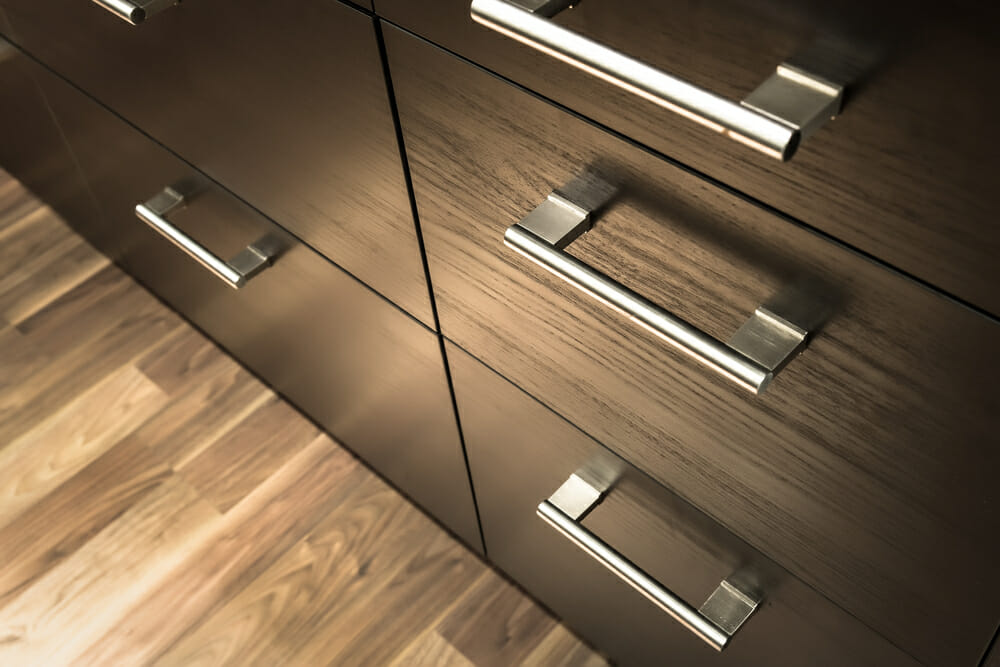
Swapping cabinet pulls and knobs updates the entire room without changing the structure. Just match the existing hole spacing (center to center measurement) so installation stays simple. Cabinet jigs are an inexpensive tool and available at any hardware store; they are game-changing when it comes to streamlining this project.
Next, look at surfaces.
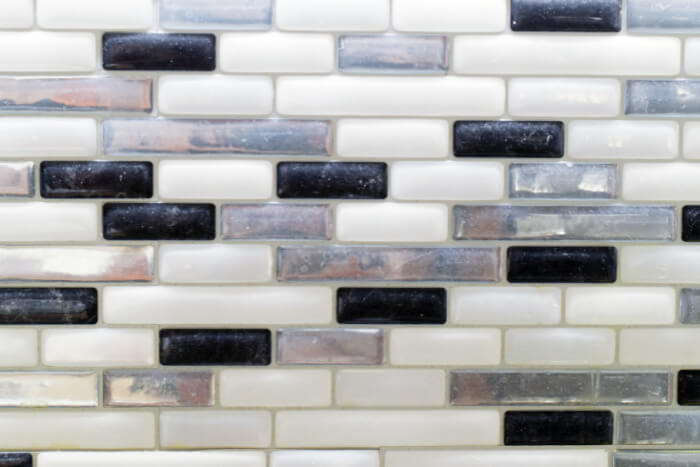
Peel-and-stick tile backsplash can work well if the wall is properly prepped. Kitchen surfaces collect grease, so using a degreaser before installation is essential. You can also do a simple clean and grout refresh for that new feeling without changing if you love what you have already.
Then there is paint.
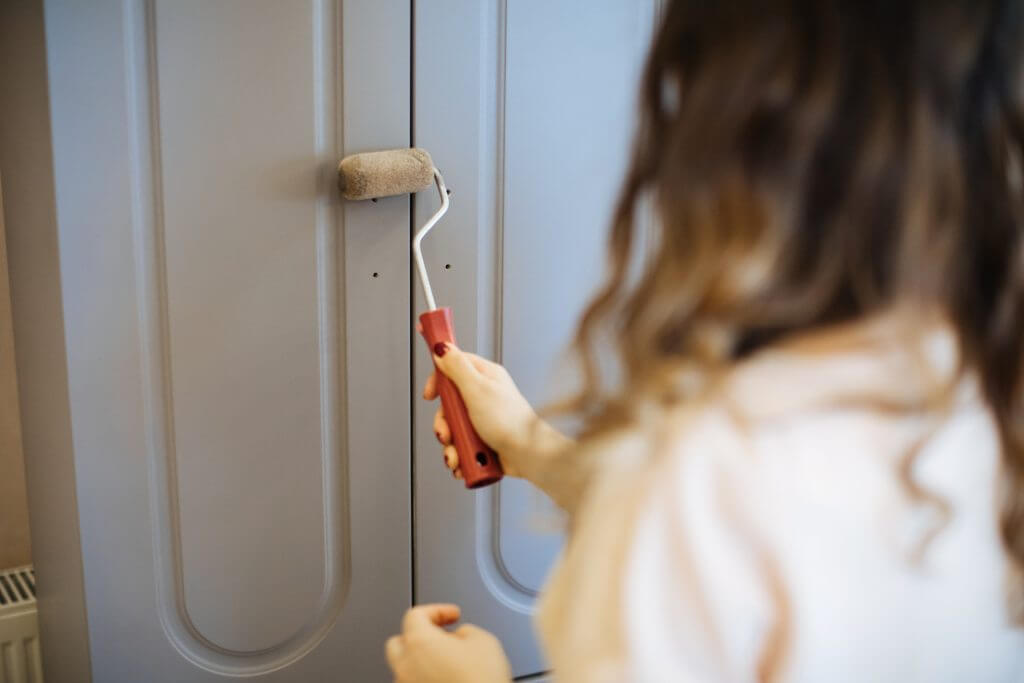
Painting cabinets or walls is one of the most cost-effective upgrades you can DIY. When done correctly, it can extend the life of your cabinets for years and delay a full replacement. Painting cabinets isn’t hard, but it IS time-consuming. Give yourself at least as much time as is recommended for curing before trying to use the cabinets, or you risk pulling off paint that hasn’t fully set.
Repair vs. Replace in the Kitchen
- Cabinets structurally sound? → Paint or reface
- Drawers sticking? → Repair hardware first
- Layout not functional? → Replacement may be worth it
If you are planning a larger kitchen project, it may help to compare cost vs value for kitchen remodels before committing.
If you delay: Cosmetic issues can usually wait. Structural or moisture-related problems should not.
$150 Comfort Upgrades: Projects That Save Money Fast
Before buying anything new, address what is not working efficiently.
Heating and cooling account for a large portion of your energy bill, and much of that loss comes from small air leaks. A simple test is to hold incense near windows or doors. If the smoke moves sideways, air is escaping.
This is where inexpensive fixes can deliver real savings.
Priority Upgrades Under About $150
- Weatherstripping for doors and windows
- Caulking gaps and cracks
- Cellular (honeycomb) shades for insulation
- Smart or programmable thermostat (if compatible)
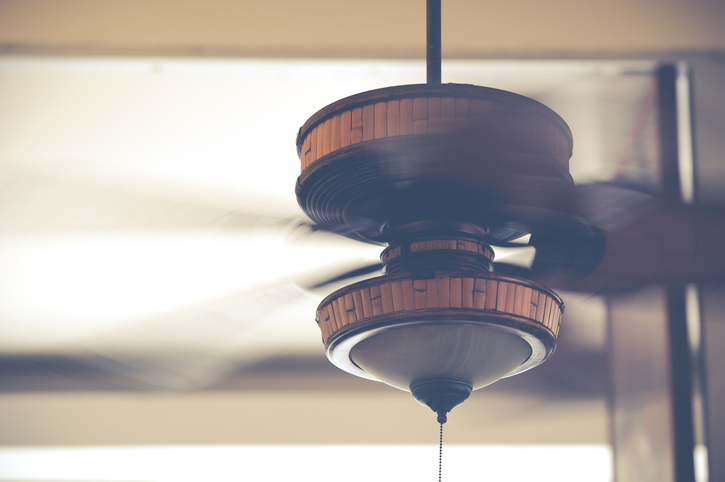
- Ceiling fan to reduce AC use
- Make sure it’s spinning in the right direction! During the warmer seasons, set the blades to spin counterclockwise for a cooling downdraft. In the cooler seasons, set them to spin clockwise to push warm air down. It really does make a difference!
Projects That Pay Off Fastest
- Air sealing, which reduces energy loss immediately
- Thermostat upgrades, which often pay off in 1 to 2 years
If you want to go further, consider reviewing energy-efficient home upgrades that lower utility bills.
Can you wait 6 months?
- Drafts: usually yes, but expect higher utility bills
- Major HVAC issues: no, delays can increase repair costs
Curb Appeal Under $500: Exterior Maintenance That Adds Value
Exterior updates are not just about appearance. They help protect your home from weather and long-term wear.
Start with what preserves the structure, then layer in visual improvements.
Smart Exterior Priorities
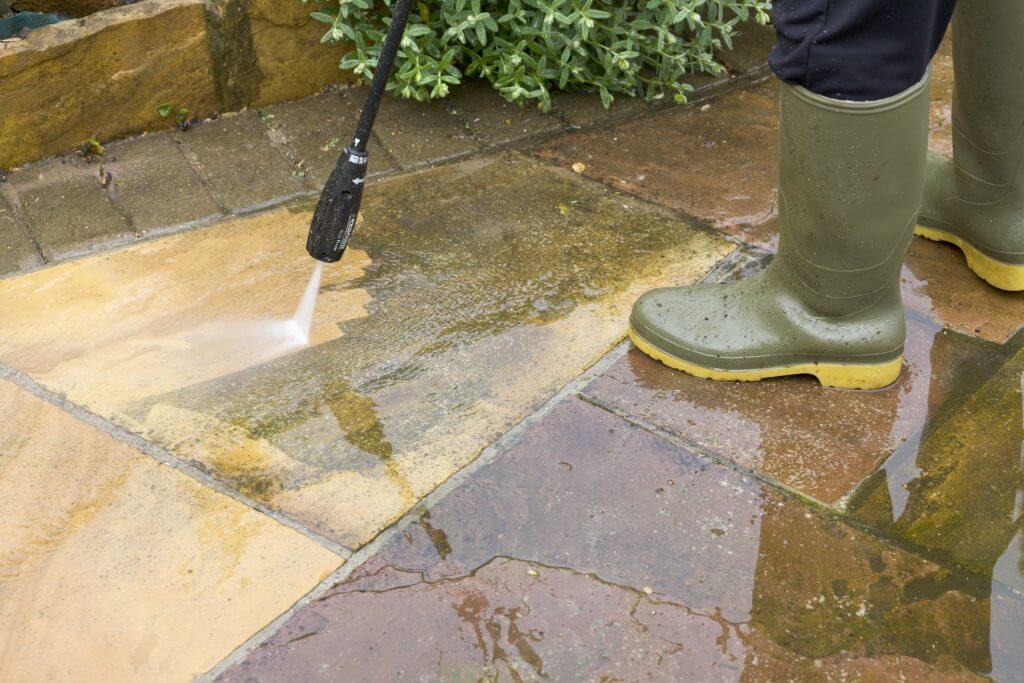
- Power wash siding, decks, and walkways
- Repaint or seal exterior wood
- Replace worn house numbers or hardware
- Plant low-maintenance, climate-appropriate landscaping
- The closer you can get to a native garden, the healthier your bees and butterflies will be and the less long-term maintenance you’ll have to worry about!
Power washing removes buildup like mold and mildew, which can shorten the life of surfaces if left untreated.
If you are considering larger exterior upgrades, you may want to explore curb appeal improvements that increase home value.
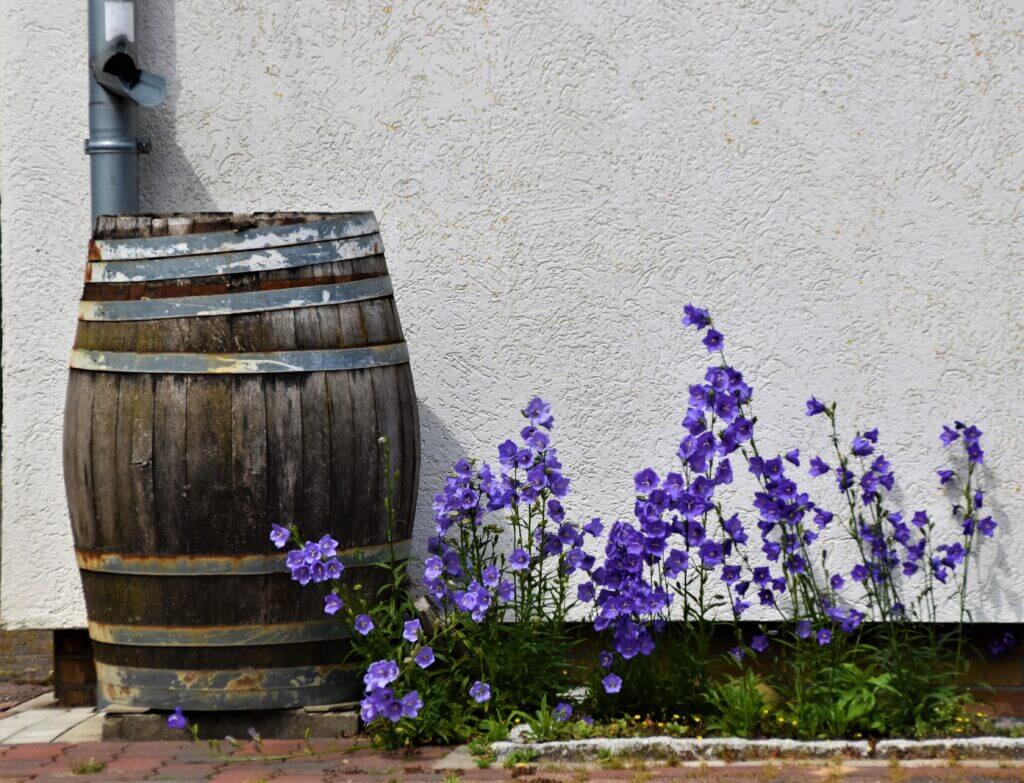
If your home. HOA, spouse, or general curb vision doesn’t support a rain barrel and you can’t invest in an underground gutter system, consider a rain garden instead. Native-plant rain gardens don’t just support the ecosystem, they can also protect your foundation. Soil amendments, such as expanded shale, and plants that help absorb water, such as Gulf Muhly, along with strategic hardscaping can help prevent standing water after storms, which helps with long-term foundation health!
If you delay: Exterior wear tends to compound. Minor issues can turn into rot or more expensive repairs.
Preventative Maintenance by System
If your budget is tight, think in systems instead of individual rooms.
Roof and Exterior
- Replace damaged shingles early
- Seal gaps and repaint exposed wood
HVAC
- Change filters regularly
- Address airflow issues early
Plumbing
- Fix slow leaks right away
- Maintain caulking and seals
Interior Surfaces
- Repaint high-traffic areas before damage sets in
- Keep grout and caulk in good condition
This is where homeowners save the most money over time. Catching problems early prevents larger repairs.
How to Plan Home Upgrades in Phases
Instead of trying to do everything at once, break projects into phases.
Phase 1: Stabilize (Safety and Damage Prevention)
- Fix leaks, drafts, and failing seals
- Address issues that worsen over time
Phase 2: Improve Efficiency (Reduce Monthly Costs)
- Insulation, thermostat upgrades, airflow improvements
Phase 3: Cosmetic Upgrades (High Impact, Low Cost)
- Paint, hardware, lighting
Phase 4: Major Replacements (When Necessary)
- Appliances, roofing, structural updates
If you are working within a tight budget, this phased approach helps you avoid unnecessary debt while still making progress.
When to DIY vs Call a Professional
DIY is a good fit for:
- Painting, including walls, trim, and cabinets with proper prep
- Color drenching is a great way to be less concerned with mistakes!
- Hardware swaps
- Contrary to popular belief, hardware does NOT have to match throughout the home!
- Caulking and basic sealing work
Call a professional when:
- Electrical panels or new wiring are involved
- Structural changes are required
- Major plumbing work is needed
- Large, high-ceilinged interiors mean risk for the everyday DIYer
If you are unsure, reviewing DIY vs professional home project costs can help you decide.
Easy Weekend Updates
Instead of tackling random projects, use your weekend to complete one phase.
Saturday:
- Seal drafts, clean grout, and re-caulk problem areas
Sunday:
- Paint a high-impact space such as an accent wall, trim, or cabinets
- I LOVE Sherwin Williams (more so after using an entire gallon of another brand to paint a guest bathroom and still needing another coat!) and I’m a firm believer in color in a home! DIY takes time, but the effort is absolutely worth it!
- Swap hardware or lighting
- You will not believe how life-changing the simple act of adding cabinet and drawer hardware can be, especially if you have hard-to-open soft-close hinges.
This approach improves both how your home looks and how well it performs.
The Bottom Line
Affordable home upgrades are not just about spending less. They are about making better decisions.
When you prioritize maintenance, choose the cheapest safe fix, and plan projects in phases, you reduce the risk of larger expenses while still improving your space.
If you are deciding between fixing and replacing a major system, your next step should be to review a repair vs. replace guide by system so you can make the most cost-effective call.
In many cases, a simple DIY project like painting can extend the life of your home’s surfaces for years before replacement becomes necessary.
That is the real value.
Find the Right Contractor for Your Home Improvement Project
Whether you’re ready to begin your project now or need some expert advice, our network of contractors are here to help. With a few simple questions, we’ll find the best local professionals for you