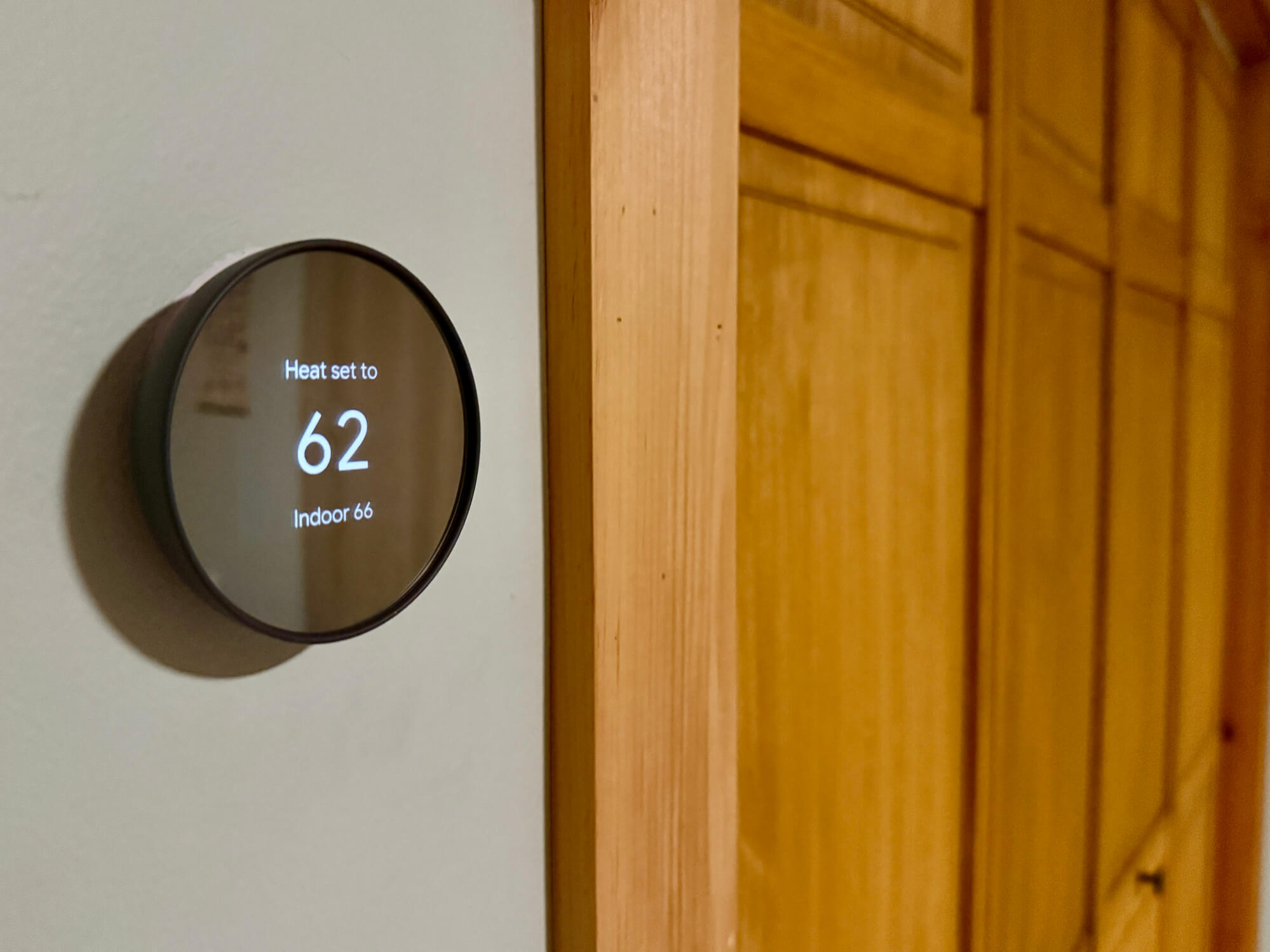
Upgrading to a smart thermostat is one of the most cost-effective ways to improve home comfort and reduce energy waste — but it’s still a meaningful investment. While the device itself typically costs between $100 and $400, total installed costs generally range from $200 to $650, depending on wiring requirements, HVAC compatibility, and professional installation fees.
→→→Jump to Best Smart Thermostat Brands List
Unlike traditional thermostats, smart models directly impact your home’s energy efficiency, comfort consistency, and even long-term HVAC system performance. The brand you choose can influence:
- Energy savings potential
- System compatibility
- App usability and smart home integration
- Warranty protection
- Data privacy and software support
- Long-term reliability
Below is a quick snapshot to help you narrow your options.
Best Smart Thermostat Brands by Homeowner Need
What’s Changed in 2026?
- Stricter ENERGY STAR standards: Updated certification requirements focus on automated setbacks and usage reporting, increasing rebate eligibility for qualifying models.
- Expanded Matter compatibility: More brands now support the universal Matter standard, improving cross-platform integration with Apple HomeKit, Alexa, and Google Home.
- Smarter AI automation: Learning algorithms continue to improve occupancy detection and predictive scheduling accuracy.
- Regional rebate variability: Utility incentives vary by state and provider, with potential savings typically ranging from $50 to $150.
- Improved HVAC compatibility tools: More models now include C-wire adapters or enhanced installation guidance for older systems.
Best Smart Thermostats of 2026
To determine the best smart thermostat brands, we use a standardized weighted scoring system focused on what matters most to homeowners. Brands are evaluated across six core categories: performance and energy efficiency (25%), including ENERGY STAR certification and automation accuracy; warranty strength and support (20%); smart home integration (15%), such as compatibility with Alexa, Google, Apple HomeKit, and Matter; ease of installation and HVAC compatibility (15%); price and overall value (15%); and app experience and usability (10%).
Our research draws from manufacturer specifications, warranty documentation, public certifications, independent efficiency data, installer feedback, homeowner reviews, and national pricing research. Modernize does not accept payment for ranking placement, and partner relationships do not influence scores. All brands are evaluated using the same consistent editorial criteria.
Best For: Homeowners who want automated energy savings with minimal manual programming.
$130 to $280 (device only) | $250 to $500 installed
Google Nest helped define the smart thermostat category. Its learning algorithms automatically adjust temperature settings based on homeowner behavior, reducing the need for constant manual input. The Nest Learning Thermostat includes occupancy sensing, weather-based adjustments, and energy usage reports. It integrates seamlessly with Google Home and works with Alexa.
Nest earns its high rating due to its automation capabilities, intuitive design, and strong ENERGY STAR performance.
Good Fit If: You want a thermostat that learns your habits automatically.
Not Ideal If: You prefer detailed manual programming control.
What We Love
- Strong automation
- ENERGY STAR certified
- Sleek design
- Utility rebate eligibility
- Strong smart home integration
Watch Out For
- Higher premium models cost more
- Requires C-wire for some systems
- Limited manual scheduling depth
- Nest Thermostat: $130 to $150
- Nest Learning Thermostat: $250 to $280
- Installation: $100 to $250
Pricing varies based on system compatibility and local installer rates. Older HVAC systems without a C-wire may require an adapter or additional wiring, which can increase total installation cost.
Nest Learning Thermostat (3rd Gen)
The Nest Learning Thermostat features a high-resolution color display, auto-scheduling technology, ENERGY STAR certification, and remote access through the Google Home app. Its Farsight display lights up when you enter the room, showing time or temperature from a distance, and the system adjusts automatically based on occupancy and usage patterns. For homeowners who want automation without constant manual adjustments, it remains the brand’s most advanced and widely adopted model.
Best For: Homeowners who want room-by-room comfort control.
$170 to $300 device | $300 to $600 installed
Ecobee stands out for its SmartSensor technology, which balances temperatures in multiple rooms. This helps eliminate hot and cold spots. The brand integrates with Alexa (built-in voice control in select models), Apple HomeKit, Google Assistant, and Matter.
Ecobee’s energy reporting tools and occupancy detection contribute to strong efficiency performance.
Good Fit If: Your home has uneven temperatures between rooms.
Not Ideal If: You want the lowest upfront cost.
What We Love
- Room sensors included
- Strong smart home compatibility
- Detailed energy reports
- Built-in voice assistant
Watch Out For
- Higher initial cost
- Advanced features may be unnecessary for small homes
- App can feel feature-dense
- Ecobee Smart Thermostat Premium: $250 to $300
- Ecobee Enhanced: $170 to $190
- Installation: $120 to $250
Final pricing depends on how many room sensors are included and whether professional installation is required. Homes adding multiple sensors or integrating with complex HVAC systems may see higher total costs.
Ecobee Smart Thermostat Premium
The Ecobee Smart Thermostat Premium includes SmartSensor room monitoring, built-in voice control, ENERGY STAR certification, and advanced energy reporting tools. It can balance temperatures across multiple rooms and integrates with Apple HomeKit, Alexa, Google Assistant, and Matter. Its combination of comfort control, air quality monitoring, and smart home flexibility makes it the brand’s flagship option for homeowners seeking room-by-room precision.
Best For: Homes with older or complex HVAC systems.
$120 to $280 device | $250 to $550 installed
Honeywell has decades of HVAC expertise. Its smart thermostats prioritize compatibility across a wide range of heating and cooling systems. The T9 and T10 models offer room sensors and smart scheduling without requiring aggressive learning algorithms.
Good Fit If: You want reliability and broad HVAC compatibility.
Not Ideal If: You want cutting-edge AI learning features.
What We Love
- Strong HVAC compatibility
- Reliable brand reputation
- Room sensors available
- ENERGY STAR certified
Watch Out For
- App interface less modern
- Fewer advanced automation features
- Pro installation often recommended
- T9 Smart Thermostat: $170 to $220
- T10 Pro: $250 to $280
- Installation: $120 to $250
Installation costs may vary depending on system type and whether additional configuration is needed for multi-stage or heat pump systems. Some installations may require professional setup to ensure full compatibility.
T9 Smart Thermostat
The Honeywell Home T9 Smart Thermostat offers smart room sensor compatibility, customizable scheduling, ENERGY STAR certification, and broad HVAC system support. It allows homeowners to prioritize specific rooms at different times of day, improving comfort without relying heavily on AI-based learning. Its strong compatibility and straightforward app controls make it one of Honeywell’s most practical and popular smart thermostat options.
Best For: Homeowners who want a straightforward, reliable smart thermostat without complex automation features.
$100 to $200 device | $200 to $450 installed
Emerson’s Sensi line is known for reliability, HVAC compatibility, and simplified smart functionality. Unlike brands that focus heavily on AI-driven automation, Sensi prioritizes consistent temperature control and easy app-based scheduling. The Sensi Smart Thermostat and Sensi Touch models support most standard residential HVAC systems, including heat pumps and multi-stage systems. Installation is often simpler than competing brands, and many homeowners appreciate the clean, no-frills mobile app interface.
Sensi earns strong marks for dependability and broad system compatibility, making it a practical upgrade for homeowners transitioning from traditional programmable thermostats.
Good Fit If: You want dependable smart control without advanced learning features.
Not Ideal If: You prefer deep automation, room sensors, or AI-based scheduling.
What We Love
- Affordable pricing
- Broad HVAC compatibility
- Simple, intuitive app
- ENERGY STAR certified
- Reliable performance reputation
Watch Out For
- Limited advanced automation
- No included room sensors
- Fewer premium features than top-tier competitors
- Design is more functional than decorative
- Sensi Smart Thermostat: $100 to $130
- Sensi Touch: $160 to $200
- Professional Installation: $100 to $250
Total cost depends largely on existing wiring and HVAC system type. While many installations are straightforward, older systems without a C-wire may require minor electrical modifications.
Sensi Touch Smart Thermostat
The Sensi Touch features a responsive color touchscreen, flexible scheduling options, ENERGY STAR certification, and compatibility with most residential HVAC systems, including heat pumps and multi-stage units. The Sensi app provides usage reports and remote control without complex automation layers. Its balance of reliability, ease of use, and straightforward setup makes it the brand’s most commonly chosen model.
Best For: Alexa-based households looking for an affordable smart thermostat upgrade.
$70 to $140 device | $180 to $400 installed
The Amazon Smart Thermostat is designed for simplicity and affordability, making it one of the most accessible entry points into smart temperature control. Built to integrate seamlessly with Alexa-enabled devices, it allows homeowners to adjust settings using voice commands or the Alexa app. While it does not offer advanced AI learning or built-in room sensors, it provides reliable scheduling, remote access, and ENERGY STAR-certified efficiency. For homeowners already invested in the Amazon ecosystem, the integration is straightforward and intuitive.
The brand earns strong value marks due to its low upfront cost and ease of use, especially for smaller homes or straightforward HVAC systems.
Good Fit If: You already use Alexa devices and want a budget-friendly smart thermostat.
Not Ideal If: You rely on Apple HomeKit or want advanced room-balancing features.
What We Love
- Very affordable price point
- Strong Alexa integration
- ENERGY STAR certified
- Straightforward setup
- Clean, simple app interface
Watch Out For
- Limited compatibility outside Alexa ecosystem
- No advanced learning algorithms
- No included room sensors
- Basic display design
- Amazon Smart Thermostat: $70 to $140
- Professional Installation: $100 to $250
Installation costs vary depending on wiring compatibility and whether a C-wire is present. Some homeowners may need a C-wire adapter or minor electrical adjustments to complete setup.
Amazon Smart Thermostat (Standard Model)
The Amazon Smart Thermostat integrates directly with Alexa for voice control, app-based scheduling, and automated energy-saving routines. It includes ENERGY STAR certification and guided installation support through the Alexa app. Designed for simplicity and affordability, it focuses on core smart functionality rather than advanced learning features, making it the brand’s primary offering.
Best For: Budget-conscious homeowners seeking basic smart functionality.
$80 to $120 device | $180 to $400 installed
Wyze has built a reputation for delivering affordable smart home products, and its smart thermostat follows that same value-focused approach. The device includes remote app control, customizable scheduling, voice assistant integration, and ENERGY STAR certification at a lower cost than many competitors. The interface is simple and accessible, making it appealing for homeowners who want to upgrade from a programmable thermostat without investing in premium automation tools. While it lacks advanced learning features, it covers the core smart thermostat essentials.
Wyze earns its rating primarily for affordability and feature-to-price ratio.
Good Fit If: Budget is your primary decision factor.
Not Ideal If: You want advanced automation or premium design aesthetics.
What We Love
- Low upfront cost
- ENERGY STAR certified
- Easy-to-use app
- Voice assistant compatibility
- Strong value for small homes
Watch Out For
- Limited advanced automation
- Fewer integration options than premium brands
- Basic display and hardware design
- Shorter brand track record in HVAC products
- Wyze Smart Thermostat: $80 to $120
- Professional Installation: $100 to $250
Pricing may increase if professional installation is needed or if additional wiring is required for system compatibility. Homes with multi-stage heating or cooling systems should confirm compatibility before purchase.
Wyze Smart Thermostat
The Wyze Smart Thermostat provides app-based scheduling, usage tracking, voice assistant compatibility, and ENERGY STAR certification at an entry-level price. Its clean interface and straightforward controls make it easy to transition from a traditional programmable thermostat. As Wyze’s primary smart HVAC product, it emphasizes affordability while delivering essential smart features.
Common Smart Thermostat Brand Dealbreakers to Know
Even highly rated smart thermostat brands can have limitations. Understanding these common issues can help you avoid unexpected costs or compatibility problems.
- Warranty limitations: Most warranties last 1 to 3 years and often exclude labor. Some require professional installation to remain valid.
- Labor not included: If a thermostat fails, you may still pay $100 to $250 for reinstallation.
- Sensor add-ons: Room sensors are sometimes sold separately, increasing total cost.
- HVAC compatibility issues: Not all models work with heat pumps, multi-stage systems, or homes without a C-wire.
- Feature gaps between tiers: Entry-level models may lack advanced automation, reporting tools, or air quality features.
- App and software reliability: Long-term usability depends on ongoing software updates and stable app performance.
Reviewing these factors before purchasing can prevent overspending and ensure your thermostat matches your system and comfort goals.
How to Choose the Best Smart Thermostat Brand for Your Home
Selecting the best smart thermostat brand starts with compatibility and ends with total value — not just device price.
- Confirm HVAC compatibility first: Verify support for your system type, stages, and C-wire requirements before comparing features.
- Match features to your climate: Extreme climates benefit from automation and occupancy sensing; moderate climates may not require premium models.
- Look for ENERGY STAR certification: Certified models meet efficiency benchmarks and may qualify for rebates.
- Compare warranty terms carefully: Coverage length and conditions vary by brand and product tier.
- Evaluate total installed cost: Installation can add $100 to $250 depending on wiring and system complexity.
- Compare multiple quotes: Reviewing 2 to 3 brands and 2 to 4 local installers helps clarify pricing and compatibility.
Focusing on system fit, warranty strength, and total installed cost will lead to a smarter long-term investment.