Mold Cleanup: What Homeowners Need to Know
Discovering mold in your home can be alarming. Mold often hides behind walls, under floors, or in damp corners, spreading quietly and potentially posing health risks. When you find it, your first question might be: can I handle this myself or do I need to call in a professional? In this guide, we’ll walk you through the pros and cons of DIY mold removal, when it’s safe to do it yourself, and when hiring a pro is the smarter (and safer) choice.
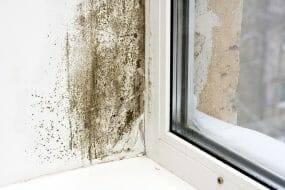
What Is the Best Mold Remediation Process?
There are two primary approaches to home mold removal — tackling it yourself or hiring a professional. Whether you’re scrubbing surface mold in a bathroom or addressing a larger infestation beneath the floorboards, the goal remains the same: remove the mold completely and safely to prevent it from coming back. Below, we’ll break down the best mold remediation process and highlight how DIY mold cleanup vs. hiring a pro really compares, step by step.
DIY Mold Removal Steps
- Identify the Mold: Minor surface mold, like mildew in bathrooms, may be safely cleaned using household products.
- Protect Yourself: Use gloves, masks (N95 recommended), goggles, and proper ventilation.
- Clean the Surface: Use mold-specific cleaners, diluted bleach, or vinegar for non-porous materials.
- Dry the Area: Prevent regrowth by thoroughly drying affected areas with fans or dehumidifiers.
Professional Mold Remediation Steps
- Assessment and Containment: A certified mold inspector evaluates the extent of mold, identifies the type, and sets up barriers to contain the spread.
- Air Filtration and Cleaning: High-efficiency particulate air (HEPA) filters and scrubbers remove mold spores from the air.
- Removal of Contaminated Materials: Professionals remove and safely dispose of mold-damaged drywall, carpets, insulation, or wood.
- Deep Cleaning and Deodorizing: Non-porous surfaces are chemically treated and cleaned to kill remaining mold. Air is deodorized using professional-grade tools.
- Repair and Restoration: Rebuilding begins after mold removal, including drywall, flooring, insulation, or fixtures.
| Factor | DIY Mold Cleanup | Hiring a Pro |
|---|---|---|
| Cost | $50 to $300 | $500 to $30,000+ |
| Time Required | Several hours to days | 1 to 5 days (depending on severity) |
| Safety Risk | Higher (exposure to mold) | Lower (trained, equipped professionals) |
| Effectiveness | Moderate — depends on skill | High — guaranteed thoroughness |
| Long-Term Guarantee | None | Often includes warranty |
| Best For | Small, surface-level mold (under 10 sq. ft.) | Black mold, hidden mold, or structural issues |
Does Mold Need to Be Professionally Cleaned?
Not all mold requires professional removal, but in many cases, it’s the safer route. Here’s when to DIY and when to call a pro:
DIY Mold Cleanup is OK When:
- The mold covers less than 10 square feet (per EPA guidelines)
- It’s located on non-porous surfaces like tile or glass
- There are no signs of structural damage or persistent leaks
- You’re not experiencing allergy or respiratory symptoms
Call a Pro When:
- Mold is widespread (more than 10 square feet)
- It’s located in HVAC systems, inside walls, or under floors
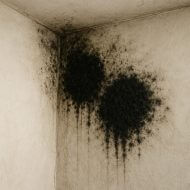
- It’s black mold (Stachybotrys), known for its toxicity
- You notice structural damage or rot
- You have health concerns or mold allergies
How Much Does It Cost to Hire Someone to Remove Mold?
- Minor mold removal (under 10 sq. ft.): $500 – $1,500
- Moderate remediation (entire room): $1,500 – $5,000
- Severe infestation (structural damage): $5,000 – $30,000+
- Average national cost: $2,230
DIY Mold Removal Costs:
- Supplies & equipment rental: $50 – $300
- Includes mold spray, bleach, gloves, goggles, respirators, and HEPA vacuums
While DIY costs less upfront, improper mold cleanup can lead to recurrence — and more costly damage down the line.
Is Professional Mold Removal Worth It?
In short: yes, in many cases. While DIY mold cleanup may be tempting to save money, professional remediation ensures the problem is properly contained, removed, and won’t come back. Certified pros offer peace of mind, warranties, and protection against hidden issues like structural damage or lingering spores in the air.
But for small, visible patches of mold on bathroom grout or under the sink? With the right safety gear and proper techniques, homeowners can handle these minor cleanups themselves.
Either way, the key is acting quickly and being honest about the scope of the problem. Mold isn’t the end of the world — but ignoring it or cutting corners could cost more than you bargained for.
Find the Right Contractor for Your Restoration & Remediation Project
Whether you’re ready to begin your project now or need some expert advice, our network of contractors are here to help. With a few simple questions, we’ll find the best local professionals for you