HVAC
Best Portable Air Conditioners: Top Picks for Powerful Cooling
Portable air conditioners make it possible to cool a room without permanent installation, which is especially helpful for renters, older homes without central air, and spaces where window units aren’t allowed. Today’s best portable ACs go beyond basic cooling: you’ll find dual-hose designs that improve efficiency, inverter technology that reduces temperature swings, and smart controls that make daily use easier.
Our top picks below are product-first, so you can quickly compare models and choose the right fit for your room size, budget, and comfort priorities.
Not sure which cooling solution is right for your space? Connect with local HVAC pros to compare options and pricing.

The Modernize Mission
We help homeowners make confident decisions through our reliable, up-to-date, and unbiased information and average project costs. All of our content is thoroughly reviewed and fact-checked by our team of home improvement experts. Learn more about how we maintain these values.
Table of Contents
- Our Top Portable Air Conditioner Picks
- Best Overall: Midea Duo Smart Inverter Portable Air Conditioner
- Best for Large Rooms: Whynter ARC-14S Dual Hose Portable Air Conditioner
- Best for Quiet Operation: Dreo Smart Portable Air Conditioner (10,000 to 12,000 BTU)
- Best Budget Pick: LG LP Series Portable Air Conditioner
- Best Value: Shinco 12,000 BTU Portable Air Conditioner
- How to Choose the Best Portable Air Conditioner
- How Did We Choose the Top Portable AC Units?
- Portable AC Shopping Tips
- Frequently Asked Questions About Portable AC Units
Our Top Portable Air Conditioner Picks
Finding the best portable AC unit starts with understanding how and where you plan to use it. Some models are built for larger living rooms and open layouts, while others are better suited for bedrooms, apartments, or home offices where quieter operation matters most. Efficiency, hose design, drainage needs, and smart features can also make a noticeable difference in long-term comfort and operating costs.
Below, we’ve highlighted the top portable air conditioners of 2026 based on cooling performance, usability, value, and overall reliability. Use the comparison table to quickly narrow down your options, then scroll down for a deeper breakdown of each model.
| Model | Best For | Estimated Coverage | Hose Type | Key Features | Cost Range |
|---|---|---|---|---|---|
| Midea Duo Smart Inverter | Best Overall | ~400 to 550 sq. ft. | Dual Hose | Inverter, Smart Control, Quiet Operation | $500 to $700 |
| Whynter ARC-14S | Large Rooms | ~400 to 500 sq. ft. | Dual Hose | Strong Cooling, Great Dehumidification | $450 to $650 |
| Dreo Smart Portable AC (10K–12K) | Quiet Spaces | ~250 to 450 sq. ft. | Typically Single Hose | Low Noise Design, Smart Control, Auto Evaporation | $350 to $600 |
| LG LP Series | Budget Pick | ~150 to 300 sq. ft. | Single Hose | Simple Controls, Reliable Performance | $300 to $500 |
| Shinco 12,000 BTU | Best Value | ~250 to 450 sq. ft. | Single Hose | 3-in-1 Modes, Competitive Price | $300 to $450 |
Note: Coverage varies based on ceiling height, sun exposure, insulation, and humidity. Always confirm the manufacturer’s room-size guidance and prioritize SACC when available.
Need stronger, whole-home cooling than a portable unit can provide? Start by reviewing typical central air conditioner installation costs to understand what a permanent upgrade may involve.
Best Overall: Midea Duo Smart Inverter Portable Air Conditioner
Best For: Efficient Cooling in Medium to Large Rooms
The Midea Duo is a standout because it combines dual-hose performance with inverter technology. In practice, that usually means more stable temperatures, less “starts-and-stops” compressor noise, and better efficiency than many traditional portable ACs.

What We Love
- Dual-hose design typically cools faster and more efficiently than single-hose models
- Inverter operation helps reduce temperature swings and can lower energy use
- Smart controls make it easy to adjust settings from bed or from another room
- Strong option for humid climates thanks to solid moisture removal
Potential Drawbacks
- Higher upfront cost than basic single-hose units
- Larger overall footprint (and heavier to move between rooms)
Cost Information
- Typical Price Range: $500 to $700
- Best Time To Buy: Late spring and mid-summer promotions often drop pricing
- What Affects Price: Inverter tech, dual-hose design, Wi-Fi/app features
If you’re comparing portable options to a long-term investment, explore the Best Air Conditioner Brands to see which manufacturers are known for reliability, efficiency, and warranty coverage.
Best for Large Rooms: Whynter ARC-14S Dual Hose Portable Air Conditioner
Best For: Open Layouts, Hot Spots, and High Heat Loads
If you’re cooling a larger living room, studio apartment, or sun-facing space, the Whynter ARC-14S is a proven workhorse. The dual-hose setup helps it maintain stronger real-world cooling compared to many similarly labeled single-hose units.

What We Love
- Strong performance for larger rooms and warm climates
- Dual-hose design helps reduce the “hot air pull” problem common with single-hose units
- Excellent dehumidification for muggy conditions
- Solid long-term reputation and build quality
Potential Drawbacks
- Typically louder than inverter-style models at higher fan speeds
- Usually fewer smart features than Wi-Fi-enabled competitors
Cost Information
- Typical Price Range: $450 to $650
- Where You’ll See Value: Larger spaces where single-hose units struggle
- What Affects Price: Dual-hose design and cooling capacity
Best for Quiet Operation: Dreo Smart Portable Air Conditioner (10,000 to 12,000 BTU)
Best For: Bedrooms, Nurseries, and Home Offices
If noise is a top concern, Dreo’s portable AC lineup is often designed around quieter airflow and user-friendly controls. This makes it a strong option for sleeping areas and workspaces where compressor cycling and loud fan noise are deal-breakers.

What We Love
- Quieter feel than many traditional portables (especially at low/medium settings)
- Smart controls and scheduling features can improve overnight comfort
- Often includes self-evaporation features that reduce manual draining
- Clean, modern interface that’s easier to live with daily
Potential Drawbacks
- Not ideal for very large rooms or open layouts
- Real-world performance depends heavily on sizing and ventilation setup
Cost Information
- Typical Price Range: $350 to $600
- Sweet Spot: Mid-sized bedrooms and offices with moderate sun exposure
- What Affects Price: Smart controls, quiet-design features, BTU size
Best Budget Pick: LG LP Series Portable Air Conditioner
Best For: Small Rooms and Simple, Reliable Cooling
LG’s LP series is a solid choice if you want basic cooling from a widely available, established brand. For smaller bedrooms, dens, or apartments where you don’t need premium efficiency upgrades, it’s a dependable option.

What We Love
- Affordable entry point for portable cooling
- Straightforward setup and controls
- Widely available (easier to find replacement parts and accessories)
- Good for smaller spaces when properly sized
Potential Drawbacks
- Single-hose systems tend to be less efficient than dual-hose models
- Can be louder than premium “quiet-focused” picks
- Less effective in very humid climates without regular drainage management
Cost Information
- Typical Price Range: $300 to $500
- Best For Budgets: When you need cooling now and want a mainstream brand
- What Affects Price: BTU size, included remote, and seasonal demand
Best Value: Shinco 12,000 BTU Portable Air Conditioner
Best For: Practical Cooling With 3-in-1 Functionality
Shinco models often hit the value sweet spot: strong enough for many mid-sized rooms, usually priced competitively, and typically include cooling, fan, and dehumidifier modes in one unit.

What We Love
- Competitive pricing for the cooling capacity
- 3-in-1 modes add flexibility beyond cooling alone
- Often includes a simple window kit and easy-roll casters
- Good option for secondary rooms or occasional use
Potential Drawbacks
- Noise levels can be typical of single-hose models
- Features vary by specific model, so it’s worth double-checking specs
Cost Information
- Typical Price Range: $300 to $450
- Value Advantage: Good capacity without premium price tags
- What Affects Price: BTU size, included accessories, availability
Need help deciding between a portable unit and a permanent cooling upgrade?
A local expert can walk you through your best options.
How to Choose the Best Portable Air Conditioner
Choose the Right Size (BTU) for Your Room
Portable AC sizing is one of the most common places shoppers get burned. If you undersize, the unit runs constantly without keeping up. If you oversize, it may cool too quickly without removing enough humidity, leaving the room feeling clammy.
General guidance:
- Up to 200 sq. ft.: ~8,000 to 10,000 BTU
- 200 to 350 sq. ft.: ~10,000 to 12,000 BTU
- 350 to 550 sq. ft.: ~12,000 to 14,000 BTU
If you see both ASHRAE BTU and SACC, give SACC more weight. It’s a more conservative measure designed to reflect real-world conditions.
Dual Hose vs. Single Hose
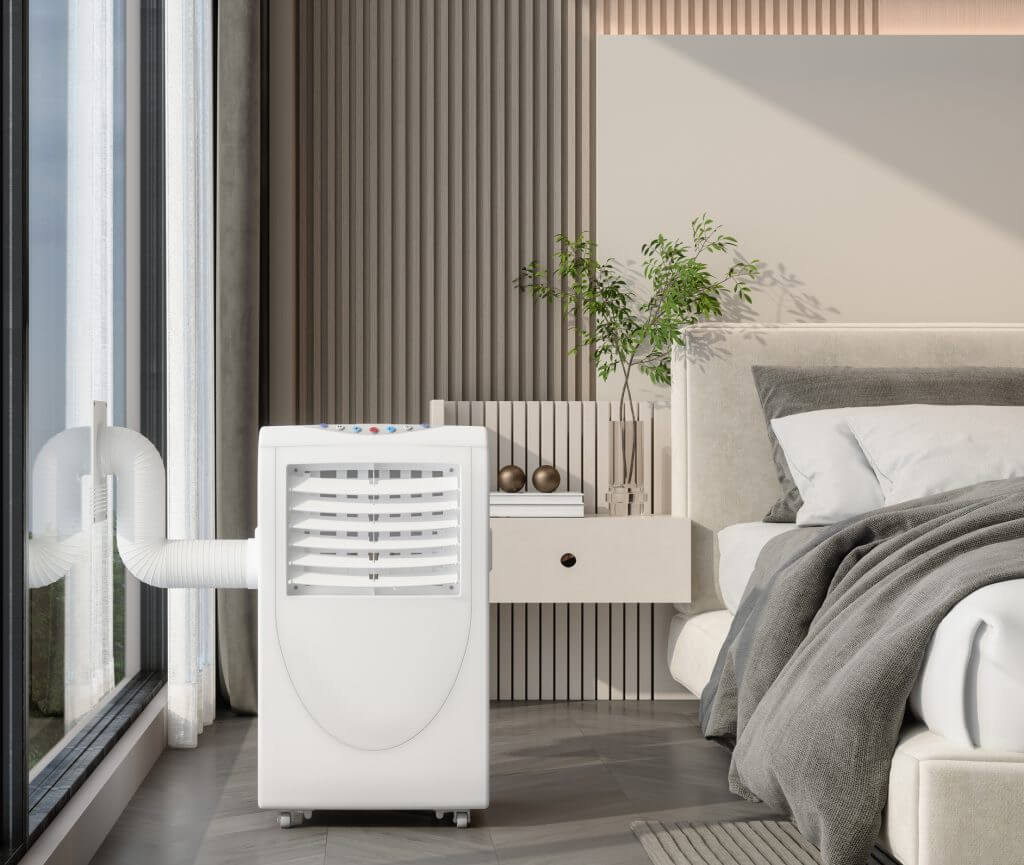
Dual-hose units typically cool more efficiently because they use one hose to draw air in and another to exhaust hot air out. This reduces negative pressure that can pull warm outdoor air into your space. Single-hose units are often cheaper, but can be less efficient, especially in larger rooms or hot climates.
Plan for Humidity and Drainage
Most portable ACs remove moisture while cooling. Some are “self-evaporative,” meaning they vent a portion of collected moisture out the hose. In very humid climates, you may still need to drain occasionally or use continuous drainage.
Don’t Ignore Window Setup
A portable AC is only as good as its seal. Make sure the window kit fits your window type, seal gaps with foam strips or weather sealing, and keep the exhaust hose run as short and straight as possible for better performance.
How Did We Choose the Top Portable AC Units?
Choosing the best portable air conditioners isn’t just about listing top-selling models. We evaluated each unit based on performance, efficiency, usability, and overall value to ensure recommendations are practical for real-world homes.
Cooling Performance
We prioritized models that demonstrate strong real-world cooling ability for their rated room size. Where available, we compared SACC ratings rather than relying solely on higher ASHRAE BTU numbers. Units that consistently cool faster and maintain stable temperatures ranked higher.
Efficiency and Design
Dual-hose and inverter-driven models scored well because they typically reduce negative air pressure, improve cooling consistency, and use energy more efficiently over time. Single-hose models were evaluated with room size limitations in mind.
Noise Levels
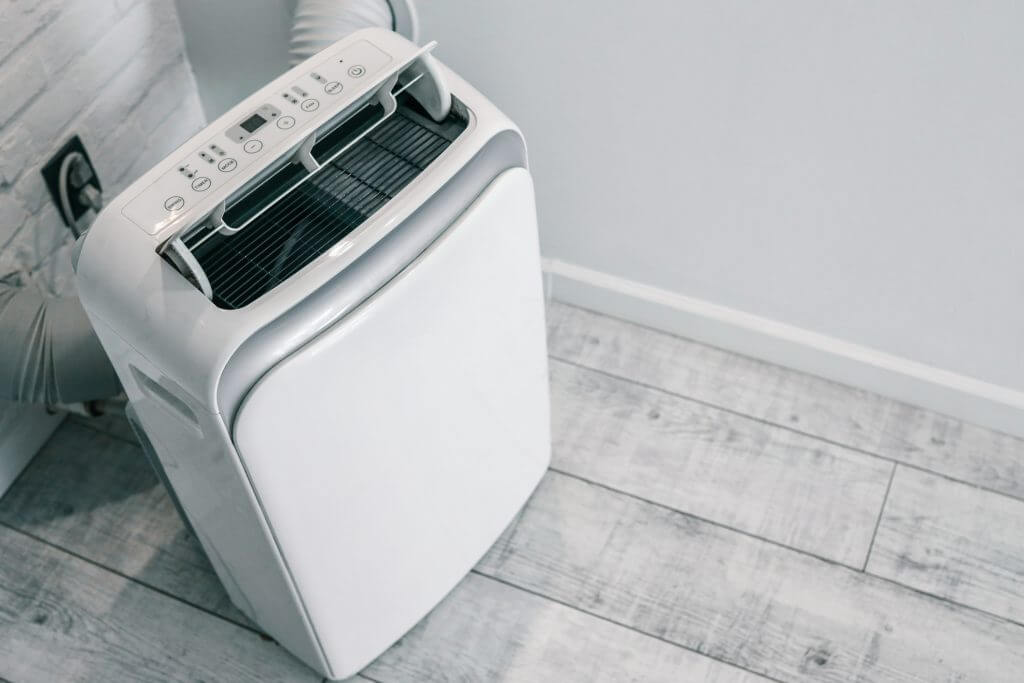
Portable ACs are inherently louder than window units, but some designs are significantly more tolerable in bedrooms and offices. We considered reported noise ranges, sleep modes, and inverter-driven compressor operation when identifying quieter picks.
Ease of Installation
We favored units that include straightforward window kits, fit both vertical and horizontal sliding windows, provide clear setup instructions, and allow for easier hose attachment and sealing.
Features and Controls
We evaluated smart app integration, voice assistant compatibility, programmable timers, self-evaporative drainage systems, and multi-mode functionality (cool, fan, dry). While smart features are not essential, they can significantly improve day-to-day usability.
Value for Cost
We compared each unit’s feature set and cooling capacity against its typical price range. A higher-priced model must deliver measurable performance or efficiency advantages to justify the premium.
Ready to explore a permanent upgrade? See what homeowners typically pay for central AC installation, then compare options with local pros.
Portable AC Shopping Tips
1. Measure Your Room Accurately
Before choosing a model, calculate the square footage of the space you want to cool. Consider ceiling height, sun exposure, and heat from appliances or electronics. If your room gets intense afternoon sun, consider sizing up within reason.
2. Prioritize SACC Over Marketing BTU
If a manufacturer lists both ASHRAE and SACC ratings, use SACC for comparison. It reflects more realistic cooling conditions, and two units with the same advertised BTU can perform very differently once installed.
3. Seal the Window Kit Properly
Even the best portable AC will underperform if the window kit leaks. Close visible gaps around the panel, use foam strips to block side openings, keep the exhaust hose as short and straight as possible, and avoid sharp bends that trap hot air.
4. Understand Noise Expectations
Portable AC compressors operate inside the room. If noise is a concern, look for inverter models, use lower fan speeds at night, and place the unit slightly farther from the bed when possible.
5. Plan for Drainage in Humid Climates
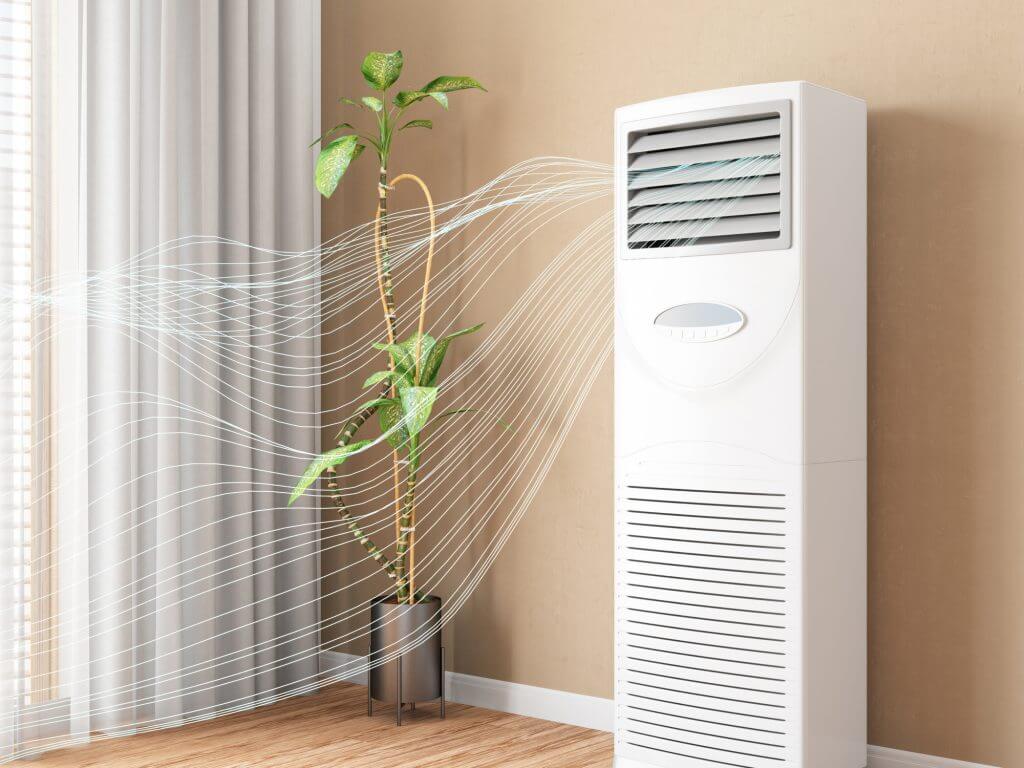
Self-evaporative models reduce drainage frequency, but in high humidity you may still need to empty a collection tank or connect a continuous drain hose. Ignoring drainage can lead to shutdowns or performance issues.
6. Consider Long-Term Energy Use
Portable ACs typically draw between 900 and 1,500 watts while cooling. Improve efficiency with blackout curtains, closed doors to isolate the space, and regular filter cleaning.
7. Avoid Oversizing
An oversized unit may cool quickly but shut off before removing enough humidity, leaving the room feeling cool but clammy. Correct sizing balances temperature reduction and moisture control.
8. Think About Storage and Mobility
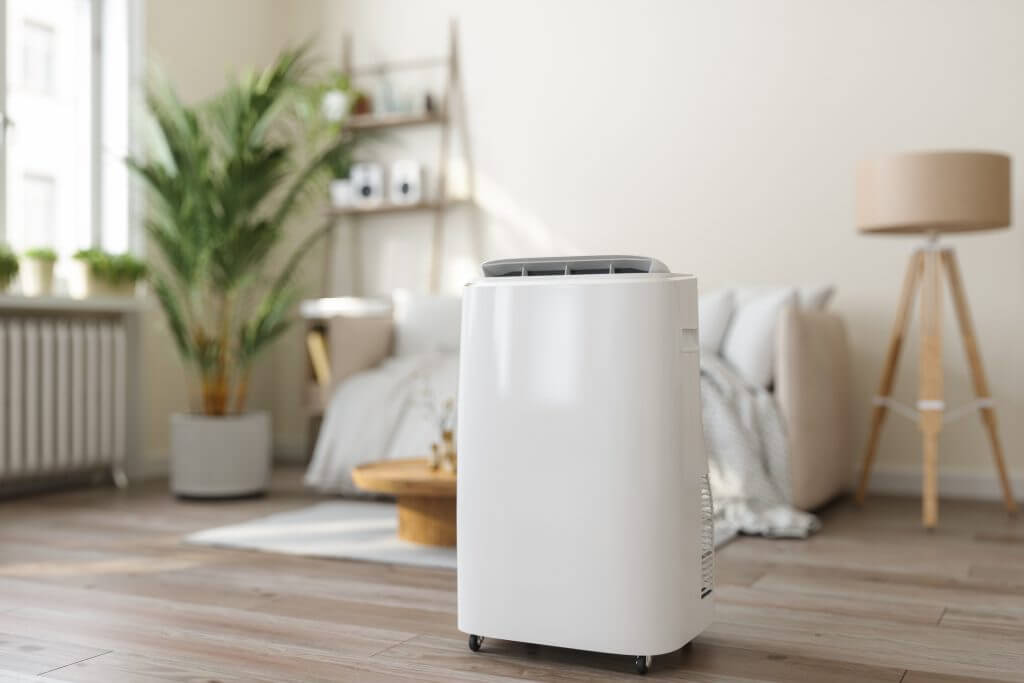
Portable ACs are heavy and take up floor space. If you plan to move the unit between rooms, look for sturdy caster wheels, confirm dimensions, and plan storage for the off-season.
Ready to move forward? Compare local installation options and pricing near you.