

What Is a Furnace Heat Exchanger?
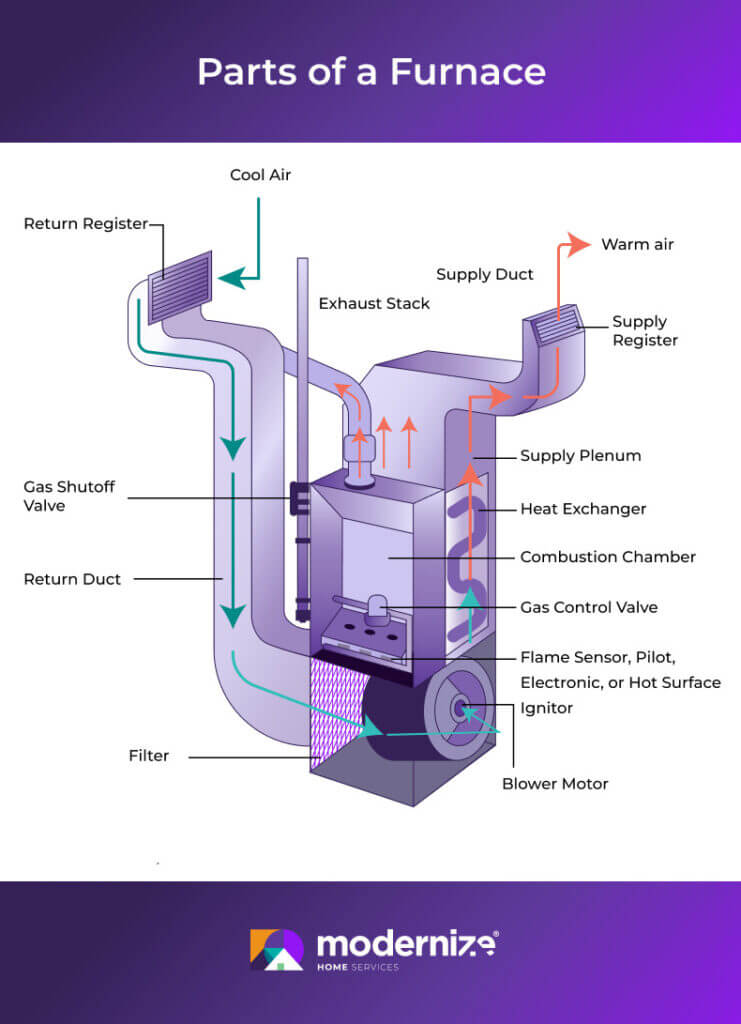
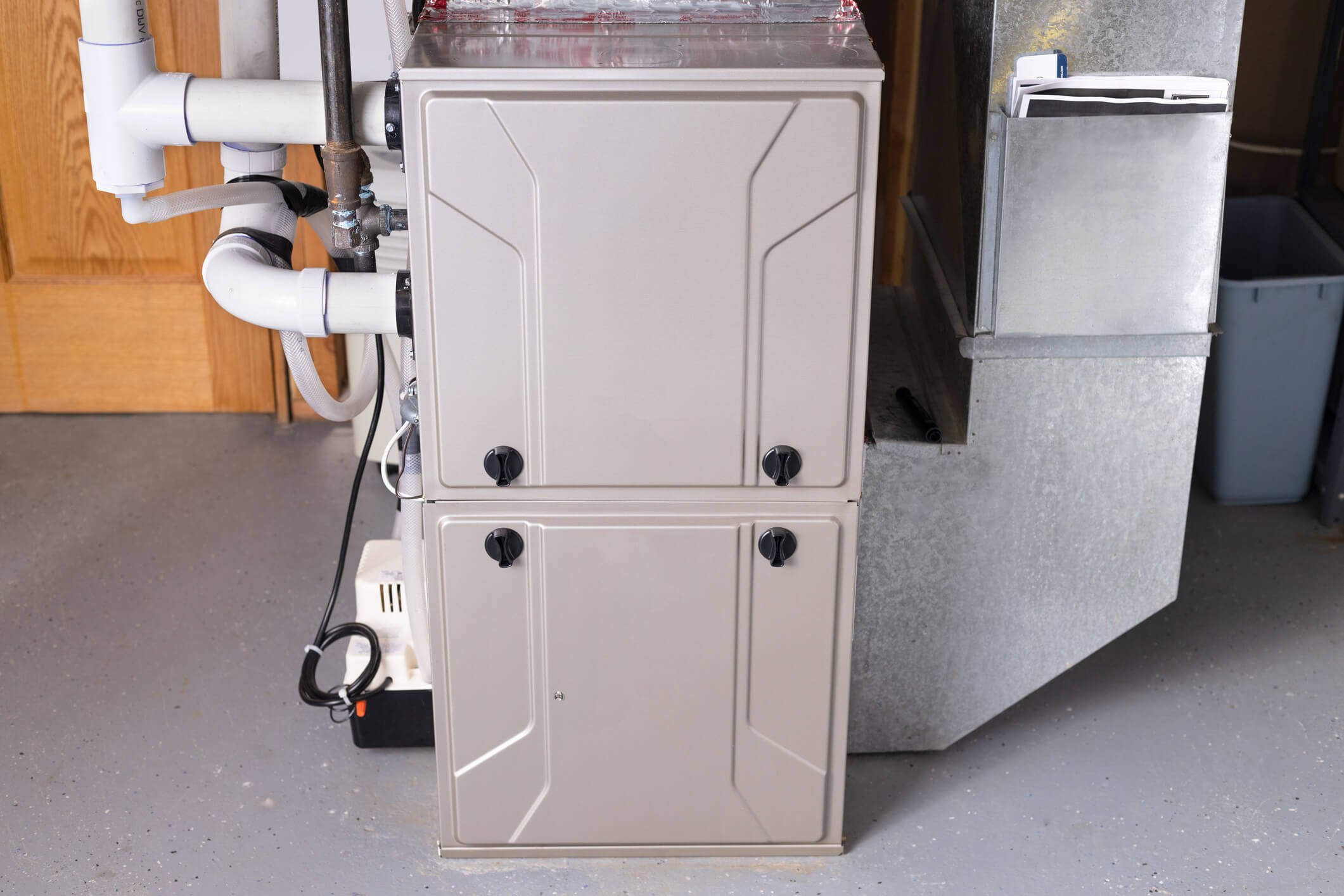
A heat exchanger is the component inside your furnace that separates combustion gases from the air you breathe. As fuel burns, it produces hot gases inside sealed metal tubes or chambers. The blower fan pushes air around these tubes, heating it before it’s delivered to your home’s living spaces through your ductwork.
Without a functioning heat exchanger, a gas or oil furnace can release carbon monoxide into your indoor air, leading to poisoning and even death. Electric furnaces don’t use combustion, so they don’t have a traditional heat exchanger. Instead, heat is generated directly through electric coils.
How a Furnace Heat Exchanger Works
Here’s how the process typically works step-by-step:
- The furnace ignites the fuel, which is typically natural gas, propane, or oil.
- Combustion gases heat the metal walls of the heat exchanger.
- The blower pushes air across the outside of those heated walls, warming it.
- That warm air then moves through your ducts into your living spaces, warming your home.
- Combustion gases, including carbon monoxide, safely exit through the flue or exhaust vent, keeping combustion gases and indoor air completely separate for both efficiency and safety.
Types of Furnace Heat Exchangers
Most residential furnaces use one of these types:
- Primary Heat Exchangers: Found in all furnaces; they handle the initial combustion heat transfer.
- Two-Stage or Condensing Heat Exchangers: Found in high-efficiency furnaces, condensing heat exchangers use a two-stage process to extract extra heat from exhaust gases before venting, producing condensation in the process.
- Stainless Steel or Aluminized Steel Designs: Stainless steel resists corrosion better and so these heat exchangers typically last longer than other types but cost more. Aluminized steel designs are less resistant to corrosion and don’t perform as well in high temps or high humidity than stainless steel, but they conduct heat better.
There are also several types of designs used in furnace heat exchangers:
- Tubular: Perhaps the most common, this style does not have gaskets or welding and instead makes a single, continuous piece of piping that is less prone to leaks.
- Clamshell: Designed for high temps, this design is formed with two halves welded together with channels inside for heat to flow.
- Serpentine: These pipes double back on themselves, mimicking a snake’s coiled form, maximizing heat absorption in the process.
Common Problems
Heat exchangers endure high temperatures and repeated expansion and contraction, which can lead to wear over time. If your furnace is more than a decade old, these issues become more likely. Common issues include:
- Cracks or holes caused by fatigue on the metal over time, often due to high temperatures and major swings in temperature as well as manufacturing defects.
- Corrosion or rust, especially in humid basements where moisture comes in contact with metal.
- Soot buildup and dirty filters from incomplete combustion can lead to blockages and reduced airflow.
- Restricted airflow in turn overheats the exchanger and limits efficiency.
- Improper installation can also lead to stress fractures on metal pieces and pipes.
Furnace Heat Exchanger Lifespan
A well-maintained heat exchanger lasts about 15 to 20 years. High-efficiency models with stainless steel components may last longer. If your furnace is nearing 15 years old, it’s smart to have a technician inspect it each year. You can expect an improved lifespan for your furnace heat exchanger with:
- High frequency of maintenance and cleanings
- A high quality installation
- Proper airflow and venting
- Use of proper fuel type
- Normal usage levels
Cracked Heat Exchanger: What to Know
A cracked heat exchanger is a serious safety concern. Cracks allow combustion gases, including carbon monoxide, to leak into your home’s air supply. Here’s how to spot the signs, what to do next, and what it may cost to fix.
Symptoms
Watch for these warning signs in your heat exchanger. If you notice any of these symptoms, turn off your furnace immediately and call an HVAC professional.
- Unusual smells, especially a metallic or burning odor, often indicate a problem with your heat exchanger.
- Rust or soot buildup on the furnace indicates problems with corrosion.
- In some cases, you will be able to see a visible crack in your heat exchanger.
- In high efficiency models, you might spot water pooling at the base of the furnace.
- Your burner flame should be bright blue and burn steadily. Yellow or flickering burner flames can indicate a crack or other problem.
- Frequent carbon monoxide detector alerts.
- Headaches or nausea among household members while the furnace runs.
Is It Safe to Run a Furnace With a Broken Heat Exchanger?
No, it is not safe to operate a furnace with a cracked or damaged heat exchanger. Doing so can expose your household to carbon monoxide and other harmful gases, which are colorless and odorless and therefore extremely dangerous. The furnace should remain off until inspected and repaired by a licensed HVAC technician.
Is It Worth Replacing a Heat Exchanger in a Furnace?
Choosing between a furnace repair and replacement depends on your furnace’s age and condition. If the furnace is less than 10 years old and under warranty, replacing just the heat exchanger may make sense. On the other hand, if the furnace is 15 years or older, it’s often a wiser investment to replace the entire furnace, since other components could soon fail.
Keep in mind that because heat exchanger replacement involves disassembling much of the unit, labor costs can approach the price of a new furnace. For this reason, it’s best to compare quotes for both a repair and full replacement before deciding.
How Much Does It Cost to Replace a Heat Exchanger?
Replacing a furnace heat exchanger typically costs between $1,000 to $3,000, including labor. By comparison, a new furnace installation costs $1,500 to $5,000 on average but can cost upwards of $10,000 depending on the make and size. If your furnace is nearing the end of its life, full replacement will often offer better long-term value.
Cost factors include:
- Furnace brand and model
- Whether the furnace is under warranty
- Furnace type
- Local labor rates


Heat Exchanger Repair
In most cases, cracked or corroded heat exchangers cannot be safely repaired. Temporary fixes, including sealants and welding, aren’t recommended because they can fail with high heat and pressure.
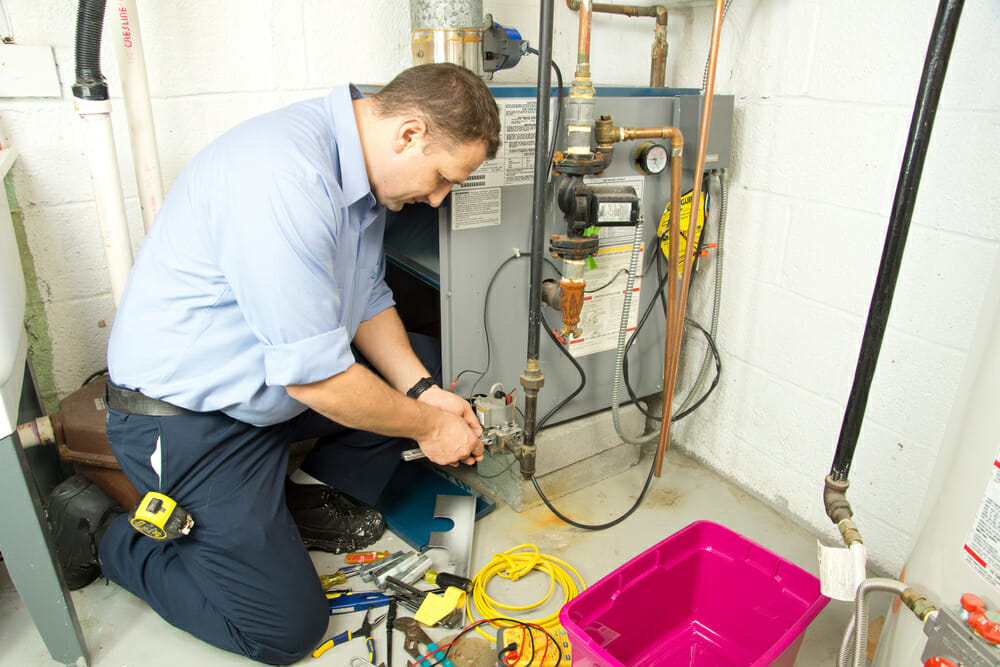
If the issue is minor, such as debris buildup or restricted airflow, a technician can sometimes clean or adjust the system to prevent further damage. Otherwise, replacement is the only reliable option.
Conclusion
Your furnace heat exchanger is the heart of your heating system, and when it fails, it causes safety problems as well as performance issues. If you suspect a crack or leak, shut down your furnace and contact a certified HVAC technician right away to avoid serious health risks.
Whether you need a replacement heat exchanger or a new furnace, Modernize can connect you with trusted local pros who can diagnose the problem and provide quotes tailored to your home and budget.
Compare top-rated HVAC pros in your area.
Read real homeowner reviews, explore qualifications, and view promotions. Modernize makes it easy to browse professionals and find one that will be perfect for your project.


-
Furnace Cost in St. Paul, MN
Cost of a New Furnace (Plus Installation) in St. Paul Most St. Paul homeowners spend $6,300–$11,300 installed on furnace replacement. Your final cost depends on furnace capacity, AFUE rating, permit... -
Furnace Cost in Bloomington, IL
New Furnace Cost in Bloomington, IL In Bloomington, you can expect a new furnace to cost anywhere from $5,800 to $10,300. This price includes installation. The wide cost range is... -
Furnace Cost in Minnesota
Installed Furnace Cost in Minnesota The cost of a new furnace and installation in Minnesota ranges from $6,200 to $11,600. This is more than the national average. Higher costs are... -
Furnace Cost in Minneapolis, MN
Cost of a New Furnace and Installation in Minneapolis Most furnace replacements in Minneapolis fall between $6,300 and $11,600 installed. Final costs will vary with furnace size, efficiency, venting path,... -
Furnace Repair Cost
How Much Does It Cost to Fix a Furnace? On average, a typical furnace repair costs around $600, with most jobs falling between $350 and $900. Your price depends on... -
Furnace Lifespan
How Long Does a Furnace Last? The average lifespan of a home furnace is 15 to 20 years. The type of furnace, climate, maintenance habits, and brand quality affect a...