HVAC
Furnace Installation Guide: What to Expect During Replacement
Installing a new furnace is a detailed project that affects your home’s comfort and safety for years to come. This guide walks you through every step of the installation process — from removing your old system to testing your new equipment — so you know exactly what to expect on install day. Learn how professionals size, install, and verify a new furnace, plus how to prepare your home for a smooth, stress-free replacement.
Ready to replace your furnace?

The Modernize Mission
We help homeowners make confident decisions through our reliable, up-to-date, and unbiased information and average project costs. All of our content is thoroughly reviewed and fact-checked by our team of home improvement experts. Learn more about how we maintain these values.
Table of Contents
- Getting a New Furnace? All Your Questions, Answered!
- What Happens During Furnace Installation?
- Technical Standards Followed in Installation
- How Long Does Furnace Installation Take?
- How Do Contractors Choose the Right Furnace Size?
- How to Prepare Your Home for Furnace Installation
- When Should You Consider a New Furnace Installation?
- Installation Requirements for Different Furnace Types
- Questions to Ask Before Installing Your Furnace
- Hiring Local Furnace Installers
- Final Takeaway
- Furnace Installation FAQ
Getting a New Furnace? All Your Questions, Answered!
A new furnace can dramatically improve your home’s comfort, energy efficiency, and overall heating performance. But many homeowners aren’t sure what actually happens during furnace installation, how long it takes, what preparation is necessary, or how to choose the right contractor. This guide walks you through the entire process — from removing your old system to testing and verifying the new one — so you know exactly what to expect on installation day.
Modernize works closely with licensed HVAC professionals across the U.S. to understand real furnace installation practices, common challenges, and system requirements. The guidance in this installation overview reflects the on-the-ground experience of technicians who install, inspect, and test residential heating systems every day.
If you’re looking for pricing, visit our dedicated furnace cost guide. This page focuses only on the installation process, timeline, sizing, preparation, system requirements, and hiring tips.
What Happens During Furnace Installation?
Installing a furnace is a detailed, code-driven process that affects your home’s comfort and safety for years to come. While every home is different, most professional installations follow the same core steps.
1. Removing the Old Furnace
Technicians begin by disconnecting your existing unit:
- Gas or electrical shutoff
- Thermostat connections
- Ductwork and ventilation
- Condensate and drainage lines (for high-efficiency systems)
The old furnace is then removed and properly disposed of. This step also gives your contractor a clear look at the condition of your ductwork and venting.
2. Inspecting and Preparing the Installation Area
Before bringing in the new furnace, the installer evaluates several key components:
- Ductwork: They check whether the ducts can support the airflow requirements of the new system. Older or damaged ductwork may restrict air movement, which can shorten the new furnace’s lifespan.
- Electrical or Gas Lines: Proper fuel supply and safe electrical connections are essential for ignition, blower motor operation, and thermostat communication.
- Venting: Gas and high-efficiency furnaces require specific venting materials and clearances. Your installer ensures the current setup meets today’s safety standards.
This evaluation ensures everything is ready for a safe, efficient installation.
3. Installing the New Furnace
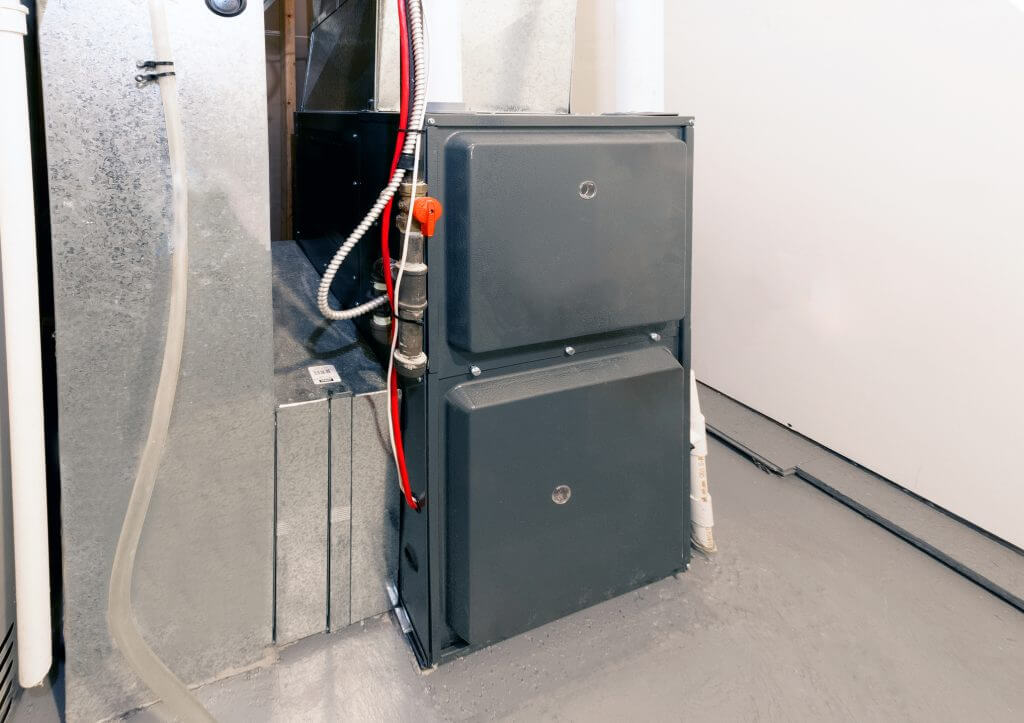
Once preparation is complete, the new unit is positioned, leveled, and connected. Installers will:
- Secure the furnace to the platform or flooring
- Connect electrical wiring or gas lines following code requirements
- Seal duct connections to prevent air leaks
- Install PVC venting for high-efficiency furnaces, if required
- Replace or install the thermostat and confirm compatibility
Precision here is crucial; even small deviations can lead to airflow problems or comfort issues.
4. Testing and System Calibration
After installation, your contractor runs a full system check. This includes:
- Verifying ignition and burner performance
- Checking thermostat communication and cycle behavior
- Testing airflow and measuring static pressure
- Monitoring temperature rise to ensure proper heating
- Inspecting safety limits, sensors, and shutoff systems
These tests confirm your furnace is operating safely and efficiently before the installer leaves your home.
Safety Matters During Furnace Installation
Improper installation can lead to carbon monoxide leaks, ventilation issues, electrical hazards, or shortened furnace lifespan. Always hire a licensed HVAC contractor who performs combustion checks, gas leak testing, and full system calibration before leaving your home.
Technical Standards Followed in Installation
Professional furnace installation follows national and local building codes, including:
- International Residential Code (IRC) ventilation and combustion standards
- National Fuel Gas Code (NFPA 54) for gas line connections and safety checks
- Manual J, S, and D calculations for sizing equipment and ductwork
- EPA and DOE efficiency guidelines for high-efficiency installations
Your contractor should be familiar with all relevant codes and perform a Manual J load calculation before recommending equipment.
How Long Does Furnace Installation Take?
Most standard furnace installations take 4 to 8 hours, but several factors influence timing:
- Whether you’re switching fuel types
- If ductwork needs repairs or resizing
- Whether a new thermostat or electrical circuit is required
- If high-efficiency venting must be added
In general:
- Straight replacement: Half day
- Upgrades or added ductwork: Full day
- Fuel-type change or system redesign: 1 to 2 days
Your contractor should outline the timeline during your estimate.
How Do Contractors Choose the Right Furnace Size?
Correct furnace sizing is one of the most important parts of any installation. A properly sized furnace reduces energy use, prevents short cycling, and keeps your home consistently warm.
Installers use a Manual J load calculation, which evaluates:
- Square footage
- Climate zone
- Window size and insulation levels
- Home orientation
- Air leakage
This calculation ensures your furnace produces the right amount of heat for your home — not too much, not too little.
How to Prepare Your Home for Furnace Installation
Your installer will do the heavy lifting, but a little preparation helps the process run smoothly.
Clear the Workspace
Provide a straight, obstacle-free path to your furnace area. Move stored items, furniture, and valuables away from the workspace.
Plan for Power and Furnace Access
Ensure the technician can easily reach:
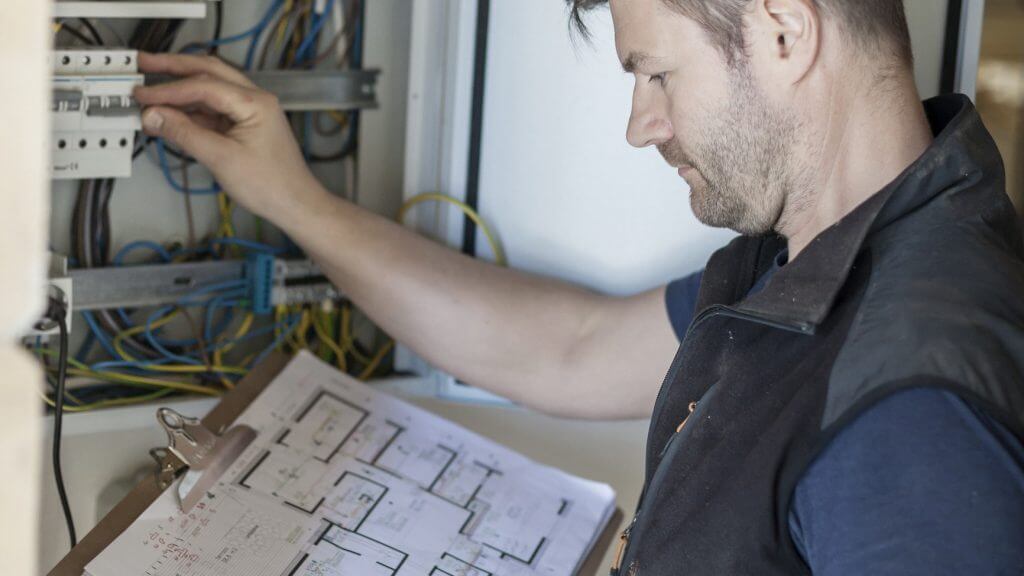
- Your electrical panel
- Gas shutoff valve
- Thermostat location
This speeds up installation and reduces interruptions.
Expect a Thermostat Update
If you’re upgrading to a more efficient furnace, your installer may recommend or require a new thermostat. Touch-up paint may be needed after removal.
Secure Pets
For safety and efficiency, keep pets in another room during installation.
When Should You Consider a New Furnace Installation?
Even well-maintained furnaces eventually reach a point where replacement is more reliable than repair. Installation is likely needed if:
- Your furnace is 15 to 30 years old
- You notice uneven heating throughout the home
- Your energy bills are increasing each winter
- The furnace makes loud or unusual noises
- You have frequent service calls or recurring breakdowns
- The system cycles on and off more often than normal
These symptoms often indicate declining efficiency or mechanical wear.
Installation Requirements for Different Furnace Types
Before installation begins, your contractor will evaluate the specific requirements for your furnace’s fuel type, ventilation needs, and safety clearances. Each furnace system — whether gas, electric, oil, or solid fuel — follows its own set of code standards and installation steps. Understanding these differences helps you know what to expect on install day and ensures your new furnace is set up safely and correctly for your home.
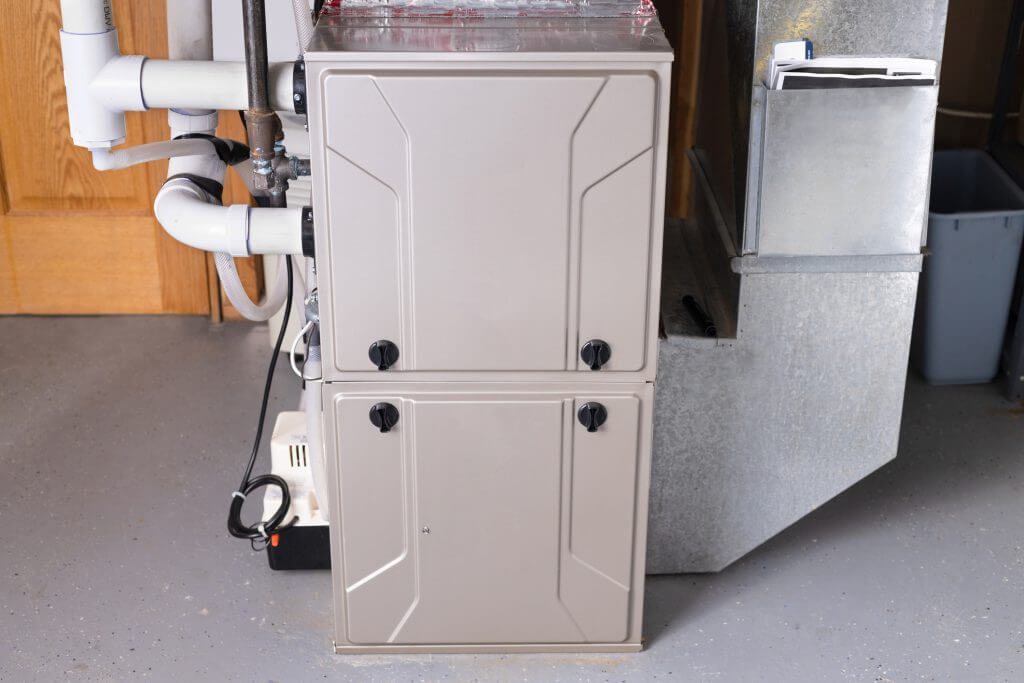
Gas Furnace Installation
Gas furnace installation requires:
- Combustion safety checks
- Proper venting (single-pipe or dual-pipe)
- Gas leak testing
- Ignition system calibration
Most gas systems also benefit from updated duct connections to optimize airflow.
Electric Furnace Installation
Electric furnaces don’t require venting, but they may need:
- Electrical panel upgrades
- New circuits
- Increased service amperage
Your contractor will determine whether your electrical system can support the load.
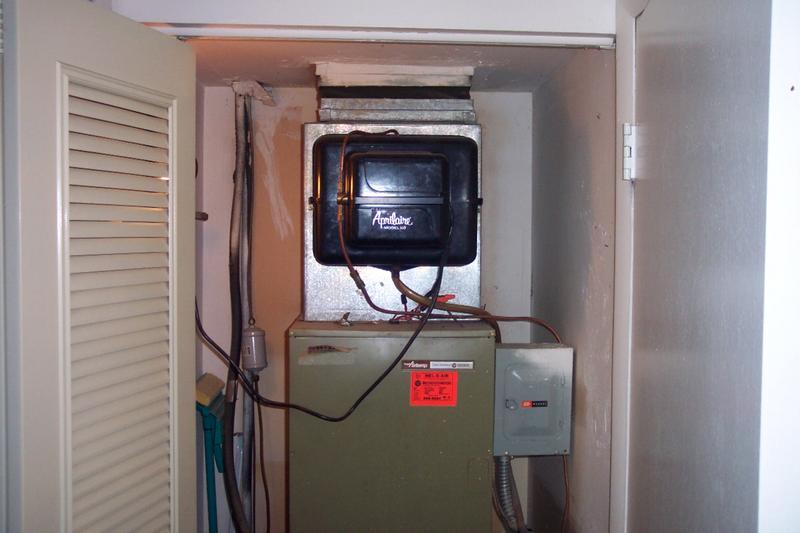
Oil Furnace Installation
Oil furnace installation involves:
- Inspecting the oil tank and supply lines
- Ensuring proper nozzle configuration
- Adjusting combustion for efficient burning
Technicians also check for leaks or corrosion around the tank.

Solid-Fuel Installation (Wood, Coal)
These installations require fire-safe clearance, chimney inspection, and strict adherence to local building codes. Not all HVAC contractors install solid-fuel systems, so check credentials carefully.
Questions to Ask Before Installing Your Furnace
Knowing the right questions can help you choose the best contractor and avoid future issues. Be sure to ask:
- Will you perform a Manual J load calculation?
- Does my ductwork need modifications before installation?
- What changes (if any) are needed for venting, gas lines, or electrical circuits?
- Which thermostat models are compatible with this furnace?
- What warranties are included for both parts and labor?
- Will permits be required for my installation?
These questions help ensure a transparent, safe, and code-compliant installation.
Hiring Local Furnace Installers
Modernize partners with licensed, vetted HVAC professionals who specialize in furnace installation. You can compare expert profiles, read real homeowner reviews, explore financing options, and get multiple quotes before making your decision.
Final Takeaway
Furnace installation is a complex, highly technical process that shapes your home’s comfort and safety for years. An experienced installer will size the furnace properly, update the necessary components, follow building codes, and thoroughly test the system before leaving your home. With the right preparation and a reliable contractor, you can expect a smooth installation and dependable performance from your new furnace.
For pricing information, be sure to read our furnace cost guide.