Solar
Solar Panel Inverters
There are different types of inverters to choose from, including string inverters, microinverters, and hybrid or battery-ready inverters, each offering different benefits based on your system’s size and design. Costs for a solar panel inverter can range from around $1,000 to $3,000, depending on the type and features. Understanding how inverters work, and which type fits your needs best, can help you get the most out of your solar investment.
Find local solar pros in your area.

The Modernize Mission
We help homeowners make confident decisions through our reliable, up-to-date, and unbiased information and average project costs. All of our content is thoroughly reviewed and fact-checked by our team of home improvement experts. Learn more about how we maintain these values.
How Do Solar Panel Inverters Work?
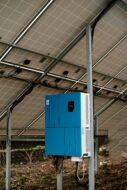
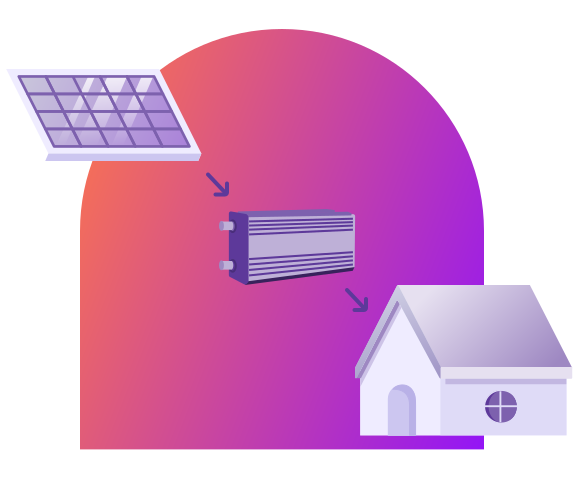
A solar panel inverter is a key part of any home solar energy system. It’s what makes the power from your panels actually usable. While solar panels generate electricity in the form of direct current (DC), most of the appliances in your home require alternating current (AC) to run. That’s where the inverter comes in. It converts DC into AC so your solar energy can power everything from your refrigerator to your TV. Without a solar panel inverter, all that energy your system produces would go to waste.
What Does a Solar Inverter Do?
A solar panel inverter does more than just convert electricity. It plays a critical role in keeping your entire solar system safe, efficient, and running smoothly. Here are four key functions every good inverter performs:
- Converts DC to AC Power: One of the inverter’s main jobs is turning the direct current (DC) power generated by your solar panels into alternating current (AC) power, which is what most U.S. homes use. It does this by running the power through high-speed switches, called MOSFETs or IGBTs, to match the frequency of the national power grid.
- Maximizes Energy Output: Inverters are also responsible for tracking the maximum power output from your panels, which changes throughout the day based on sunlight and temperature. This real-time adjustment helps your system stay as efficient as possible by always pulling the highest amount of usable energy from your panels.
- Detects Grid Connection: Solar inverters are built with safety in mind. They monitor whether your home is connected to the power grid, and if a disruption is detected, they stop sending electricity to avoid any risk of backfeeding into the system. This protects utility workers and prevents damage to the grid.
- Monitors Solar Panel Performance: Many modern inverters offer built-in monitoring features. They track how much energy your system is producing, help identify underperforming panels, and even offer insight into whether selling excess energy back to the grid might be worthwhile.
What’s the Difference Between Types of Solar Inverters?
When choosing a solar panel inverter, you’re really balancing cost, efficiency, and your roof’s conditions. The three most common types, string inverters, micro-inverters, and power optimizers, each have unique pros and cons depending on your setup.
1. String Inverters
String inverters are the most cost-effective option and are typically used when panels are installed in rows, or “strings.” A single inverter can manage power conversion for multiple panels.
Pros
- Lowest cost per panel
- Fewer units to maintain
- Trusted and proven technology
Cons
- Not ideal for shaded roofs
- Less efficient on complex roof layouts
- One inverter failure affects multiple panels
Key Benefits:
- Lowest cost per panel
- Fewer units to maintain
- Trusted and proven technology
Drawbacks:
- Entire system’s output can drop if one panel is shaded
- Less efficient on complex or shaded roofs
- A single inverter failure affects multiple panels
2. Micro-Inverters
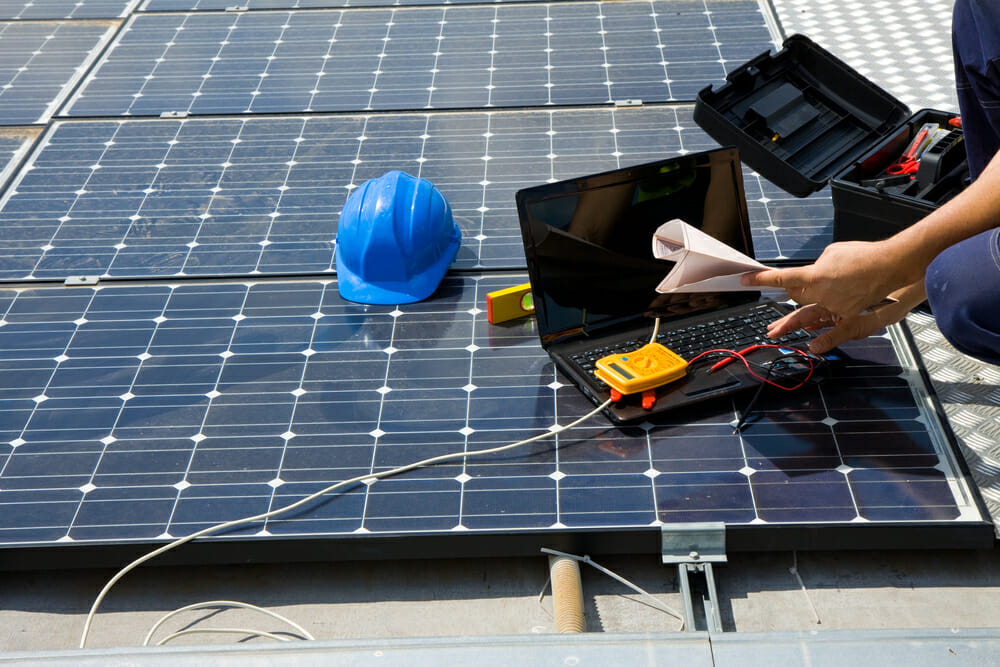
Micro-inverters are small units installed directly on each panel, converting DC to AC right at the source. This setup improves efficiency and allows for panel-by-panel monitoring.
Pros
- Highly efficient even with shading
- Panel-level monitoring
- Best for complex roof shapes
Cons
- Higher upfront cost
- More components = more maintenance
Key Benefits:
- High efficiency regardless of shading or roof shape
- Isolates issues to individual panels
- Ideal for complex roof layouts
Drawbacks:
- Higher upfront cost
- More components mean more potential maintenance
3. Power Optimizers
Power optimizers are a hybrid solar panel inverter option, placed behind each panel to adjust and condition DC power before it reaches a centralized string inverter. They combine the efficiency of micro-inverters with the affordability of string inverters.
Pros
- Efficient on shaded or multi-angle roofs
- Ideal for battery storage setups
- Real-time panel performance tracking
Cons
- Higher cost than string inverters
- Fewer installer options due to newer tech
Key Benefits:
- Efficient even on shaded or multi-angle roofs
- Ideal for solar + battery storage setups
- Real-time panel monitoring
Drawbacks:
- Still pricier than string inverters
- Fewer installer options due to newer tech
Energy Efficiency & Solar Panel Inverters
All inverters lose some power during DC-to-AC conversion. Most systems deliver about 85% usable energy. Efficiency varies by inverter type and brand, so it’s important to compare performance ratings, especially if maximizing output is your goal.


What Size Solar Panel Inverter Do I Need?
Solar inverters come in different sizes based on how much power they can handle, so it’s important to choose one that fits your solar panel system. Start by adding up the total wattage your solar array will produce at peak output. Your inverter should be able to handle that amount of power without any issues.
Be sure to check both the minimum and maximum wattage ratings on the inverter. You’ll want something flexible — powerful enough for your current system but with a little extra capacity in case you add more panels in the future. Choosing a slightly larger inverter now can save you the hassle and expense of replacing it later.
In short, picking the right size solar inverter ensures your system runs efficiently from day one and gives you the flexibility to grow. If you’re unsure, a qualified solar installer can help you size it correctly based on your current needs and future energy goals.