
Decks
How Much Does a Wood Deck Cost?
Average Cost: $3,000 – $12,000
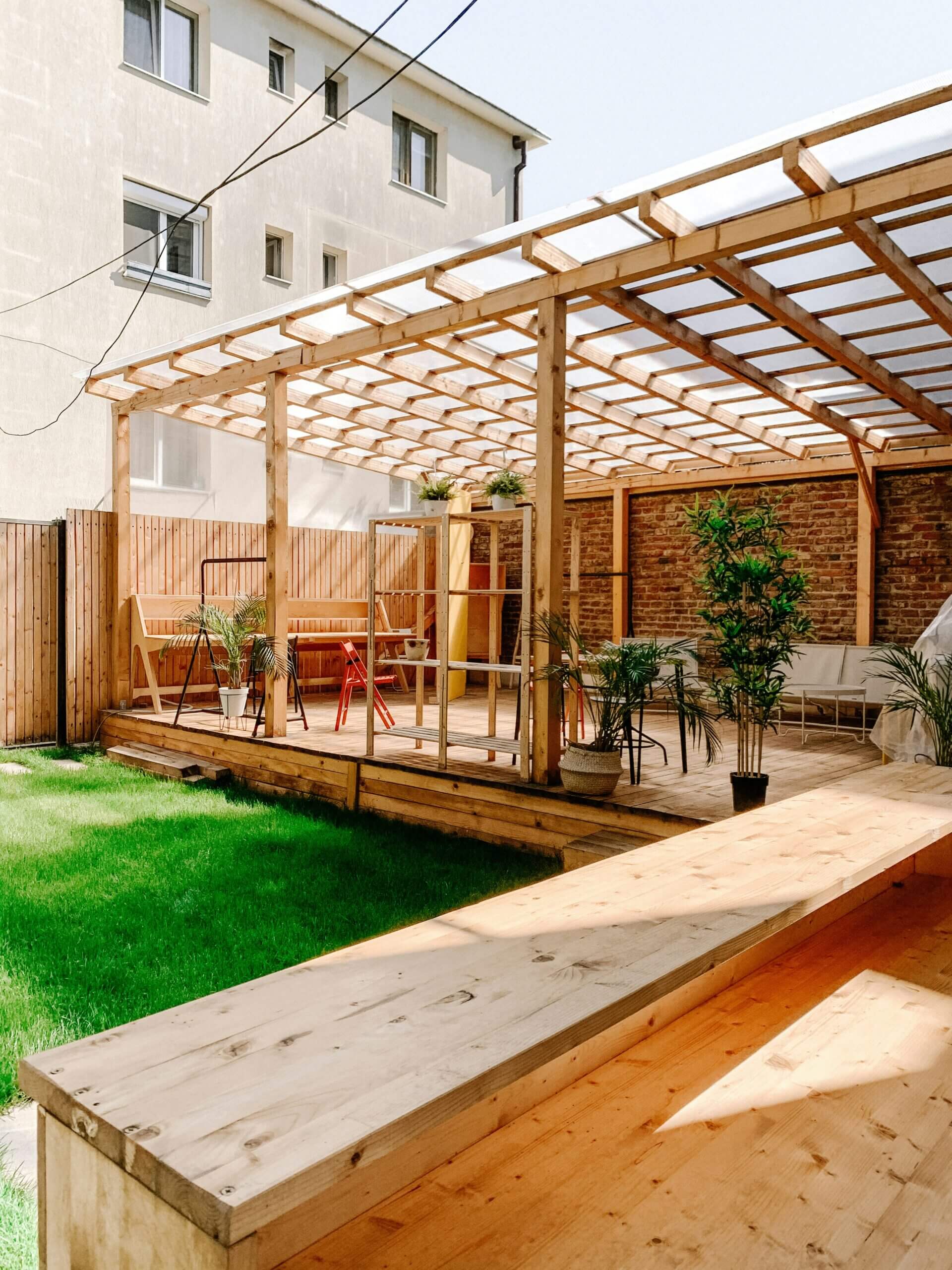
A wood deck is one of the most cost-effective and visually appealing ways to enhance your home’s outdoor living space. On average, homeowners can expect to spend $15 to $40 per square foot for a professionally installed wood deck, with total project costs ranging from $3,000 to $12,000 or more, depending on size, materials, and design features. Wood decks offer a warm, natural aesthetic, functional space for entertainment, and the flexibility to customize your layout and finish.
Find the best deck pros in your area.

The Modernize Mission
We help homeowners make confident decisions through our reliable, up-to-date, and unbiased information and average project costs. All of our content is thoroughly reviewed and fact-checked by our team of home improvement experts. Learn more about how we maintain these values.
Table of Contents
- Wood Decks: A Natural, Timeless Outdoor Living Choice
- Why Choose a Wood Deck?
- Types of Wood for Decking
- Things to Consider Before Building a Wood Deck
- Wood Decks Are Great For:
- Cost Breakdown for Wood Decks
- Additional Deck Costs to Consider
- Wood Deck Maintenance Requirements
- Pros and Cons of Wood Decks
- Final Thoughts
- Frequently Asked Questions About Wood Decks
Wood Decks: A Natural, Timeless Outdoor Living Choice
A wood deck is one of the most cost-effective and visually appealing ways to enhance your home’s outdoor living space. On average, homeowners can expect to spend $15 to $40 per square foot for a professionally installed wood deck, with total project costs ranging from $3,000 to $12,000 or more, depending on size, materials, and design features. Wood decks offer a warm, natural aesthetic, functional space for entertainment, and the flexibility to customize your layout and finish.
Wood decks remain one of the most popular options for homeowners thanks to their classic look, natural warmth, and affordable material costs. With the right design and upkeep, a wood deck can provide years of beauty, comfort, and functionality. Whether you’re envisioning a cozy backyard retreat or an expansive outdoor dining area, wood offers a versatile and cost-effective foundation for your project.
Why Choose a Wood Deck?
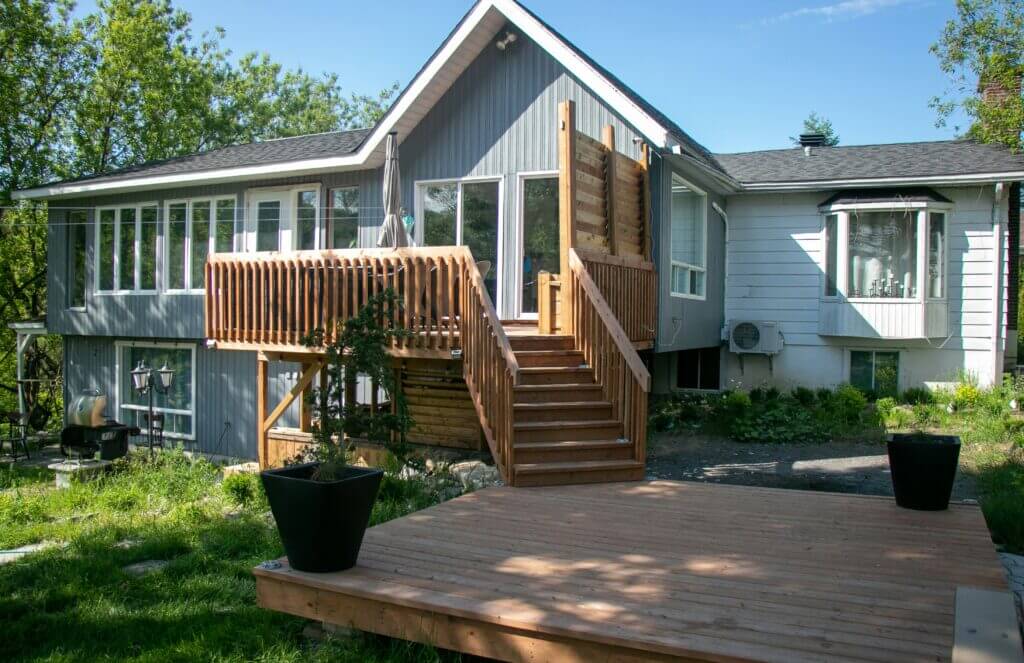
Wood has long been the go-to material for decks due to its combination of affordability, beauty, and versatility. Unlike composite or synthetic options, wood provides an authentic look and feel that blends seamlessly into outdoor landscapes. It can be shaped, stained, or painted to match virtually any design style — from rustic cabins to modern minimalist homes.
Another major benefit is availability. Wood decking materials are readily accessible at most home improvement stores and through contractors nationwide, making it easier and faster to get your project underway. Wood also tends to have a lower upfront cost than other materials, giving homeowners the ability to build a larger or more detailed deck within budget.
Finally, for those who enjoy hands-on home improvement, wood is highly DIY-friendly. It can be cut with common tools, refinished over time, and easily repaired by replacing individual boards without dismantling the entire structure.
Wood decks are valued for their traditional aesthetic, versatility, and accessibility. Compared to composite or PVC decking, wood is more affordable upfront and widely available, making it an appealing choice for many budgets and design preferences.
Key Benefits of Wood Decking
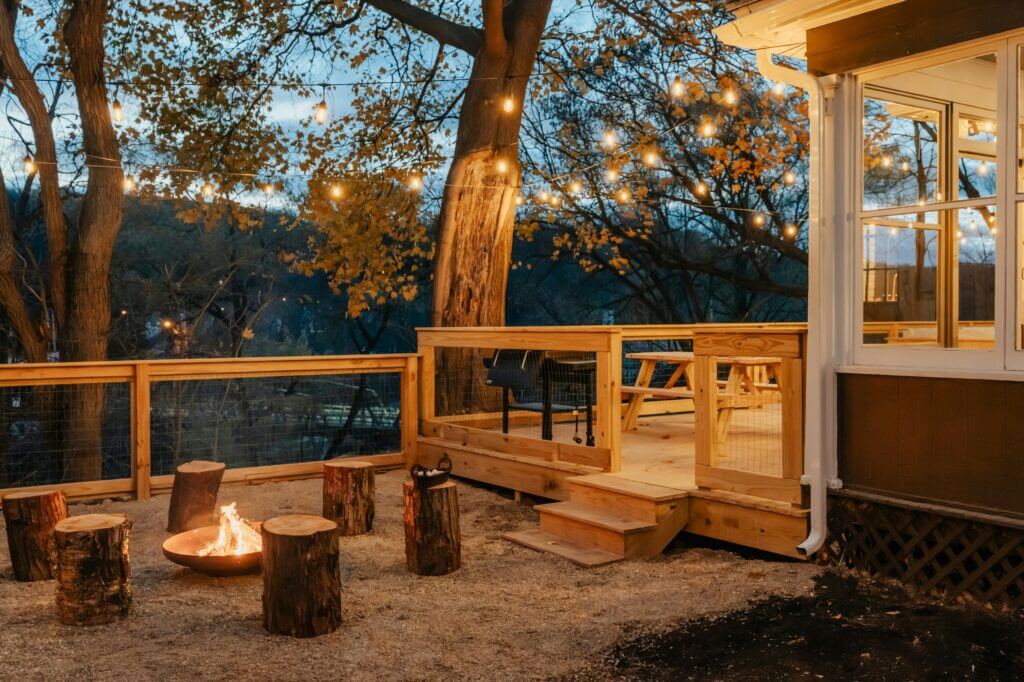
- Natural Appearance: Real wood blends seamlessly with landscapes and enhances curb appeal.
- Customizable: Wood can be cut, stained, or painted in nearly any design.
- Affordability: Pressure-treated lumber is among the most cost-effective decking materials.
- Repairable: Boards can be replaced individually without removing the entire structure.
- Eco-Friendly Options: Sustainably harvested wood is available for environmentally conscious builds.
Types of Wood for Decking
Choosing the right type of wood is essential to the look, performance, and longevity of your deck. Here’s a closer look at some of the most common options:
- Pressure-Treated Pine: The most budget-friendly and widely used decking wood. It’s chemically treated to resist rot, fungus, and insects. However, it tends to warp or crack over time if not properly sealed. Best for entry-level projects or large decks on a tighter budget.
- Cedar: Naturally resistant to moisture and insects, cedar offers a beautiful reddish hue and soft grain pattern. It’s more stable than pine and ages gracefully when maintained. Cedar decks do well in moderate climates and work great for elevated or freestanding decks.
- Redwood: Known for its rich color and long-lasting performance, redwood is durable and naturally resistant to decay. It’s slightly more expensive than cedar but offers increased longevity and stability. It’s especially popular in western states where it’s more readily available.
- Tropical Hardwoods (e.g., Ipe, Tigerwood): Dense, exotic woods that are highly durable and resistant to weather, insects, and wear. They have a luxurious appearance and can last 25+ years, but they require special tools for installation and often need pre-drilling. These are ideal for homeowners looking for a premium, low-maintenance wood deck that will stand the test of time.
Not all wood is created equal. Different types of wood vary in cost, durability, and maintenance requirements.
| Wood Type | Cost per Sq. Ft. | Durability | Maintenance |
|---|---|---|---|
| Pressure-Treated Pine | $15 to $25 | Moderate | High (annual sealing) |
| Cedar | $25 to $35 | Moderate-High | Moderate (reseal every 2–3 years) |
| Redwood | $30 to $40 | High | Moderate |
| Tropical Hardwoods (Ipe, Tigerwood) | $40 to $60+ | Very High | Low-Moderate (requires predrilling, sealing optional) |
Things to Consider Before Building a Wood Deck
- Climate: Moisture-prone or high-UV areas can wear wood faster without proper sealing.
- Budget: While initial costs are lower than composite, wood decks require ongoing maintenance.
- Design Complexity: Multi-level or curved decks may increase labor and material costs.
- Permit Requirements: Attached decks may need local permits depending on size and placement.
Wood Decks Are Great For:
- Homeowners who prefer a natural look and feel
- DIYers looking for customizable and repairable materials
- Budget-conscious families looking to expand living space
- Traditional or rustic home styles
Cost Breakdown for Wood Decks
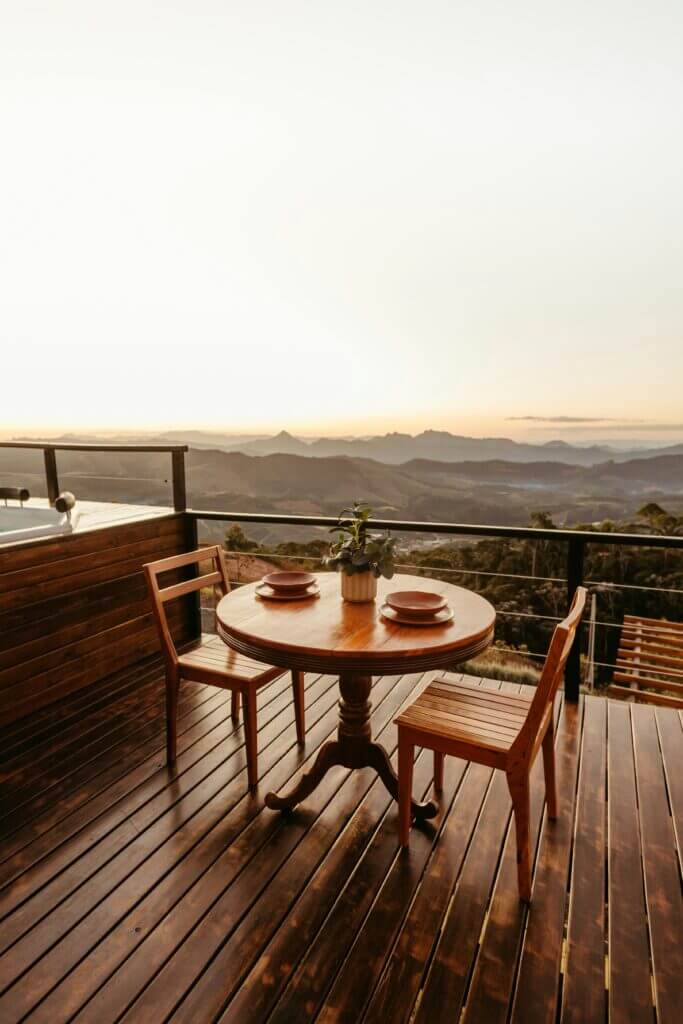
In general, you can expect to pay $15 to $40 per square foot for a wood deck, installed by a professional contractor. DIY installations may cost less in materials but more in time and effort.
The total cost of a wood deck includes materials, labor, and add-ons like stairs or railings. Here’s a general overview:
| Deck Size | Estimated Cost (Installed) |
|---|---|
| 10×10 ft (100 sq. ft.) | $2,000 to $4,000 |
| 12×16 ft (192 sq. ft.) | $3,500 to $7,000 |
| 16×20 ft (320 sq. ft.) | $5,500 to $10,500 |
Cost Influencers Include
- Type of Wood: Pressure-treated wood is the least expensive, while hardwoods like Ipe can significantly raise the price.
- Design Complexity: Multi-level layouts, curves, built-in benches, and railings all add to labor and material costs.
- Foundation Prep: Sloped or uneven ground may require additional framing or footings.
- Permits and Local Fees: Depending on your location, you may need to obtain a permit for your deck, which can cost $100 to $500 or more.
Additional Deck Costs to Consider
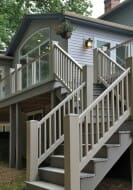
Railings: $20 to $60 per linear foot

Stairs: $150 to $300 per set
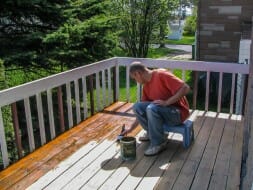
Staining/Sealing: $1 to $3 per sq. ft.
Wood Deck Maintenance Requirements
Wood decks are beautiful but require consistent care to retain their appearance and performance. Here’s what you need to plan for:
- Cleaning: Remove leaves, dirt, and mildew with a broom and power washer at least once per year. Mild soap and water or deck cleaner can help restore surface color and remove grime.
- Staining and Sealing: Apply a high-quality stain or sealant every 1 to 3 years depending on your climate and the type of wood. Transparent sealants show off the natural grain, while solid stains offer added UV protection and color.
- Repairs: Inspect regularly for warped, cracked, or loose boards and replace as needed. Also check for protruding nails, rusted fasteners, and loose railings.
- Pest Protection: Especially with untreated or soft woods, be vigilant for signs of termite or carpenter ant damage, and consider professional pest prevention if your area is prone to infestations.
- Snow and Ice: Avoid using metal shovels or salt on wood decks during the winter. Instead, use plastic shovels and sand to prevent damage.
Properly maintained, a wood deck can last 10 to 20 years or more, with hardwood options like Ipe extending well beyond that.

Pros and Cons of Wood Decks
Pros
- Warm, natural look that complements most homes
- Customizable and easy to modify or expand
- Budget-friendly upfront costs
- Readily available materials across the U.S.
- Boards are easily repairable or replaceable
Cons
- Requires ongoing maintenance like sealing and staining
- Susceptible to weathering, warping, and pest damage
- Shorter lifespan compared to composite or PVC
- Color may fade without UV protection
Final Thoughts
Wood decks are a classic, cost-effective way to enhance your home’s outdoor living space. With the flexibility to match nearly any design aesthetic and a range of wood types to choose from, it’s easy to tailor your project to your home, climate, and lifestyle. Just be sure to budget time and resources for regular maintenance to keep your wood deck looking great year after year.
For the best results, consider working with a licensed local contractor who can help you select the right wood species and design features for your location and goals.
Frequently Asked Questions About Wood Decks
Related Guides
Modernize Customer Portal Select your product below to sign in.


Modernize Bathroom Remodel Rating Methodology
How We Rate Bathroom Remodel Products and Companies We use two different sets of criteria depending on what we’re rating. For products and brands (like bathtubs, showerheads, and steam shower systems), we focus on how well they perform their core function, how durably they’re built, how much they cost relative to what you get, and how easy they are…