Decks
How Much Does It Cost to Replace a Deck?
Average Cost: $7,000 – $18,000
Deck replacement costs can be anywhere from a few thousand dollars to over $20,000. The price depends on your deck’s size, materials, labor, and local building rules. Keep reading to find out what you might pay for your project.
Find the best deck pros in your area.

The Modernize Mission
We help homeowners make confident decisions through our reliable, up-to-date, and unbiased information and average project costs. All of our content is thoroughly reviewed and fact-checked by our team of home improvement experts. Learn more about how we maintain these values.
Table of Contents
- How Much Does Deck Replacement Cost?
- What Affects the Cost of Replacing a Deck?
- Deck Replacement Cost by Material
- Average Deck Replacement Cost by Size
- Repair vs. Replace: Which Is More Cost-Effective?
- Additional Deck Replacement Costs to Consider
- Can You Save Money on Deck Replacement?
- DIY vs. Professional Deck Replacement
- FAQs About Deck Replacement Costs
How Much Does Deck Replacement Cost?
Most homeowners spend between $7,000 and $18,000 to replace a deck, or about $30 to $60 per square foot installed. A small, ground-level deck may cost less than $6,000, while a large, elevated deck with high-end materials can cost $25,000 or more.
Your total cost depends on the size and height of your deck, the materials you pick, any needed structural repairs, and local labor rates.
What Affects the Cost of Replacing a Deck?
Various factors affect the total cost of deck replacement, such as deck size, layout, material, labor rates, and more.
Deck Size and Layout
Larger decks need more materials and labor. Multi-level designs, curved layouts, and built-in features like a hot tub area or integrated seating will also raise the final cost. More complex designs usually mean more materials and longer build times.
Decking Material Choice
Material choice is one of the biggest factors in deck replacement cost. Pressure-treated wood is the cheapest option upfront but needs regular maintenance to avoid warping and rot. Premium composites, PVC, and synthetic boards cost more at first but need less upkeep and usually last longer. Cedar and redwood are in the middle, offering a high-end natural look at a moderate price, but they also need regular maintenance.
Labor and Installation
Labor usually makes up 40% to 60% of the total project cost. Rates go up for decks with stairs, elevated structures, or complex layouts. If you need structural repairs before installing the new deck, or if the old deck needs to be fully demolished and removed, labor costs will be higher.
Permits and Local Building Codes
In many places, you need permits to replace a deck, especially if you are replacing structural parts. Permit fees, inspections, and code upgrades like certain railing heights or footing depths can increase your total cost. Check with your local building department before you start to see what is required in your area.
Deck Replacement Cost by Material
Materials that cost more upfront usually need less maintenance over time. Cheaper materials often need more regular upkeep, like sealing, staining, and repairs, which adds to the long-term cost.
| Material | Avg. Cost per Sq. Ft. | Lifespan | Maintenance | Best For |
|---|---|---|---|---|
| Pressure-Treated Wood | $25 to $40 | 10 to 15 years | High | Tight budgets |
| Composite | $45 to $70 | 25 to 30 years | Low | Low maintenance priority |
| Cedar or Redwood | $40 to $65 | 15 to 20 years | Medium | Curb appeal and natural look |
| PVC or Synthetic | $55 to $80 | 30+ years | Low | Harsh climates, longest lifespan |
Pressure-Treated Wood Deck Cost
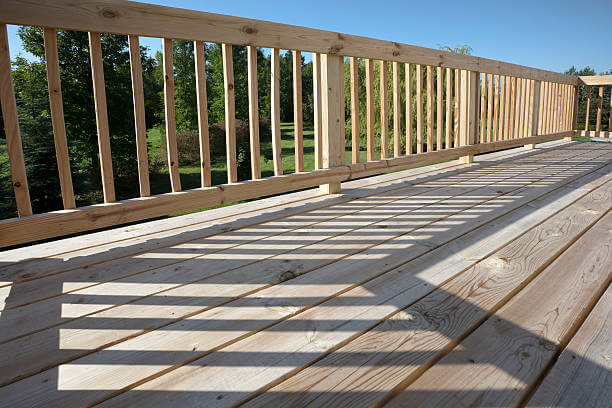
Pressure-treated wood is a common and affordable deck material, costing $25 to $40 per square foot installed.
It is strong and easy to find, but it needs sealing and staining every two to three years to prevent warping, cracking, and rot.
Composite Deck Cost
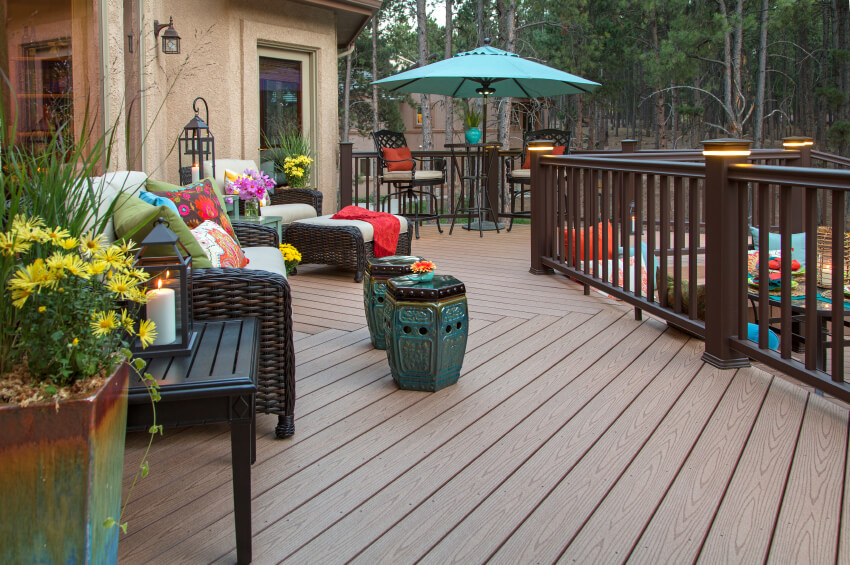
Composite decking costs $45 to $70 per square foot installed.
It costs more upfront than wood but resists insects, moisture, and fading without much maintenance.
For homeowners who want a low-maintenance deck that lasts, composite is often the most cost-effective choice in the long run.
Cedar or Redwood Deck Cost
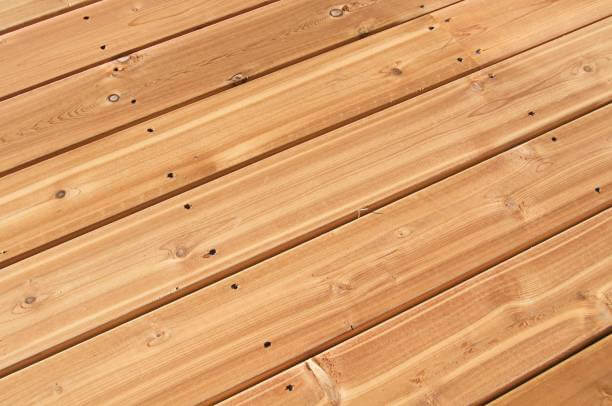
Cedar and redwood are premium natural wood options that cost between $40 and $65 per square foot installed.
Both offer a high-end appearance that boosts curb appeal, and both are naturally resistant to insects and moisture to a degree.
Consistent maintenance — sealing and staining every few years — is required to prevent decay and maintain their appearance.
PVC or Synthetic Deck Cost
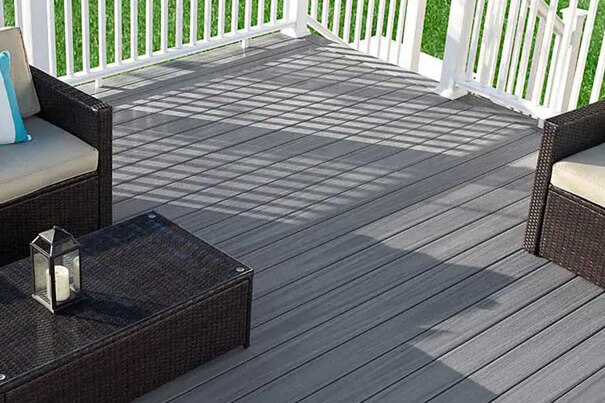
PVC and fully synthetic decking materials cost $55 to $80 or more per square foot installed.
They have the highest upfront cost of any common decking material, but they last the longest and need the least maintenance.
You do not have to worry about sealing, staining, or rot. These materials work especially well in areas with extreme temperatures or high humidity.
Average Deck Replacement Cost by Size
Deck size is a straightforward cost factor: more square footage means more materials and labor. The estimates below are general guides based on average material and labor costs. Your actual cost will depend on your material choice, deck height, layout complexity, and local market.
| Deck Size | Estimated Cost Range | Typical Use |
|---|---|---|
| 10×10 (100 sq. ft.) | $3,000 to $7,000 | Small patio or seating area |
| 12×12 (144 sq. ft.) | $4,500 to $9,000 | Small outdoor grilling area |
| 12×20 (240 sq. ft.) | $7,000 to $14,000 | Entertaining small groups |
| 16×20 (320 sq. ft.) | $10,000 to $18,000 | Family gatherings |
| 20×20 (400 sq. ft.) | $13,000 to $25,000+ | Outdoor living and entertaining |
Repair vs. Replace: Which Is More Cost-Effective?
If your existing deck has seen better days, repair may seem like the more budget-friendly option — and in some cases it is. Minor surface damage, a few rotted boards, or railing issues can often be addressed without a full replacement. However, there are situations where replacement is the smarter long-term investment.
Deck replacement is generally more cost-effective when:
- The deck is more than 20 years old.
- Repair costs would exceed 40% of the full replacement cost.
- There are safety or code compliance issues that require structural upgrades.
- The structural framing, such as posts, beams, or joists, is damaged by rot or other issues.
A professional inspection is the most reliable way to assess whether repair or replacement makes more financial sense for your specific situation.
Additional Deck Replacement Costs to Consider
Besides the deck surface, several add-ons and project needs can affect your total budget. Plan for these before you get quotes so you can compare estimates fairly.
Railing Replacement
Railings usually cost $30 to $100 per linear foot installed, depending on the material, such as wood, composite, cable, or aluminum, and the total length needed. Building codes often require railings on elevated decks, so include this in your budget if your deck is above ground level.
Stairs and Elevation Changes
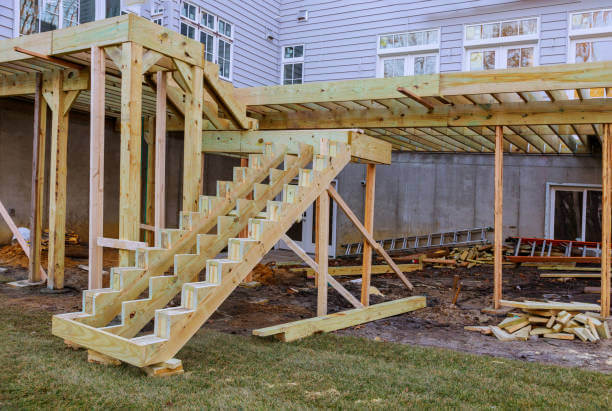
Adding stairs and landings can add $1,000 to $4,000 or more to the project, depending on the number of steps, materials, and height of the deck. Elevated decks require more framing and structural support, which increases both material and labor costs.
Deck Removal and Disposal
Removing and disposing of an old deck usually adds $500 to $2,000 to the project, depending on your deck’s size and local disposal fees. Some contractors include demolition in their quote, so check this before you compare bids.
Upgrades and Custom Features
Built-in seating, pergolas, shade structures, privacy screens, and integrated lighting all increase the final cost. These upgrades can make your deck more useful and enjoyable, but it is best to plan and budget for them before work starts. Adding them later usually costs more.
Can You Save Money on Deck Replacement?
There are several practical ways to reduce deck replacement costs without compromising safety or quality.
- Keep the layout simple. Complex shapes, multiple levels, and custom features all raise the cost significantly.
- Ask your contractor if any existing structural parts, like posts, beams, or joists, are in good enough shape to reuse. This can help lower material and demolition costs.
- Get at least three written estimates before you choose a contractor, and compare them based on scope and materials, not just the total price.
- Ask about current promotions or discounts, particularly if you’re flexible on timing.
- Try to schedule your project during the off-season, such as late fall or winter in most areas, when contractor demand is lower and prices may be more flexible.
DIY vs. Professional Deck Replacement
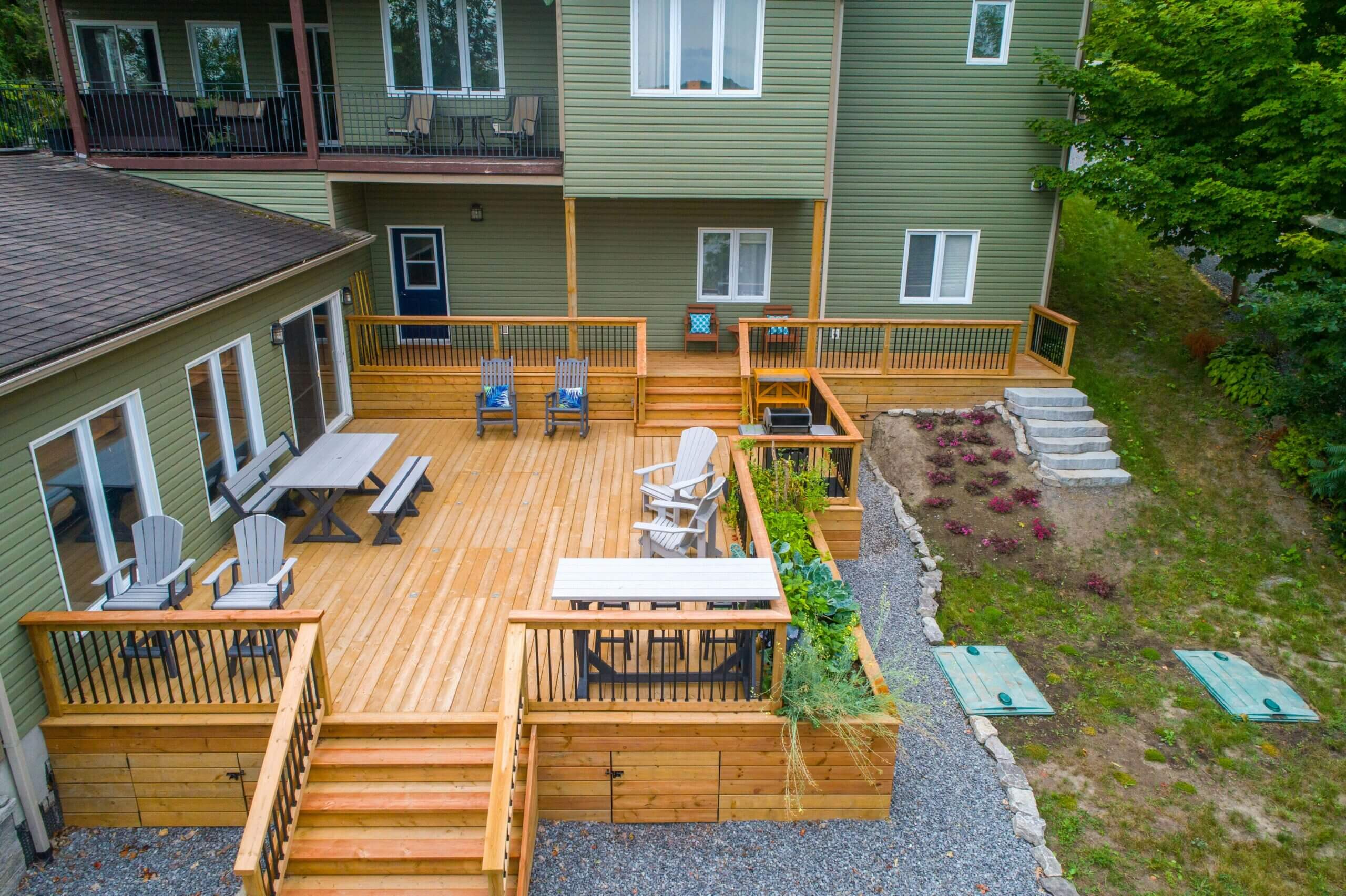
Building your own deck is possible if you have significant construction experience and are comfortable managing permits, structural requirements, and code compliance. DIY can reduce labor costs — which account for 40% to 60% of most deck projects — but the risks are meaningful.
Elevated decks especially require structural planning beyond basic carpentry. If footings, posts, or beams are not installed correctly, they can create serious safety hazards that might not be obvious right away. Permit rules also apply to DIY projects, and skipping permits can cause problems when you sell your home.
Hiring a professional costs more at first but ensures your deck meets code, is structurally sound, and comes with warranties on labor and materials. A professional can also spot existing problems, like rotted posts or bad footings, before they become part of your new deck.