Basement Waterproofing
Sump Pump Repair and Replacement Cost Guide
Average Cost: $150 – $750
Repairing a sump pump typically costs $150–$750, depending on the issue. Full replacement runs $800–$1,600 for most homeowners. This guide covers what drives the price, when repair stops making sense, and what to budget for add-ons like battery backup or a smart monitor.
Connect with the best basement waterproofing pros in your area.

The Modernize Mission
We help homeowners make confident decisions through our reliable, up-to-date, and unbiased information and average project costs. All of our content is thoroughly reviewed and fact-checked by our team of home improvement experts. Learn more about how we maintain these values.
Table of Contents
Average Cost of Sump Pump Repair
On average, homeowners spend $150–$750 to repair a sump pump, depending on the issue and local labor rates. Minor fixes, such as floats, switches, or check valves, usually fall on the low end, while electrical or motor-related problems trend higher. Emergency calls, hard-to-access pits, or significant discharge line work can add to the bill.
See what your sump pump repair or replacement will cost.
Common repairs and their costs
- Float or float arm replacement: The float tells the pump when to turn on. Typical cost: $75–$125 (parts and labor).
- Switch replacement (pressure, vertical, or diaphragm): Worn or stuck switches are a top failure point. Typical cost: $150–$350.
- Check valve replacement: Prevents water from flowing back into the pit after the pump shuts off. Typical cost: $125–$200.
- Discharge pipe repairs (leaks, clogs, or freeze damage): May include couplings, heat tape, or rerouting. Typical cost: $100–$225, more if extensive exterior work is needed.
- Power cord or outlet/GFCI issues: Diagnosing and correcting failed cords or tripped GFCIs. Typical cost: $100–$300; electrical work can increase costs.
- Motor or impeller service: Viable on newer, higher-end units but often not cost-effective on older pumps. Typical cost: $400–$800 — at this level, many professionals recommend replacement instead.
If the pump is older, out of warranty, and needs a motor or impeller repair, compare the repair estimate to a full replacement quote before proceeding.
Average Cost of Sump Pump Replacement
Replacing a failed pump typically costs $800–$1,600 all-in. That includes the new unit plus labor to disconnect the old pump, connect the replacement, reseal the pit cover if present, test operation, and verify the check valve or discharge line. Replacement is generally less expensive than a brand-new installation because your pit, discharge line, and electrical are already in place.
Typical ranges by pump type
- Pedestal pumps: $300–$900 installed (unit is less expensive and easier to access).
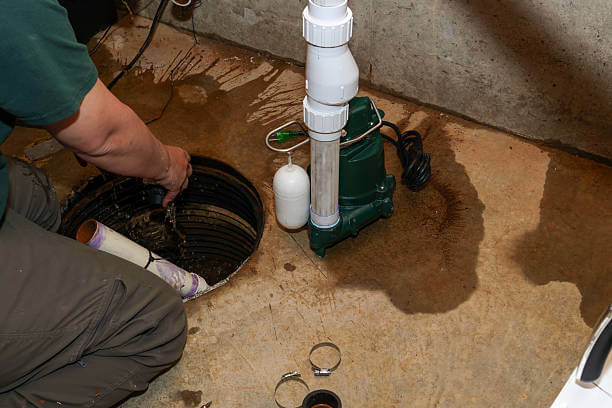
- Submersible pumps: $800–$1,600 installed (quieter, sealed, and more powerful).
Factors That Influence Replacement Costs
Not every swap costs the same. The final price depends on the pump type you choose, the condition of your existing pit and electrical setup, and whether any discharge or code-compliance work is needed. Here’s what typically moves the number up or down.
- Pump type and capacity (HP and GPM): Higher horsepower and flow ratings increase cost.
- Brand and warranty: Premium brands and longer warranties add to the price.
- Site conditions: Tight pits, sealed lids, or code-required venting require more labor.
- Electrical needs: New or corrected GFCI outlets, dedicated circuits, or cord and plug changes increase costs.
- Discharge modifications: Replacing pipe sections, adding freeze protection, or rerouting drains adds materials and time.
- Emergency service: After-hours calls often carry premium rates.
See what your basement waterproofing project will cost.
Sump Pump Repair vs. Replacement — Which Makes More Sense?
Use the “50% rule” as a quick check: if a repair will cost half or more of a replacement, and the pump is over five to seven years old or out of warranty, replacement often delivers better reliability and value. Consider replacement sooner if:
- You’ve had repeated failures within a year or two.
- The motor is noisy, overheating, or seized.
- You want to upgrade to a quieter submersible model, higher capacity, or smart monitoring system.
- You’re adding a battery backup and want both units matched and warrantied together.
Additional Costs to Consider
Depending on the condition of your setup, you may need more than just a new pump. These add-ons are worth budgeting for — some are optional upgrades, others may be necessary for safe, code-compliant operation.
- Battery backup system: $200–$500, more with automatic chargers or high-capacity batteries.
- High-water alarm or smart monitor: $40–$250, basic to Wi-Fi connected.
- New or upgraded check valve: $10–$125 (part) plus labor.
- Sump pit repairs or new basin: $250–$900 for liner, lid, or sealing work.
DIY vs. Professional Repair or Replacement
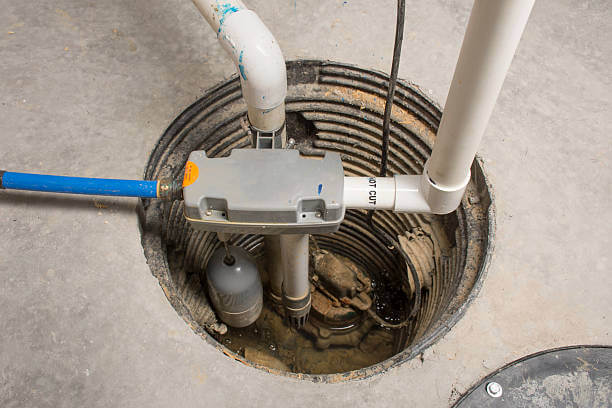
Simple part swaps in an accessible pit are within reach for a confident, experienced homeowner. Anything involving electrical work, code compliance, or exterior discharge changes should go to a licensed pro.
DIY
- Cost savings on parts: Expect to spend $100–$300 on basic supplies, excluding the pump
- Right for simple swaps: Float, switch, or check valve replacements in accessible pits are manageable
Hire a pro
- Electrical work requires a pro: GFCI outlets, dedicated circuits, and cord changes carry safety and code risk
- Sizing errors are costly: Incorrect horsepower or head height calculations can cause pump failure or flooding
A qualified technician will size the pump correctly, verify head height and flow, test the check valve, seal the lid, and confirm safe operation — reducing the risk of a callback during the next storm. Always shut off power before touching anything in the pit, regardless of who does the work.
Bottom Line
Here’s the short version if you’re trying to make a quick call:
- Repairs usually run $150–$750 and cover floats, switches, check valves, and minor discharge fixes.
- Replacements typically cost $800–$1,600 for a complete swap, with pedestal models on the low end and submersibles on the high end.
- Compare the repair estimate against the unit’s age, warranty, and reliability. If costs are stacking up or the motor is failing, replacement is often the better investment.
If you’re ready to price your options, connect with licensed basement waterproofing pros in your area for fast diagnostics and side-by-side quotes.
Get matched with licensed basement waterproofing pros near you.