Foundations
How Much Does Bowing Basement Wall Repair Cost? 2026 Guide
Average Cost: $2,000 – $10,000
Most homeowners spend about $4,500 to repair a bowing basement wall, though costs usually range from $2,000 to $10,000. Minor bowing is often less expensive to fix, but major repairs or wall straightening can cost more than $15,000.
The price depends on how much the wall has moved, the repair method chosen, and whether you need drainage or extra structural support.
Connect with the best foundation repair pros in your area.

The Modernize Mission
We help homeowners make confident decisions through our reliable, up-to-date, and unbiased information and average project costs. All of our content is thoroughly reviewed and fact-checked by our team of home improvement experts. Learn more about how we maintain these values.
Table of Contents
- How Much Does Bowing Basement Wall Repair Cost In 2026?
- What Will Your Bowing Wall Repair Cost?
- Bowing Basement Wall Repair Cost by Method
- Which Repair Method Do You Actually Need?
- What Affects Bowing Basement Wall Repair Costs?
- Additional Costs to Expect
- When to Repair vs. Replace a Bowing Basement Wall
- How to Reduce Bowing Wall Repair Costs
- What to Look for in a Bowing Wall Repair Quote
- Is Bowing Basement Wall Repair Worth the Cost?
How Much Does Bowing Basement Wall Repair Cost In 2026?
Fixing a bowing basement wall might cost a few thousand dollars if caught early, but major repairs can go well over $10,000. The main factors are how badly the wall has moved and which repair method is needed.
For most people, common repairs like wall anchors or carbon fiber reinforcement cost between $2,000 and $7,500. More advanced fixes, like helical tiebacks or straightening the whole wall, are much more expensive.
For a full breakdown of structural repair prices, check out our foundation repair cost guide.
What Will Your Bowing Wall Repair Cost?
How much you pay to fix a bowing basement wall mostly depends on how much the wall has moved. Small shifts are less expensive to fix, but severe bowing needs more involved and expensive repairs.
Estimated Cost by Severity
- Minor bowing (less than 2 inches): $500 to $3,000
Typically addressed with carbon fiber straps or basic reinforcement to prevent further movement. - Moderate bowing (2 to 4 inches): $3,000 to $8,000
Often requires wall anchors or tiebacks to stabilize and partially correct the wall. - Severe bowing (4+ inches): $8,000 to $15,000+
May require helical tiebacks, wall straightening, or partial reconstruction.
If you fix the problem early, repairs are more likely to stay affordable. Waiting can let soil pressure make things worse and drive up costs.
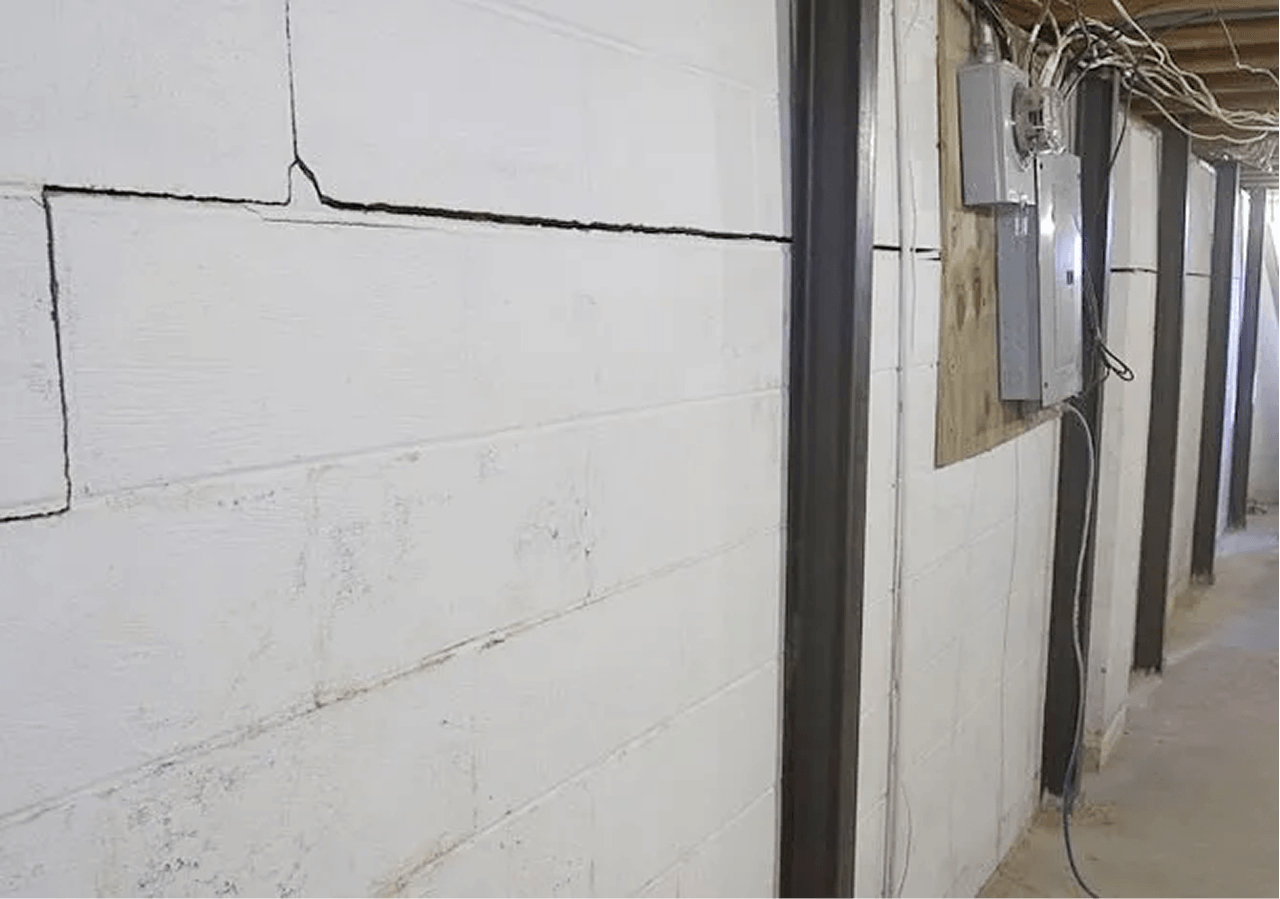
Bowing Basement Wall Repair Cost by Method
The repair method has a big impact on cost. Each option works best for a certain amount of wall movement and stress.
| Repair method | Typical cost | Best for |
|---|---|---|
| Carbon fiber straps | $2,000 to $5,000 | Minor bowing, preventing further movement |
| Wall anchors | $3,000 to $8,000 | Moderate bowing, pulling wall back over time |
| Helical tiebacks | $6,000 to $12,000 | Severe bowing, deep soil stabilization |
| Wall straightening | $8,000 to $15,000+ | Major structural movement or failure |
Carbon Fiber Straps ($2,000 to $5,000)
Carbon fiber straps attach directly to the wall to keep it from moving inward any further. They will not fix existing bowing, but they do help prevent it from getting worse.
This method works best if the problem is caught early and the wall is still structurally sound.
Wall Anchors ($3,000 to $8,000)
Wall anchors use steel rods and plates set in your yard to slowly pull the wall back toward its original position.
This is a common fix for moderate bowing, helping to both stabilize the wall and partially correct its position.
Helical Tiebacks ($6,000 to $12,000)
Helical tiebacks are drilled deep into solid ground beyond your foundation to anchor and support walls with severe bowing.
They cost more, but they offer stronger, long-lasting support, especially if your soil is not stable.
Wall Straightening ($8,000 to $15,000+)
For serious problems, contractors might dig around your foundation and physically move the wall back into place.
This is the most involved and costly option, usually only needed if other repairs will not work.
Which Repair Method Do You Actually Need?
The right repair method depends on how much the wall has bowed and whether it is still moving.
- Less than 2 inches of bowing: Carbon fiber straps or basic reinforcement are usually enough to stop further movement.
- 2 to 4 inches of bowing: Wall anchors are commonly used to stabilize and gradually correct the wall.
- More than 4 inches of bowing: Helical tiebacks or structural straightening are typically required.
- Walls still actively moving: Solutions that anchor into stable soil, like tiebacks or anchors, are usually necessary.
- Walls with severe cracking or displacement: Structural correction or reconstruction may be required.
Getting a professional inspection is the best way to know which repair you need. Still, knowing these guidelines can help you compare quotes and advice.
What Affects Bowing Basement Wall Repair Costs?
Even for similar-looking damage, repair costs can vary widely depending on structural and site conditions.
Severity of Wall Movement
How much the wall has bowed is the main factor in cost. Small bends are less expensive to fix, but severe bowing needs deeper anchors or bigger repairs.
Wall Length and Number of Supports
Longer walls need more anchors, straps, or tiebacks, which raises material and labor costs. Usually, these supports are placed every 4 to 6 feet.
Soil Pressure and Drainage Conditions
Water pressure from wet soil is a common reason for bowing. If you do not fix drainage problems, repairs might not last or could need extra work.
Adding things like exterior drainage or waterproofing will increase the overall cost.
Excavation Requirements
Some repairs, like wall straightening or adding support from outside, require digging around your foundation. This adds a lot to labor and equipment costs.
Structural Engineering and Permits
If the damage is severe, you might need a structural engineer to inspect it, which costs $500 to $1,500. Permits and inspections can also add to your total bill.
Accessibility
If your basement is hard to reach or there are landscaping obstacles, the job can take more time and equipment, which increases costs.
Additional Costs to Expect
Fixing a bowing basement wall usually means more than just stabilizing it. Depending on what caused the problem and how bad it is, you might need extra repairs.
- Drainage or waterproofing systems: $2,000 to $7,500+
Poor drainage is one of the main reasons walls start to bow. Fixing drainage helps prevent future problems. - Structural engineer report: $500 to $1,500
Often required for severe movement or when permits are needed. - Crack repair or sealing: $300 to $1,500
This is often done with reinforcement to help keep water from getting in. - Interior wall repair (drywall, framing): $500 to $2,500+
These are cosmetic fixes done after the main structural repairs are finished. - Excavation or landscaping repair: $500 to $3,000+
You may need this if workers need to reach the outside of your wall or straighten it.
Often, fixing the root cause of the bowing, such as drainage issues, is just as important as repairing the wall itself.
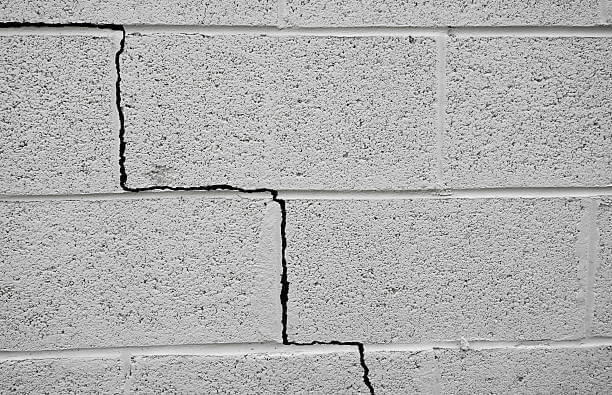
When to Repair vs. Replace a Bowing Basement Wall
Most bowing basement walls can be fixed without replacing the whole wall. But if the damage is very severe, you might need more extensive repairs.
Repair is usually enough when:
- Bowing is less than 4 to 5 inches
- The wall is still structurally intact
- Cracks are stable and not rapidly worsening
Replacement may be needed when:
- The wall is severely displaced or collapsing
- Structural integrity is compromised
- Previous repairs have failed
Replacing an entire wall can cost anywhere from $15,000 to more than $40,000, depending on your foundation’s size and how much excavation is needed.
In most cases, fixing the problem early means you will not need a full replacement and can keep costs much lower.
How to Reduce Bowing Wall Repair Costs
- Act quickly: It is much less expensive to fix minor bowing than to repair serious structural damage.
- Get several quotes: Compare at least two or three licensed contractors.
- Ask for a detailed scope: Make sure each quote lists the repair method, materials, and how many supports will be used.
- Fix drainage problems too: This helps prevent future repairs.
- Avoid low bids without engineering support: Cheap fixes can fail and cost more over time.
What to Look for in a Bowing Wall Repair Quote
A good, detailed estimate should include:
- The recommended repair method and why
- The number of anchors, straps, or tiebacks
- The wall length being treated
- Excavation or drainage work, if needed
- Labor, materials, and permits
- A warranty or performance guarantee
If a contractor cannot clearly explain why they recommend a certain repair, consider it a warning sign.
Is Bowing Basement Wall Repair Worth the Cost?
Yes, it is. Fixing a bowing basement wall protects your home’s structure, stops further damage, and helps you avoid much higher repair bills down the road.
Ignoring the problem can lead to:
- Worsening structural movement
- Water intrusion
- Full wall failure
If you see bowing, cracks, or the wall moving inward, get a professional inspection right away.
Compare quotes from licensed foundation repair professionals in your area.
This content was created with the assistance of AI and reviewed, edited, and fact-checked by our editorial team for accuracy and clarity. See our Editorial Policy for more details.