Foundations
Foundation Underpinning Cost (2026 Guide for Homeowners)
Average Cost: $6,000 – $25,000
Foundation underpinning typically costs $6,000 to $25,000, with most homeowners paying around $10,000 to $18,000 for moderate repairs. Costs vary based on the underpinning method, soil conditions, home size, and accessibility.
Connect with foundation repair pros in your area.

The Modernize Mission
We help homeowners make confident decisions through our reliable, up-to-date, and unbiased information and average project costs. All of our content is thoroughly reviewed and fact-checked by our team of home improvement experts. Learn more about how we maintain these values.
Table of Contents
- What Is Foundation Underpinning?
- Foundation Underpinning Cost Breakdown
- What Happens During Underpinning
- What Affects Underpinning Costs?
- How to Get an Accurate Underpinning Estimate
- Signs You May Need Underpinning
- How to Save on Underpinning Costs
- What Will Your Underpinning Cost?
- What to Look for in an Underpinning Quote
What Is Foundation Underpinning?
Foundation underpinning is a structural repair method used to stabilize a sinking or settling foundation by extending it deeper into stable soil or bedrock. It’s typically required when standard repairs can’t stop ongoing movement.
For a broader look at foundation repair costs and methods, see our full guide to foundation repair costs.
When underpinning is needed (and why it costs more)
Underpinning is typically required when foundation movement is severe or ongoing. These situations usually increase repair costs:
- Soil settlement or expansion
- Water damage weakening the foundation
- Nearby construction or excavation
- Poor original foundation design
Foundation Underpinning Cost Breakdown
Underpinning costs vary based on the method used and how deep the foundation must be stabilized. Foundation underpinning typically costs between $300–$600 per linear foot in the U.S., or roughly $6,000–$25,000 total for most residential projects. The exact price depends on your home’s size, soil type, damage severity, and underpinning method.
The table below shows typical costs by underpinning method:
| Underpinning Method | Average Cost per Linear Foot | Typical Use Case |
|---|---|---|
| Mass concrete underpinning | $300 to $450 | Shallow or moderate settlement |
| Beam and base underpinning | $400 to $550 | Foundations requiring stronger load transfer |
| Mini-piled underpinning | $500 to $800 | Deep foundations or unstable soil conditions |
Most residential underpinning projects involve multiple sections of the foundation, which can quickly increase total costs depending on how many areas require stabilization.
See what your foundation repair project will cost.
What Happens During Underpinning
Underpinning is a staged structural repair process, and each step contributes to the overall cost. In most U.S. homes, the process includes:
- Inspection and engineering assessment
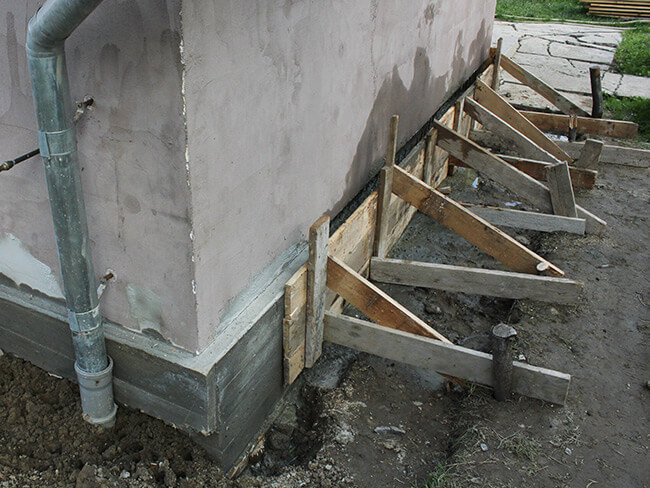
- Excavation in sections
- Installation of piers or concrete supports
- Curing and backfilling
- Final inspection
Typically, the process takes one to three weeks, depending on soil conditions and foundation depth. Engineering design and labor can account for 30%–40% of total costs.
What Affects Underpinning Costs?
Understanding what drives underpinning costs helps you plan and budget more effectively.
1. Type of underpinning method
Different methods involve unique materials, labor, and engineering complexity.
- Mass concrete underpinning (traditional pit method) is cost-effective but slower.
- Mini-pile underpinning is ideal for deep or unstable soil but increases material and equipment costs.
- Beam and base underpinning is more technically advanced, and therefore more expensive, than mass concrete underpinning.
2. Soil conditions and site accessibility
- Clay or expansive soils often need deeper, reinforced underpinning.
- Limited access (tight crawl spaces, basements, or landscaping obstacles) can raise labor costs 10%–20%.
- Deep foundations increase cost significantly.
3. Foundation type and structure weight
Heavier structures, like brick or multi-story homes, require stronger supports and more concrete or steel reinforcement.
4. Extent of damage
If settlement affects only a small area, targeted underpinning can be performed. Severe or widespread movement may require full-perimeter underpinning, increasing total costs.
5. Engineering and permits
Structural engineers usually design underpinning plans and oversee implementation. Expect $1,000–$3,000 in additional fees for engineering assessments and local building permits.
6. Depth of underpinning required
Deeper installations increase labor, materials, and equipment costs.
How to Get an Accurate Underpinning Estimate
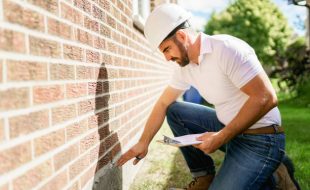
Because underpinning depends on soil conditions and structural movement, a professional inspection is the only reliable way to estimate cost.
A qualified contractor will:
- Measure settlement and soil depth
- Identify the root cause of foundation movement
- Recommend the safest, most cost-effective underpinning method
Ask for a written report and itemized quote that includes engineering, permits, and post-repair testing. Transparent contractors should explain each cost clearly before starting work.
Signs You May Need Underpinning
Underpinning is typically required when foundation movement is ongoing and can’t be fixed with surface-level repairs.
Typical indicators include:
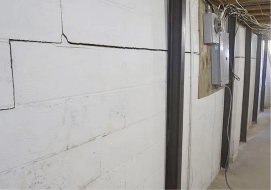
- Cracks reappearing after previous repairs, especially if patched areas reopen or widen over time.
- Uneven or sinking sections of the foundation: One corner or side of the home sits lower than the rest.
- Floor slopes increasing gradually: A sign that the entire footing is moving, not just the slab surface.
- Evidence of deep soil failure: Visible gaps between the foundation and surrounding soil, or footings pulling away from walls.
- Separation between attached structures: Porches, garages, or chimneys moving independently from the main house.
In short, foundation underpinning is warranted when your home continues to sink or settle, even after minor foundation repairs or patching.
How to Save on Underpinning Costs
A few smart decisions can keep your underpinning project efficient and prevent costly mistakes.
Ways to save
- Act early. The smaller the settlement zone, the less excavation and material required.
- Get multiple quotes. Compare itemized pricing and confirm what’s included (engineering, permits, backfill).
- Bundle repairs. If drainage or grading needs improvement, fix it during the underpinning phase to avoid repeat work.
How to avoid costly surprises
- Beware of low bids that skip engineering oversight or use untested materials — these can fail inspections or void warranties.
- Confirm licensing and insurance. Underpinning is a structural procedure that should always be performed by a certified foundation contractor.
- Request documentation. A final inspection report and warranty add value to your home and reassure future buyers.
Ask each contractor, “What soil tests or engineering reports do you base your underpinning plan on?” Transparent answers usually signal trustworthy professionals.
Getting at least three quotes before committing helps you spot outliers — both suspiciously low bids and inflated ones — and gives you leverage to negotiate.
What Will Your Underpinning Cost?
The total cost depends on how much of your foundation needs stabilization:
- Minor underpinning ($5,000–$10,000): Small sections or isolated settlement
- Moderate underpinning ($10,000–$18,000): Multiple foundation areas
- Extensive underpinning ($18,000–$25,000+): Full-perimeter stabilization
What to Look for in an Underpinning Quote
A proper underpinning estimate should include:
- Number of piers or linear feet
- Type of underpinning method
- Excavation and access work
- Engineering and permits
- Backfill and final stabilization
Ready to get started? Find trusted foundation pros in your area.