As homeowners become more mindful of energy-efficient home options, reflective roofs are being used more frequently. But what does reflective roofing – also known as a “cool roof” – entail? How is it different from roof coating or painting your roof white?
Reflective roofing is a type of roof installation that focuses on keeping a home cooler than a traditional roof would.
Cool roofs are designed to reflect sunlight and absorb less solar energy, which in turn lowers a home’s internal temperature.
Here’s what you need to know.
How Do Cool Roofs Work?
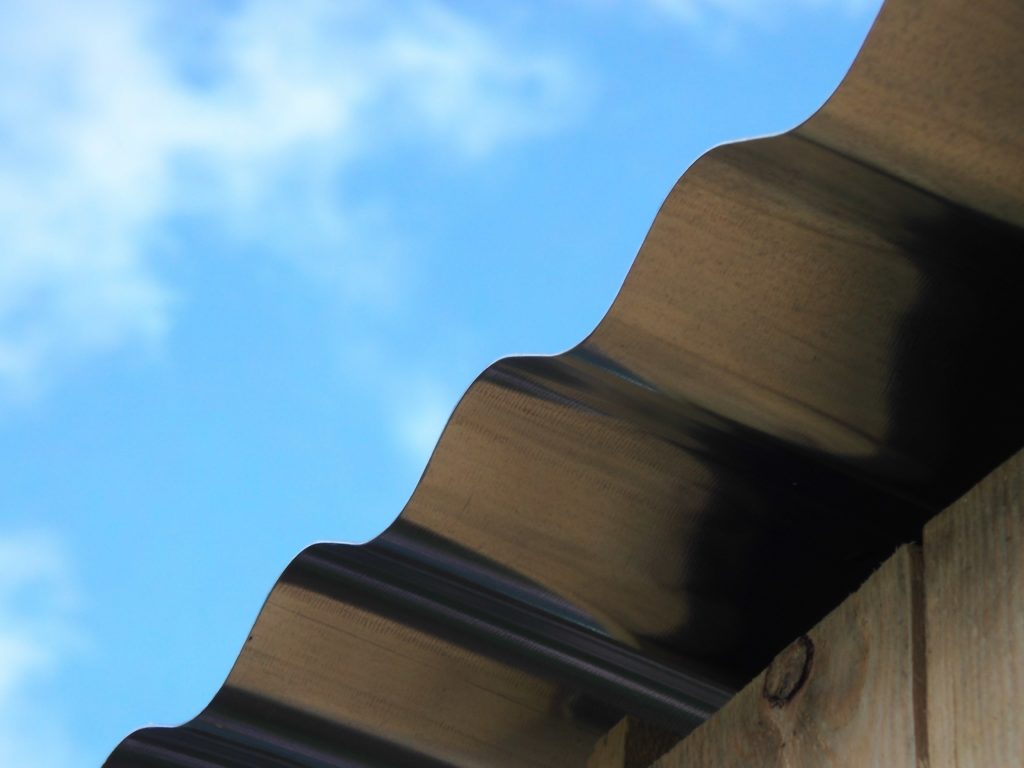
Through a mix of materials and with the help of a special, reflective coating, reflective roofs reflect more sunlight than traditional roofs. Here are some of the reasons to consider one:
- The coatings come in a variety of colors and styles, meaning curb appeal doesn’t have to be sacrificed.
- They can lower a home’s temperature significantly.
- As all roof coatings do, reflective roofs help extend a roof’s lifespan because of its film coating taking the hit from weather conditions. This makes a roof both more cost- and energy-efficient.
The coatings come with two big benefits:
- They contain a high level of thermal emittance, meaning they can shed heat.
- Additionally, through solar reflectance, they can reflect sunlight away from your home.
Together, those factors keep a home cooler. If you want to explore using this method to keep your own home cooler, click below and answer a few questions to be matched to pros near you.
Find the best Roofing pros in your area.
What Are the Benefits of a Reflective Roof?
To an extent, reflective roofing can help improve your home’s energy bills. Still, it’s important to speak with a professional and set realistic expectations if that is your main goal.
Additionally, reflective roofing will help your roof last longer. That’s because you are adding an extra protective layer. Reflective roofing will:
- drop a roof’s temperature
- slow UV rays’ lasting impacts
- reduce waste and environmental harm in the long run by pushing off the need for frequent roof repairs and replacements
Roof coatings also come with the advantage of easy installation. While it’s important to hire a trusted contractor, the installation process is fast and not too intensive or noisy.
The length of time it takes to complete a roof coating depends on the size of the roof, but typically, from start to finish, the task takes up to two days.
What Do Reflective Roofs Cost?
The cost to install reflective roofing relies greatly on the size of your home and roof.
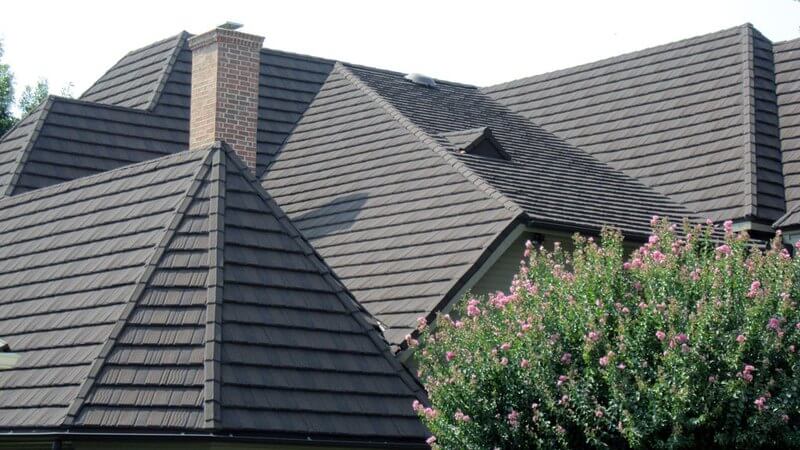
Adding a reflective coating to an existing roof starts as low as 75-cents per square foot — and the cost gets even lower when being added from the front end of a roof replacement. That’s because shingles can come pre-fabbed with a coating.
For a 2,000 square foot home, you can expect to pay somewhere between $1,500 and $3,000 to have a cool roof coating applied to your existing roof.
Reflective roof materials come with an extensive variety:
- Shingles can be treated.
- Tiles can be glazed.
- Wood can be cool-colored.
- Metal can be factory coated.
It’s important to discuss your options with a professional roof contractor when it comes to reflective roof configurations. That’s because even a small pin-hole in a reflective roof coating can hurt the integrity of the entire project and cause more damage to your roof.
Find the Right Contractor for Your Roof Project
Whether you’re ready to begin your project now or need some expert advice, our network of contractors are here to help. With a few simple questions, we’ll find the best local professionals for you