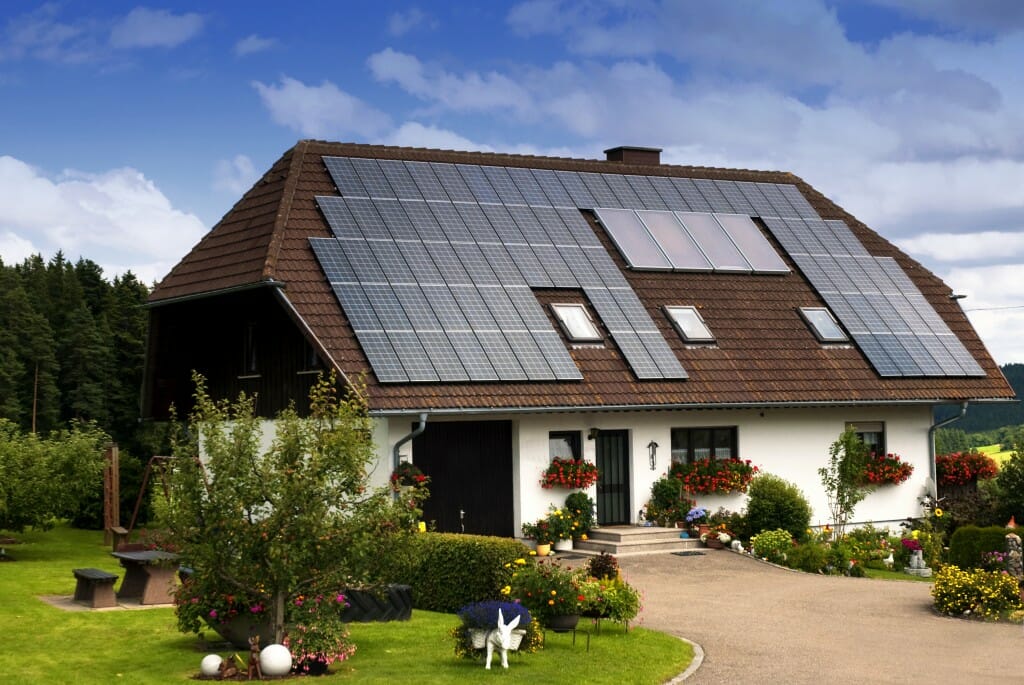
Rooftop solar panels are a rising trend that can raise the value of a home by a solid $15,000. They cut down utility bills, reduce negative impacts on the environment, and help homeowners better prepare for emergencies that could compromise access to electricity. It would seem there’s no downside to these shiny solar cells popping up in the hundreds of thousands all over the US. However, if you’re a prospective home buyer not interested in paying a premium to take over a solar system, you may feel backed into a corner.
The swift progress of the solar industry is impressive, but it can also leave many of us a step behind when it comes to understanding how leased and host-owned solar systems impact the process of buying a home. Here are important factors to consider as you navigate the real estate market in this new age of solar:
The up-front costs of solar can be intimidating, even with government incentives and the promise of future energy savings. Many homeowners are interested in renewable energy but want to avoid the front-loaded expenses, so they turn to leasing options.
When you lease a solar energy system, you can get it installed on your house for little or no money down. You immediately get to experience the savings without having to wait for the long-term return on investment. The company leasing you the system takes care of all the maintenance, and you pay them in monthly installments. This arrangement is best suited for those who want to change their lifestyle but have more financial limitations.
But it can complicate matters when it’s time to put the house on the market. Potential buyers are often wary of taking over solar leases, which usually have a life of about 20 years. Breaking the lease or buying out the system can both be very costly. Real estate professionals are still trying to catch up with the technology and its effect on home values. When it comes to leasing, there aren’t many hard-and-fast rules on whether solar should be considered an advantageous selling point or a drawback.
If you are interested in buying a house with solar panels, one of the first questions to ask is whether the system is host-owned or leased. If it is a leased system, ask to review the contract before agreeing to assume the lease and move forward with the sale. If you are interested in solar and are satisfied with the lease, the solar company can transfer the lease to you when you close on the house, if your credit qualifications match their criteria. However, if you are dissatisfied with the terms or are not interested in solar, the homeowner may be willing to compensate you for what some consider to be a liability, or pay off the remainder of the lease before you buy.
Make sure to read the fine print on the lease before agreeing to—or rejecting—the transfer of the solar system.
Removing the Panels
If you’re a prospective homebuyer, you may be frustrated by the dilemma of having found your dream home but not wanting to pay for the thousands of dollars worth of solar equipment that comes with it. Solar systems can be a complex and newfangled component of buying and selling homes, so it’s not unreasonable to be confused by your options.
Part of what makes dealing with solar systems a bit complicated is that they are generally warrantied for 20 to 25 years, but can last even longer. The panels are integrated with a wiring system and hardware that takes a good deal of money and professional labor to install. The roof is often compromised in the process of installing the panels themselves—although solar shingles and solar mounts are a winning alternative to the standard panels. It’s logical to assume that not many companies or individuals have much experience removing perfectly functional solar cells, especially since the technology is relatively new to the average homeowner.
But if you are firmly against inheriting rooftop solar panels, whether because you find even the solar shingles unsightly or you don’t want to pay more for a house with technology you’re not interested in, you may have other options. You can request that the owner pay for the system to be removed, under which circumstance you may need to pay for the cost of re-roofing the home as a compromise. If the owner is interested in keeping the expensive equipment they paid for, there’s a chance he or she may agree. However, they will have to consider the costs of paying professional installers to remove the system and the potential harm that may befall the equipment during the process.
Meanwhile, you should consider the costs of replacing a roof, which could fall around $10,000 when you include tear-off and disposal. Once all is said and done, it could cost you more to replace the roof than it would to simply pay for the solar system. If you’re in this situation, make sure to deeply explore the many benefits of solar before making any decisions, and ask yourself whether the home in question is worth the trouble you may go through to avoid the costs of inheriting the solar energy system.
Find the Right Contractor for Your Solar Project
Whether you’re ready to begin your project now or need some expert advice, our network of contractors are here to help. With a few simple questions, we’ll find the best local professionals for you
We’ve all had that moment walking into a room thinking, “It’s fine, but…” Sometimes it’s dated hardware. Sometimes it’s lighting. Sometimes it’s just that nothing feels fresh anymore. Here’s the good news. You do not need a full renovation to fix it, and you do not need to tackle everything at once. The smarter approach…
Manual J Load Calculations: The Essential Guide to Sizing a Home HVAC System Correctly When a homeowner needs a new HVAC system, one of the most important — yet least understood — steps in the process is the Manual J load calculation. While many contractors still rely on outdated rules of thumb, the reality is…
More Than Just Backup Power When people think about generators, they often picture them humming away during a blackout. While that is their most common role, generators are surprisingly versatile. From protecting your home during emergencies to powering up backyard celebrations, they can provide reliable electricity in many situations that would otherwise cause major inconvenience.…
Why Homeowners Consider Whole-House Generators A whole-house generator is more than just a convenience — for many homeowners, it’s peace of mind. Unlike portable units, these generators are permanently installed, connect directly to your home’s electrical system, and automatically kick on when the power goes out. But they’re also a significant investment. Understanding the full…
Reviews from Real Homeowners
5/5
"The pros did an excellent job for a reasonable price. Roofing crew was amazing. I would highly recommend this company."
"They did beautiful work replacing 3 windows for us and we got them done at a great price."
Mark Y.HomeownerAustin, TXWindows Replacement
5/5
"The installers were excellent! They did everything they promised. I got a great price and the new AC Unit works perfectly!"
Tina P.HomeownerDallas, TXAC Unit Replacement
5/5
"They did a great job installing and getting the required permits to complete the job. The new solar system a good investment to our home."
James S.HomeownerSacramento, CASolar Installation
4/5
"Helped us choose the best products and pricing and were able to get us financing at an excellent rate! Truly professional and very nice."
Paul G.HomeownerSeattle, WAWindows Replacement
4.5/5
"The whole process, from getting the quote to having the work done was flawless. The guys were truly professionals."
Tony H.HomeownerNashville, TNHeating Unit Replacement
About Us
Welcome to Homeowner Resources! We are the Modernize blog. Modernize pairs more than 3 million homeowners a year with pre-vetted contractors in their area. This blog started because we believe homeowners should know everything about their homes, from how their HVAC works to which front door colors they might love. On Homeowner Resources, you can find information on every part of your home, right down to how you can negotiate with contractors to get the best price. Here's more about the blog.
Need a contractor? Learn more about how Modernize finds the right pro for you.