
Roof
Roof Repair and Replacement Guide
What Is a Roofing System?
A roofing system is essential for your home’s protection, structural integrity, and insulation. It consists of various materials and layers designed to shield your home from environmental factors like rain, wind, and temperature fluctuations. Roofing systems vary by material, including asphalt shingles, metal panels, tiles, and wood shakes, each offering distinct benefits suited to specific climates and home styles.
Roofing materials and types are often chosen based on climate resilience, energy efficiency, and aesthetic appeal. In regions with extreme weather, a durable material, such as metal or tile, may be necessary. In contrast, areas with milder climates offer a wider range of options, such as asphalt shingles or wood shakes, which may provide sufficient insulation and weather resistance.
How Does a Roofing System Work?
A roofing system functions as a weather-resistant barrier, insulating and ventilating your home. Layers typically include a roof deck, underlayment, and outer material like shingles or tiles, each serving a unique purpose.
- Roof Deck: The deck is the foundational layer that supports the rest of the system and bears the weight of other roofing components. It’s usually made from plywood or oriented strand board (OSB).
- Underlayment: This waterproof barrier lies between the deck and the roofing material, preventing moisture from reaching the structural foundation. It is particularly crucial in rainy or snowy climates.
- Roofing Material: The top layer — whether shingles, tiles, or metal panels — protects against weather elements and provides insulation. The type of material chosen affects energy efficiency, durability, and aesthetic appeal.
- Ventilation and Insulation: Proper ventilation allows hot air to escape, preventing moisture buildup that could lead to mold. Insulation helps regulate indoor temperatures, contributing to a more energy-efficient home.
Each of these layers is essential to the roof’s longevity and performance, working together to maintain your home’s comfort and structural integrity.
Frequently Asked Questions
What Are the Different Types of Roofs?
There are several main types of roofing systems, each designed to meet specific needs, preferences, and climates:
- Asphalt Shingle Roofs: Cost-effective and versatile, asphalt shingles come in two main types — three-tab and architectural — and suit most climates, though they may have shorter lifespans in extreme weather.
- Metal Roofs: Known for durability and energy efficiency, metal roofs can handle heavy snow, rain, and high winds, making them ideal for regions with temperature extremes.
- Clay Tile Roofs: Clay tiles are highly durable and reflect sunlight, making them ideal for hot climates. However, they are heavy and may require additional structural support.
- Flat Roofs: Common in commercial buildings, flat roofs require high-quality waterproofing membranes to prevent leaks and are easy to maintain.
- Wood Shake Roofs: Wood shakes offer a rustic look and are eco-friendly, though they require regular maintenance and are best suited for areas with mild, dry weather.
Other Roof Types
- Rubber Roofing
- Foam Roofing
- Tar and Gravel Roofing
- Green Roofing
- Standing Seam Metal Roofing
- Corrugated Metal Roofing
- Gable Roofs
- Hip Roofs
- Mansard Roofs
- Gambrel Roofs
What Are the Different Types of Shingle Materials?
Shingles are one of the most common roofing materials, with several types available to suit different budgets, climates, and aesthetic preferences. Here’s an overview of the main types:
- Asphalt Shingles: Asphalt shingles are the most popular choice for residential roofing due to their affordability and ease of installation. Available in two main styles — three-tab and architectural — these shingles offer a good balance of cost and durability and come in a variety of colors.
- Metal Shingles: Metal shingles, typically made from aluminum or steel, are durable, lightweight, and highly resistant to weather. Metal shingles can mimic other roofing materials’ appearance, such as slate or wood, making them a versatile option for homeowners seeking longevity.
- Wood Shingles and Shakes: Wood shingles and shakes provide a natural, rustic look that complements traditional and cottage-style homes. Made from cedar, redwood, or pine, they offer excellent insulation but require regular maintenance and are less fire-resistant without special treatment.
- Slate Shingles: Known for their natural beauty and exceptional durability, slate shingles are a premium option that can last over 100 years. They are fire-resistant and withstand harsh weather well but are heavy, requiring a strong roof structure for support.
- Tile Shingles: Commonly made from clay or concrete, tile shingles are highly durable, resistant to rot and insects, and often last 50 years or more. While they are heavier than most other shingle types, tile shingles reflect sunlight, helping to keep homes cooler in warm climates.
- Solar Shingles: Solar shingles are designed to produce energy while protecting your home. Though they have a higher upfront cost, they can reduce energy bills over time. Solar shingles are best suited for sunny climates and are typically integrated with other roofing materials.
| Roof Type | Material | Best for Climates | Lifespan | Average Cost per Sq. Ft. | Pros | Cons |
|---|---|---|---|---|---|---|
| Asphalt Shingles | Asphalt | Moderate weather | 15 to 30 years | $3 to $6 | Affordable, easy to install, versatile | Shorter lifespan in extreme weather |
| Metal Roofing | Aluminum, Steel, Copper | All climates | 40 to 70 years | $7 to $14 | Durable, energy-efficient, low maintenance | Higher upfront cost |
| Tile Roofing | Clay, Concrete | Warm, dry climates | 50+ years | $8 to $25 | Long lifespan, cools home, low maintenance | Heavy, may require additional structural support |
| Flat Roof | Waterproof membrane | Moderate weather | 10 to 20 years | $4 to $10 | Easy to install, suitable for modern designs | Requires regular maintenance, prone to leaks |
| Wood Shake | Cedar, Redwood | Mild, dry climates | 20 to 40 years | $6 to $12 | Eco-friendly, natural look, good insulation | Higher maintenance, less fire-resistant |
Frequently Asked Questions
Choosing the Right Roof for Your Home
Selecting the right roof for your home involves balancing durability, aesthetics, cost, and climate suitability. Here are key factors to consider when choosing a roofing system:
- Climate Compatibility: For extreme temperatures or severe weather, choose durable materials like metal or tile. Asphalt shingles suit mild, moderate climates well.
- Longevity and Maintenance: Metal and slate last the longest with minimal upkeep, while asphalt shingles are affordable and easier to maintain but may need more frequent replacement.
- Aesthetic Appeal: Select roofing materials that align with your home’s style — wood shakes for a rustic look, metal for a modern design, or slate for a classic appearance.
- Budget: Asphalt shingles are cost-effective, whereas metal and tile offer longer-lasting, premium options. Consider long-term savings and maintenance needs in your budget.
A roofing professional can assess these factors in detail, helping you choose the right material based on your home’s unique needs and your long-term goals.
Common Components of a Roofing System
A roofing system is composed of several layers that work together to protect your home from the elements.
Roof Deck
The roof deck is the foundational layer of a roofing system, providing structural support and stability. Typically made from plywood or oriented strand board (OSB), the deck serves as the base to which all other roofing components are attached. Its role is crucial, as it bears the weight of the roof and offers a solid foundation for the materials that follow, helping the roof withstand wind, rain, and snow.
Underlayment
Underlayment is a protective barrier placed between the roof deck and the outer roofing material. Commonly made of asphalt-saturated felt or synthetic materials, the underlayment provides a secondary layer of protection against moisture, helping prevent leaks. It is particularly important in areas with high rainfall or snow, as it acts as an extra shield to keep the deck dry, reducing the risk of rot and other moisture-related damage.
Flashing
Flashing consists of metal strips, usually made of aluminum or galvanized steel, installed in vulnerable areas of the roof, such as around chimneys, valleys, and vents. Its purpose is to direct water away from seams and joints where leaks are more likely to occur. By sealing these areas, flashing prevents water from seeping into the roof, thereby prolonging the lifespan of the roofing system.
Roofing Material
The roofing material is the outermost layer and is available in various types, including asphalt shingles, metal panels, wood shakes, and tiles. This layer is your roof’s first line of defense against environmental elements. Each material offers unique advantages in terms of durability, appearance, and insulation, allowing homeowners to choose one that best suits their home’s style and climate.
Ventilation
Proper ventilation is essential to the longevity and efficiency of a roofing system. Components such as ridge vents and soffit vents allow air to circulate through the attic space, helping to regulate temperature and moisture levels. This airflow prevents heat and moisture buildup, which can lead to mold, rot, and energy inefficiencies. An effective ventilation system not only protects the roof but also enhances overall home comfort.
Frequently Asked Questions
How to Maintain Your Roofing System
Regular maintenance is essential for a roofing system to perform optimally and reach its full lifespan. Here are key tips for maintaining your roof:
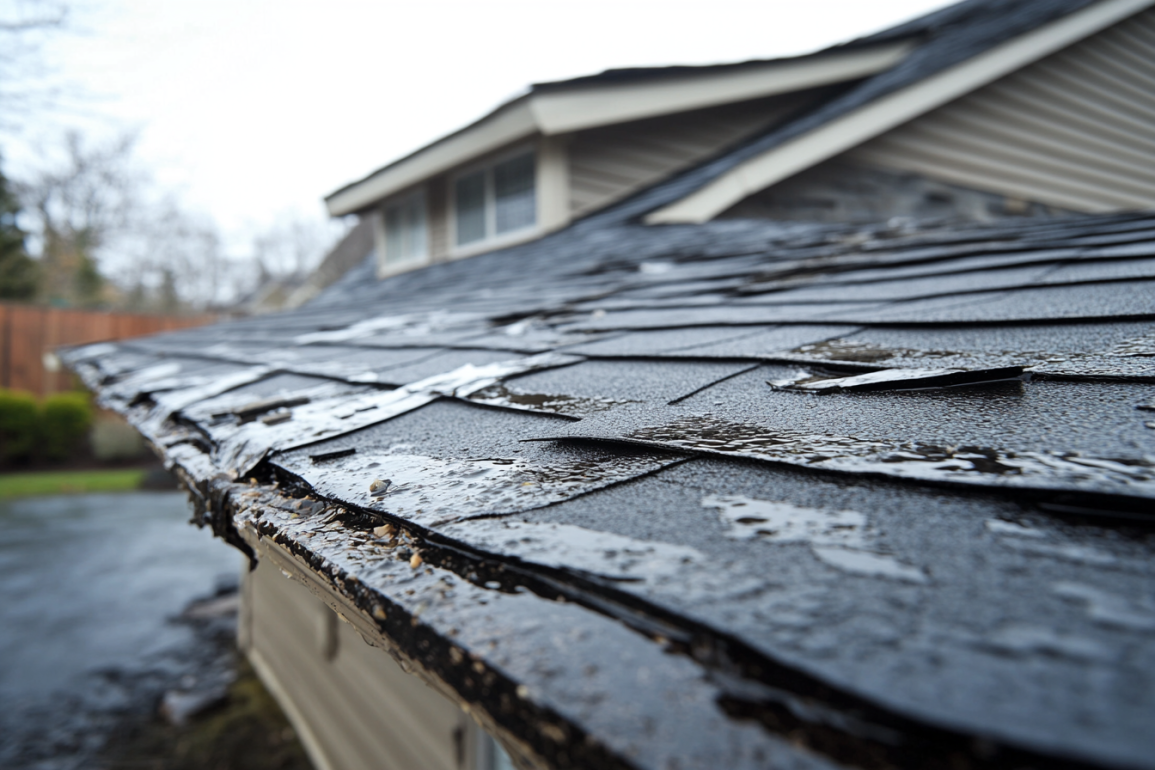
- Regular Inspections: Check for damage, such as missing or cracked shingles, biannually or after major storms.
- Clean Gutters: Keeping gutters clear prevents water from backing up and damaging the roof.
- Trim Overhanging Branches: Branches can scrape against shingles and cause wear, so keep trees trimmed.
- Address Moss and Algae Growth: Use a roof-safe cleaning solution to prevent moss and algae from trapping moisture on the roof surface.
- Professional Inspections: Hire a licensed roofer annually to detect and address issues that may not be visible from ground level.
Frequently Asked Questions
Roofing System Replacement and Installation Costs
Replacing a roofing system is a significant investment, with costs influenced by several key factors, including the choice of materials, roof size, labor, and additional features. Here’s a breakdown of what affects roofing replacement costs and some essential tips for installation.
- Materials: Asphalt shingles cost $3 to $6 per square foot, while metal and tile can range from $7 to $30 per square foot.
- Labor: Labor costs depend on the roof’s size, pitch, and location, typically ranging from $1.50 to $4 per square foot.
- Roof Size and Complexity: Larger or more complex designs require additional materials and labor.
- Removal and Disposal: Old roofing materials must be removed and disposed of, adding $1-$2 per square foot to the cost.
- Additional Features: Enhanced insulation, ridge vents, and gutters add upfront costs but improve long-term energy efficiency and protection.
Installation Tips
To ensure a successful roofing replacement, obtain multiple quotes from licensed roofing contractors and ask about warranties on both materials and labor. A well-established contractor will assess your roof, provide an itemized estimate, and outline the project timeline. Proper installation by a qualified professional is crucial for maximizing your roof’s lifespan and performance, making it well worth the investment to hire an experienced roofer.

Frequently Asked Questions
Roofing Repair Costs and What to Expect
Roof repairs are typically less expensive than full replacement, but costs can still vary depending on the type of damage, roofing material, and accessibility of the affected area. Understanding what drives repair costs can help homeowners budget appropriately and decide when repairs are a smart solution versus a temporary fix.
Key factors that influence roof repair costs include:
- Type of repair needed: Simple fixes like replacing a few shingles or sealing flashing cost less than structural repairs or widespread leak remediation.
- Roofing material: Asphalt shingle repairs are generally the most affordable, while tile, slate, and metal repairs tend to cost more due to materials and specialized labor.
- Extent and location of damage: Isolated damage is easier and cheaper to fix, while issues near valleys, chimneys, or skylights often require more labor.
- Labor and access: Steep roofs, multi-story homes, or limited access can increase labor costs.
- Urgency: Emergency repairs after storms or active leaks may carry higher costs due to expedited service.
On average, homeowners can expect roof repair costs to range from $380 to $1,750, though minor fixes may cost less and extensive repairs can exceed this range.
Tips for Successful Roof Repairs
When addressing roof issues, timing and professional assessment matter. Even small problems can worsen quickly if left untreated.
- Address leaks or visible damage as soon as possible to prevent interior water damage.
- Hire a licensed roofing contractor who can identify underlying issues, not just surface damage.
- Ask whether the repair comes with a workmanship warranty and how long it’s expected to last.
- If repairs are recurring, request an evaluation to determine whether replacement may be more cost-effective long term.
A well-executed repair can extend the life of your roof by several years—especially when performed early and correctly.
How to Choose the Right Roofing Contractor
When it comes to replacing or installing a roof, choosing a reputable roofing contractor is essential. Here are some key points to consider:
- Get Multiple Quotes: Don’t settle for the first quote you receive. Gather quotes from several contractors to compare prices, services, and timelines. Reviewing multiple options allows you to make an informed choice based on budget and project needs.
- Compare Quotes Carefully: Ensure that each quote includes the same items, such as the cost of materials, labor, permits, and any additional fees. A comprehensive quote will outline all expected expenses and prevent unexpected charges during the project.
- Vet the Contractor: Ask potential contractors about their experience with roofing projects similar to yours, and request references you can contact. Verifying the contractor’s track record will give you confidence in their quality of work.
- Look for a Licensed and Insured Contractor: Licensing and insurance are essential for protecting both you and the contractor. Make sure the contractor is licensed in your state and carries general liability and workers’ compensation insurance. This can safeguard you from liability if an accident occurs during the installation.
- Be Cautious of Large Upfront Payments: Reputable roofing contractors typically require a small deposit, not a large upfront payment. Be wary of any contractor who asks for a significant payment before starting the project, as this can be a red flag.
- Ask About Warranties: Confirm that the contractor offers warranties on both labor and materials. A quality roofing contractor will stand by their work and provide a warranty that covers repair or replacement should any issues arise post-installation.
Frequently Asked Questions
Costs, Rebates, and Environmental Impact of Roofing Systems
When investing in a roofing system, financial and environmental considerations can play a crucial role. The cost of a new roof varies widely depending on materials, labor, and additional features, with the average replacement ranging from $5,000 to $15,000. For those looking to reduce upfront costs, financial incentives like rebates and tax credits may be available for installing energy-efficient roofing systems. Many states, utilities, and federal programs offer incentives for eco-friendly roofs, particularly those with reflective or insulating properties that reduce heat absorption.
Environmentally friendly roofing options can also make a significant impact on your home’s energy efficiency and carbon footprint. Materials like metal, slate, and certain asphalt shingles are considered sustainable, as they offer durability and often contain recycled content. Options such as solar shingles combine roofing with energy generation, further reducing your home’s reliance on the grid. Cool roofs, which reflect more sunlight and absorb less heat, are another eco-conscious choice that can reduce cooling costs in warmer climates. By selecting a sustainable roofing option, you can save on energy bills and contribute to a healthier environment.
Frequently Asked Questions
Ready to get your project started?
Let us find the best Roofing pros in your area, then easily request quotes, book a contractor, and get the job done. It’s that easy.

Homeowner Resources
Here are the top articles that homeowners found useful when planning their Roof project and navigating the contractor hiring process.

Real Stories, Real Success
See how our solutions empower homeowner projects and experiences.