HVAC
How Much Does a New Furnace Cost in California?
Average Cost: $4,500 – $9,000
You’ll typically pay $6,500 for a furnace replacement in California. While furnaces see minimal use in most of the state’s mild climate, installation and labor costs run higher than the national average. Your final price depends on furnace type, efficiency level, local labor rates, and whether you need ductwork adjustments.
Find the best HVAC contractors in your area.

The Modernize Mission
We help homeowners make confident decisions through our reliable, up-to-date, and unbiased information and average project costs. All of our content is thoroughly reviewed and fact-checked by our team of home improvement experts. Learn more about how we maintain these values.
Table of Contents
- Furnace Replacement Costs in California
- Installed Furnace Cost in California
- Breakdown of Furnace Costs
- California Climate and Furnace Sizing
- Furnace Cost by City and Metro Area
- Furnace Repair vs. Replacement Costs
- California-Specific HVAC Considerations
- Energy-Efficient Furnaces and Annual Savings
- Home Heating Incentives and Rebates in California
- Codes and Permitting in California
- How Long Does a Furnace Last?
- Common Furnace Problems
- How to Prepare for Furnace Installation
- Furnace Maintenance Checklist
- Furnace Replacement FAQ
- Hiring Local Furnace Installers
- More Home Improvement Costs in California
- Final Takeaway
Furnace Replacement Costs in California
If you need a new furnace in California, you’ll pay between $4,500 and $9,000 for the furnace itself and installation. The reality is that most Cali homes don’t use their furnaces often. Your weather is mild, so heating isn’t necessary for the most part. That said, gas furnaces are the most common across California.
Installed Furnace Cost in California
Replacing a furnace in California follows the same process you’d go through in the rest of the country: removal of the old furnace, new furnace installation, and possible ductwork adjustments. California does require permits for all furnace replacements; plus, you need a licensed HVAC contractor for installation, so be sure to find a local pro for your project. California furnace installation prices by region in the table below.
| Furnace Type | Typical Size (BTU) | AFUE | Equipment | Install | Total Installed |
|---|---|---|---|---|---|
| Single-Stage Gas | 40–80k | 80–92% | $1,800–$2,800 | $3,000–$4,500 | $4,800–$7,300 |
| Two-Stage Gas | 60–80k | 90–96% | $2,400–$3,400 | $3,500–$5,200 | $5,900–$8,600 |
| Modulating/VS | 60–100k | 95–98% | $3,200–$4,400 | $3,800–$5,800 | $7,000–$10,200 |
Breakdown of Furnace Costs
California’s labor/installation costs are higher than most of the rest of the U.S., so a lot of what you’re paying for is labor. Here’s how this breaks down by percentage:
- The Furnace Itself: 40% to 50% of your total cost (depending on the brand and energy efficiency levels).
Here’s what you’re actually paying for when you install a new furnace in California.
- Furnace Unit: About 40–50% of the total cost, depending on efficiency and brand.
- Labor and Service Charges: Around 35–45% of your total, reflecting California’s high prevailing wage standards and licensing requirements ($100–$150 per hour typical).
- Permits, Removal, and Extras: Roughly 10–20%; California requires permits for all installations ($200–$600 depending on jurisdiction).
If ductwork repair or replacement is needed, you’ll probably pay an additional $300 to $800 per duct section.
California Climate and Furnace Sizing
California spans multiple IECC climate zones with dramatically different heating needs. Furnace sizing depends less on outdoor winter temperature and more on how many days per year heating is actually required.
| Region | IECC Zone | Annual HDD | Coldest Cities | Typical Furnace BTU |
|---|---|---|---|---|
| Coastal/Bay Area (San Francisco, San Diego) | 3B | ~2,000–2,700 | San Francisco, Oakland, Monterey | 40–60k |
| Central Valley (Sacramento, Fresno) | 2B/3B | ~2,300–2,800 | Sacramento, Modesto, Bakersfield | 40–80k |
| Southern California (Los Angeles, Inland Empire) | 2B | ~1,200–1,800 | Los Angeles, Long Beach, San Bernardino | 30–60k |
| Mountain/High Desert (Mammoth, Lake Tahoe) | 5A | ~7,000–8,500 | Lake Tahoe, Mammoth Lakes, Big Bear | 80–120k |
HDD (Heating Degree Days) measures annual heating demand; California averages 1,200–8,500 depending on region, with most populated areas running 1,200–2,800 (comparable to Texas’s mild zones).
Furnace Cost by City and Metro Area
Furnace replacement costs vary significantly across California based on local labor rates, market competition, regional climate demands, and permit requirements. The table below shows typical installed furnace replacement costs for 10 major California metros as of October 2026.
| Metro/City | Low | Typical | High | Region Notes |
|---|---|---|---|---|
| Los Angeles | $4,800 | $6,500 | $8,200 | Largest market; higher demand; widespread attic installations |
| San Diego | $4,600 | $6,300 | $8,000 | Coastal mild climate; minimal heating season; high labor rates |
| San Francisco | $5,200 | $7,000 | $8,800 | Bay Area; highest labor and permitting costs in state; competitive market |
| Sacramento | $4,400 | $6,000 | $7,600 | Central Valley; moderate climate; lower labor than coastal |
| Fresno | $4,200 | $5,700 | $7,200 | Central Valley; lower cost than northern regions; competitive pricing |
| Long Beach | $4,900 | $6,600 | $8,300 | LA metro; coastal; higher labor than inland |
| San Bernardino | $4,500 | $6,200 | $7,800 | Eastern LA metro; slightly lower labor than coastal LA |
| San Jose | $5,100 | $6,900 | $8,700 | Silicon Valley; high labor rates; competitive contractor market |
| Bakersfield | $4,000 | $5,400 | $6,900 | South Central Valley; most affordable California option |
| Lake Tahoe | $5,400 | $7,200 | $9,000 | Mountain region; coldest climate; highest HDD; remote area premiums |
Methodology: Based on California-specific HVAC contractor pricing data, MSRP bands, and local prevailing wage requirements, adjusted for regional labor rates and climate loads. Ranges reflect standard 80–92% AFUE gas furnace replacement with existing ductwork in good condition. Costs include furnace unit, professional installation, old unit removal, and required permit. Exclusions: major ductwork replacement, electrical upgrades, or asbestos abatement.
Why costs vary by location
- Labor rates and prevailing wages: Coastal markets (San Francisco, LA, San Diego) run significantly higher than inland regions. Valley areas like Bakersfield and Fresno offer more competitive pricing. Licensed contractor requirements add cost across the state.
- Climate and equipment sizing: Mountain regions (Lake Tahoe, Mammoth) require larger, more robust systems due to heavy snow and cold winters. Coastal and Southern California need minimal heating capacity but demand corrosion-resistant equipment.
- Permit requirements and timelines: California requires permits for all furnace replacements. Permitting timelines and fees vary by jurisdiction ($200–$600). Bay Area and LA metro permits often take longer and cost more.
- Urban vs. rural: Major metropolitan areas run 10–20% above statewide average due to higher demand and labor costs. Remote mountain regions add travel and service call premiums (50+ miles may incur $100–$300 trip fees).
Furnace Repair vs. Replacement Costs
A simple furnace repair may be the right choice if your system is relatively new. But if your furnace is nearing the end of its 15- to 30-year lifespan, replacement is often more cost-effective.
- Average Repair: $400 to $1,500
- Replacement: $4,500 to $9,000+
A common rule of thumb: If repair costs are more than one-third of replacement costs, especially on a unit older than 15 years, replacement is usually the better choice.
California-Specific HVAC Considerations
Several factors unique to California affect furnace installation and performance:
- Attic Installation: Over 80% of California homes have HVAC equipment in the attic. Equipment in unconditioned attics experiences temperature extremes, reducing efficiency and lifespan. Many contractors recommend additional duct insulation (R-8 or higher) in attics to minimize heat loss.
- Coastal Corrosion: Homes within 5 miles of the ocean experience salt air corrosion. Copper tubing and aluminum fins are vulnerable. Specialists recommend stainless steel or epoxy-coated components, which add $500–$1,500 to system cost.
- Licensed Contractor Requirements: California requires all HVAC work to be performed by licensed contractors. This adds 15–25% to labor costs compared to non-license-required states.
- Title 24 Compliance: California’s energy code (Title 24) requires high-efficiency equipment and controls. Standard furnaces must meet stricter efficiency standards than federal minimums, increasing equipment cost by $200–$800.
- Minimal Heating Season: Most of California has a short heating season (3–4 months). Unlike colder states, furnaces see limited use, affecting payback periods on high-efficiency models.


Energy-Efficient Furnaces and Annual Savings
Furnace efficiency is measured by AFUE (Annual Fuel Utilization Efficiency). Upgrading to a high-efficiency model may save on operating costs, though California’s mild climate limits annual heating days.
- Older Systems: Often 65% to 75% AFUE
- Standard New Furnaces: 80% to 92% AFUE (Title 24 minimum)
- High-Efficiency Furnaces: 95% to 98%+ AFUE
Upgrading from a 75% AFUE furnace to a 95% AFUE model could save $75–$150 annually in gas costs for a typical California home in mild climate zones, assuming $1.20 per therm. In mountain regions with longer heating seasons, savings could reach $200–$300 annually. Higher-efficiency units cost more upfront, so calculate ROI against the cost difference in your region.
Home Heating Incentives and Rebates in California
California offers several utility rebates and state incentives for high-efficiency HVAC upgrades. Availability and amounts vary by utility provider and region.
- California Energy Commission (CEC) Rebates: Through local utility programs, rebates for high-efficiency furnaces typically range from $100 to $500. Eligibility varies by service territory. Check your local utility’s website for current offerings.
- Southern California Edison (SCE) and Southern California Gas Company: Offer rebates up to $300 for high-efficiency gas furnaces in their service areas. Requirements include ENERGY STAR certification and installation by licensed contractor.
- PG&E (Pacific Gas & Electric): Provides rebates of $150–$400 for qualifying high-efficiency furnaces in Northern and Central California. Must meet Title 24 standards and be installed by licensed contractor.
- Local Utility Rebates: Many smaller municipal utilities offer furnace rebates. Contact your local utility directly for current programs and eligibility requirements.
Check with your utility provider or local municipality to confirm current rebate eligibility and requirements. Most programs require installation by a licensed contractor and submission of documentation within 60–90 days of completion.
Codes and Permitting in California
California requires permits for all furnace replacements, even like-for-like swaps. The state follows Title 24 (California Energy Code) and local building codes. Permitting typically costs $200–$600 depending on jurisdiction and can add 2–4 weeks to project timeline. Your contractor usually handles permitting as part of the job, but confirm before signing the estimate.
How Long Does a Furnace Last?
Most forced-air furnaces last 15 to 30 years with regular maintenance. California’s mild climate can extend lifespan compared to harsh winters in other states. To check your furnace’s age, find the model and serial number on the inside of the chamber door and contact the manufacturer. Systems in unconditioned attics may experience shortened lifespans due to temperature swings.
Common Furnace Problems
Even with maintenance, furnaces can develop issues:
- Clogged condensate drain: In humid coastal regions, algae and debris block the drain line.
- Dirty filters: Restrict airflow and strain the blower motor.
- Faulty thermostats: Cause short cycling or no heat.
- Corrosion damage: Salt air in coastal areas accelerates component deterioration.
- Blower motor or limit switch issues: Cause overheating or constant running.
If your furnace isn’t working properly, call a licensed HVAC contractor to avoid safety risks or costly damage.
How to Prepare for Furnace Installation
Make the installation process smoother by preparing your home:
- Clear clutter around the furnace area so installers have easy access.
- Remove valuables and fragile items from the work zone.
- Plan for a new thermostat; have touch-up paint ready if needed for wall patches.
Most furnace replacements take one day, but complex installs or ductwork changes may take longer. Permit delays can add 2–4 weeks before installation begins.
Furnace Maintenance Checklist
Extend your furnace’s lifespan and improve efficiency with annual maintenance:
- Replace or clean filters every 1 to 3 months (more often in dusty areas).
- Check thermostat batteries and settings before heating season.
- Schedule a professional tune-up before winter.
- Inspect vents and ducts for leaks or blockages.
- Test carbon monoxide detectors.
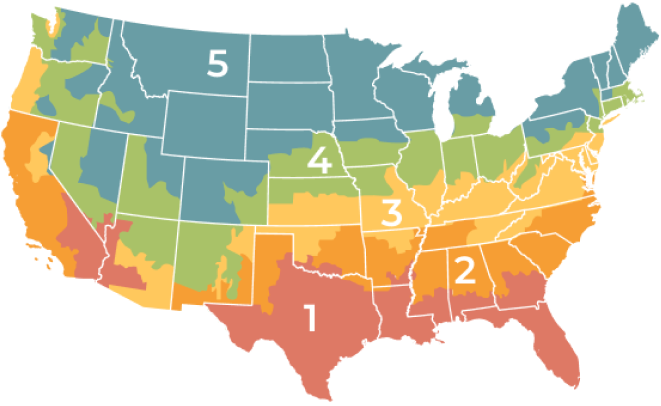
Furnace Size Calculator
Select your home’s climate zone to get started.
Furnace Replacement FAQ
How much does it cost to replace a furnace for a 2,000-square-foot house in California?
Expect to pay $5,200 to $8,500 for a properly sized furnace in a home this size. The cost depends on efficiency level, whether your home has existing ductwork in good condition, local labor rates, and permit fees. Coastal areas typically run higher than inland regions. Mountain areas run highest due to climate and remote location premiums.
How much should I budget for a new furnace in California?
Budget $4,500 to $9,000 to cover the furnace unit, labor, required permits, and minor ductwork adjustments. California’s licensing requirements and Title 24 compliance add cost compared to other states. High-efficiency models may cost more upfront but can lower operating costs over time.
Is a high-efficiency furnace worth the cost in California?
A high-efficiency furnace (95%+ AFUE) costs $1,500–$2,500 more than standard efficiency. In mild climate zones (most of California), annual savings may be only $75–$150, making payback 10–20 years. In mountain regions with longer heating seasons, the case is stronger with potential savings of $200–$300 annually. Consider your utility rates, local rebates, and how long you plan to own your home.
Do I need a permit for furnace replacement in California?
Yes, California requires permits for all furnace replacements, even like-for-like swaps. Permits typically cost $200–$600 and require installation by a licensed contractor. Your contractor usually handles permitting, but confirm before signing your estimate. Permit processing typically takes 2–4 weeks.
Hiring Local Furnace Installers
Choosing the right contractor is as important as choosing the right furnace. In California, all contractors must be licensed. Protect your investment by asking the right questions:
- Verify the contractor holds a current California HVAC (C-20) license.
- Get at least three bids and avoid selecting solely on lowest cost.
- Request a detailed estimate with model numbers, sizing calculations, and timelines.
- Ask who handles permitting and associated fees.
- Confirm they perform a Manual J load calculation to size your furnace correctly per Title 24.
- Insist on name-brand equipment with reliable warranties.
- For attic installations, ask about additional duct insulation to minimize heat loss.
More Home Improvement Costs in California
- Roof repair cost in California
- Gutter installation cost
- California foundation repair cost
- Heat pump cost California
- How much do new windows cost in California?
Final Takeaway
A new furnace is a major purchase, but the right unit can deliver comfort, energy savings, and peace of mind for decades. California’s energy code and licensing requirements make professional installation essential. Whether you choose a standard or high-efficiency gas furnace or plan to upgrade to a heat pump, work with a licensed contractor who can help size, install, and maintain your system correctly for California’s diverse climate zones. Modernize can connect you with pre-vetted local HVAC professionals, so you can compare quotes, explore financing, and find the right partner for your furnace replacement.