HVAC
Types of Heating Systems: How, Who, What & Where
Home heating is far more than a comfort feature — it’s a core component of how your home functions, feels, and consumes energy. Each system uses a different method to generate and distribute thermal energy, and choosing the right one can dramatically affect your comfort, utility bills, and long-term maintenance needs.
Below, we break down the ten most common types of home heating systems in North America, highlighting how they operate, who they work best for, and who may want to steer toward other options.
Find the best heating pros near you.

The Modernize Mission
We help homeowners make confident decisions through our reliable, up-to-date, and unbiased information and average project costs. All of our content is thoroughly reviewed and fact-checked by our team of home improvement experts. Learn more about how we maintain these values.
Table of Contents
- Understanding Whole-Home Heating
- Quick Picks: The Best Heating System for Your Home
- 1. Forced Air Heating Systems
- 2. Boiler and Radiator Systems
- 3. Heat Pump Systems
- 4. Ductless Mini-Split Heat Pumps
- 5. Electric Resistance Heating
- 6. Hot Water Baseboard Heating
- 7. In-Floor Radiant Heating
- 8. Hybrid Heating Systems
- 9. Wood and Pellet Heating Systems
- 10. Gravity Furnace Heating Systems
- Types of Heating Systems Ranked by Energy Efficiency
- Frequently Asked Questions About Heating Systems
- Closing Thoughts
Understanding Whole-Home Heating
Before diving into each heating system type, it helps to understand the core categories of heating. Some systems warm the air, some warm water, and some warm surfaces and objects. Homeowners often choose based on their home’s construction, age, regional climate, and whether they need integrated cooling or standalone heat.
Many heating systems today integrate into HVAC — heating, ventilation, and air conditioning — giving homeowners year-round climate control from a single setup.
Quick Picks: The Best Heating System for Your Home
Choosing the right heating system depends on your climate, budget, and how your home is built. Use these quick-reference cards to narrow down the best heating types based on your climate, home layout, and comfort preferences.
Most Energy-Efficient Overall
- System: Geothermal Heat Pump
- Best For: Homeowners seeking the lowest long-term energy costs.
- Why Choose It: Pulls heat from underground for unmatched efficiency and extremely low operating costs.
Best for Homes Without Ductwork
- System: Ductless Mini-Split Heat Pump
- Best For: Older homes, additions, and spaces without ducts.
- Why Choose It: Provides heating and cooling with efficient, customizable room-by-room control.
Best for Mild or Moderate Climates
- System: Air-Source Heat Pump
- Best For: Southern and coastal U.S. regions.
- Why Choose It: Extremely efficient heating and cooling in one system; low annual energy use.
Best for Cold Climates
- System: Gas Furnace or Boiler/Radiators
- Best For: Long, freezing winters.
- Why Choose It: Produces strong, reliable heat output when temperatures drop below freezing.
Most Affordable Installation
- System: Electric Resistance Heating
- Best For: Small rooms, basements, and supplemental heat.
- Why Choose It: Low upfront cost and simple installation without ducts or special equipment.
Best for Off-Grid or Rural Homes
- System: Wood or Pellet Stove
- Best For: Areas with easy access to wood or pellets.
- Why Choose It: Offers dependable heat during outages and low fuel costs over time.
Best for Consistent, Luxurious Comfort
- System: In-Floor Hydronic Radiant Heating
- Best For: New construction or whole-home remodels.
- Why Choose It: Delivers steady, draft-free warmth underfoot and throughout the home.
1. Forced Air Heating Systems
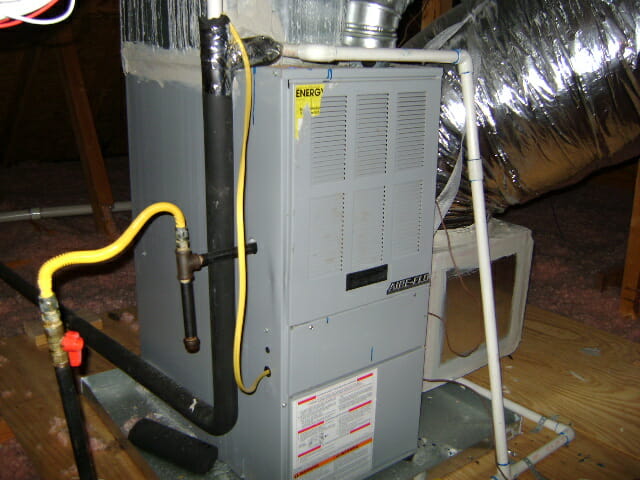
Forced air heating is a system that uses a furnace and blower fan to warm and distribute air throughout a home via ducts and registers.
How It Works
A forced air system creates heat by burning natural gas, propane, fuel oil, or by using electric heating elements. Once the air is heated inside the furnace cabinet, a powered blower fan forces it through a supply duct network to each room. As the air cools, it travels back through return ducts to be reheated. This constant circulation creates rapid temperature changes and allows air conditioning equipment to use the same ductwork and blower.
Who Should Consider
Homeowners who want both heating and cooling in a single system often find forced air ideal. It’s especially suitable for homes that already have ducts in place, or homeowners planning a major HVAC upgrade, as the system can support add-ons such as filtration, whole-home humidifiers, and high-efficiency furnaces.
Who Should Avoid
Homes without ductwork — or those with very limited wall and attic space — may find the required duct installations disruptive and expensive. People with allergies or sensitivities to airborne particulates may also want to avoid forced air unless high-quality filtration is added, as the constant air movement can circulate dust and allergens.
Pros
- Fast temperature adjustment
- Works with AC systems
- Supports advanced filtration and humidity add-ons
Cons
- Requires ductwork
- Can create dry air
- May circulate allergens
2. Boiler and Radiator Systems
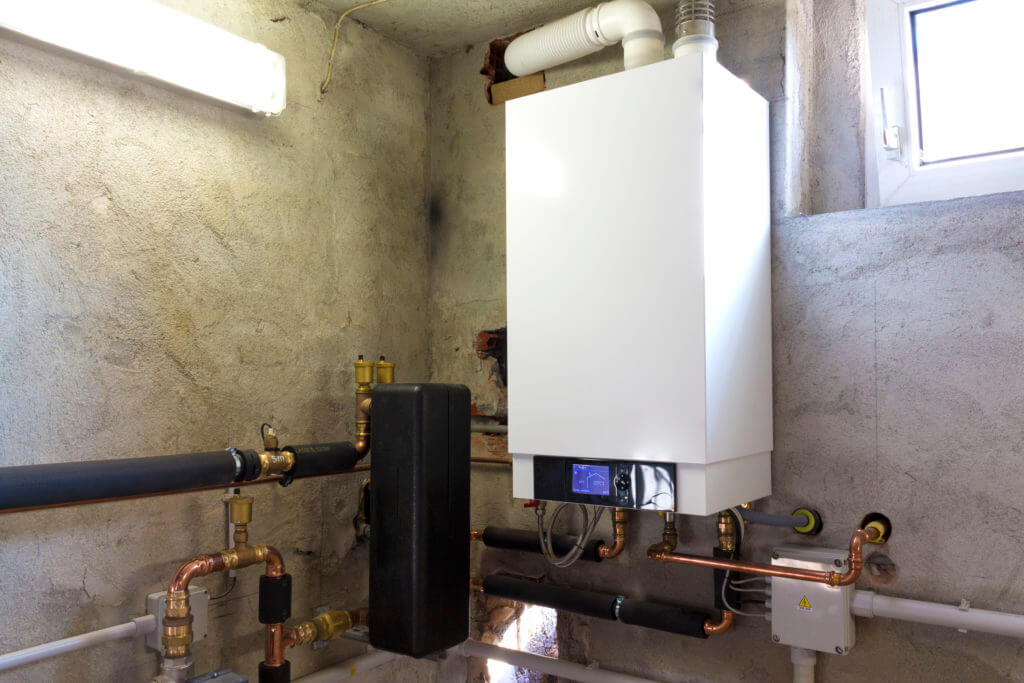
Boiler and radiator systems heat a home by warming water or producing steam in a central boiler and distributing it to radiators or wall panels.
How It Works
A boiler heats water using gas, oil, or electricity. In hot-water systems, the water circulates through pipes to radiators, where heat radiates into the room. In steam systems, steam rises naturally through pipes until it cools, condenses, and returns to the boiler. Modern systems use pumps for precise circulation, while older systems may rely on gravity flow.
Who Should Consider
This system works well for homeowners who want quiet, consistent heating with little reliance on moving air. Older homes already equipped with radiator piping often benefit from simple boiler upgrades rather than full HVAC overhauls. The system’s radiant heat is also appealing to those who prefer a gentler, less drying warmth.
Who Should Avoid
Homes needing cooling integration — or homeowners wanting rapid temperature changes — may struggle with boiler systems. Radiators take up wall space and can interfere with furniture layouts, which may be a drawback for design-focused homeowners.
Pros
- Less drying than forced air
- Long-lasting system components
- Quiet, steady heat
Cons
- Radiators occupy wall space
- No AC integration
- Slow response time
3. Heat Pump Systems
A heat pump is a highly efficient electric heating system that transfers heat rather than generating it, working similarly to an air conditioner in reverse.
How It Works
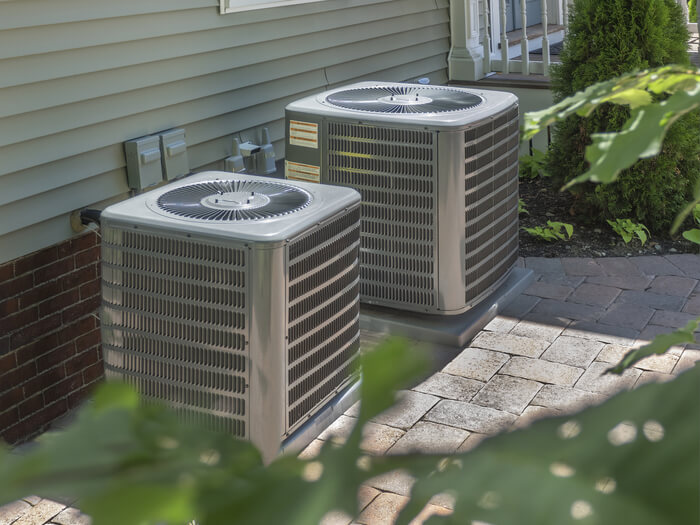
Air-source heat pumps absorb heat from outdoor air — even in cool temperatures — and transfer it indoors using refrigerant. The indoor unit blows air across warmed coils and circulates it throughout the home. Ground-source (geothermal) heat pumps work similarly but pull heat from underground loops where temperatures are more stable year-round. Because they move heat instead of producing it, heat pumps deliver two to three times more energy than they consume.
Who Should Consider
Homeowners in temperate regions who want a single system for both heating and cooling often find heat pumps ideal. They are well suited for energy-conscious households, all-electric homes, and homeowners interested in reducing fossil fuel use. Geothermal systems especially appeal to those planning long-term investments with high efficiency returns.
Who Should Avoid
Homes in very cold climates without supplemental heating may find standard air-source pumps insufficient during prolonged freezes. Installation can require professional expertise and higher upfront costs, making them less appealing for homes needing quick or low-budget upgrades.
Pros
- Highly energy-efficient
- Provides heating and cooling
- Reduces reliance on fossil fuels
Cons
- Less effective in extreme cold
- Higher upfront costs
- Requires professional installation
4. Ductless Mini-Split Heat Pumps
A ductless mini-split is a heat pump system that uses small indoor air handlers to condition individual rooms without ducts.
How It Works
An outdoor compressor draws heat from the outside air and sends it to compact indoor units connected by refrigerant lines. Each indoor unit conditions a specific room or zone, allowing homeowners to control temperatures independently. Because no ducts are required, minimal energy is lost in distribution.

Who Should Consider
Mini-splits are ideal for older homes without ducts, room additions, garages, or households wanting customizable comfort in different rooms. Their high efficiency and ability to heat and cool make them a strong alternative to window units or space heaters.
Who Should Avoid
Homeowners who dislike the look of wall-mounted units may be hesitant to install multiple air handlers. Renters or those unable to make structural changes will also find mini-splits impractical.
Pros
- No ductwork needed
- Highly energy-efficient
- Independent room control
Cons
- Higher upfront cost per zone
- Indoor units remain visible
- Requires professional installation
5. Electric Resistance Heating
Electric resistance heating uses electric current to generate heat through baseboards, wall heaters, or radiant panels.
How It Works
When electricity flows through a metal heating element, it encounters resistance — creating heat. Baseboard heaters warm the surrounding air, which rises to heat the room through convection. Wall and ceiling radiant panels emit directed heat toward surfaces and people, warming them directly rather than only heating the air.

Who Should Consider
Homeowners needing targeted comfort — such as in home offices, basements, or guest rooms — often find electric resistance heating practical. These systems install easily and require no ducts, pumps, or external equipment, making them ideal for room-by-room solutions.
Who Should Avoid
Because electricity costs are often higher than gas or heat pump operation, whole-home use can become expensive. Older homes with limited electrical capacity may also struggle to support multiple units.
Pros
- Simple installation
- Low maintenance
- Ideal for supplemental heat
Cons
- High operating cost
- Inefficient for whole-home use
- May overload older electrical systems
6. Hot Water Baseboard Heating
Hot water baseboard heating is a hydronic system that uses wall-mounted baseboard units to radiate heat from boiler-heated water.
How It Works
A boiler heats water and circulates it through narrow copper pipes encased in low-profile baseboard housings. Inside each unit, metal fins increase surface area and help transfer heat into the room. As the air nearest the baseboard warms and rises, cooler air sinks toward the unit, creating natural convection without the need for fans.
Who Should Consider
Homeowners who want the benefits of radiant heat without large radiators often prefer baseboard systems. They’re quiet, efficient, and relatively low-maintenance. They work especially well in smaller homes or in spaces where consistent, gentle heat is desirable.
Who Should Avoid
Rooms with limited wall space — or homeowners who frequently rearrange furniture — may find baseboard units restrictive. Because they rely on slow convection, they also may not suit families needing fast morning warm-ups in colder climates.
Pros
- Energy-efficient
- Quiet and low-maintenance
- Smaller footprint than radiators
Cons
- Blocked units reduce performance
- Slower heating
- No integrated cooling
7. In-Floor Radiant Heating
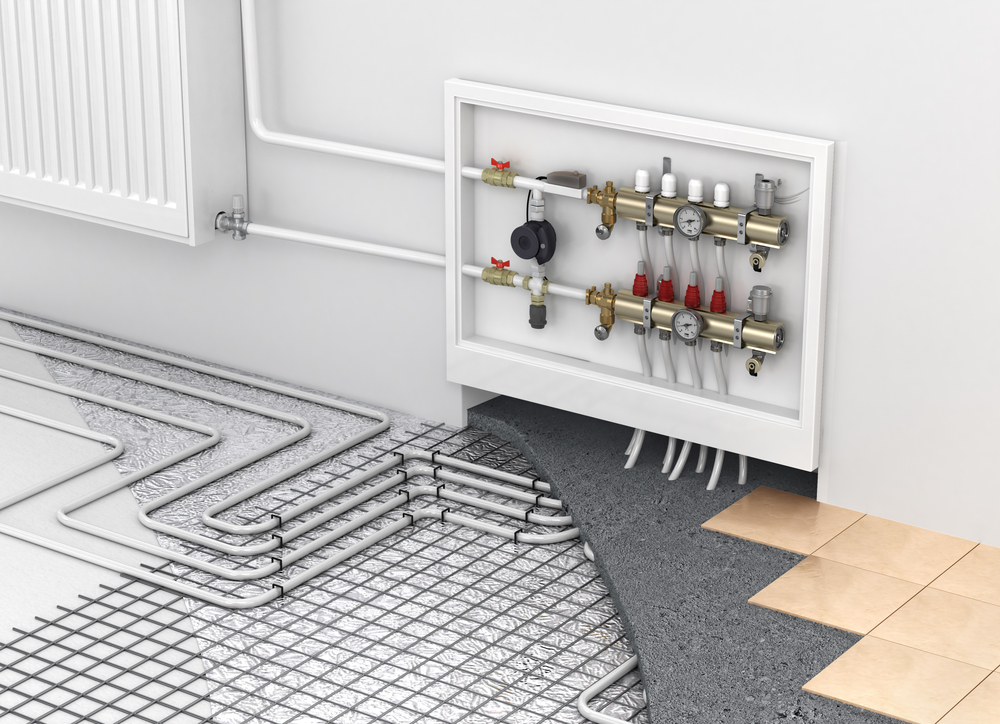
In-floor radiant heating is a system that warms floors using hydronic tubing or electric coils installed beneath the flooring surface.
How It Works
Hydronic systems heat water in a boiler and pump it through flexible tubing embedded in concrete slabs or attached beneath wood floors. As the water circulates, heat radiates upward and warms surfaces, furnishings, and eventually the air. Electric radiant systems work similarly but use heating cables instead of water. Both rely on slow, steady heat transfer rather than pushing warmed air through ducts.
Who Should Consider
Homeowners who value silent operation, consistent warmth, and a draft-free environment often prefer radiant systems. They’re excellent for homes with open floor plans, high ceilings, or materials like tile or stone that tend to feel cold underfoot. Radiant systems also appeal to those pursuing energy efficiency or integrating solar thermal heating.
Who Should Avoid
Because radiant systems change temperature gradually, they aren’t ideal for homeowners who frequently adjust their thermostat or want immediate heat. They also involve higher installation costs and may require flooring modifications, making them less suited for small-scale renovations or budget-sensitive projects.
Pros
- Even, comfortable heat
- Quiet and energy-efficient
- Compatible with renewable energy sources
Cons
- Slow to heat up
- High installation cost
- Repairs can be difficult due to hidden components
8. Hybrid Heating Systems
A hybrid system pairs a heat pump with a gas furnace to balance energy efficiency with consistent heating in cold temperatures.
How It Works
The heat pump operates during moderate temperatures, providing efficient electric heat. When outdoor temperatures drop below a programmed threshold, the system automatically switches to the gas furnace for stronger heat output. This balance allows the home to rely on low-cost, efficient heat most of the time while still ensuring reliable warmth during cold snaps.
Who Should Consider
Homeowners in regions with wide temperature swings benefit most from hybrids. These systems are ideal for those who want efficiency without sacrificing comfort on very cold days. They’re particularly advantageous for households transitioning from fuel-based heating to more electric systems slowly.
Who Should Avoid
In regions with consistently warm winters, a hybrid system may be unnecessary. Homes without gas lines or those aiming to eliminate fossil fuels entirely may also prefer a traditional heat pump instead.
Pros
- Uses the most efficient heating source year-round
- Reliable performance in all temperatures
- Reduces gas usage
Cons
- Higher installation cost
- Requires gas and electric infrastructure
- Two systems need upkeep
9. Wood and Pellet Heating Systems
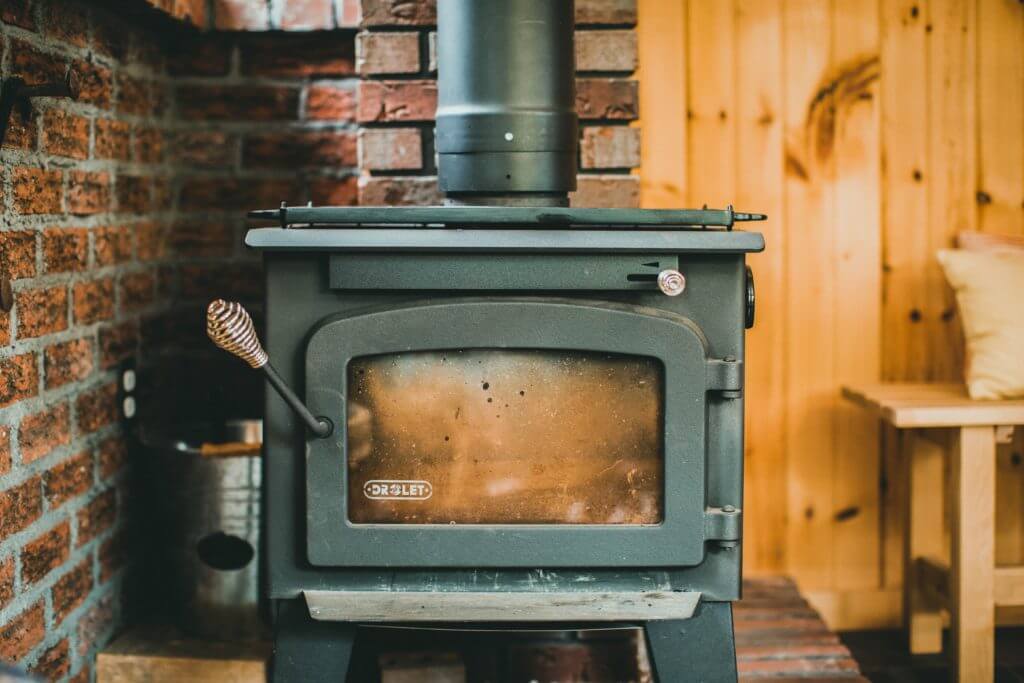
Wood and pellet heating systems burn wood logs or compressed pellets to produce radiant heat through stoves, furnaces, or masonry heaters.
How It Works
Wood stoves and masonry heaters burn logs directly, producing radiant heat that warms nearby surfaces and air. Pellet stoves feed compressed pellets into a burn pot using a mechanical auger, creating consistent heat with less manual tending. Outdoor wood boilers heat water outside the home and pump it indoors for distribution through radiators or hydronic systems.
Who Should Consider
Homeowners with access to inexpensive or abundant wood supplies may find these systems extremely cost-effective. They appeal to those who prefer energy independence or want reliable heat during power outages (wood stoves require no electricity).
Who Should Avoid
Those living in urban areas with air-quality regulations or homeowners unwilling to manage fuel storage and ash cleanup may find these systems cumbersome. Pellet stoves also require electricity, which may be a drawback during outages without a generator.
Pros
- Low fuel cost
- Works during power outages (wood stoves)
- Long system lifespan
Cons
- Requires regular tending
- Potential smoke emissions
- Pellet stoves need electricity
10. Gravity Furnace Heating Systems
A gravity furnace is an older heating system that relies entirely on natural convection — warm air rising and cool air sinking — rather than fans or blowers.
How It Works
A gravity furnace, usually located in a basement, heats large volumes of air with natural gas, oil, or propane. Because warm air naturally rises, it travels upward through oversized ducts into living spaces. As the air cools, it drops toward cold-air returns and flows back down to the furnace for reheating. Since no blower fan is used, the system relies on slow but steady convection currents to distribute heat.
Who Should Consider
Homeowners with vintage homes may choose to keep an existing gravity furnace because the units are extremely durable and require little mechanical maintenance. Since there are no moving parts, the system tends to operate quietly and reliably for decades, making it appealing to those who prioritize simplicity over modern efficiency.
Who Should Avoid
Homeowners prioritizing energy efficiency or fast temperature changes may find gravity systems lacking. Because they warm and cool slowly, they aren’t ideal for larger families that frequently adjust their thermostat. Those planning renovations that require wall or duct changes may also find upgrading to a more modern system more practical long-term.
Pros
- Very durable
- Minimal mechanical maintenance
- Quiet, simple operation
Cons
- Low energy efficiency
- Slow temperature response
- No effective filtration
Types of Heating Systems Ranked by Energy Efficiency
| Heating System | Relative Efficiency | Cost to Operate | CO₂ Emissions | Installation Cost Range | Best For (Climate) | How It Generates Heat | Notes |
|---|---|---|---|---|---|---|---|
| Geothermal (Ground-Source) Heat Pump | Highest | $ | Very Low | $18,000 to $35,000 | Mild to very cold | Transfers heat from underground loops | Most efficient heating system; extremely low operating cost; high upfront investment. |
| Air-Source Heat Pump (Whole-Home System) | High | $ | Low to Moderate | $4,500 to $12,000 | Mild to moderate | Extracts heat from outdoor air | Efficient in moderate climates; performance drops in extreme cold unless cold-climate rated. |
| Ductless Mini-Split Heat Pump | High | $ | Low to Moderate | $2,000 to $14,500 (depending on number of zones) | Mild to moderate | Transfers heat to individual indoor units | No duct losses and zone control improve efficiency; ideal for homes without ducts. |
| In-Floor Hydronic Radiant Heating (High-Efficiency Boiler) | High | $$ | Moderate | $10,000 to $30,000 for whole-home hydronic floors | Mild to cold | Circulates hot water through floor tubing | Very comfortable, efficient distribution; best when installed during new builds or major remodels. |
| Hybrid System (Heat Pump + Gas Furnace) | Moderate | $$ | Moderate | $6,000 to $15,000 | Mixed climates with temperature swings | Heat pump handles mild temps; furnace takes over in cold | Balances efficiency with strong cold-weather output. |
| Hot Water Baseboard Hydronic Heating | Moderate | $$ | Moderate | $4,000 to $12,000 (plus boiler if needed) | Mild to cold | Boiler heats water for fin-tube radiators | Mid-range efficiency; quieter and more comfortable than forced air. |
| Boiler & Radiator (Steam or Hot Water) | Low to Moderate | $$$ | High | $7,000 to $15,000 | Cold climates | Central boiler produces steam or hot water | Steam systems are less efficient; hot-water systems perform better but still have higher fuel use. |
| Forced Air Heating (Gas or Electric Furnace) | Low | $$$ | Gas: High / Electric: Moderate to Very High | $5,000 to $10,000 | All climates | Burns fuel or uses electric elements | Common and versatile; efficiency limited by duct losses and combustion. |
| Electric Resistance Heating | Low | $$$$ | Moderate to Very High | $500 to $2,000 per room | Any climate as supplemental heat | Converts electricity directly into heat | Very high operating cost; best for spot heating or low-use spaces. |
| Wood & Pellet Heating Systems | Low | Wood: $ / Pellet: $$ | Wood: Very High / Pellet: Moderate | Wood stoves: $325 to $4,000; Pellet stoves: $1,000 to $3,100; Outdoor boilers: $6,000 to $20,000 | Cold rural climates | Burns logs or pellets | Pellet stoves burn cleaner; wood stoves offer off-grid heat but produce more particulates. |
| Gravity Furnace Heating System | Lowest | $$$$ | Very High | Not typically installed new; replacement requires $10,000 to $20,000 redesign | Cold climates in older homes (legacy systems only) | Heats air using natural convection | Extremely inefficient; typically kept only in historic homes unless replaced. |
Frequently Asked Questions About Heating Systems
What is the most cost-effective heating system to run?
Heat pumps — particularly geothermal and high-efficiency air-source models — are the most cost-effective systems to operate. They move heat rather than create it, allowing them to produce two to four times more heat energy than the electricity they consume. In cold climates, pairing a heat pump with a gas furnace (a hybrid system) helps maintain efficiency year-round.
Which heating system type lasts the longest?
Boilers, furnaces, and radiant systems generally have the longest lifespans, often lasting 20 to 30 years with proper maintenance. Geothermal systems can last even longer: ground loops often last 50+ years, while the indoor components last 20 to 25 years.
What is the most environmentally friendly heating option?
Geothermal heat pumps and air-source heat pumps have the lowest lifetime emissions, especially in regions with cleaner electrical grids. They do not burn fuel on-site and significantly reduce a home’s carbon footprint compared to gas or oil systems.
What is the best heating system for an older home?
If the home lacks ductwork, a ductless mini-split heat pump is usually the most efficient and least invasive option. For homes with existing boiler piping, upgrading the boiler may be more cost-effective than switching to an entirely new system.
Should I replace my heating system or repair it?
Generally, if your system is more than 15 years old, requires frequent repairs, or has rising utility bills, replacement may be more cost-effective long-term. Newer systems offer major improvements in energy efficiency, reliability, and indoor comfort — especially heat pumps, high-efficiency furnaces, and modern boilers.
Closing Thoughts
The right heating type can enhance your home’s comfort, reduce energy use, and support a healthier indoor environment. Whether you’re considering a highly efficient heat pump, a powerful furnace for cold winters, or a radiant system for maximum comfort, understanding how each option works helps you choose confidently. If you’re unsure which system best fits your home, an experienced HVAC professional can assess your layout, climate, and long-term goals to guide you toward the ideal solution.