Insulation
Insulation Removal Cost: A Homeowner Pricing Guide
Average Cost: $1,500 – $3,000
On average, most homeowners spend between $1,500 and $3,000 to have insulation removed. Your total cost will vary depending on factors like accessibility, insulation type, local labor rates, and project size.
Find the best insulation pros in your area.

The Modernize Mission
We help homeowners make confident decisions through our reliable, up-to-date, and unbiased information and average project costs. All of our content is thoroughly reviewed and fact-checked by our team of home improvement experts. Learn more about how we maintain these values.
Table of Contents
- How Much Does Insulation Removal Cost?
- What Affects the Cost of Insulation Removal?
- Insulation Removal Cost by Insulation Type
- Attic Insulation Removal Cost
- Wall and Crawl Space Insulation Removal Cost
- Additional Costs to Be Aware Of
- DIY vs. Professional Insulation Removal Cost
- Is Insulation Removal Worth the Cost?
- How to Save Money on Insulation Removal
- FAQs About Insulation Removal Cost
How Much Does Insulation Removal Cost?
Insulation removal costs between $1 and $3 per square foot, on average. Most homeowners spend between $1,500 and $4,500 for removing all the insulation in the attic.
Expect pricing to be calculated in one of three ways:
- Per square foot is common for attics and crawl spaces
- By insulation type is often used for spray foam insulation
- By total project is usually used for smaller jobs or partial removal
Keep in mind that these price ranges depend on several factors, including accessibility, insulation type, the size of the area, and the nuances of labor, equipment, and the like.
What Affects the Cost of Insulation Removal?
Several factors influence your insulation removal cost. Here’s what to expect.
Type of Insulation Being Removed
The type of insulation you choose will require different tools and expertise. A good rule of thumb is that the denser the insulation is, the more time and effort it will require to remove it. Here are some examples:
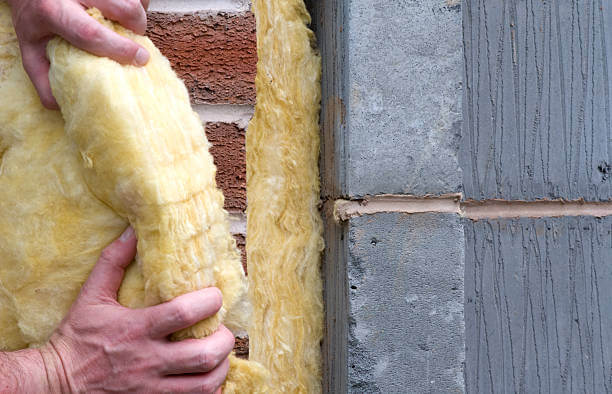
- Fiberglass batts are usually the least expensive. They can often be easily rolled up for disposal.
- Blown-in fiberglass or cellulose insulation requires vacuum equipment to remove.
- Spray foam insulation must usually be scraped away, which is labor-intensive and thus more expensive.
Size and Accessibility of the Area
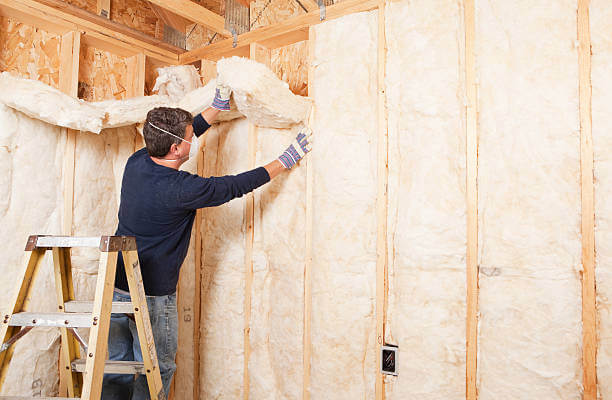
It might seem like a larger square area will cost more for insulation removal, but accessibility matters just as much when it comes to the price point. Expect to pay more for tight crawl spaces, wall cavities, limited entry points, and attics with low clearance. Homes with steep roof pitches or older framing might also cost more.
Condition of the Insulation
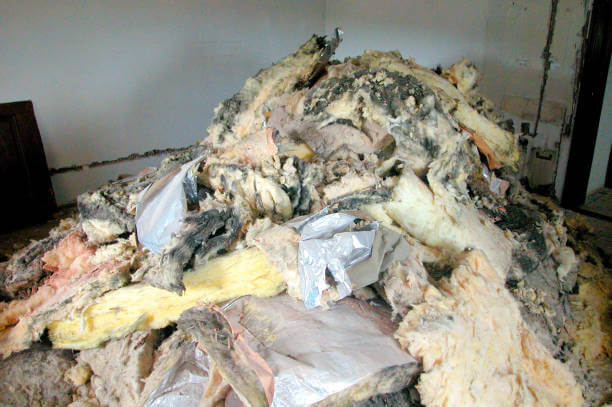
If your insulation is clean and dry, removal will be much more affordable. Prices go up when the insulation is wet or shows signs of damage from smoke, fire, or water. The same is true if the insulation is contaminated by pests and their droppings, or you see mold anywhere. These problems mean the contractor must use extra safety precautions, containment, and specialized disposal methods.
Insulation Removal Cost by Insulation Type
Keep in mind that every project is different and that these numbers are averages, not exact prices. That being said, here are the general cost ranges for removal by insulation type:
| Insulation Type | Price per square foot |
|---|---|
| Fiberglass Batts | $1 to $2 |
| Blown-in Fiberglass | $1.50 to $2.50 |
| Cellulose Insulation | $1.75 to $3 |
| Spray Foam Insulation | $3 to $6 or more |
Attic Insulation Removal Cost
Attic insulation removal generally costs between $1,500 and $4,500, depending on the size of the attic, the type of insulation, and how contaminated the insulation might be. Since attics are often exposed to heat, moisture, and pests, most contractors recommend full insulation removal before replacement.
The pricing of attic insulation removal is based on total square footage, the depth of the insulation, how easy it is to access the attic, and requirements for ventilation and dust control.
Wall and Crawl Space Insulation Removal Cost
Costs for removing insulation from the walls run $3,000 to $8,000 or more for the whole house. Removing insulation from the walls is usually more expensive than attic removal because it often involves opening up the drywall and or exterior siding.
Removing insulation from the crawl space generally runs between $1,500 and $3,500. This depends on the height of the crawl space (how easy it is to access), contamination of the insulation, and moisture levels in the space. Crawl spaces require more protective equipment and cleanup than attic spaces.
Additional Costs to Be Aware Of
Some insulation removal projects might result in higher-than-expected costs, especially if the contractor finds mold or hazardous situations.
Mold, Pest, or Hazardous Material Remediation
If the current insulation is contaminated, additional remediation might be required. This will include tearing out all of the insulation, not a partial section. If the contractor finds signs of insects, rodents, or mold, the following might be required:
- Sanitizing and deodorizing the area
- Sealing entry points to prevent infestations of the new insulation
- Mold treatment and removal
Keep in mind that some issues with mold must be handled by a separate contractor who has a license in mold remediation.
Disposal and Cleanup Fees
Insulation must be disposed of according to local regulations. Those regulations can vary widely and can affect how the insulation is bagged up and transported to an appropriate disposal site.
Professional removal usually includes site cleanup, vacuuming with a HEPA filter, and dust control measures to keep your air quality as good as possible.
DIY vs. Professional Insulation Removal Cost
Handy homeowners might consider DIY insulation removal. Though there might be some cost savings to this, it’s important to weigh those savings against your safety and the effectiveness of the job.
When DIY Insulation Removal Might Make Sense
If your insulation is dry, clean, and uncontaminated, as well as easily accessible, DIY insulation removal might work.
Make sure you have proper protective gear before starting, and ensure you know all the steps, including where to go to dispose of the insulation. If you choose to DIY, take precautions to avoid skin irritation and avoid inhaling the fibers or dust. Make sure the area you are working in is well-ventilated.
When You Should Hire a Professional
There are some times when DIY removal is not a good idea and a professional is recommended. If any of these apply to your home, hire a pro to get the job done.
- The insulation is contaminated by pests or mold.
- The insulation is wet or damp.
- The insulation is spray foam.
- It is difficult to access the area.
- You want minimal disruption to your day-to-day life.
Remember, professionals have specialized equipment and training to safely handle dust, contaminants, and disposal. When in doubt about whether you can handle the job, it’s best to hire a pro.
Is Insulation Removal Worth the Cost?
Replacing damaged or ineffective insulation can make your home much more comfortable, reduce energy bills, and improve indoor air quality. Insulation removal can pay for itself over time, especially if you are replacing the old insulation with new, high-quality insulation that offers better performance.
How to Save Money on Insulation Removal
There are several ways to help ensure you are getting the most for your money. Here are some ways to bring down your bottom line:
- Get multiple quotes and look for discounts offered by contractors.
- Bundle insulation removal with new insulation installation
- Schedule removal to coincide with other home renovations
- Remove stored items from crawl spaces or attics to ease access
- Address pest or moisture issues the moment you see them