...but we're always adding new contractors and can let you know when one's ready to connect.
Click Get Matched, share a few quick details about your project, and we’ll reach out when trusted pros are available in your area.
Get Matched by Modernize
Share details about your home project.
Quickly connect with top-rated local pros.
Compare quotes and choose the best fit.
Updated: Jun 23, 2026
Signs You Need Foundation Repair
Some signs of foundation damage are easy to spot, while others can go unnoticed until they become serious. Catching them early almost always means spending less on repairs — so it pays to know what to look for. Common warning signs include:
Cracks in walls, floors, or ceilings
Doors or windows that stick or won't close properly
Uneven or sloping floors
Gaps between walls and the floor or ceiling
Water pooling near your home's perimeter
If you notice any of these issues, it's worth calling a local foundation repair professional for an inspection. Many contractors offer free or low-cost assessments, so there's little risk in getting a second opinion.
What happens if you don't repair your foundation?
Your foundation is — well — the foundation of your home, so it's best to act fast. Delaying foundation repair can lead to:
More severe structural damage
Higher repair costs down the line
Plumbing or drainage problems
Decreased home value
Safety hazards for you and your family
Fixing foundation issues early can help prevent major repairs and save you significant money in the long run.
Foundation Repair in Oregon
Wet winters and clay-silt soils
In the Portland metro and Willamette Valley, the soil is typically a mix of clay and silt that swells when wet and shrinks when dry. Oregon's wet season — roughly October through April — means hydrostatic pressure against basement walls can build for months at a time. Homes across the Portland metro deal with this year after year. In Southern Oregon, inland areas like Medford and Roseburg see hotter, drier summers followed by wet winters, creating more extreme moisture swings than the coast.
Crawl spaces and seismic risk
Crawl spaces are common across Oregon, and the state's persistent moisture makes them especially prone to mold, wood rot, and structural degradation. If you're seeing new foundation symptoms, inspecting the crawl space at the same time is worthwhile — moisture problems there often feed the structural issues above. Oregon also sits in a seismically active zone, and even minor ground movement can accelerate existing foundation damage, particularly in older homes without seismic retrofitting.
Oregon's combination of wet winters, clay-silt soils, and seismic risk requires specific repair knowledge. Look for contractors with demonstrated experience in Pacific Northwest conditions — the approach for Oregon's wet-season hydrostatic pressure is meaningfully different from drier Midwest or Southeast markets.
Cost to Repair a Foundation in Oregon
Most Oregon homeowners spend between $3,000 and $11,000 on foundation repairs, with an average around $6,000. Portland-area labor rates run above the national average, and repairs in Western Oregon often include crawl space or waterproofing work alongside structural stabilization, which affects total cost.
For a deeper look at pricing by city across Oregon, see our Oregon foundation repair cost guide.
Cost by type of foundation
The type of foundation your home has affects how easy it is to access, stabilize, and repair. Here's what you can expect to pay based on your foundation type in Oregon:
Foundation Type
Average Repair Cost in Oregon
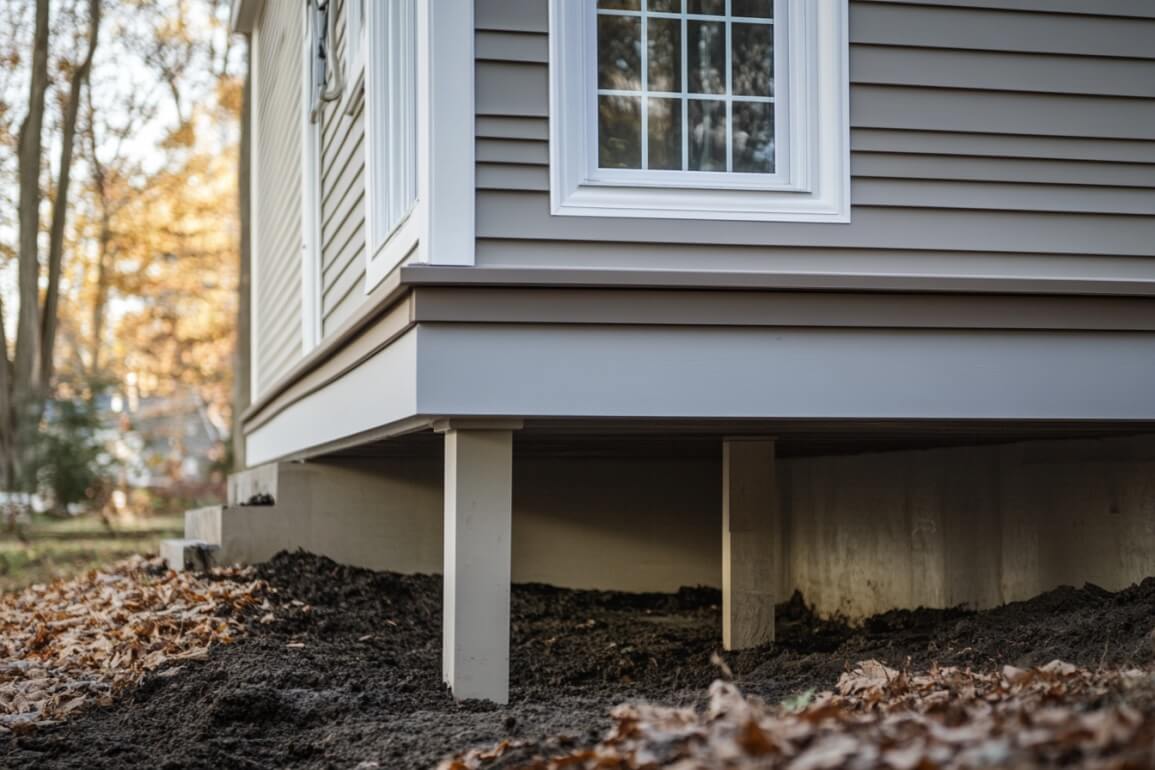
Crawl Space Foundation
$3,500–$11,500
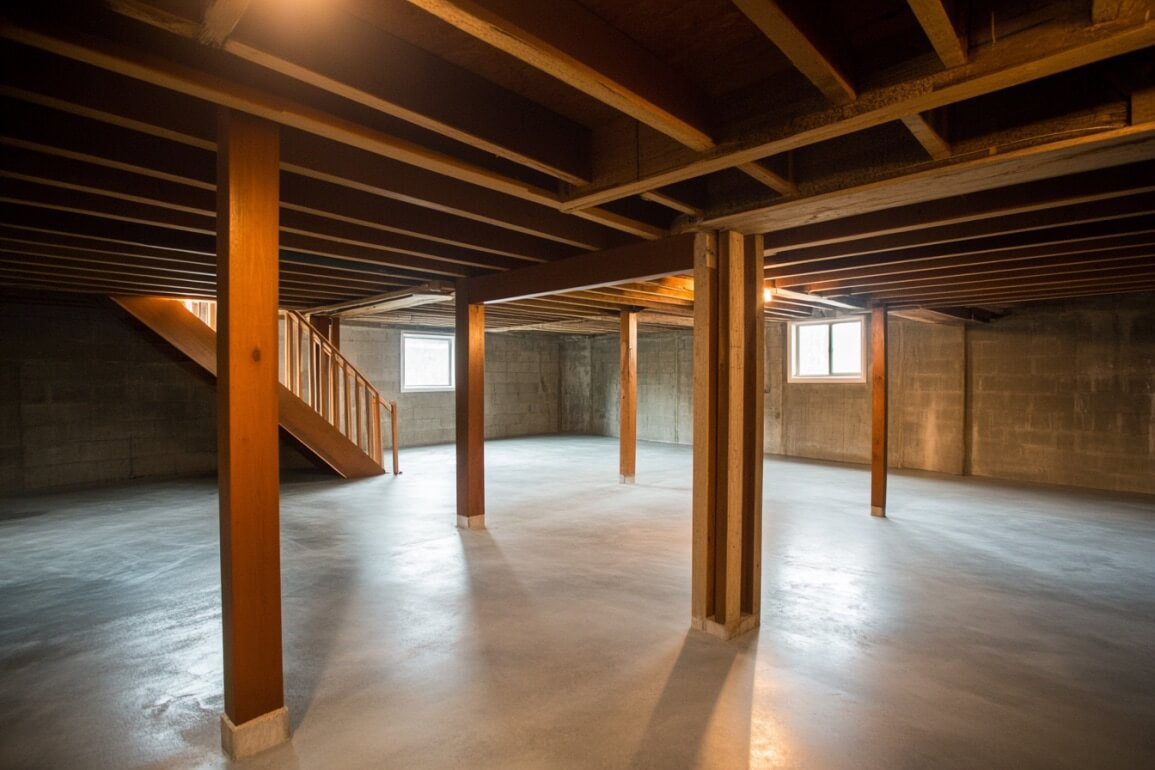
Basement
$5,500–$16,000
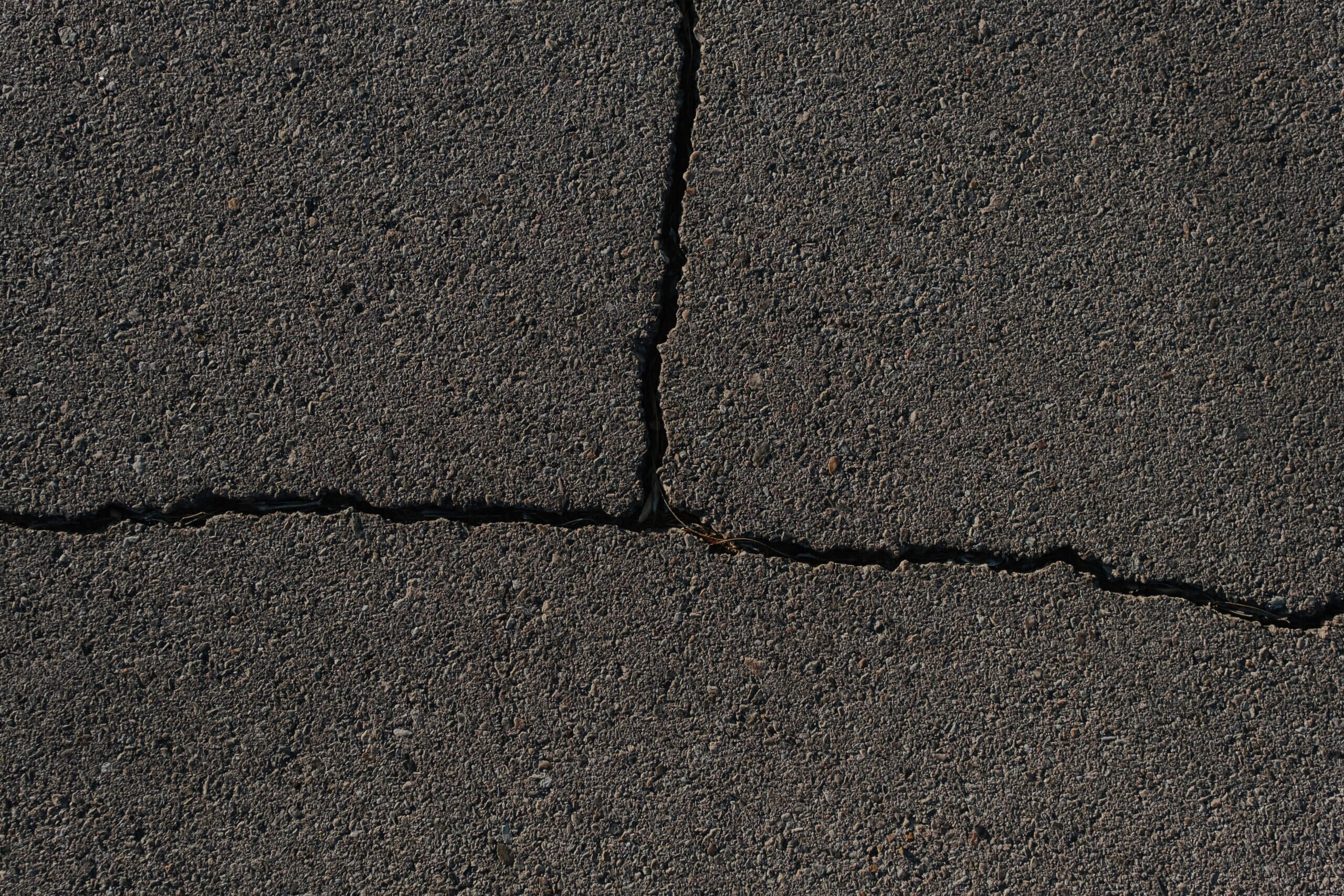
Concrete Slab
$3,200–$8,500
Cinder Block/Brick
$4,000–$11,000
Pier and Beam
$3,000–$9,000
Cost by type of repair
The repair method used depends on the issue at hand. Here's a breakdown of average costs based on the type of damage in Oregon:
Issue Type
Average Cost Range in Oregon
Surface Cracking
$300–$900
Settling/Sinking
$3,500–$11,500
Foundation Leaks
$2,500–$7,000
Bowed Basement Walls
$4,500–$13,500
Poor Drainage Repair
$1,800–$5,000
Soil Stabilization
$1,200–$5,500
Root Intrusion
$600–$2,500
Underpinning (Piers)
$1,200–$3,500 per pier
Crawl Space Repair
$2,500–$9,000
How to Choose a Foundation Repair Contractor Near Oregon City
Foundation repair is one of the higher-stakes home improvement projects you'll tackle — the wrong contractor can make a problem worse. Here's what to look for when evaluating pros in the Oregon City area:
Licensing and insurance: Verify that your contractor holds a valid Oregon contractor's license and carries general liability and workers' compensation insurance
Local expertise: Oregon's combination of wet winters, clay-silt soils, and seismic risk requires specific repair knowledge. Look for contractors with demonstrated experience in Pacific Northwest conditions — the approach for Oregon's wet-season hydrostatic pressure is meaningfully different from drier Midwest or Southeast markets.
Multiple quotes: Get at least two or three written estimates before deciding — prices can vary significantly between contractors
Warranty: A reputable contractor should stand behind their work with a written warranty, typically covering both labor and materials
References: Ask for recent customer references or check reviews on Google, the BBB, or Angi
Frequently Asked Questions
How much does it typically cost to fix a foundation?
Most homeowners spend between $2,500 and $10,000 on foundation repairs. Minor issues may cost under $1,000, while major repairs can exceed $15,000.
What is the cheapest way to repair a foundation?
The most affordable option is usually fixing minor surface cracks, which can cost $250 to $800. Early detection helps avoid bigger expenses.
Can a cracked foundation be repaired?
Yes, most foundation cracks can be fixed using methods like epoxy injection, carbon fiber reinforcement, or underpinning, depending on the severity.
Is it expensive to fix a cracked foundation?
It depends on the size and cause of the crack. Small, non-structural cracks are relatively cheap to repair. Structural issues can cost several thousand dollars.
Is it worth it to repair a foundation?
Absolutely. A damaged foundation can threaten your home’s structural integrity, lower its value, and lead to costly problems if left unaddressed.