Foundations
How Much Does Foundation Repair Cost in Oregon?
Average Cost: $4,500 – $14,000
Foundation repair in Oregon usually costs around $9,000, but most homeowners spend between $4,500 and $14,000. The state’s divide between the wet, seismically active Willamette Valley and the volcanic high desert east of the Cascades means the issues you’ll face, and what you’ll pay to fix them, depend heavily on where in Oregon you live. This guide breaks down costs by city, foundation type, and repair method so you know what to expect.
Connect with Oregon’s best foundation repair pros.

The Modernize Mission
We help homeowners make confident decisions through our reliable, up-to-date, and unbiased information and average project costs. All of our content is thoroughly reviewed and fact-checked by our team of home improvement experts. Learn more about how we maintain these values.
Table of Contents
- How Much Does Foundation Repair Cost in Oregon?
- Foundation Repair Cost by Metro Area in Oregon
- Foundation Repair Cost per Square Foot in Oregon
- Factors That Affect Foundation Repair Cost in Oregon
- Cost of Not Repairing Your Foundation
- ROI of Foundation Repair in Oregon
- How to Save on Foundation Repair Costs in Oregon
- Next Steps
How Much Does Foundation Repair Cost in Oregon?
Most Oregon homeowners spend between $4,500 and $14,000 on foundation repairs, with a single-project average of around $9,000. Smaller repairs may cost less, while major structural work can exceed $28,000 — particularly in the Portland metro, where seismic risk, saturated Missoula Flood soils, and high labor demand all push costs up.
- Minor repairs: $1,500 to $4,500
- Moderate repairs: $4,500 to $12,500
- Major structural repairs: $12,500 to $28,000+
Ready to connect with Oregon foundation repair pros?
Foundation Repair Cost by Metro Area in Oregon
Oregon’s two halves tell different foundation stories. West of the Cascades, the Willamette Valley’s deep silty loam soils — deposited by Ice Age Missoula Floods — retain moisture, shift seasonally, and sit above the Cascadia Subduction Zone fault system, all of which drive up both the frequency and cost of repairs. East of the Cascades, central Oregon’s volcanic pumice and sandy loam soils around Bend present a completely different set of challenges: loose, porous substrates that can compress under load and heave with freeze-thaw cycles. Southern Oregon’s Rogue Valley sits in between, with dense clay soils around Medford that expand and contract dramatically with wet winters and dry summers. Learn to distinguish foundation problems from normal settling as you assess your situation.
| Metro Area | Minor Repair | Moderate Repair | Major Repair |
|---|---|---|---|
| Portland | $2,000 to $5,500 | $6,500 to $15,000 | $16,000 to $32,000+ |
| Salem | $1,800 to $4,800 | $5,500 to $13,000 | $14,000 to $27,000+ |
| Eugene | $1,700 to $4,500 | $5,000 to $12,000 | $13,000 to $25,000+ |
| Gresham | $1,800 to $4,800 | $5,500 to $13,500 | $14,000 to $28,000+ |
| Hillsboro | $2,000 to $5,200 | $6,000 to $14,500 | $15,000 to $30,000+ |
| Bend | $1,500 to $4,200 | $4,800 to $11,500 | $12,000 to $24,000+ |
| Medford | $1,600 to $4,300 | $5,000 to $12,000 | $12,500 to $25,000+ |
Portland
Portland carries Oregon’s highest foundation repair costs, shaped by soil, seismic, and housing factors unique to the metro. The city sits on the Willamette and Columbia River floodplains, where silty alluvial soils are prone to liquefaction and settlement — particularly in South Waterfront and inner Southeast. The Portland Hills Fault runs near the West Hills, and the Cascadia Subduction Zone poses a longer-range threat. Oregon adopted seismic building codes in 1993; many Craftsman bungalows and mid-century homes in Sellwood, Laurelhurst, and Irvington still sit unbolted on their foundations, making seismic retrofitting a common companion to structural repair. Find Portland contractors near you.
Portland-area homes built before 1993 often need mudsill bolting or cripple wall bracing alongside structural repairs. Bundling seismic retrofitting with foundation work saves mobilization costs — ask your contractor about combining both scopes into one project.
Salem
Salem sits on the broad floor of the Willamette Valley, where the Missoula Floods deposited deep layers of silty loam — some of the most fertile soil in the western United States, but also soil that retains moisture heavily in the wet season and shrinks back in dry summers. That seasonal expansion and contraction puts repeated stress on crawl space piers and basement walls, and Salem’s relatively flat terrain means drainage around foundations can be sluggish. The Willamette River corridor and adjacent lowlands also contribute to elevated water tables in parts of the metro. Find Salem contractors near you.
Eugene
Eugene averages around 46 inches of rain per year, and the southern Willamette Valley’s mix of deep alluvial silts near the valley floor and heavier clay soils on the hillsides creates different foundation challenges depending on where your home sits. Valley-bottom homes tend to deal with moisture intrusion and crawl space saturation, while those on the foothills around South Eugene face slope drainage and soil movement. Older neighborhoods like Whiteaker and the university district have aging crawl space foundations that frequently need pier reinforcement alongside moisture remediation. Find Eugene contractors near you.
Gresham
Gresham and the east Portland suburbs share Portland’s general seismic risk but extend into areas with more variable soil profiles — some neighborhoods sit on stable basalt-derived soils from the Boring Lava Field, while others are on alluvial or glacial outwash deposits with higher moisture retention. Rapid suburban growth in East Multnomah County in the 1970s through 1990s means many homes were built on marginally prepared sites where compaction and drainage were not held to current standards. Find Gresham contractors near you.

Hillsboro
Hillsboro sits in Washington County’s portion of the Willamette Valley, where the same deep Missoula Flood silts that define Portland’s soil profile are prevalent. The city has grown rapidly as a tech and semiconductor hub, meaning a mix of older homes with deferred maintenance and newer construction on recently developed agricultural land — some of which requires additional soil compaction assessment before foundations can be trusted long-term. The Gales Creek fault zone and the Portland Hills fault zone both cross into Washington County, making seismic conditions a real consideration for older pre-1993 homes. Find Hillsboro contractors near you.
Bend
Bend sits on volcanic high desert east of the Cascades, where pumice, fractured basalt, and volcanic ash compress under load and shift when not properly compacted. The city gets about 12 inches of rain and around 30 inches of snow per year, with temperatures below freezing from November through March. Freeze-thaw cycles drive most foundation movement: water enters porous soil, freezes and expands, then leaves voids as it thaws — heaving slabs and stressing footings each spring. Watch for early warning signs such as sticking doors and new floor cracks after each winter. Foundations that don’t reach the 18- to 24-inch frost line consistently need repair. Find Bend contractors near you.
Medford
Medford’s dominant foundation challenge is expansive clay soil. The silty clay loams throughout Jackson County expand significantly when wet winters saturate the ground, then contract sharply during hot, dry summers — a cycle the USDA characterizes as leaving soils dry for 80 to 110 consecutive days each year. That repeated movement builds horizontal pressure against foundation walls when wet and pulls soil away from footings when dry. Contractors here regularly drive steel piers to bedrock to get below the unstable surface layer, and drainage correction is nearly always part of the repair scope. Find Medford contractors near you.
Foundation Repair Cost per Square Foot in Oregon
Foundation repair costs in Oregon can also be estimated based on the size of the affected area. While most contractors price repairs by project type, square footage can provide a helpful benchmark.
- Minor repairs: $6 to $20 per square foot. Includes sealing cracks or minor leveling.
- Moderate repairs: $20 to $45 per square foot. Covers slab lifting, partial underpinning, or stabilization.
- Major repairs: $45 to $90+ per square foot. Includes structural reinforcement or full underpinning.
Cost by foundation type
The type of foundation your home is built on directly shapes what repairs cost in Oregon. Not sure which you have? Our slab vs. crawl space guide can help. Crawl space foundations are the most common in western Oregon, where homes are elevated above wet seasonal soils. Slab foundations appear more frequently in central and southern Oregon’s drier, flatter terrain.
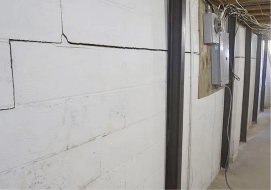
- Basement foundations: $5,500 to $20,000. Repairs often include waterproofing and wall stabilization — particularly relevant in the Portland metro, where saturated alluvial soils and hydrostatic pressure are persistent concerns.
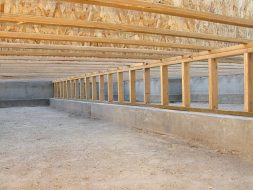
- Crawl space foundations: $4,000 to $13,000. The most common foundation type in western Oregon. Repairs often involve vapor barriers, support reinforcement, pier installation, and full encapsulation in high-moisture areas.
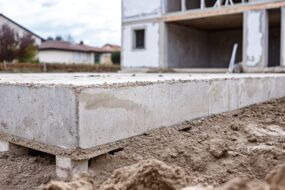
- Slab foundations: $3,500 to $10,000. Common in Bend and the Rogue Valley. Repairs typically include crack sealing, slab jacking, and addressing void formation beneath volcanic or clay soils.
- Pier and beam foundations: $4,500 to $12,000. Repairs often involve replacing deteriorated wood posts or installing steel supports — helical piers are frequently used in Oregon to reach stable bearing soil below the problem layers.
Cost by Oregon home size
- Small (under 1,500 square feet): $3,500 to $8,500
- Medium (1,500 to 2,500 square feet): $5,500 to $14,000
- Large (2,500+ square feet): $9,500 to $28,000+
Cost by repair type
- Crack repairs: $600 to $3,200
- Slab jacking (mudjacking): $700 to $2,200. In Bend, polyurethane foam injection is generally preferred over traditional mudjacking because foam’s lighter weight puts less stress on the porous volcanic substrate.
- Piering / underpinning: $6,500 to $28,000+
- Sealing and waterproofing: $1,800 to $9,000
Factors That Affect Foundation Repair Cost in Oregon
A few Oregon-specific factors set pricing apart from what you’d find in drier or geologically simpler states.
- Missoula Flood soils in the Willamette Valley: The valley’s silty loam soils are moisture-retentive and slow-draining, expanding and contracting with Oregon’s wet-dry cycle — stressing foundations from Portland to Eugene.
- Seismic risk: The Cascadia Subduction Zone can produce a magnitude 8 to 9 earthquake. The Portland Hills Fault and the nearby Gales Creek and Mount Angel fault zones add localized crustal risk. Many pre-1993 homes weren’t built to current seismic standards; Portland-area repair methods often include mudsill bolting or cripple wall bracing.
- Volcanic soils in central Oregon: Pumice, ash, and fractured basalt compress under load and form voids as freeze-thaw cycles work through them each winter.
- Expansive clay in the Rogue Valley: Jackson County soils saturate in winter and dry for up to 110 days in summer — pressuring foundation walls in both directions.
- Oregon’s wet season: Western Oregon gets 36 to 50 inches of rain annually, mostly October through April, keeping basement walls under hydrostatic pressure and crawl spaces chronically damp. Know the signs of basement waterproofing problems before they escalate.
Cost of Not Repairing Your Foundation
Oregon’s wet climate means deferred foundation repairs don’t stabilize on their own — they advance. A crack that admits moisture during fall rains widens as hydrostatic pressure builds through winter and then dries and shifts in summer, enlarging the opening with each cycle.
In the Portland metro and Willamette Valley, bowing basement walls and saturated crawl spaces are the two most common deferred-repair failure modes. Both require more invasive — and more expensive — intervention the longer they’re left unaddressed.
In the Rogue Valley, Medford’s expansive clay soils actively work against a compromised foundation every wet season. Horizontal cracks in foundation walls that go unaddressed continue widening as soil pressure builds each winter.
Deferred repairs in Oregon can easily escalate to $30,000 or more, and water damage to framing, flooring, and finished living areas adds substantially to that figure.
ROI of Foundation Repair in Oregon
Foundation repairs in Oregon typically return an estimated 60% to 80% of their cost in preserved home value. Oregon’s real estate disclosure laws require sellers to disclose known material defects, including structural issues. Homes with documented repairs and active waterproofing systems consistently sell with fewer inspection-driven concessions than homes with unresolved foundation problems, which typically draw price reductions or deal fallout.
How to Save on Foundation Repair Costs in Oregon
- Act before the wet season: Dry-soil access in western Oregon runs late July through September. Dry-season repairs cost less and finish faster. Staying on top of routine foundation maintenance year-round helps you catch issues before they become urgent.
- Fix drainage first: Improving grading and drainage, extending downspouts, and clearing crawl space vents costs far less than structural repair — and poor drainage drives most moisture-related foundation damage in Oregon.
- Get multiple quotes: Two to three itemized estimates confirm the repair method fits your soil and foundation type. Our guide to choosing a foundation contractor covers what to look for.
- Bundle seismic retrofitting with structural work: Portland-area homes built before 1993 save on mobilization when mudsill bolting or cripple wall bracing is added to a repair project.
- Act early in Bend: Spring is Bend’s busiest repair season; fall work before the first freeze offers better availability and no urgency pricing.
- Ask about financing options: Many Oregon contractors offer payment plans; home improvement loans and HELOCs are available for structural work.
Next Steps
If you’ve noticed cracks in your foundation or basement walls, water seeping in after rain, bowing walls, or uneven floors, a professional foundation inspection is the right first step. In Oregon — whether you’re dealing with the Willamette Valley’s wet silts, Portland’s seismic risk, Bend’s volcanic soils, or Medford’s expansive clays — early intervention consistently results in simpler and less expensive repairs. Modernize can connect you with trusted Oregon foundation repair professionals so you can compare quotes and move forward with confidence.
Connect with trusted Oregon foundation repair professionals.