Ready to start your project?
Enter your ZIP to find local pros.
Foundations
Types of Foundation Cracks Homeowners Should Know
Foundation cracks are a common thing homeowners spot. Some are just surface lines and not a big deal, while others could mean bigger structural problems. The important thing is to know which cracks are normal and which need a closer look. This guide will help you recognize the most common types of foundation cracks, explain what they mean, and tell you when to call a professional.
We help homeowners make confident decisions through our reliable, up-to-date, and unbiased information and average project costs. All of our content is thoroughly reviewed and fact-checked by our team of home improvement experts. Learn more about how we maintain these values.
Why Do Foundation Cracks Happen in the First Place?
Most foundation cracks happen because of movement. Your house sits on soil, and that soil shifts, expands, or shrinks depending on moisture and temperature.
Here are the most common causes:
Natural settling: Homes gradually settle over time, especially in the first few years after construction.
Soil movement: Clay soils expand when wet and shrink when dry, putting pressure on the foundation.
Water issues: Poor drainage, heavy rain, or plumbing leaks can weaken the soil and cause shifting.
Hydrostatic pressure: Water buildup in the soil pushes against foundation walls, especially in basements.
Temperature changes: Freeze-thaw cycles can cause materials to expand and contract, leading to cracks.
Often, a crack just means your home is adjusting to its surroundings. What matters most is figuring out if this movement is normal or if it points to a bigger problem.
What Do Different Foundation Cracks Mean?
Not all cracks are the same. The shape, direction, width, and location of a crack help you figure out how serious it might be.
For example:
A thin vertical crack is often harmless.
A wide horizontal crack can signal structural pressure.
A crack that grows over time is more concerning than one that stays the same.
Cracks are like clues. They show how your foundation is moving and whether things are staying the same or getting worse.
As a general rule:
Small, stable cracks are often cosmetic or minor.
Wide, expanding, or shifting cracks may point to structural issues.
Next, we’ll go over the most common types of foundation cracks so you can figure out what you’re seeing in your own home.
Common Types of Foundation Cracks (and How to Identify Them)
Most foundation cracks fit a few common patterns. By checking the direction, shape, and size, you can often figure out what is causing the problem and how serious it is.
Use the descriptions below to match what you see in your own home.
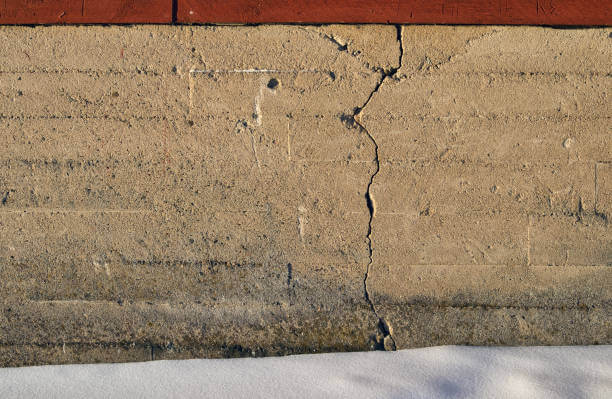
Vertical Foundation Cracks
What they look like:
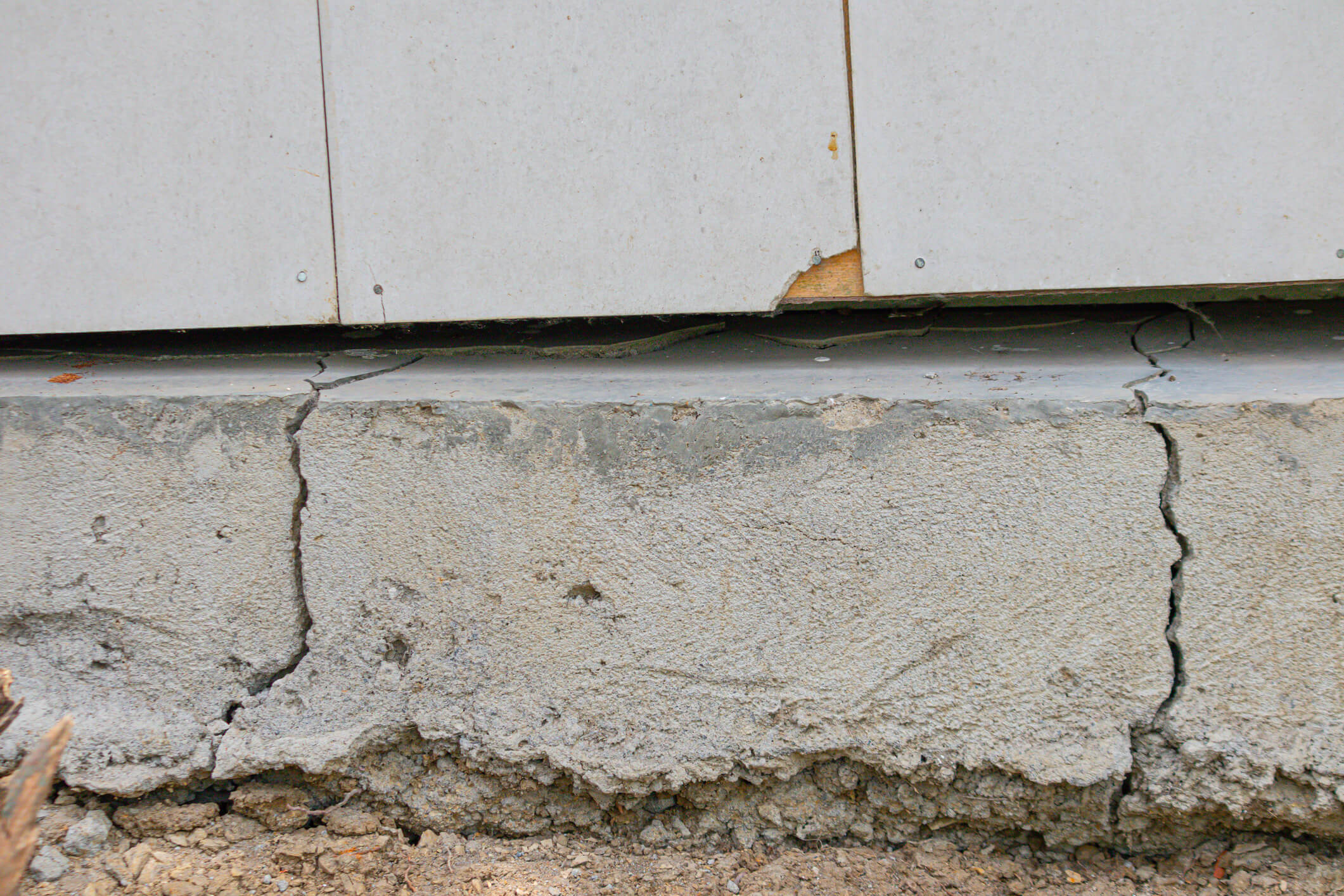
Straight cracks running up and down, or slightly angled, along the wall.
What causes them:
Natural settling as the home sinks slightly over time.
How serious are they?
Usually low concern if they are thin and not growing.
What to do next:
Keep an eye on the crack over time. You can seal it to keep moisture out, but you usually do not need structural repairs unless it widens.
Horizontal Foundation Cracks
What they look like:
Long cracks running straight across a wall, often in basement foundations.
What causes them:
Pressure from soil and water pushing against the foundation wall.
How serious are they?
High concern. These are often structural and can indicate a risk of wall failure.
What to do next:
Call a professional right away. Do not ignore horizontal cracks, especially if the wall looks like it is bending inward.
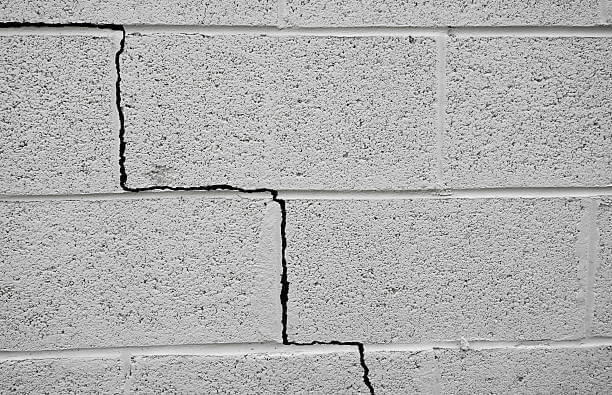
Stair-Step Cracks
What they look like:
A zigzag pattern following the mortar lines in brick or block foundations.
What causes them:
Uneven settling or shifting in different parts of the foundation.
How serious are they?
Moderate to high concern, depending on width and movement.
What to do next:
If the crack is small and not changing, just keep an eye on it. If it gets bigger or keeps growing, have a contractor or structural engineer take a look.
Diagonal Foundation Cracks
What they look like:
Cracks running at an angle, usually 30 to 75 degrees.
What causes them:
Uneven settling, often when one side of the foundation moves more than the other.
How serious are they?
Moderate concern. Wider or growing diagonal cracks may indicate structural movement.
What to do next:
Measure how wide the crack is and watch for any changes. If it is wider than 1/4 inch or keeps getting bigger, call a professional.
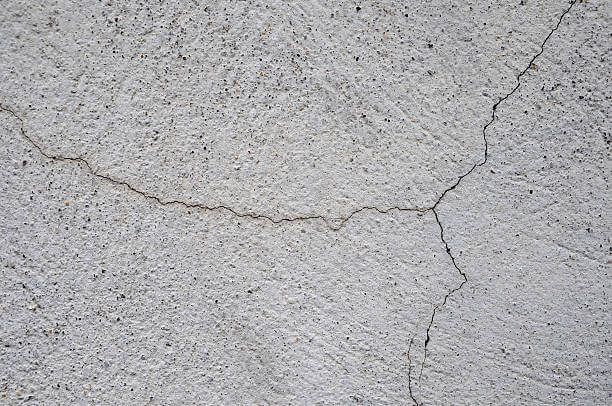
Hairline Cracks
What they look like:
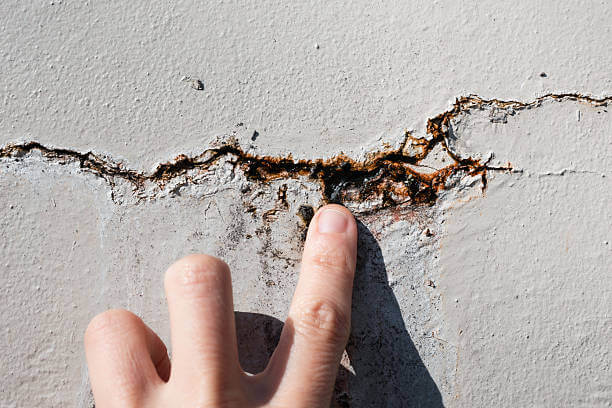
Very thin cracks, often barely visible, usually less than 1/16 inch wide.
What causes them:
Normal concrete curing and minor shrinkage.
How serious are they?
Low concern. These are typically cosmetic.
What to do next:
You do not need structural repairs for these. You can seal them if you want to improve how they look or keep out moisture.
Shrinkage Cracks
What they look like:
Thin, vertical, or slightly irregular cracks that appear shortly after concrete is poured.
What causes them:
Concrete losing moisture as it cures.
How serious are they?
Low concern. These are common in new construction.
What to do next:
Just watch for any changes. If the cracks stay small and do not grow, you do not need to do anything except maybe seal them if you want.
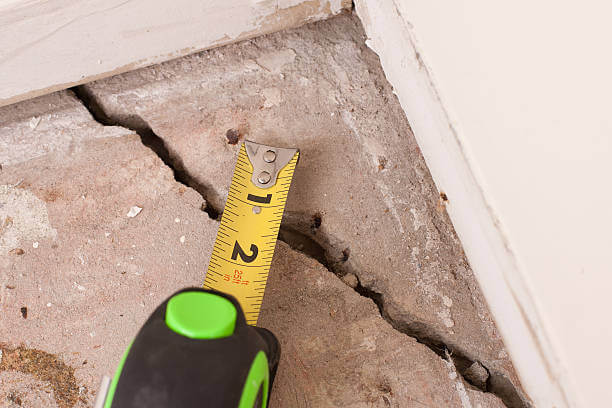
Foundation Slab Cracks
What they look like:
Cracks in concrete floors, often in basements or garages.
What causes them:
Soil movement, settling, or shrinkage beneath the slab.
How serious are they?
Low to moderate concern, depending on width and displacement.
What to do next:
Hairline cracks in the slab are usually nothing to worry about. If the edges are uneven or the crack is getting bigger, get it checked out.
Structural Foundation Cracks
What they look like:
Wide cracks, typically over 1/4 inch, cracks that grow over time, or cracks with visible shifting or displacement.
What causes them:
Significant movement, pressure, or failure in the foundation system.
How serious are they?
High concern. These affect the stability of your home.
What to do next:
Reach out to a foundation specialist or structural engineer as soon as you can.
Non-Structural Foundation Cracks
What they look like:
Small, stable cracks with no movement or widening over time.
What causes them:
Minor settling or natural material behavior.
How serious are they?
Low concern. Mostly cosmetic.
What to do next:
Keep an eye on the crack and seal it if you need to. You do not need any major repairs.
Wet or Leaking Cracks
What they look like:
Cracks with visible moisture, water stains, or active leaks.
What causes them:
Water intrusion through foundation walls, often due to poor drainage or hydrostatic pressure.
How serious are they?
Moderate to high concern. Even small cracks become serious when water is involved.
What to do next:
Take care of both the crack and whatever is causing the water. This might mean sealing the crack and making sure water drains away from your home.
Not every crack is a problem, but how they look and change over time matters. Next, we’ll show you which cracks are most serious so you can decide what needs attention first.
Cracks with displacement, where one side is higher than the other
Water actively leaking through the crack
Of all the crack types, horizontal cracks and diagonal or stair-step cracks that are getting bigger are usually the biggest warning signs. These often mean there is pressure from soil or movement in the structure, which can get worse if left alone.
Less concerning cracks include:
Hairline cracks
Small vertical cracks
Shrinkage cracks in newer concrete
Still, you should keep an eye on even small cracks. If a small crack changes over time, it could turn into a bigger problem.
When Should You Worry About Foundation Cracks?
It is normal to worry when you see a crack in your foundation, but not every crack needs quick action. The important thing is to know when a crack goes from normal to something you should be concerned about.
You should take a closer look or call a professional if you notice:
The crack is wider than 1/4 inch.
The crack is getting longer, wider, or more noticeable.
There is water, dampness, or mold around the crack.
The wall appears to be bowing, bulging, or leaning.
Doors or windows nearby are sticking or no longer closing properly.
The crack runs horizontally or in a stair-step pattern.
If none of these signs are present and the crack is small and not changing, it is usually fine to just watch it over time.
A simple way to track changes is to:
Mark the ends of the crack
Measure its width
Check it every few months
If you notice the crack moving or changing, that is a sign you should call a professional.
What to Do If You Find a Crack in Your Foundation
Finding a crack is not a reason to panic, but it is smart to take a few simple steps right away.
Contact a foundation specialist or structural engineer.
Avoid delaying repairs, especially if water or movement is involved.
Even if a crack seems minor, fixing the root cause, such as poor drainage or shifting soil, is the best way to prevent it from getting worse.
Can Foundation Cracks Be Repaired?
Yes, most foundation cracks can be repaired. The best fix depends on the type of crack, what caused it, and how serious it is.
For small cracks, repairs are usually simple and do not cost much. If there is a structural problem, repairs can be more complicated and may need a professional.
Crack sealing with epoxy or polyurethane: Used for small to moderate cracks to prevent water intrusion
Carbon fiber straps or wall anchors: Reinforce walls with horizontal or structural cracks
Underpinning with piers: Stabilizes and lifts foundations that have settled
Drainage improvements: Redirect water away from the home to help prevent future movement
Hairline and shrinkage cracks are often sealed just to improve appearance or keep out moisture. Structural cracks, especially if there is movement or bowing, usually need reinforcement or stabilization.
Getting a professional inspection is the best way to figure out the right repair, especially if the crack is getting bigger or showing up in more than one place.
How to Prevent Foundation Cracks in the Future
You cannot stop natural settling, but you can lower the risk of serious foundation problems by managing moisture and soil conditions around your home.
This content was created with the assistance of AI and reviewed, edited, and fact-checked by our editorial team for accuracy and clarity. See our Editorial Policy for more details.
Frequently Asked Questions About Foundation Cracks
Yes, small cracks are normal in new homes. As the house settles and the concrete dries, minor cracks can show up. These are usually hairline or shrinkage cracks and are not a problem unless they get bigger.
A good rule of thumb is that cracks 1/4 inch wide or more should be checked by a professional, especially if they keep growing.
No, but any crack can eventually allow water in. Some cracks stay dry, while others become entry points for moisture depending on drainage and soil conditions.
You can fix very small cracks yourself with DIY sealants. But for bigger cracks, structural problems, or any movement, it is best to call a professional so you do not make things worse.
Some cracks do not change, but others can get worse, especially if you do not fix the cause. Watching cracks over time helps you catch problems early.
Usually, no. Most insurance policies do not cover damage from settling, soil movement, or poor drainage. But if cracks are caused by something your policy covers, like a plumbing leak or certain water damage, you might be covered.