Foundations
What Is a Crawl Space Foundation? Complete Guide
On this page
- Definition of a crawl space foundation
- Pros and cons of having a crawl space
- Common crawl space issues and solutions
Find the best foundations pros in your area.

The Modernize Mission
We help homeowners make confident decisions through our reliable, up-to-date, and unbiased information and average project costs. All of our content is thoroughly reviewed and fact-checked by our team of home improvement experts. Learn more about how we maintain these values.
Table of Contents
- What Is a Crawl Space Foundation?
- Pros and Cons of a Crawl Space Foundation
- Common Crawl Space Problems
- Crawl Space Moisture Control Basics
- Insulating a Crawl Space Foundation
- Crawl Space Structural Components Homeowners Should Know
- Cost Considerations for Crawl Space Work
- DIY vs. Professional Work
- FAQs About Crawl Space Foundations
What Is a Crawl Space Foundation?
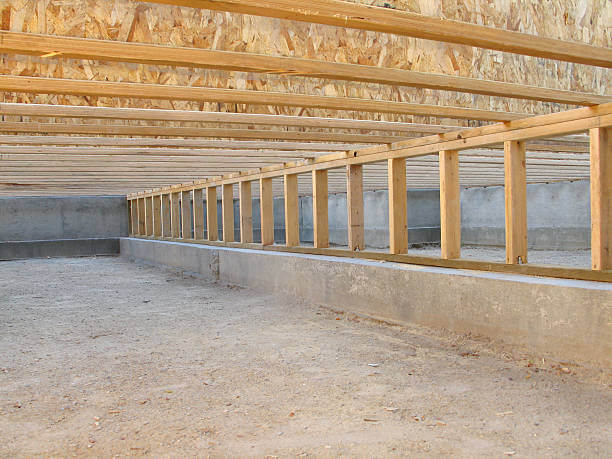
A crawl space foundation, usually referred to simply as a crawl space, is a raised foundation that creates a shallow yet accessible area underneath your home. This area is usually 2 to 4 feet in height — tall enough to enter, but not tall enough to stand up. It is often where the systems that run your home are located, such as plumbing, wiring, HVAC, and more.
The crawl space helps protect your home from moisture by allowing air movement beneath the home. It also allows for easier access to home systems if repairs become necessary.
Difference Between Crawl Space, Slab, and Basement Foundations
Here’s how crawl space foundations compare to other common foundation types:
- Crawl space: Raised a few feet above the ground. Common in areas with moderate ground moisture. Allows access to utilities and natural airflow.
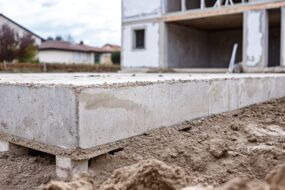
- Slab foundation: A slab of concrete poured directly onto the ground. Affordable and low-maintenance, but offers no access underneath the house.
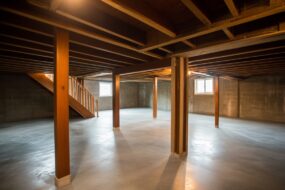
- Basement foundation: Can be finished or unfinished. Provides storage, utility access, and potential living space.
» Learn More: Crawl Space vs. Concrete Slab Foundation
Pros and Cons of a Crawl Space Foundation
Like all foundation types, crawl spaces have advantages and tradeoffs.
Pros
- Easy access to home systems and utilities.
- Ideal for sloping lots where a slab is difficult to install.
- Allows airflow that can help manage moisture.
Cons
- Can attract rodents or insects if not sealed properly.
- Prone to moisture issues if drainage or ventilation is inadequate.
- Humidity buildup can lead to musty odors.
When a Crawl Space Is a Good Fit
A crawl space is often a good choice if your home is built on a slope or uneven ground. In humid or moisture-prone climates, crawl spaces are often preferred over slab foundations.
If you want access to home utilities without the added cost of a full basement, a crawl space can be a practical middle-ground. It can also improve curb appeal by keeping HVAC and mechanical systems out of sight.
Common Crawl Space Problems
Most crawl space issues are related to moisture. Catching problems early can help you avoid costly repairs. Common issues include:
- High humidity and excess moisture.
- Mold or mildew growth.
- Wood rot affecting beams and joists.
- Standing water.
- Sagging or uneven floors.
- Pests, especially rodents and termites.
Signs Homeowners Can Spot Early
Early warning signs often show up inside the home. These include musty odors, uneven or spongy floors, condensation on windows, rising indoor humidity, or cold floors.
You may also see visible mold along baseboards or notice more insects indoors. Inside the crawl space itself, watch for sagging insulation, damp soil, moldy wood, rust on metal, or a white, chalky residue on masonry.
When to Call a Professional
If structural or persistent moisture issues are present, professional help is recommended.
Call a professional if you notice:
- Standing water or ongoing dampness.
- Bouncy, sloping, or spongy floors.
- Strong mold or mildew odors.
- Major pest infestations.
- Deteriorating beams or joists.
- Rusty or damaged utility components.
- Large or growing foundation cracks.
Crawl Space Moisture Control Basics
Effective moisture control is the foundation of crawl space health. Too much humidity can lead to mold, wood rot, and sagging floors. The goal is to keep water out and manage airflow. Common solutions include:
Vapor Barriers
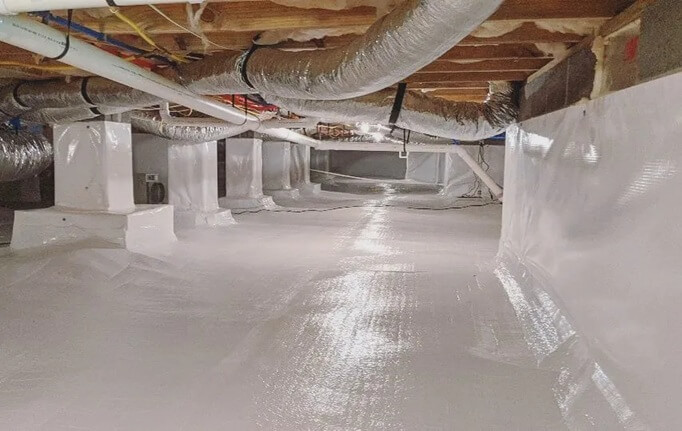
A vapor barrier is a thick plastic sheet installed over the soil floor to block ground moisture. It’s often the first step in moisture control and may be enough in mildly damp conditions.
Encapsulation
Crawl space encapsulation seals the entire crawl space using heavy-duty liners, sealing tape, and usually a dehumidifier. It’s commonly used when moisture problems are more severe and can also improve indoor air quality and pest resistance.
Drainage and Sump Pumps
Standing water usually requires drainage solutions, such as:
- French drains to manage groundwater.
- Sump pumps to remove collected water.
- Perimeter drains to direct water away from the foundation.
Insulating a Crawl Space Foundation
Proper insulation helps regulate temperature and protect plumbing.
Insulation can improve comfort, lower energy bills, reduce condensation, and prevent frozen pipes.
Insulation Options
Common crawl space insulation types include:
- Fiberglass: Affordable and easy to install, but absorbs moisture if the crawl space is damp.
- Rigid foam: Moisture-resistant and often used on walls or joists.
- Spray foam: Excellent air sealing and moisture resistance, but higher cost and usually professionally installed.
Venting vs. Sealing the Crawl Space
This choice depends heavily on climate and design.
- Venting: Introduces outside air to reduce moisture, but can worsen humidity in some climates.
- Sealing: Keeps outside air out through encapsulation, often paired with dehumidification.
In general, newer homes often benefit from sealing, while some older homes perform better with venting.
Crawl Space Structural Components Homeowners Should Know
Understanding basic foundation components helps homeowners spot potential problems:
- Joists: Support the floor above.
- Beams: Carry the load of the joists.
- Piers: Vertical supports holding up beams.
- Rim joists: Run around the perimeter of the floor structure.
- Subfloor: The surface beneath finished flooring.
Causes of Structural Damage
Structural damage usually develops gradually. Common causes include prolonged moisture exposure, wood rot, termites, soil movement, aging materials, or construction flaws.
Repair Approaches
Professional repairs may include:
- Reinforcing or replacing damaged beams.
- Sistering weakened joists.
- Adding or replacing support piers.
- Correcting moisture issues to prevent recurrence.
- Jacking and leveling the home to fix sagging floors.
Cost Considerations for Crawl Space Work
Crawl space repair costs vary widely based on severity and scope.
Typical ranges include:
| Repair | Average Cost |
|---|---|
| Vapor barrier | $800 to $2,500 |
| Encapsulation | $4,000 to $15,000 or more |
| Sump pump or drains | $1,500 to $6,000 |
| Minor structural repairs | $1,000 to $5,000 |
| Major structural repairs | $5,000 to $20,000 or more |
| Inspection fees | $100 to $500 |
Factors That Influence Price
Costs depend on access, size, materials, local labor rates, severity of damage, and whether mold remediation is required.
DIY vs. Professional Work
Some crawl space tasks are DIY-friendly; others are not.
Homeowners can handle inspections and minor cleanup, but encapsulation, drainage, and structural repairs are best left to professionals.
Safety Precautions
Wear proper protective gear and never enter a crawl space with standing water, mold growth, exposed wiring, sewage odors, or heavy pest activity.