Foundations
Slab vs. Crawl Space Foundation: Which Is Better?
Choosing the right foundation is one of the most important decisions in home construction. Slab and crawl space foundations offer very different benefits, costs, and long-term maintenance needs. This guide breaks down the key differences in simple terms to help homeowners compare both options and choose what fits their climate, budget, and repair expectations.
Find the best foundations pros in your area.

The Modernize Mission
We help homeowners make confident decisions through our reliable, up-to-date, and unbiased information and average project costs. All of our content is thoroughly reviewed and fact-checked by our team of home improvement experts. Learn more about how we maintain these values.
Concrete Slab vs. Crawl Space Foundation: Overview
Slab foundations are solid concrete bases that sit close to the ground. Crawl space foundations elevate the home and create a shallow, accessible area beneath it. Both differ significantly from a full basement foundation. The quick comparison below offers a high-level look at how they compare.
| Category | Slab Foundation | Crawl Space Foundation |
|---|---|---|
| Description | Single layer of poured concrete reinforced with rebar; sits directly on or slightly above ground. | Short foundation walls or piers lift the home, creating a 1- to 3-foot space underneath. |
| Upfront cost | Typically lower due to simpler construction. | Higher due to framing, piers and walls, and ventilation. |
| Durability | Very durable, with fewer structural components that can fail. | Durable when built well, but more vulnerable to moisture. |
| Energy efficiency | Good, with minimal air loss because the home sits close to the ground. | Moderate and may lose hot or cold air without proper insulation. |
| Moisture concerns | Low moisture risk when graded properly. | Higher risk of dampness, mold, and humidity. |
| Maintenance needs | Low, with limited components to inspect. | Higher, because it requires moisture control and regular inspections. |
| Repair accessibility | Harder to access plumbing and electrical systems embedded in the concrete. | Easier access for repairs through the crawl space. |
| Pest exposure | Low exposure. | Higher risk of rodents, insects, and wood-destroying pests. |
| Best-fit climates | Warm climates with stable soil. | Areas with moisture concerns, sloped lots, and mixed climates. |
What Is a Slab Foundation?
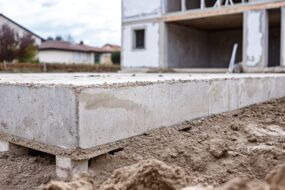
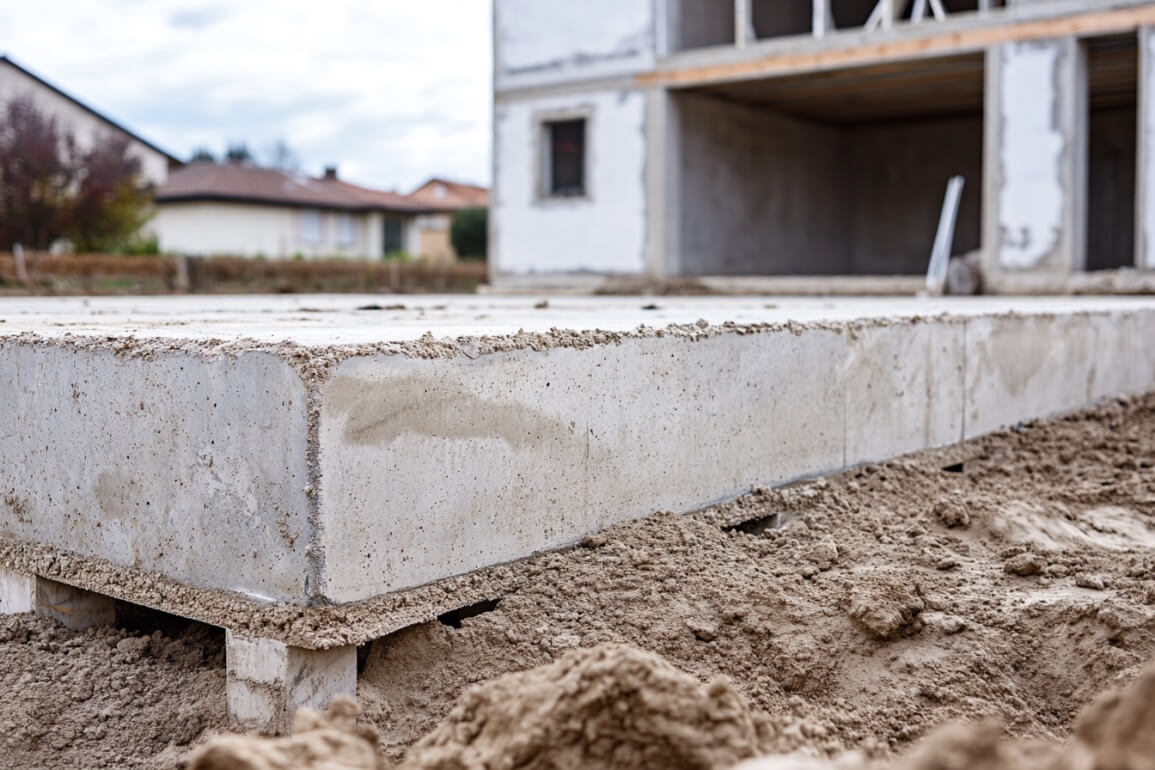
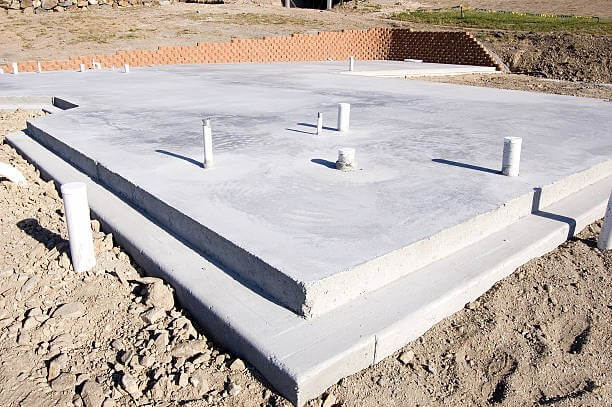
A slab foundation is a thick, single layer of poured concrete that forms a stable base for the home. It sits directly on the ground and supports the entire structure above it. It’s one of the simplest and most common foundation types in modern home construction. Homes built on slabs do not have basements.
How Slab Foundations Work
Builders place gravel and a moisture barrier on the soil, then pour reinforced concrete to create a solid pad. The home’s walls and framing attach directly to the slab. Footings may be thickened along the edges for added support. Utilities such as plumbing are often embedded within or beneath the slab.
Pros and Cons of Slab Foundations
Pros
- Affordable price: Slab foundations typically cost less than other foundation types, especially basements.
- Fast installation: They are built quickly with fewer complications.
- Energy efficient: With no airspace beneath the home, there is less heat loss, especially in warm climates.
- Lower risk: Slabs pose a lower risk for pests, mold, and moisture issues than crawl spaces or basements.
- Long-lasting: These foundations are strong and durable with minimal components to maintain.
Cons
- Difficult repairs: Plumbing and electrical systems are embedded in or beneath the slab, making repairs more invasive.
- Location dependent: Slabs are not ideal in areas with frequent flooding or significant soil movement.
- Temperature sensitivity: Floors may feel cold during winter months.
- Limited upgrades: Future upgrades are harder due to restricted access.
Slab Foundation Costs
A slab foundation generally costs $5,000 to $13,000 for an average single-family home. Larger homes can cost up to $30,000. Pricing depends on several factors:
- Home size: Larger footprints require more materials.
- Concrete thickness: Thicker slabs increase material costs.
- Site preparation: Grading, soil conditions, and reinforcement needs can raise costs.
Ideal Conditions for Slab Foundations
- Warm climates: Areas with minimal frost heave.
- Stable soil: Level ground with minimal shifting.
- Budget-conscious homeowners: Lower upfront costs and faster build times.
- Low flood risk: Flooding is a major concern for slab foundations.
What Is a Crawl Space Foundation?
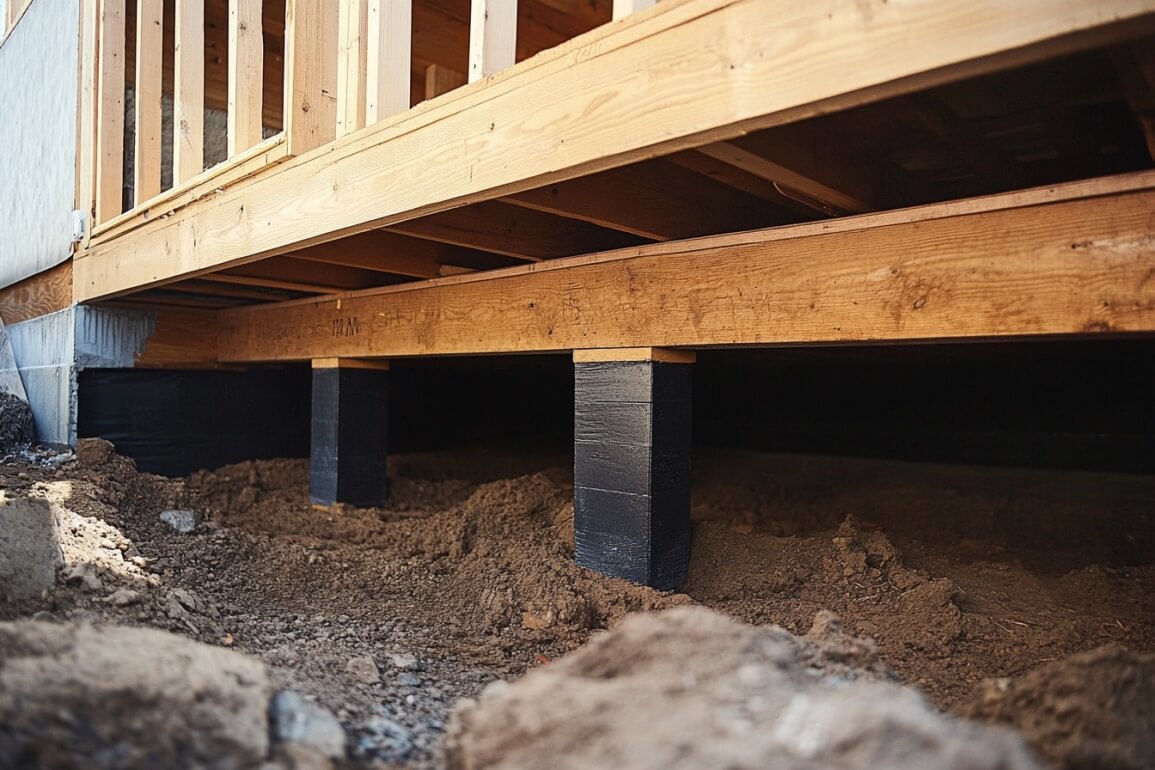
A crawl space foundation creates a shallow area — usually 1 to 3 feet deep — between the home and the ground. This space allows room for plumbing, electrical lines, ductwork, and repairs, making it more flexible than slab construction. Unlike basements, crawl spaces are not intended for storage.
How Crawl Space Foundations Work
Crawl space foundations use short perimeter walls or piers to lift the home 18 inches to 3 feet above the ground. The space may be vented or sealed depending on climate, and often includes vapor barriers, insulation, and drainage systems to manage moisture.
Pros and Cons of Crawl Space Foundations
Pros
- Easy access: Repairs to plumbing, wiring, and ductwork are easier.
- Works on sloped lots: Better suited for uneven terrain.
- Improved ventilation: When designed correctly, airflow can help regulate moisture.
- More flexibility: Easier to modify or repair over time.
Cons
- Moisture problems: Crawl spaces can trap humidity, leading to mold or wood rot.
- Pest exposure: Rodents and insects may nest underneath the home.
- Higher cost: Crawl spaces cost more than slab foundations.
- More maintenance: Ongoing moisture control is often required.
Crawl Space Foundation Costs
Crawl space foundations typically cost $8,000 to $25,000, depending on:
- Home size: Larger homes require more materials and labor.
- Wall type: Piers cost less than continuous foundation walls.
- Venting vs. encapsulation: Venting is less expensive, but encapsulation is usually more effective.
- Site preparation: Soil and grading challenges increase costs.
Ideal Conditions for Crawl Space Foundations
- Moderate soil movement: Can accommodate some uneven terrain.
- Common moisture: Suitable for areas with humidity but not frequent flooding.
- Repair access needed: Ideal for homeowners who value easy system access.
- Mixed climates: Performs well with seasonal temperature changes.
- Elevated designs: Works well for homes with porches or raised entryways.
Slab vs. Crawl Space: Key Differences to Consider
Both foundation types can perform well when matched to the right conditions. Here’s how they compare across major factors.
Climate and Soil Conditions
- Slab: Best for warm climates with stable soil and minimal freeze-thaw cycles.
- Crawl space: Better for uneven terrain and areas needing extra elevation.
Maintenance and Repair Considerations
- Slab: Low maintenance, but repairs can be invasive and costly.
- Crawl space: Higher maintenance, but easier and less disruptive repairs.
Energy Efficiency and Comfort
- Slab: Airtight and efficient, though floors may feel cool.
- Crawl space: More air loss unless insulated; encapsulation improves efficiency.
Which Foundation Type Is Right for You?
Choose a Slab Foundation If You Want:
- Lower upfront construction costs.
- Minimal long-term maintenance.
- A simple, durable option for warm climates.
- Lower risk of pests and moisture.
Choose a Crawl Space Foundation If You Need:
- Easy access to plumbing, wiring, or HVAC systems.
- A foundation that works on sloped or uneven terrain.
- Elevation to help manage moisture and drainage.
- Flexibility for future repairs or remodeling.